

Grinding, sawing or breaking? Find out when noise is too loud for your ears, what the Dutch rules say, whether to choose...

Your online building supplies store for building and renovation
 English
✓
English
✓
 Nederlands
✓
Nederlands
✓
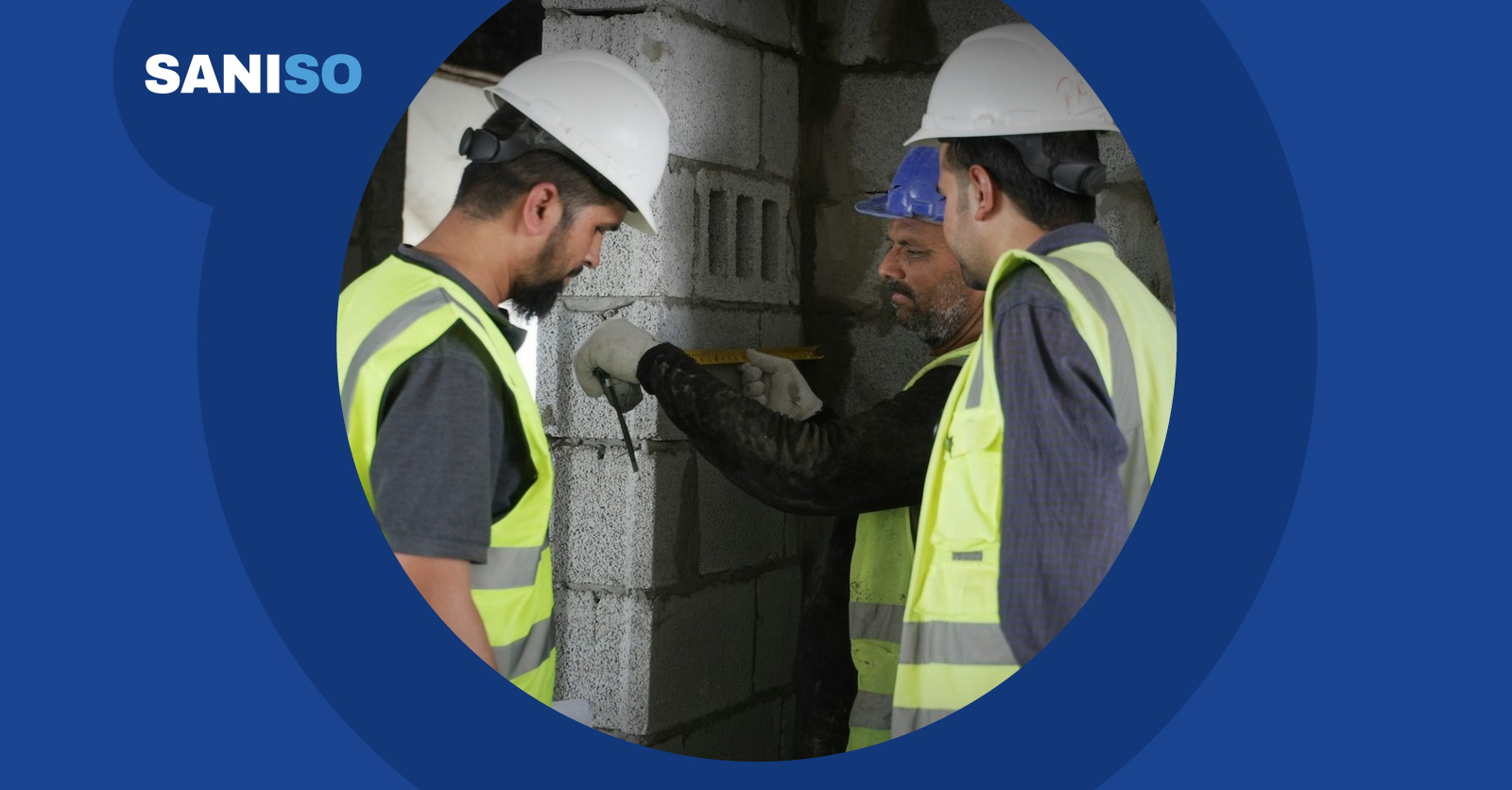
On site, you work at height, with heavy materials, dust and noisy machines.
Contractor, self-employed or renovating your own home: with good preparation and the right protection, you go home safe every day. This guide shows the risks, which personal protective equipment (PPE) suits each job and how to start safely.
A fall, an eye injury or years of breathing dust can cause permanent harm.
In the Netherlands, the Working Conditions Act (Arbowet) requires employers to provide safe and healthy working conditions. If risks cannot be removed otherwise, the employer provides suitable PPE free of charge. Similar rules apply across the EU. Always tackle the source first (for example dust extraction or a quieter machine), then PPE. Self-employed professionals working alongside others on site must follow safety rules too.
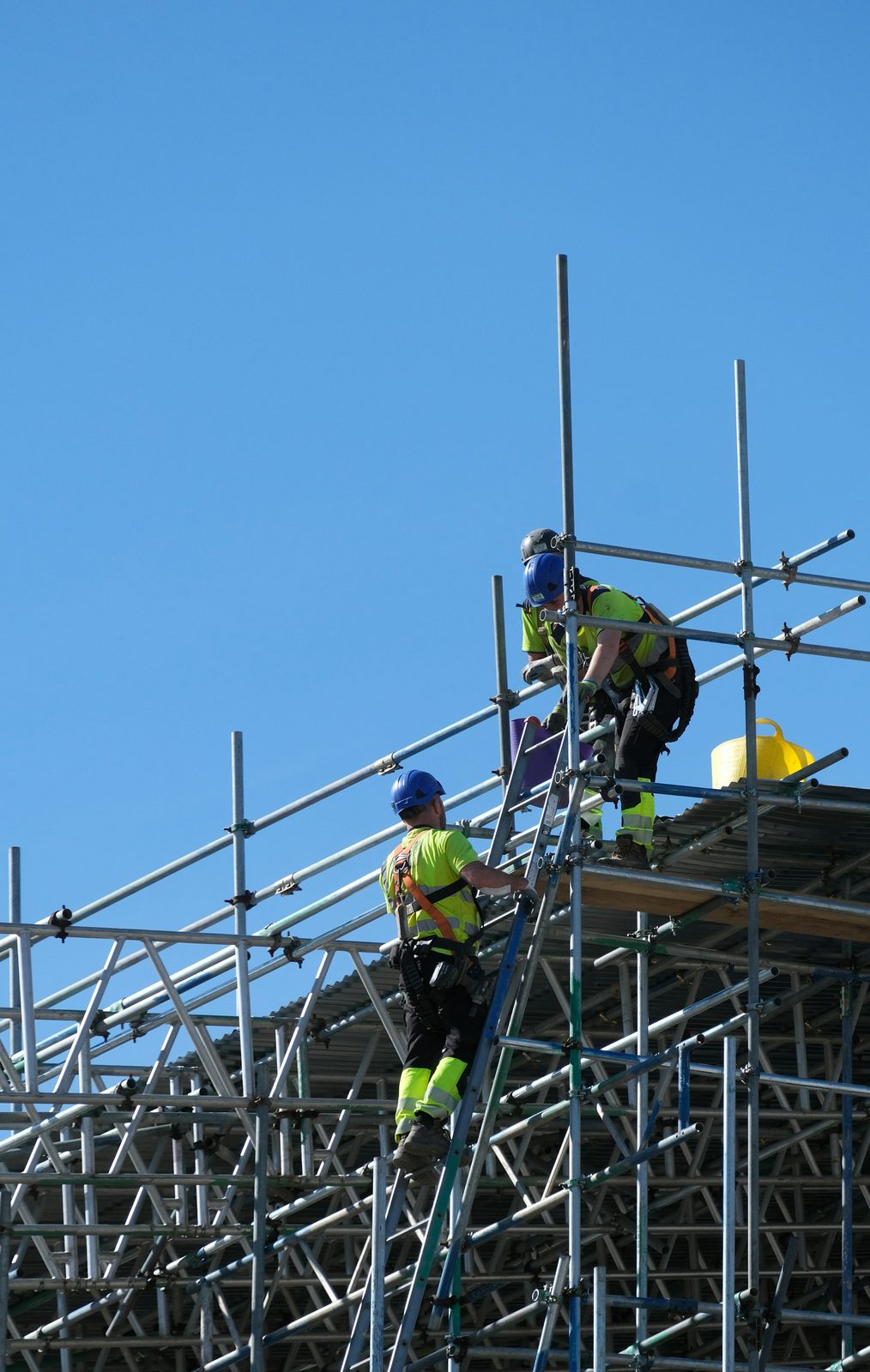
Under Dutch regulations, there is always a fall hazard from 2.5 metres, and lower near openings in the floor, for example.
A ladder is meant for access or short, light work:
💡 Tip: check rungs, feet and hinges before you climb. A ladder with a bent stile or loose rung does not belong on site.
PPE only works if it suits the risk and fits you. Choose per job, for example from our workwear & PPE range.
Sites are full of nails and rubble, and things can fall on your feet. S3 safety shoes have a protective toecap, a sole that protects against sharp objects piercing through, a water-resistant upper and a cleated outsole. The S3L and S3S variants use a non-metal protective sole. You will find them in our footwear range.
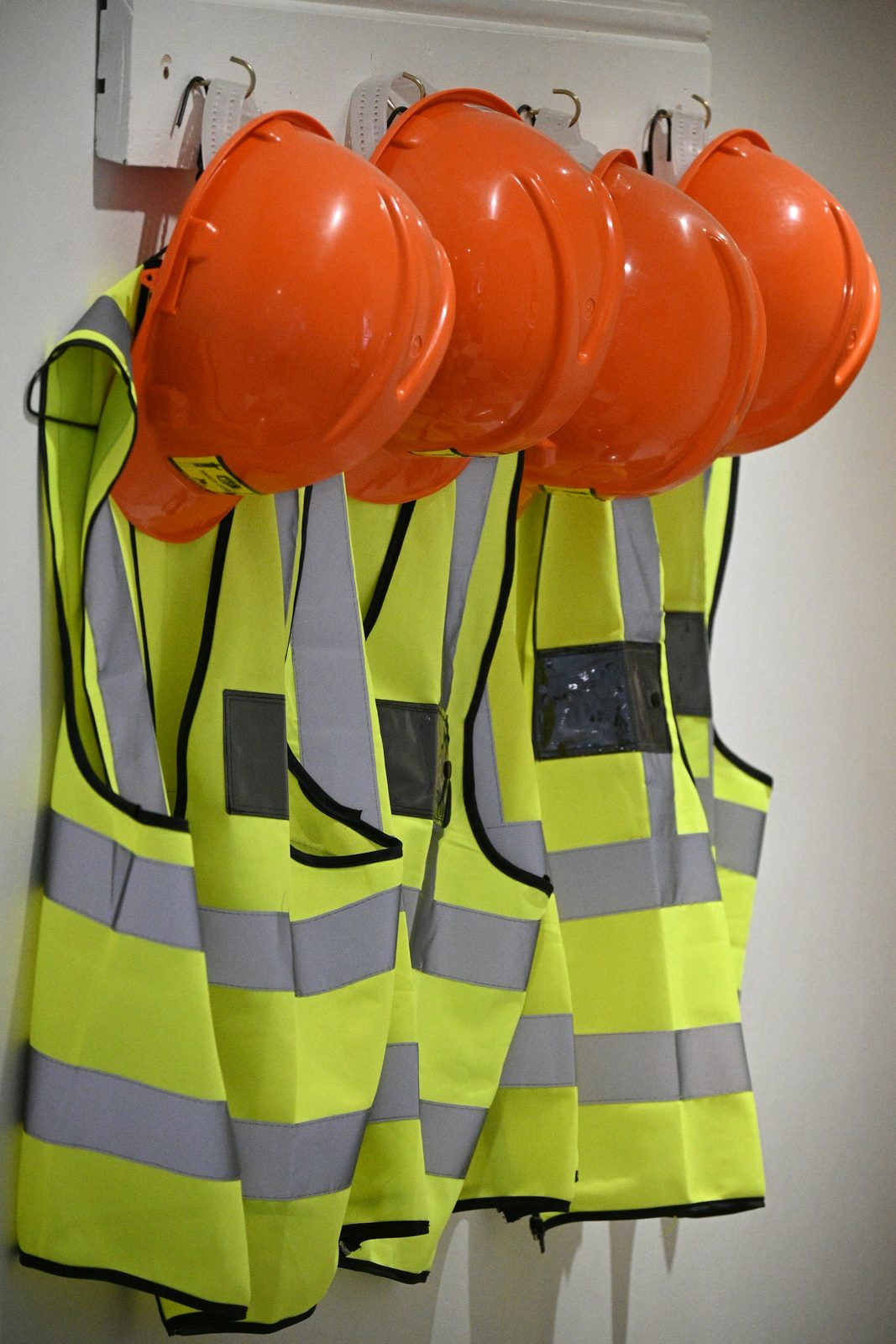
Wherever something can fall or you can bump your head. Choose an industrial safety helmet according to EN 397 and replace it after a heavy blow.
Wet cement and mortar irritate the skin, so wear work gloves for bricklaying and grouting too.
Wear safety glasses when drilling, grinding, sawing, chiselling or working overhead. See eye protection.
Rule of thumb for noise: if you can no longer understand someone at 1 metre, it is probably too loud. Then wear earplugs or earmuffs from our hearing protection range.
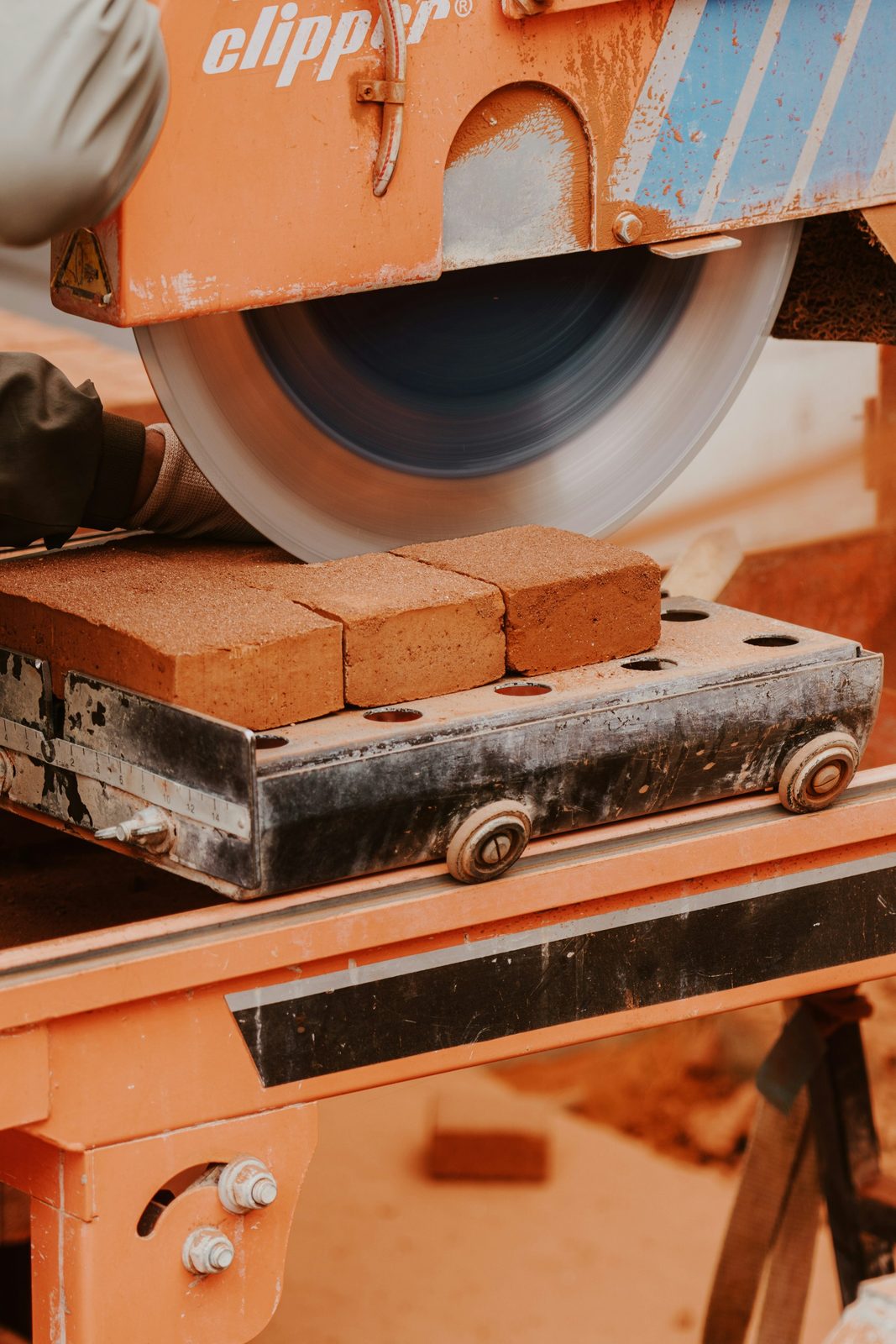
Sawing, grinding, drilling and chasing tiles, concrete, brick and natural stone releases fine silica (quartz) dust. Silica dust is carcinogenic, so avoid breathing it in.
💡 Tip: a dust mask only seals properly on a clean-shaven face. Stubble lets dust leak in.
Near traffic or moving machinery? Be seen with a high-visibility vest or other clothing according to EN ISO 20471.
💡 Tip: often on your knees, for example when laying floors? Wear knee pads.
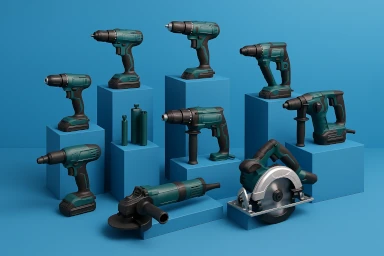
See also our power tools.
On a messy site, you trip easily. Tidying up is safety too.
💡 Tip: tidy up at a fixed moment at the end of every working day.
Labour safety law does not cover private individuals, but the risks are the same. Wear the same protection as a professional and keep a first aid kit at hand.
A Last Minute Risk Assessment (LMRA) is a short check you do at the workplace itself, just before the start of every job. Repeat it with every change at the workplace, such as different weather, new tools or a different work sequence, and after a break. You do not need to write anything down.
Ask yourself these questions:
Can you answer yes to all questions? Then you can start.
Not safe or in doubt? Stop and report it. Do not start; make the situation safe first. If that is not possible, report it to your supervisor, site manager or client and agree together on what is needed. As a DIYer, stop as well and call in a professional if necessary.
Use this checklist when preparing the job. Then, just before you actually start, do the LMRA above.
That depends on the job. Common items are S3 safety shoes, a helmet, work gloves and a high-visibility vest, plus eye and hearing protection, a dust mask or fall protection.
Both have a protective toecap, a closed, shock-absorbing heel and are antistatic. S3 shoes also have a water-resistant upper, a sole that protects against piercing and a cleated outsole.
A well-fitting FFP3 mask or a half mask with a P3 filter, in addition to working wet or with extraction.
Dutch regulations always treat 2.5 metres or more as a fall hazard, and lower heights too when there are extra risks, such as floor openings.
At about 75 degrees, on a firm, level surface, extending at least 1 metre above the landing point.
If you can no longer understand someone at 1 metre, it is probably too loud. Then wear hearing protection.
A short check just before the start of a job or with any change at the workplace. You run through questions about your task, the risks, PPE, tools and the workplace. If it is not safe, you stop and report it.
Labour safety law does not cover private individuals, but the risks are the same. So protect yourself just as well.
Yes. Our webshop offers workwear, safety shoes, gloves, helmets, eye and hearing protection, dust masks and fall protection. We deliver throughout Europe; delivery costs depend on the location.
Yes. Our showroom is at De Corantijn 95 in Zwaag, the Netherlands. Visits are by appointment; book at least 24 hours in advance.
Saniso, the online building supplies store for building and renovation, offers building materials, tools, workwear and PPE under one roof.
Saniso – Build your home with Saniso.
Share:
Grinding, sawing or breaking? Find out when noise is too loud for your ears, what the Dutch rules say, whether to choose...
SB, S1P, S3 or S5? How to choose safety shoes that suit your job. With the changes in the 2022 standard, tips on fit and...

Autumn is coming. Stay dry and warm at work with STALCO rainwear, warm workwear and lined work gloves from €2.81.
Buy nitrile work gloves built for construction, workshops, and industrial use. Chemical-resistant, durable, and availabl...