

.jpg)

Building facts #2: the history of the toilet and the sewer. From Indus drains and Roman latrines to the S-bend, London's...

Your online building supplies store for building and renovation
 English
✓
English
✓
 Nederlands
✓
Nederlands
✓
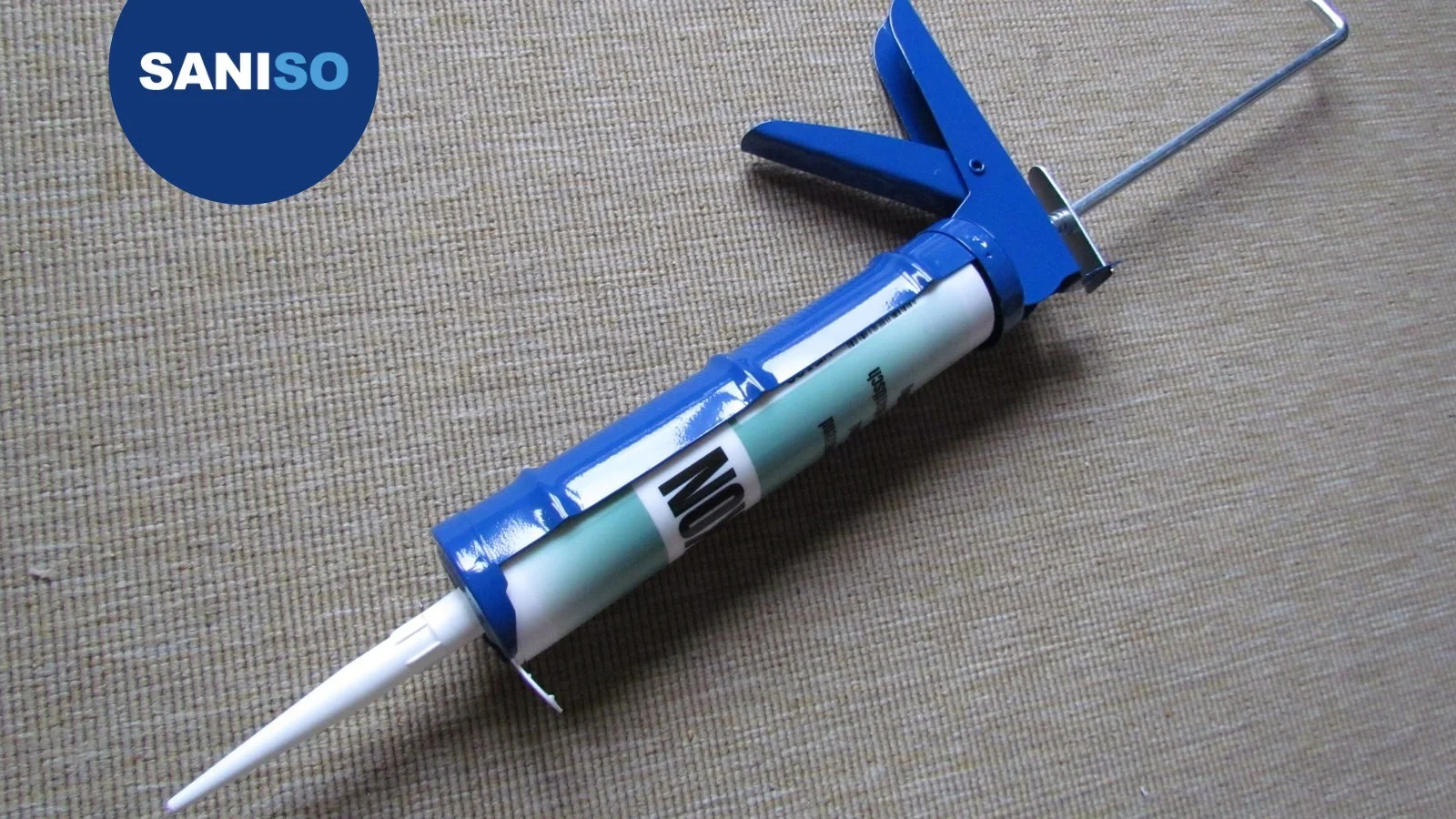
Photo: Frank C. Müller, Baden-Baden, Wikimedia Commons, licence CC BY-SA 3.0 (cropped)
Weekend DIY #1 · Every Saturday a new DIY job in and around the house
Black edges along the bath, a crack next to the shower tray, a sealant line that comes loose? Then this is your weekend job. Autumn is the perfect moment: you'll be spending more time indoors, and the bathroom works hard in the damp months. In this first edition of Weekend DIY we show you step by step how to remove old sealant and apply a neat, watertight new joint. With the time it takes, the difficulty, a materials list and safety tips.
This job at a glance
Time needed: About 2 to 4 hours of work for a bath and a washbasin (our estimate), plus 24 hours of curing time
Difficulty: 2 out of 5: easy for beginners who take their time
Cost: From €16.01 for knife, scraper, tape, sealant gun and one cartridge of sanitary silicone (Saniso prices)
Best moment: A morning, so the sealant can cure overnight before the next shower
Sealant joints age: they discolour, weather and get mould. According to sealant manufacturer Soudal, once a joint is damaged, replacing it is the only lasting solution. Watch out for these signs:
Good to know: a mouldy joint is mainly an aesthetic problem, not a hygienic one. But the damp and warmth that cause it are a sign your bathroom needs more fresh air.
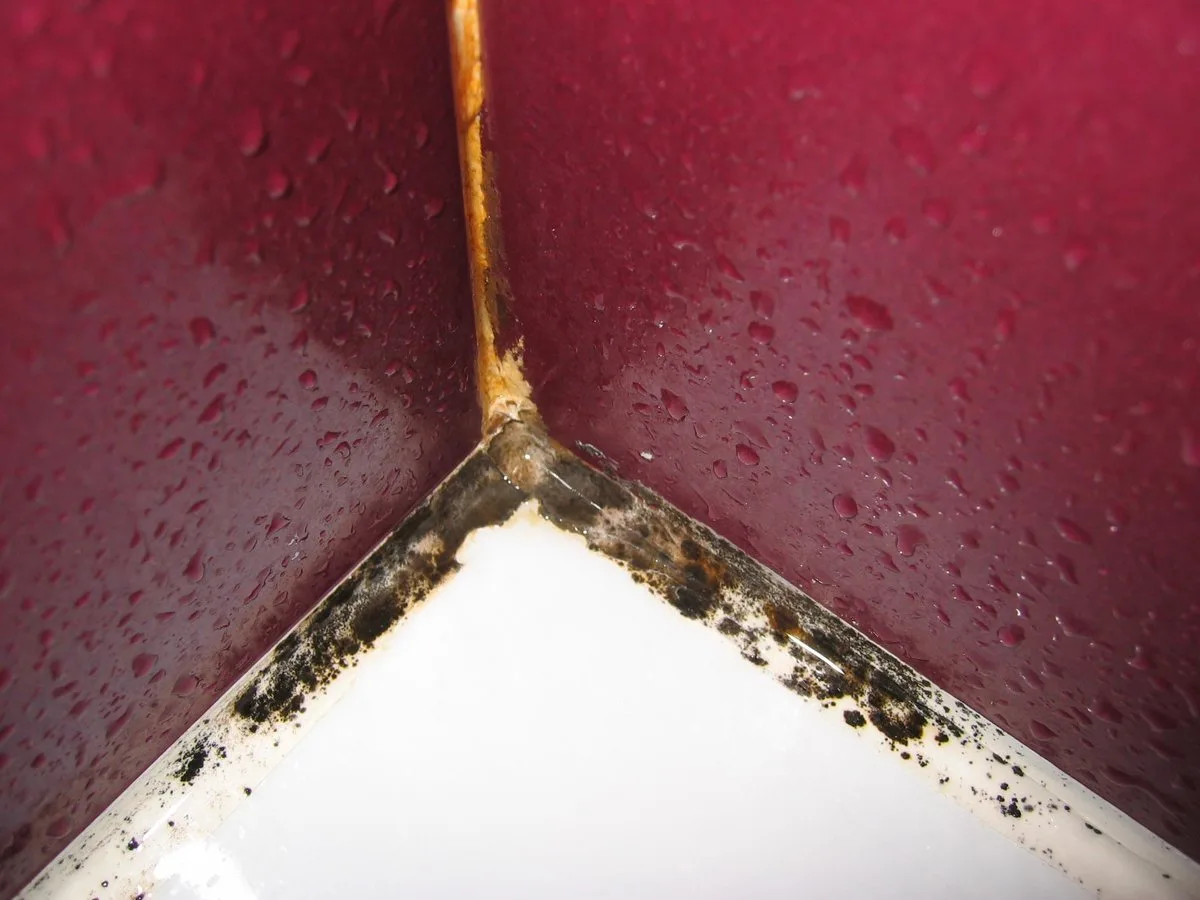
No, never. New sealant does not adhere well to old sealant, so it will soon come loose, and the mould underneath comes back quickly. Soudal puts it this way: new sealant only adheres to a fully clean, dry and grease-free surface, and even small residues can make a new joint fail early. So the old sealant has to come out completely.
Choose a sealant that says on the cartridge that it is suitable for sanitary use. Then there are two main types:
Got natural stone (marble, travertine) in your bathroom? Then choose a sealant that is specifically made for natural stone, to prevent stains. And remember: silicone sealant can't be painted over. Do you want to paint the joint? Then you need acrylic sealant, which is meant for dry spots such as walls and seams.
Mould grows almost only in damp, warm rooms. The checklist of the Vereniging Lijmen en Kitten helps your new joint last as long as possible:
Milieu Centraal also advises keeping tile joints in wet rooms clean and never mixing your own cleaning products with soda, bleach or chlorine.
Everything for this weekend job, from cutting loose to the last smooth stroke. The essentials (knife, scraper, tape, gun and one cartridge) together cost €16.01.
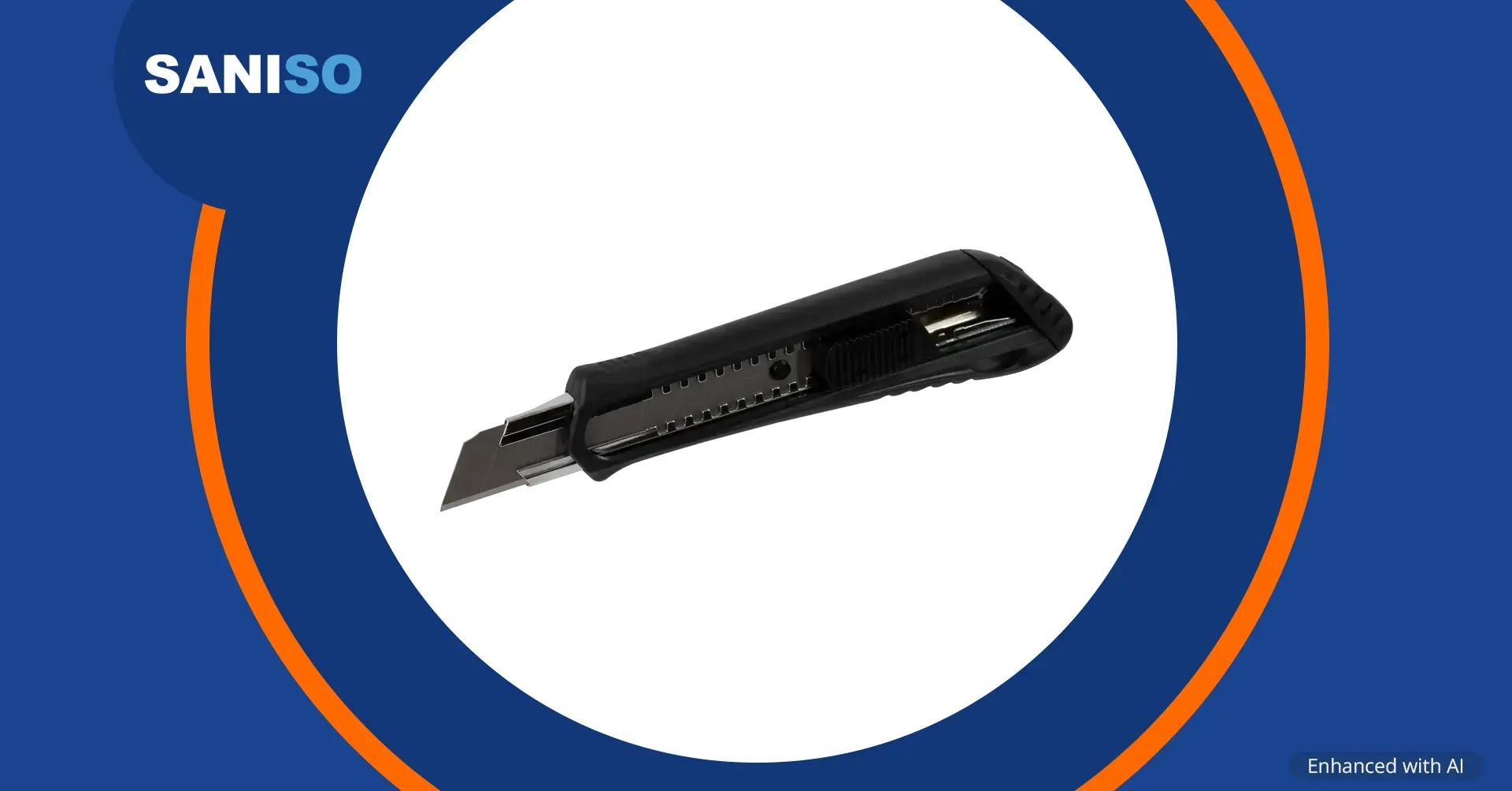
A snap-off knife with an ergonomic body, automatic blade lock and metal guides.
What is it for? Cutting the old sealant loose along both edges of the joint.
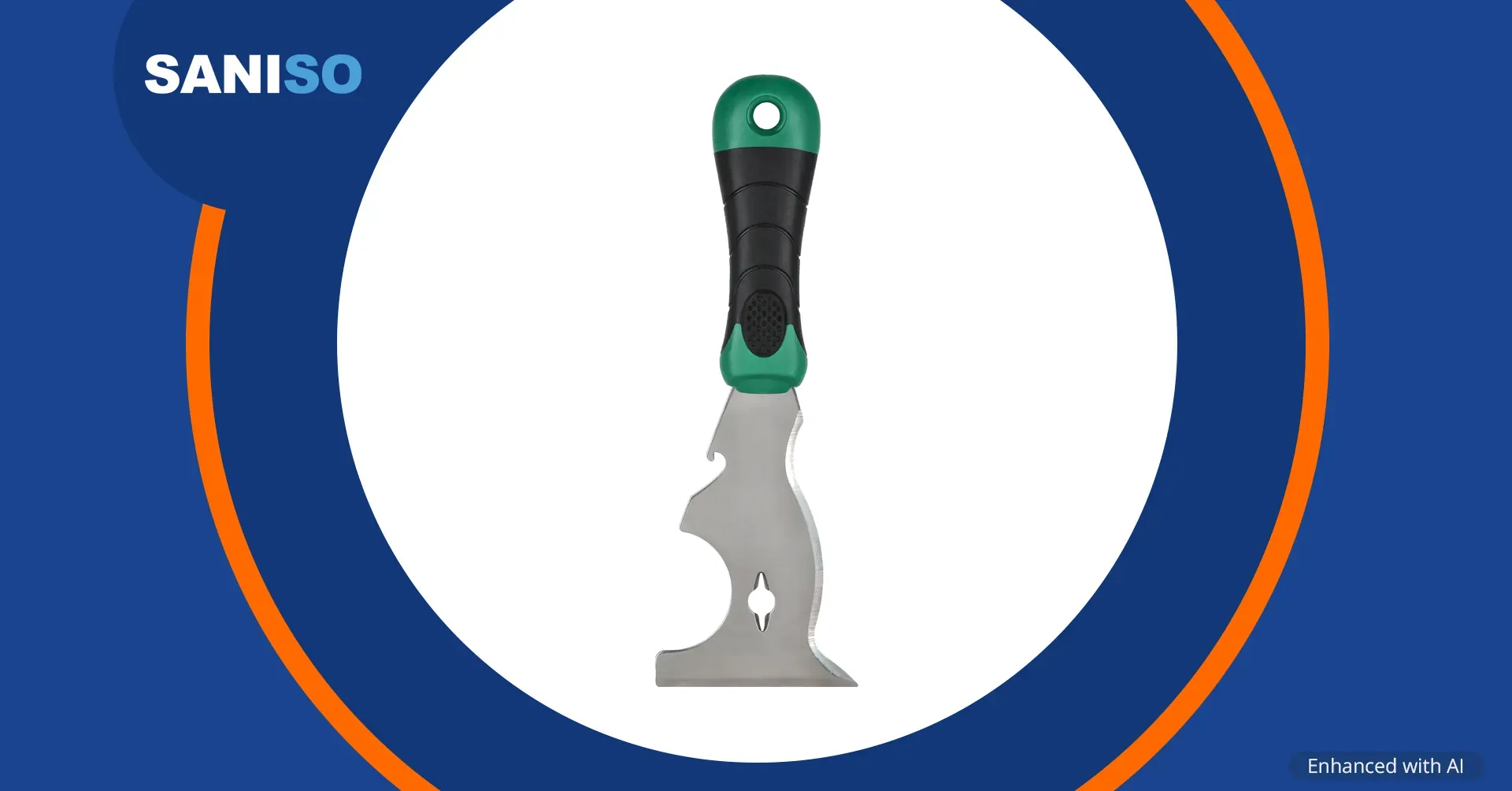
A steel multifunction scraper with an ergonomic handle.
What is it for? Scraping off the remaining sealant once you have pulled out the old strip.
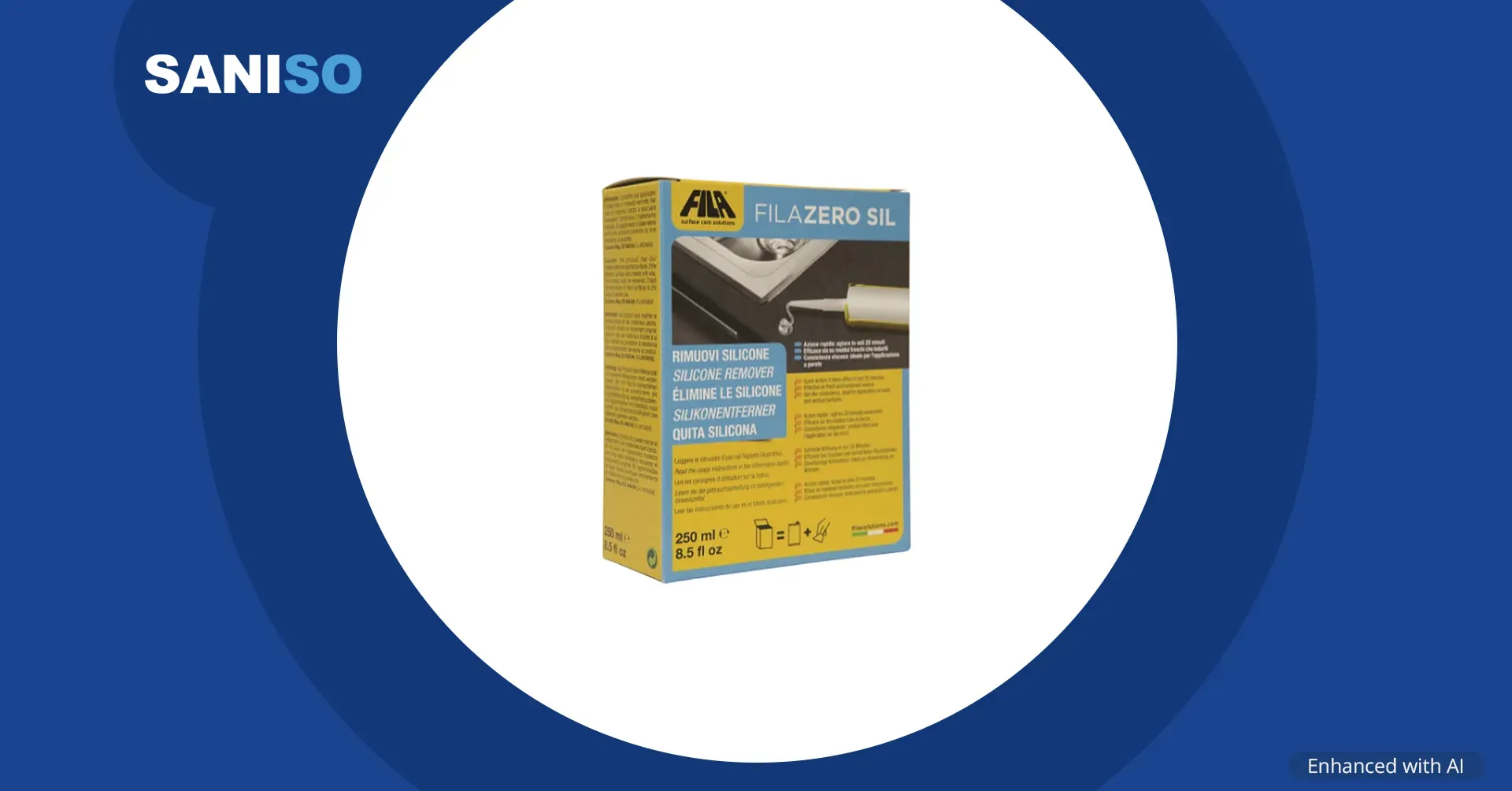
A ready-to-use, viscous remover that dissolves hardened silicone in about 20 minutes. Comes with a handy spatula and smells of citrus.
What is it for? Removing the last thin silicone residues that a knife and scraper can't get off.
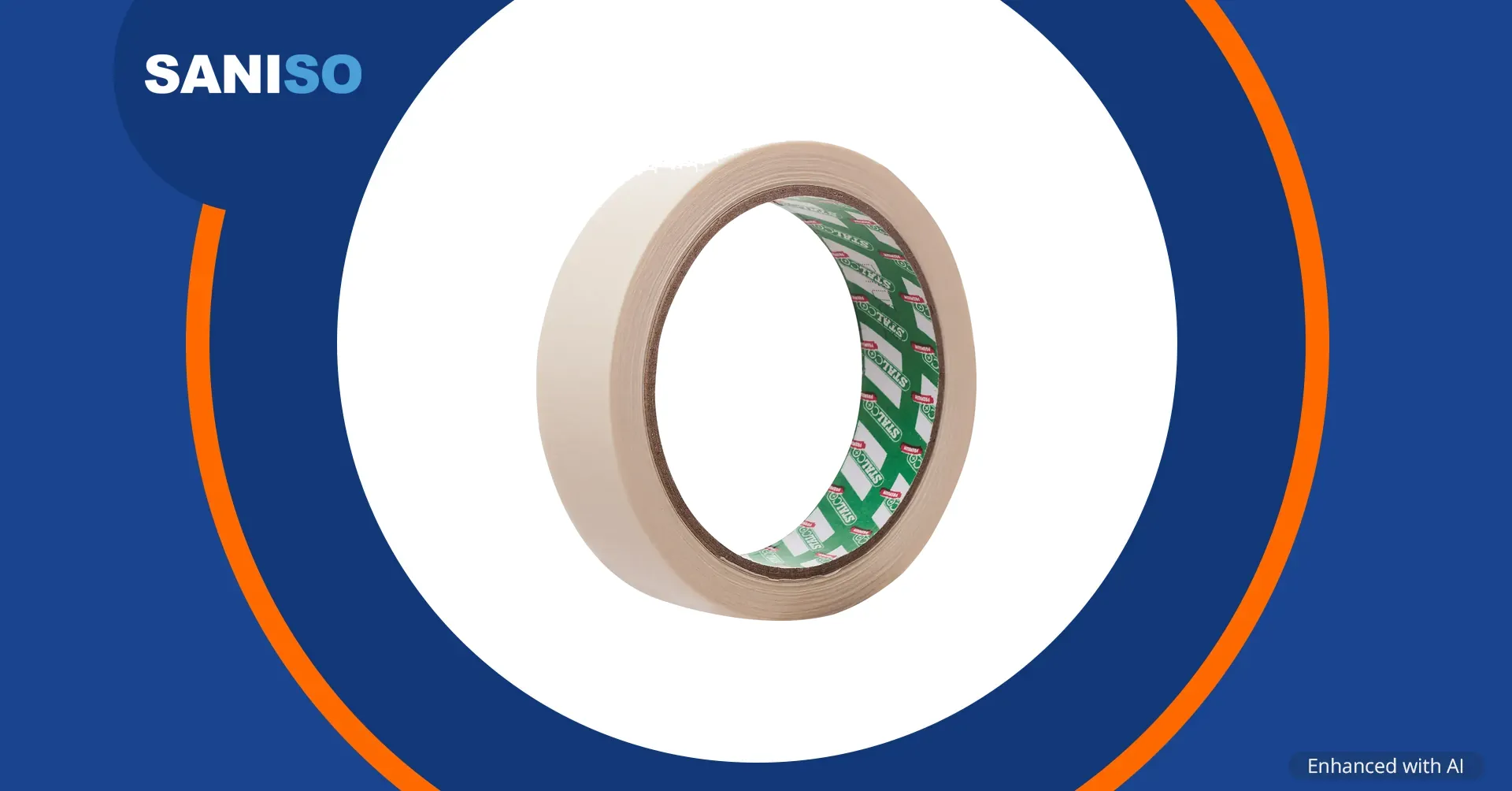
Crepe paper masking tape that tears by hand and comes off without leaving glue behind.
What is it for? Taping both sides of the joint so your new sealant line is perfectly straight.
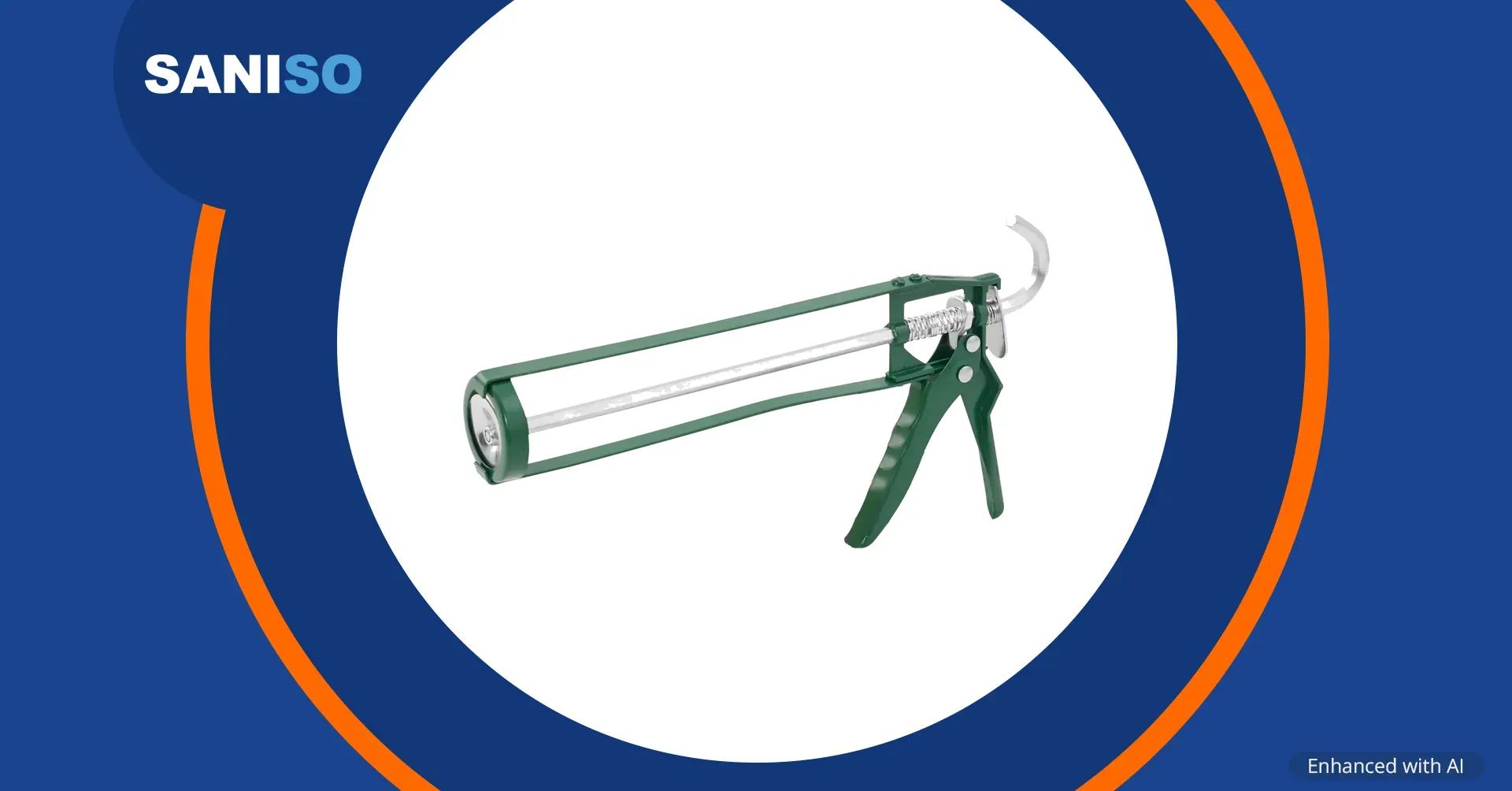
A sturdy steel skeleton gun for standard silicone cartridges, with a hexagonal pressure rod and drip protection: release the handle and the sealant stops flowing.
What is it for? Pressing the new sealant evenly into the joint, in one steady movement.
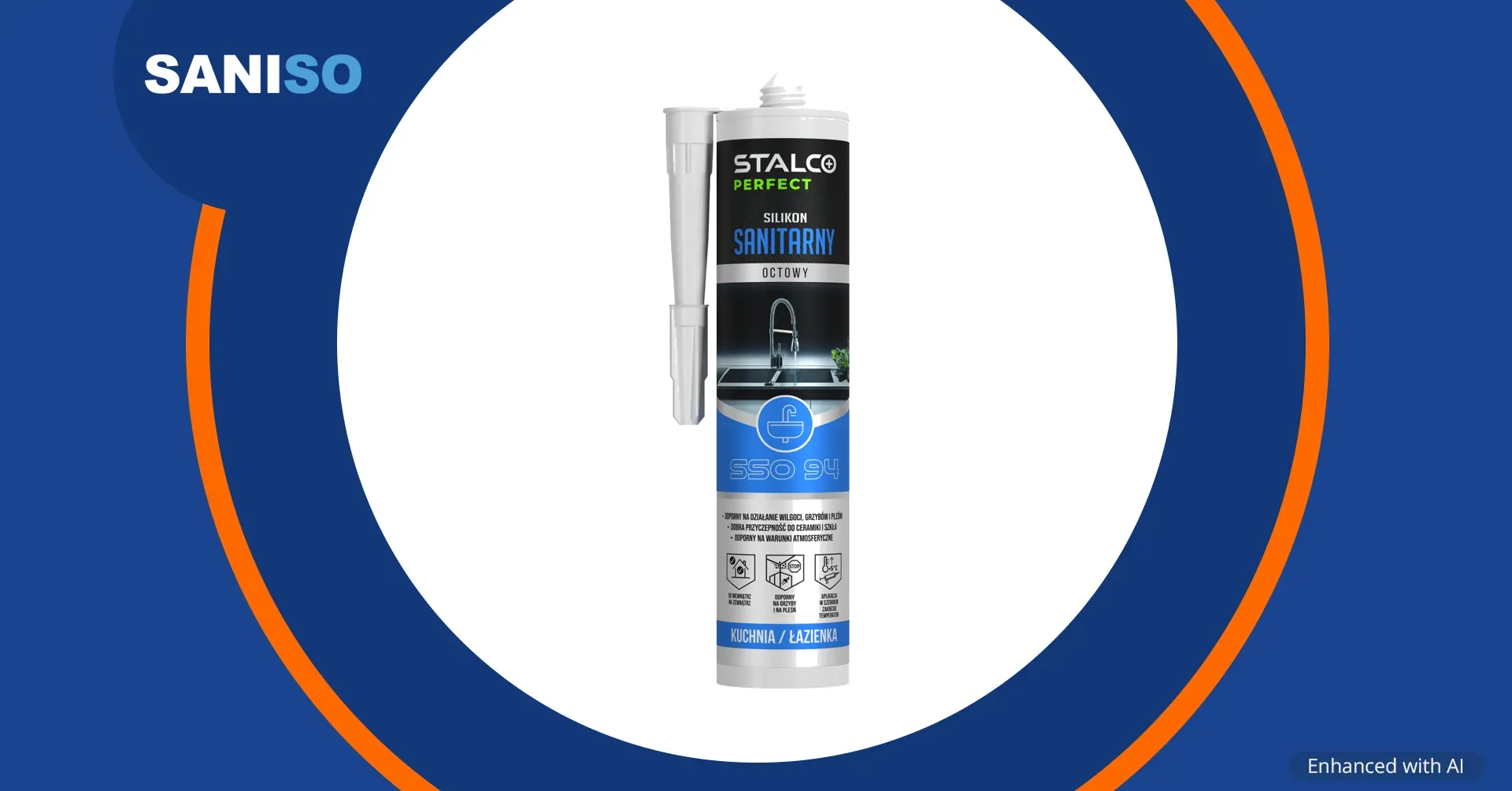
An acetic sanitary silicone that resists moisture, fungi and mould, is UV resistant and adheres well to glass, ceramics, brick and wood. Skin after about 20 minutes.
What is it for? The new joint between bath, shower tray or washbasin and glazed tiles.
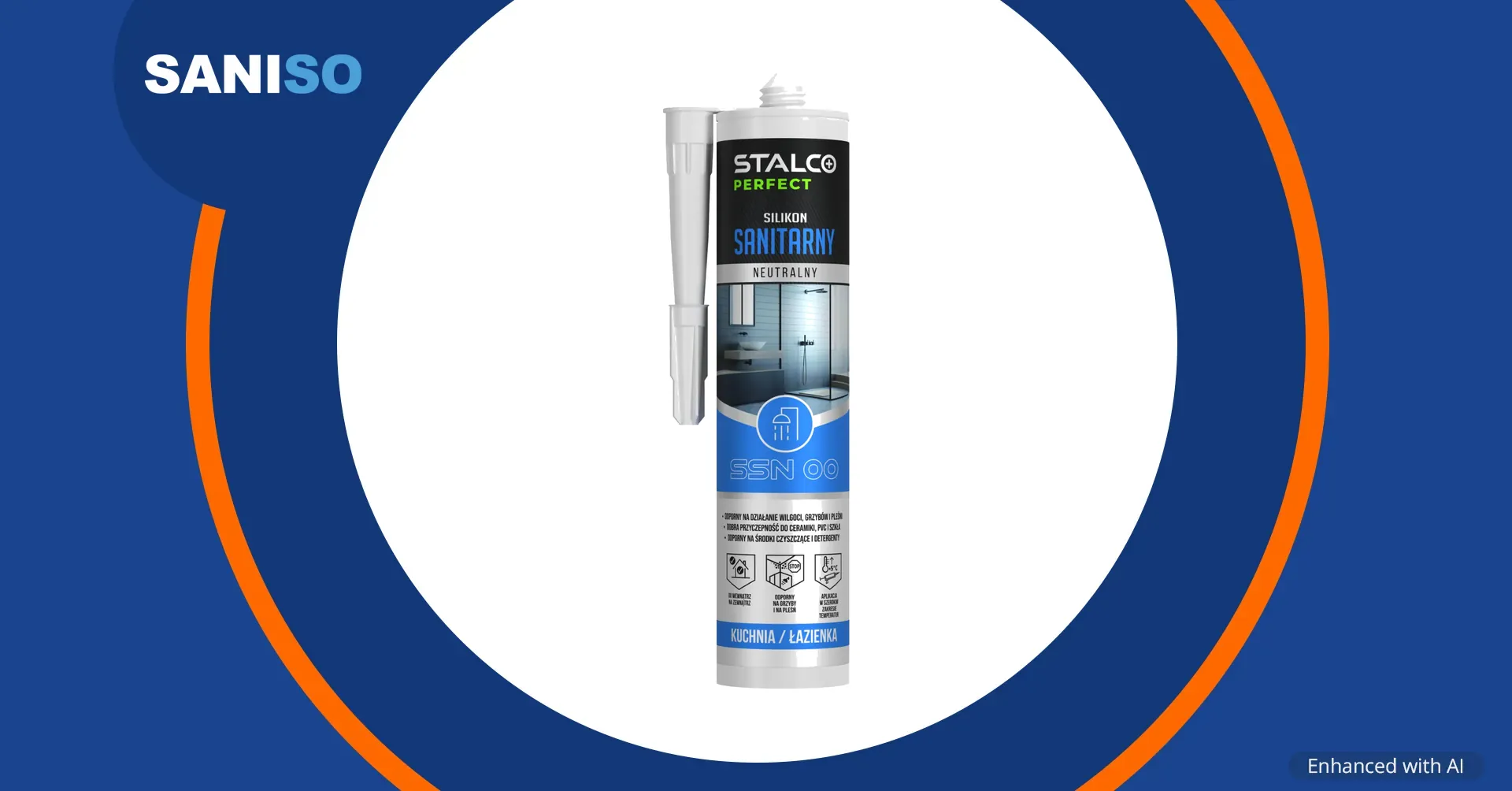
A neutral (oxime) sanitary silicone with antibacterial additives, resistant to cleaning agents. No vinegar smell.
What is it for? Joints next to bare metal or where you are unsure about the surface: the safe choice when in doubt.
Order on a workday before 15:00? Then your order is delivered the next workday, as long as it fits in a parcel. Pallet shipments have a different delivery time. Saniso has thousands of products in stock in the Netherlands.
Your first order is easy to place:
Want to know when there are new offers? Sign up for the newsletter: scroll to the bottom of any page on saniso.nl, enter your email address under "Newsletter" and click "Subscribe". You'll get updates on offers and discount vouchers, and we don't spam. With an account you also collect loyalty points for a discount on your next purchase.
Questions about ordering, your account, payment, shipping or returns? Find all the answers in the Saniso FAQ.
How often should you replace bathroom sealant?
There is no fixed term: manufacturers can't say how long a joint stays free of mould, because damp, ventilation and cleaning play a big role. Replace it as soon as it shows deep mould, cracks or loose edges.
Can I just clean mouldy sealant?
Light mould on the surface sometimes comes off with a mould remover. If the mould has grown into the sealant, cleaning usually disappoints and replacing is the better solution.
Can I apply new silicone over old sealant?
No. New sealant doesn't adhere well to old sealant and the mould underneath comes back quickly. Always remove the old sealant completely.
What is the difference between acetic and neutral silicone?
Acetic silicone releases acetic acid while curing and smells of vinegar. Neutral silicone smells little or nothing and is better next to bare metal and on cement-based surfaces. When in doubt, choose neutral.
Which silicone is best for natural stone?
A sealant made specifically for natural stone, so you prevent stains along the joint.
How long does silicone take to dry?
The STALCO sanitary silicone forms a skin after about 20 minutes and cures 2 to 3 mm per 24 hours. Most silicones need 24 hours before you can use the bath or shower again.
Why should I fill the bath with water before sealing?
A bath often sags slightly under the weight of the water. If you seal it in that position, the joint is filled at its widest and is less likely to tear later. It isn't necessary in every situation.
What do I use to smooth silicone?
An acid-free soap solution in a spray bottle and a wet finger or sealant spatula. Smooth within 5 to 10 minutes, before a skin forms.
When do I remove the masking tape?
Immediately after smoothing, before the sealant forms a skin. Pull the tape back over itself, away from the joint.
How wide should a sealant joint be?
Bison advises a joint of at least 6 mm and at most 20 mm wide. Up to 12 mm wide, keep a depth of about 6 mm.
Can I paint over silicone?
No, silicone sealant can't be painted over. For a joint you want to paint, use acrylic sealant in a dry spot.
How much sealant do I need?
According to Bison, one cartridge does about 8 to 15 metres of joint, depending on the width. For a bath and a washbasin, one cartridge is usually enough, but keep a spare one at hand.
Which products do I need for this job?
A snap-off knife (€2.01), a scraper (€4.26), masking tape (€0.94), a sealant gun (€3.61) and sanitary silicone (€5.19, or neutral €7.20). Silicone remover (€32.97) saves a lot of scraping.
What is the delivery time at Saniso?
Order on a workday before 15:00 and it's delivered the next workday, as long as it fits in a parcel. Pallet shipments have a different delivery time.
Do the prices include VAT?
This blog shows every price including and excluding VAT. At checkout on saniso.nl, prices are shown including VAT.
Weekend DIY is a new series: every Saturday morning a fun, doable job in and around the house. This is edition #1, and next Saturday brings a new job.
Share:
Building facts #2: the history of the toilet and the sewer. From Indus drains and Roman latrines to the S-bend, London's...

Draught-proofing, shutting off the outdoor tap, clearing gutters and bleeding radiators: how to get your home ready for...
Building facts #1: the history of the brick. From mud brick and Roman legion stamps to Dutch river clay, waalformaat and...

Saniso in property development: supply, bathroom installation, tiling and finishing from one partner. How we approach Th...