

Building facts #2: the history of the toilet and the sewer. From Indus drains and Roman latrines to the S-bend, London's...

Your online building supplies store for building and renovation
 English
✓
English
✓
 Nederlands
✓
Nederlands
✓

The leaves are falling, the days are getting shorter and the first night frost is on its way. Now is the time to get your home ready for winter. A few practical autumn jobs will keep the warmth in, prevent frost damage to pipes and taps, and let you start the heating season with peace of mind.
In this guide you will read how to tackle draughts, protect your outdoor tap and water pipes, check gutters and window frames, prepare your heating and get your garden and terrace ready. At the end you will find a handy checklist and an overview of the tools and materials you need.
In autumn it is usually still dry and mild enough to work outdoors. Many sealants, for example, have a minimum application temperature, and a gutter full of rotting leaves is best cleared before the winter rain sets in. If you wait until it freezes, you run the risk that an outdoor tap or a pipe in a cold shed has already burst.
Good maintenance also prevents bigger damage later, such as leaks, wood rot and damp in the house. And a home without draughts simply feels more comfortable, while you waste less energy.
Draughts often come from places you don't immediately think of: around windows and doors, through the letterbox, around the crawl space hatch or under the front door. The right solution depends on the type of gap.
Clean and degrease the frame thoroughly first, especially if you use self-adhesive draught tape. Otherwise it will soon come loose again.
💡 Tip: never make your home airtight. Keep ventilation grilles open and clean them before the heating season. Also leave a gap of about 2 cm under interior doors so air can keep circulating through the house. This prevents damp and mould.
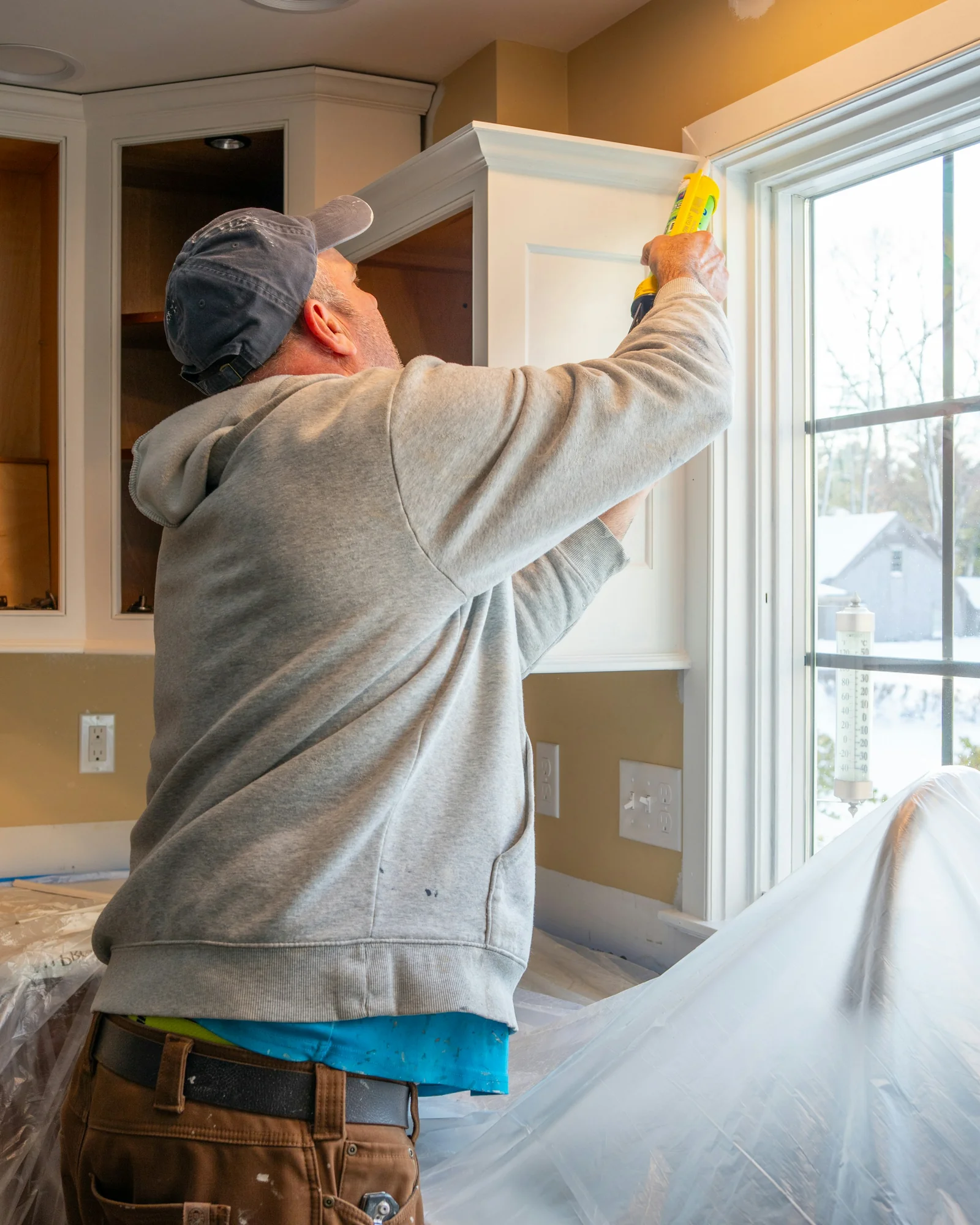
Outdoor joints need a sealant that can handle rain and frost. Speedline Top Acrylic is an acrylic sealant that, according to the manufacturer, is immediately rain-resistant and paintable, and is intended among other things for connection joints around window and door frames. For indoors, the fast-drying acrylic sealant from STALCO PERFECT is an option: it is intended for window and door frames and window sills indoors, among other uses, and can be sanded and painted once cured.
Silicone sealant is also elastic and water-resistant, but it cannot be painted over. If you want to paint the joint along with the frame later, choose a paintable acrylic sealant.
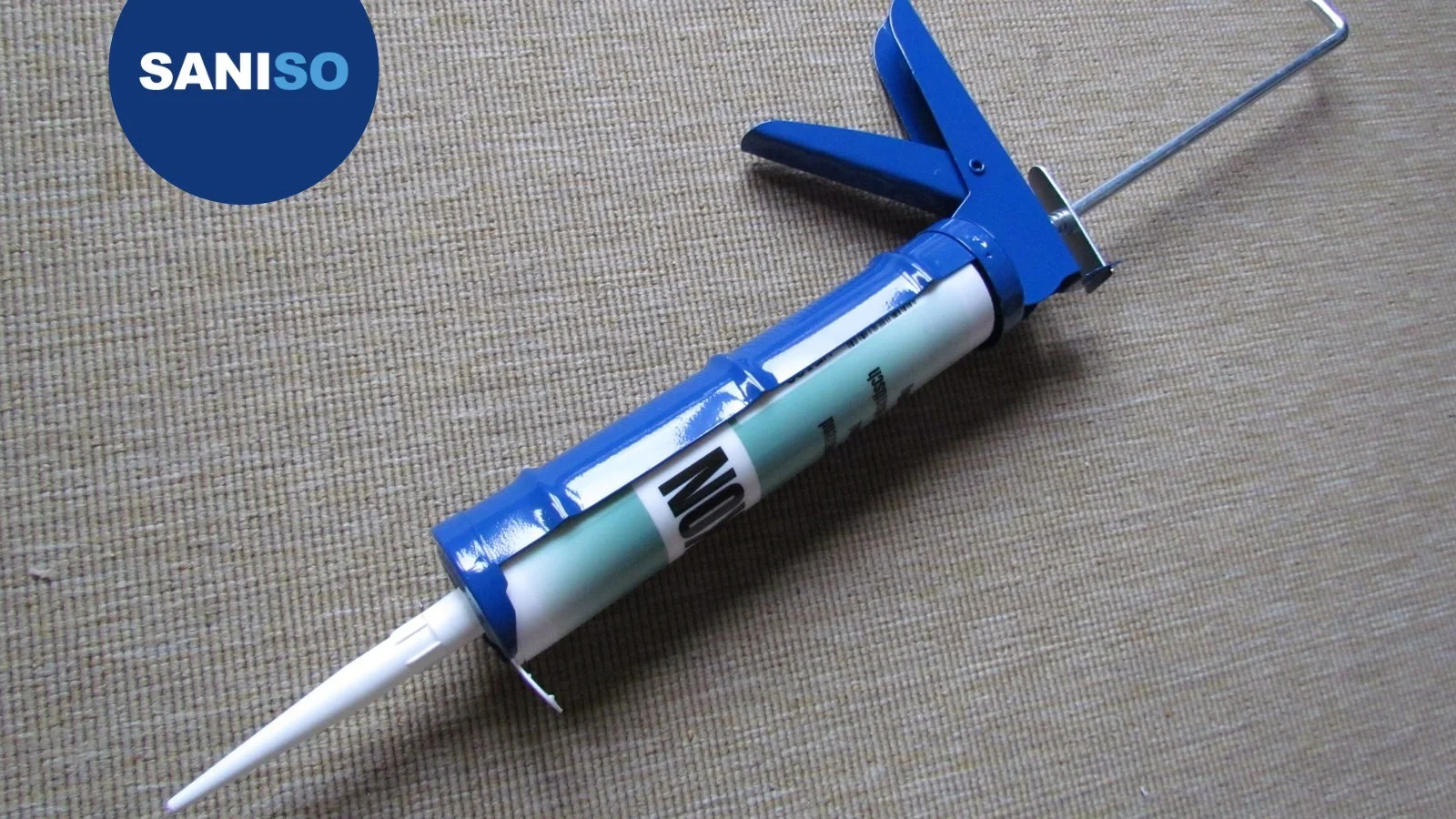
You apply the sealant with a caulking gun, such as this STALCO sealant gun for standard cartridges. Larger cavities around a frame are filled with PU foam during installation, for example STALCO PUP 23 universal gun foam, which you apply with a foam gun. Bear in mind that sealant and PU foam bond to the surface and are therefore hard to recycle later. For fixed joints, compression tape is a good alternative.
💡 Tip: always check the application temperature on the packaging. According to the manufacturer, both acrylic sealants above can be applied from +5 °C, on a clean, dry and dust-free surface. So plan outdoor sealing work for a dry, not too cold autumn day.
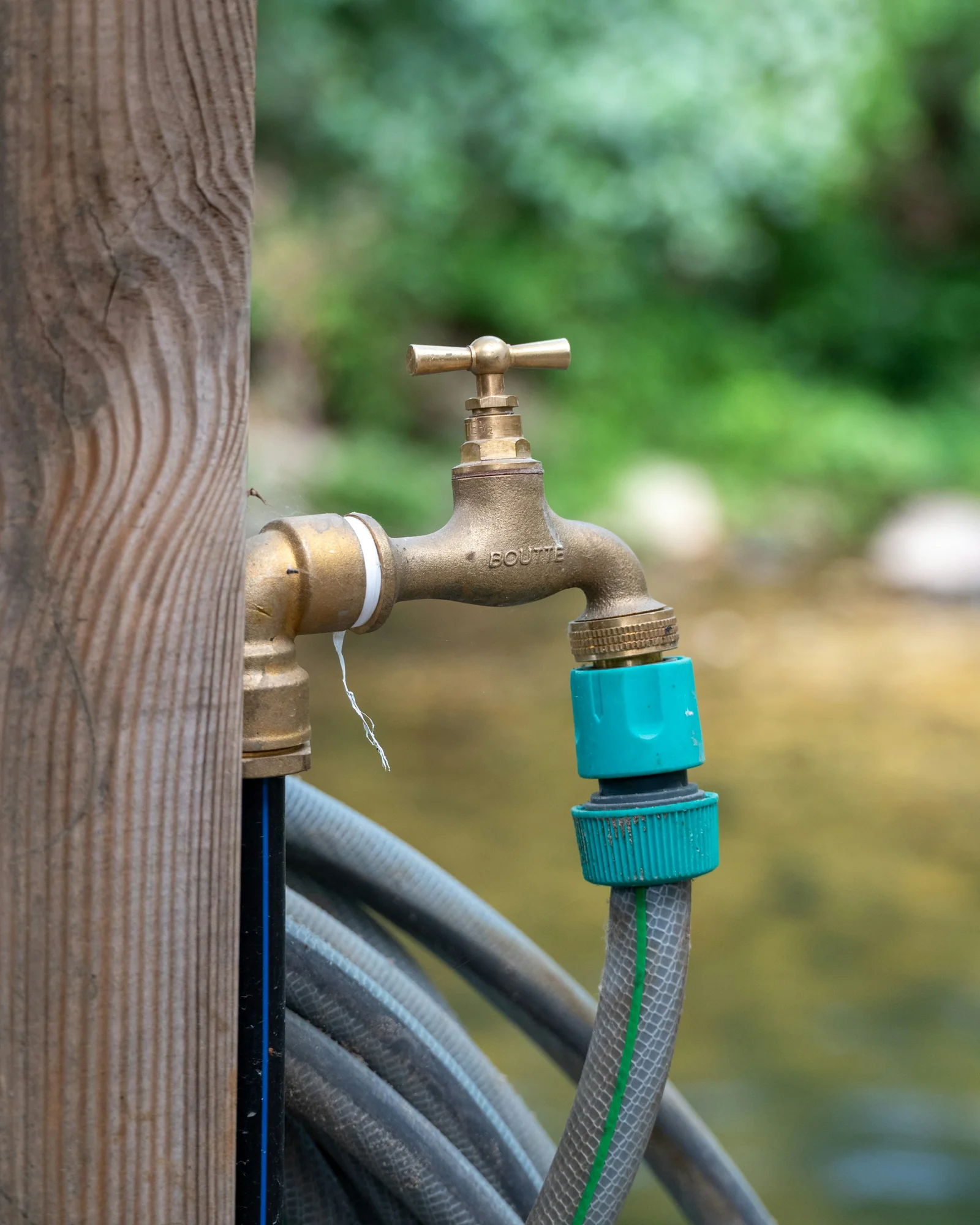
Water expands when it freezes. If there is still water in the pipe to your outdoor tap, it can burst in frosty weather, causing leaks and water damage. So shut off your outdoor tap before the first night frost. Here's how:
Advice on the outdoor tap itself varies: some water companies recommend leaving it open, others recommend closing it again. Follow the advice of your own water company. Do the same with taps and pipes in a shed, garage or other space that is not frost-free. Also drain the garden hose and store it away.
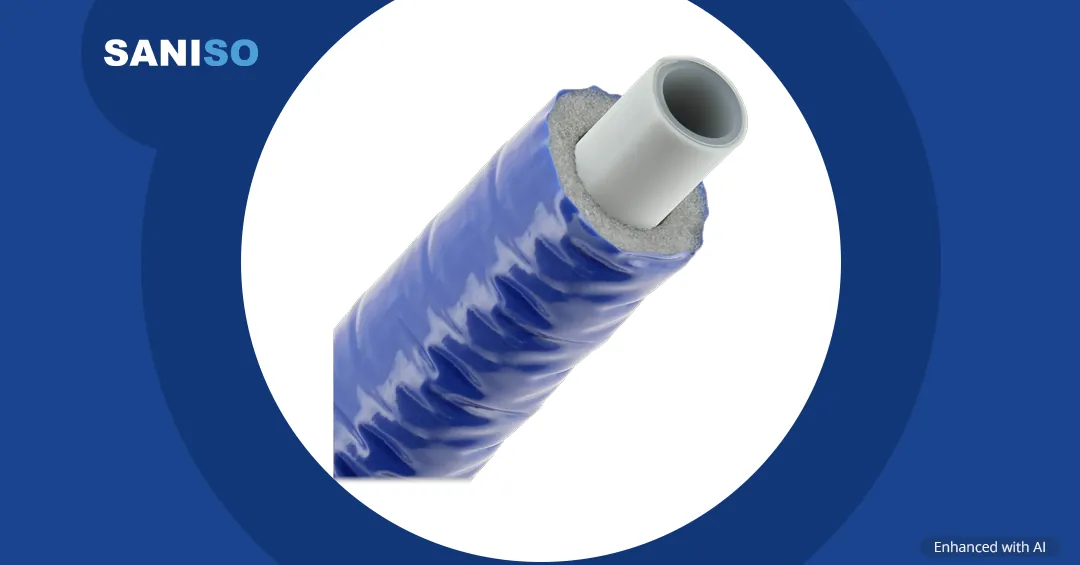
Pipes in unheated spaces, such as a basement, garage or crawl space, can freeze as well. Give them an insulating jacket, for example with PE foam pipe insulation. If your water meter and main stopcock are in a cold space, wrap them in insulating material, such as an old blanket or bubble wrap, and seal the gaps in that space. Never block a ventilation grille completely.
💡 Tip: has a pipe frozen anyway? Close the main stopcock and thaw the pipe carefully with a hairdryer or a warm cloth. If a pipe or the water meter has cracked, contact a plumber or your water company.
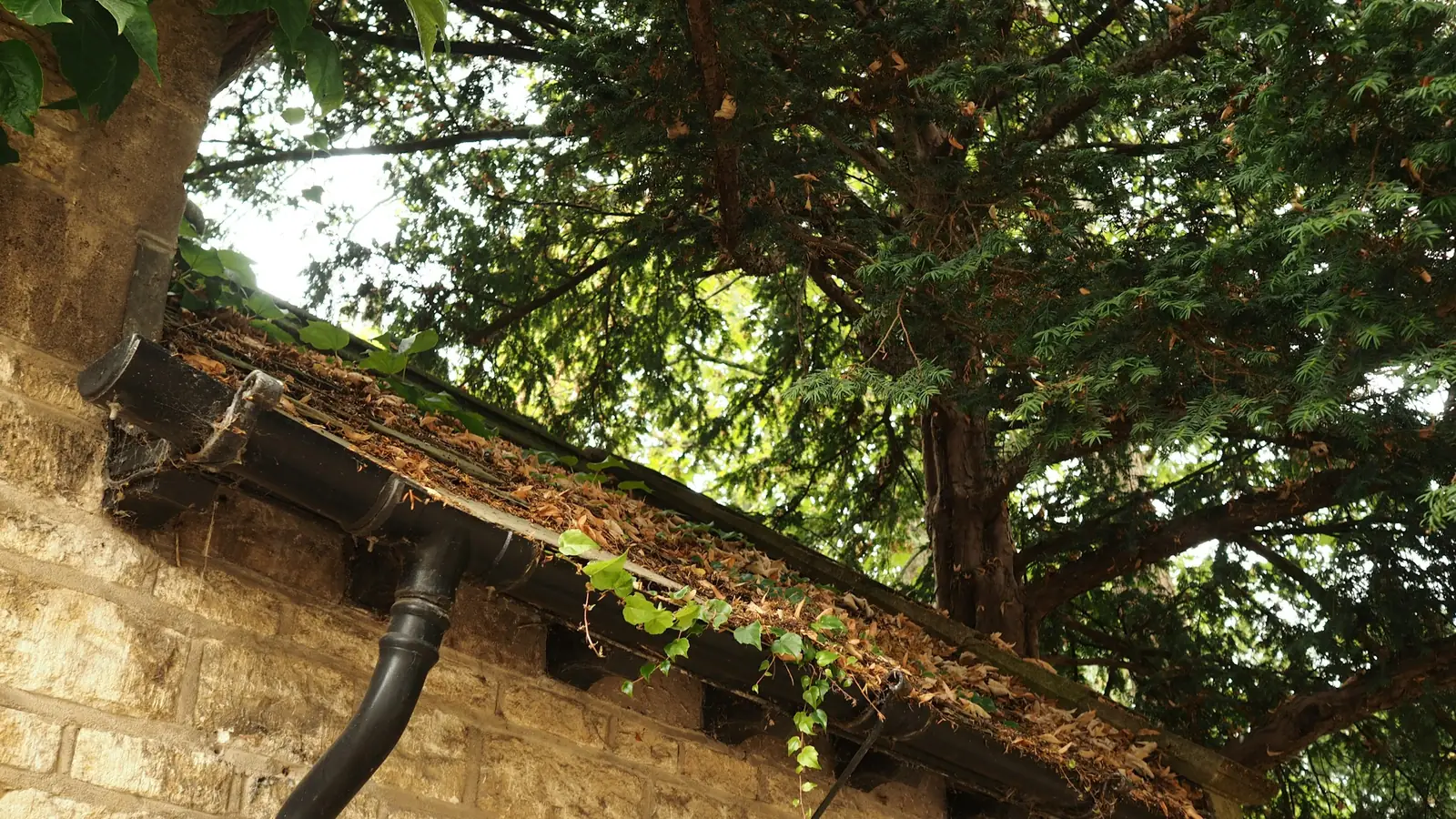
When the trees shed their leaves, gutters and downpipes quickly become blocked. The water then overflows, runs down the façade or stays on a flat roof. That can cause leaks.
Use a sturdy ladder that suits the height, such as this STALCO industrial ladder, made to the EN 131 standard. Place the ladder on a level, firm surface at an angle of about 75 degrees. If you step off onto a flat roof, the ladder must extend at least 1 metre above the landing point. Wear gloves for cold and wet work, for example the lined STALCO YETI gloves, which protect against cold and moisture. You can read more tips in our guide to safe working on the construction site.
Is your roof high, steep or hard to reach? Then have the gutters cleaned by a professional.
Go into winter with window frames whose paintwork is in good condition. Clean them, including the window rebates, because that is where dirt builds up. Then check for cracks, splits, blisters or bare patches. Repair them so the woodwork is not damaged further. If there is no time to paint properly before winter, you can protect bare patches with a coat of primer to get through the winter, and have everything painted properly in spring.
Also check the sealant joints around frames and window sills. If the sealant is cracked or coming loose, remove it, clean and dry the joint and apply new sealant.
Finally, look at the brickwork and pointing. Water and pests can get in through holes and cracks. Cracks in the façade can also point to a structural problem: in that case have them assessed by a specialist. Also clean the ventilation grilles in the façade and the open vertical joints (weep vents), as these ventilate the crawl space and the cavity wall.
💡 Tip: want to give a porous exterior wall extra protection against moisture and green growth? Fila Hydrorep Eco is a water-repellent treatment that does not form a film and lets the material breathe. Test it first on a small, inconspicuous area and don't apply it if rain is expected.
Insulation is the basis of a warm, energy-efficient home. Start by finding out what is already insulated. The year of construction gives a first indication: in the Netherlands, homes built before 1975 were insulated little or not at all when they were built, and from 2000 onwards insulation is usually reasonable to good. If improvements have been made since, the picture is different.
Insulation and ventilation go hand in hand. Good insulation without ventilation increases the risk of damp air, mould and wood rot. If you are unsure about the approach, ask an energy adviser or an energy advice desk for help.
Check your heating system before it gets really cold. There are a few things you can do yourself:
Do not work on the boiler itself, a gas water heater, gas fire or gas heater, or the flue yourself. In the Netherlands, installation, maintenance and repair must be done by a company with a CO-vrij certificate. These companies are listed in the public Register gasverbrandingsinstallaties and can be recognised by the CO-vrij logo. Have your gas appliance checked at least once every two years and fit a carbon monoxide alarm. Do you have a heat pump? It needs little maintenance, but should also be serviced periodically.
💡 Tip: does the water pressure keep dropping, or does a radiator stay cold after bleeding? Something else may be wrong, such as a leak. Have the system checked by a certified installer.
Outdoors, too, a few jobs will make winter easier:
Water that soaks into a porous tile expands when it freezes. This can make tiles crack or crumble. When choosing outdoor tiles, always check the product specifications to see whether the tile is classed as frost-resistant. For ceramic tiles, water absorption says a lot: tiles in group BIa under EN 14411 absorb no more than 0.5 per cent water. Frost resistance itself is tested according to EN ISO 10545-12. If in doubt, ask the supplier.
With these items you are prepared for most of the autumn jobs in this guide:
Preferably before the first night frost. Close the stop valve, open the drain valve and the outdoor tap and let the pipe drain. Then close the drain valve again.
At least once a year, and twice if you live in a wooded area. Always clean zinc gutters before winter, before the leaves start to rot.
You can bleed the radiators and top up the system yourself. In the Netherlands, installation, maintenance and repair of the boiler must be carried out by a company with a CO-vrij certificate. Have the system checked at least once every two years.
Bleed them if you hear gurgling noises or if a radiator stays cold at the top, and in any case after topping up. With an older central heating system, bleeding a few times a year is sensible. Always check the water pressure afterwards.
That depends on the sealant. Check the application temperature on the packaging. According to the manufacturer, the acrylic sealants in this guide can be applied from +5 °C. Work on a clean, dry surface and choose a sealant that is suitable for outdoor use.
Check the product specifications to see whether the tile is classed as frost-resistant. For ceramic tiles, low water absorption, such as group BIa with no more than 0.5 per cent, indicates suitability for outdoor use.
No. Do seal gaps and joints, but keep ventilation grilles open and clean them. Your home needs fresh air to prevent damp and mould.
At Saniso, the online DIY store for building and renovating, you will find materials and tools for your autumn jobs.
Saniso – Build your home with Saniso.
Share:
Building facts #2: the history of the toilet and the sewer. From Indus drains and Roman latrines to the S-bend, London's...
Old, mouldy silicone in your bathroom? Reseal it yourself in one weekend: tools, 12 clear steps, mould prevention and sa...
Building facts #1: the history of the brick. From mud brick and Roman legion stamps to Dutch river clay, waalformaat and...
BONFIX Alupers multilayer pipe for plumbing and heating: ISO rolls and Alu-press fittings 16–40 mm at Saniso.