





A dripping tap is a typical job that gets left undone. With the right pliers, a few spare parts and a quiet Saturday mor...

Your online building supplies store for building and renovation
 English
✓
English
✓
 Nederlands
✓
Nederlands
✓
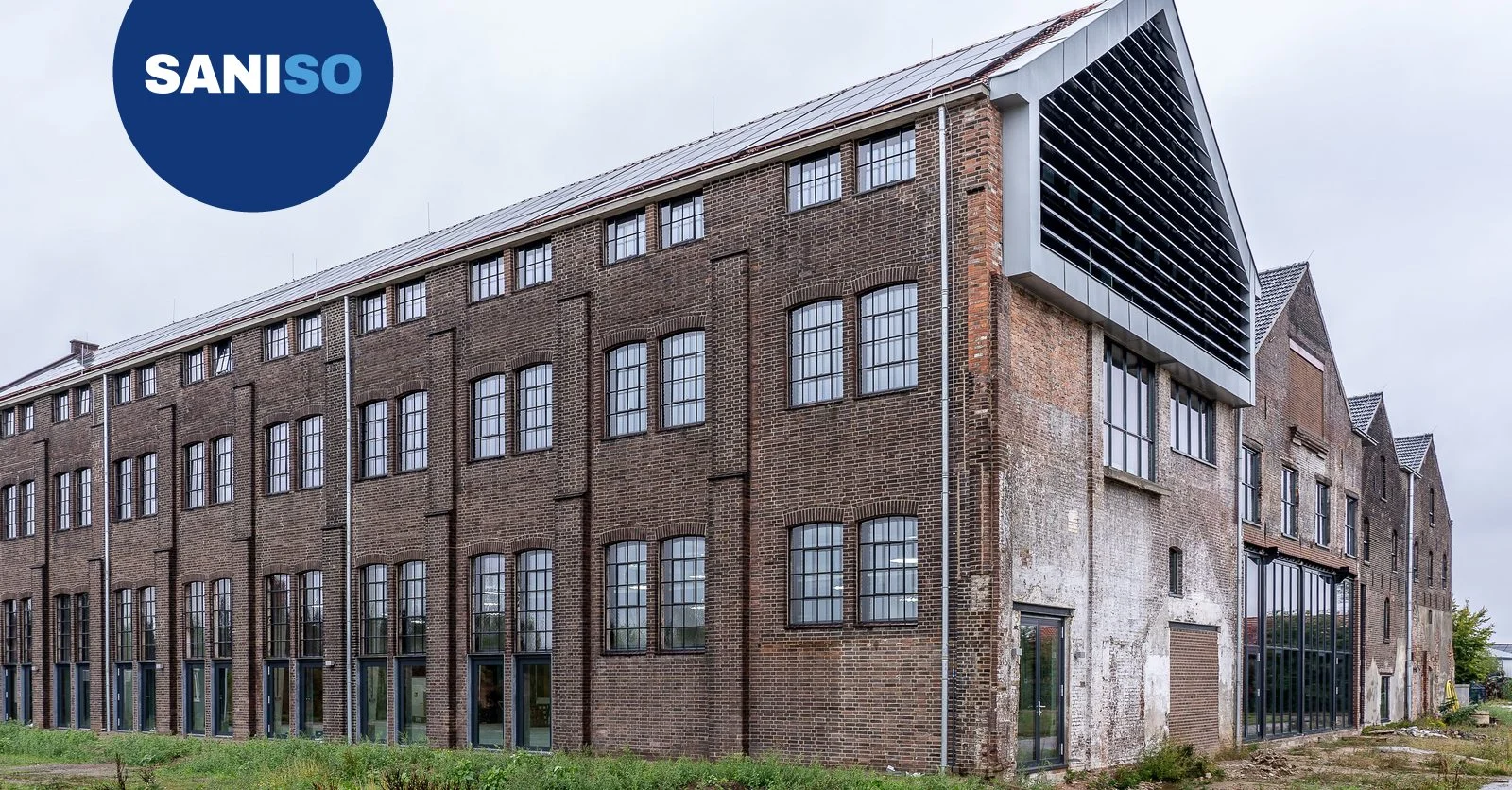
A renovation releases a lot of material: bricks, timber, tiles, pipes, window frames and rubble. What you do with it largely determines how sustainable your renovation is. Sustainable renovation is therefore not only about choosing a green product, but above all about thinking in terms of keeping, reusing and recycling. This blog explains how to approach that in practice.
👷 Calling in a professional is never superfluous. For structural changes, suspected asbestos, lead pipes or large demolition jobs, have a professional or a specialist firm do the work. Demolishing yourself can be dangerous.
A well-known idea in waste policy is the waste hierarchy: prevention comes before reuse, reuse comes before recycling and recycling comes before landfill or incineration. For a renovation that means:
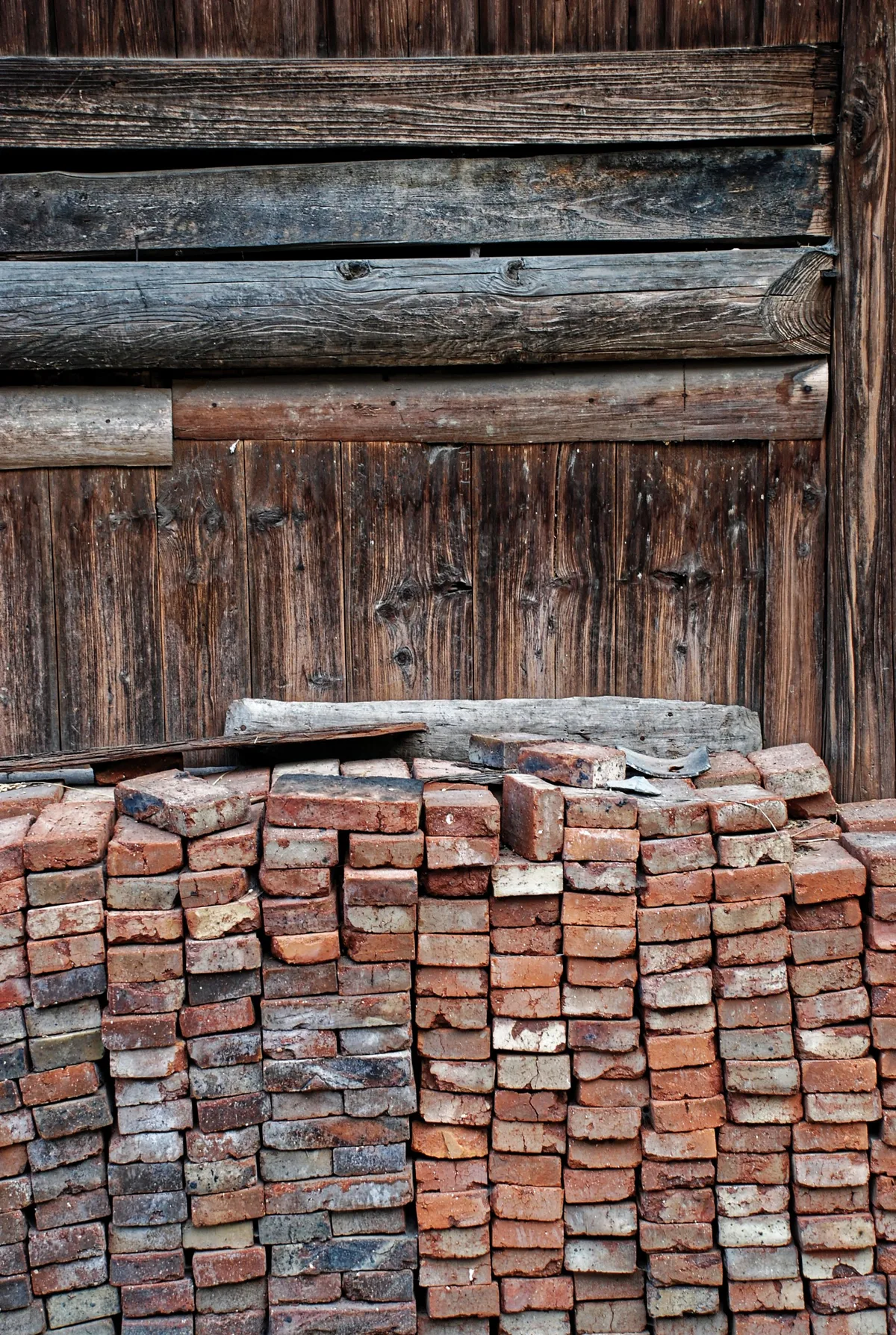
For disposal, contact your local waste collector or recycling centre. Rules differ per municipality.
⚠️ Old materials can contain harmful substances, such as asbestos, lead or old types of paint. In doubt? Call a specialist firm and do not break anything.
Anyone who wants to reuse parts must get them out of the wall or floor intact:
You can read more about working safely in our blog on safe working on the construction site.
When dismantling and sorting you deal with dust, sharp edges and heavy material:
A bathroom full of tiles and sanitaryware produces a lot of waste. First look at what can stay and plan the rest carefully. You can read more about this in our guide to planning a bathroom renovation.
A professional is never superfluous. They know what may be reused and what must be disposed of safely.
Read also: What is GreenBuilding Rating? Explanation and tips and Choosing sustainable tile adhesive and grout.
With reuse you use the material itself again, like a brick. With recycling the material is processed into a new product or raw material.
No. Hand in construction waste separately at a recycling centre or through a waste collector. Ask about the rules in your municipality.
You cannot see that yourself. In doubt, call a specialist firm, have it examined and stay away from the material.
Not necessarily, but you have to assess it carefully. For structural uses, let a professional decide.
At Saniso, the online store for DIYers and professionals, you will find tools, materials and personal protective equipment for your job.
In doubt about the approach? Feel free to call in a professional.
Saniso – Build your home with Saniso.
Share:
A dripping tap is a typical job that gets left undone. With the right pliers, a few spare parts and a quiet Saturday mor...
A blocked or leaking gutter: tackle it yourself or call a roofer? Learn when you can clean the gutter safely yourself, w...
Learn how to connect a new exposed bath-shower tap yourself: shut off the water, measure the centre distance, set the S-...
You can build a low brick wall in the garden or as a border yourself with the right preparation. From foundation and mas...