





A blocked or leaking gutter: tackle it yourself or call a roofer? Learn when you can clean the gutter safely yourself, w...

Your online building supplies store for building and renovation
 English
✓
English
✓
 Nederlands
✓
Nederlands
✓
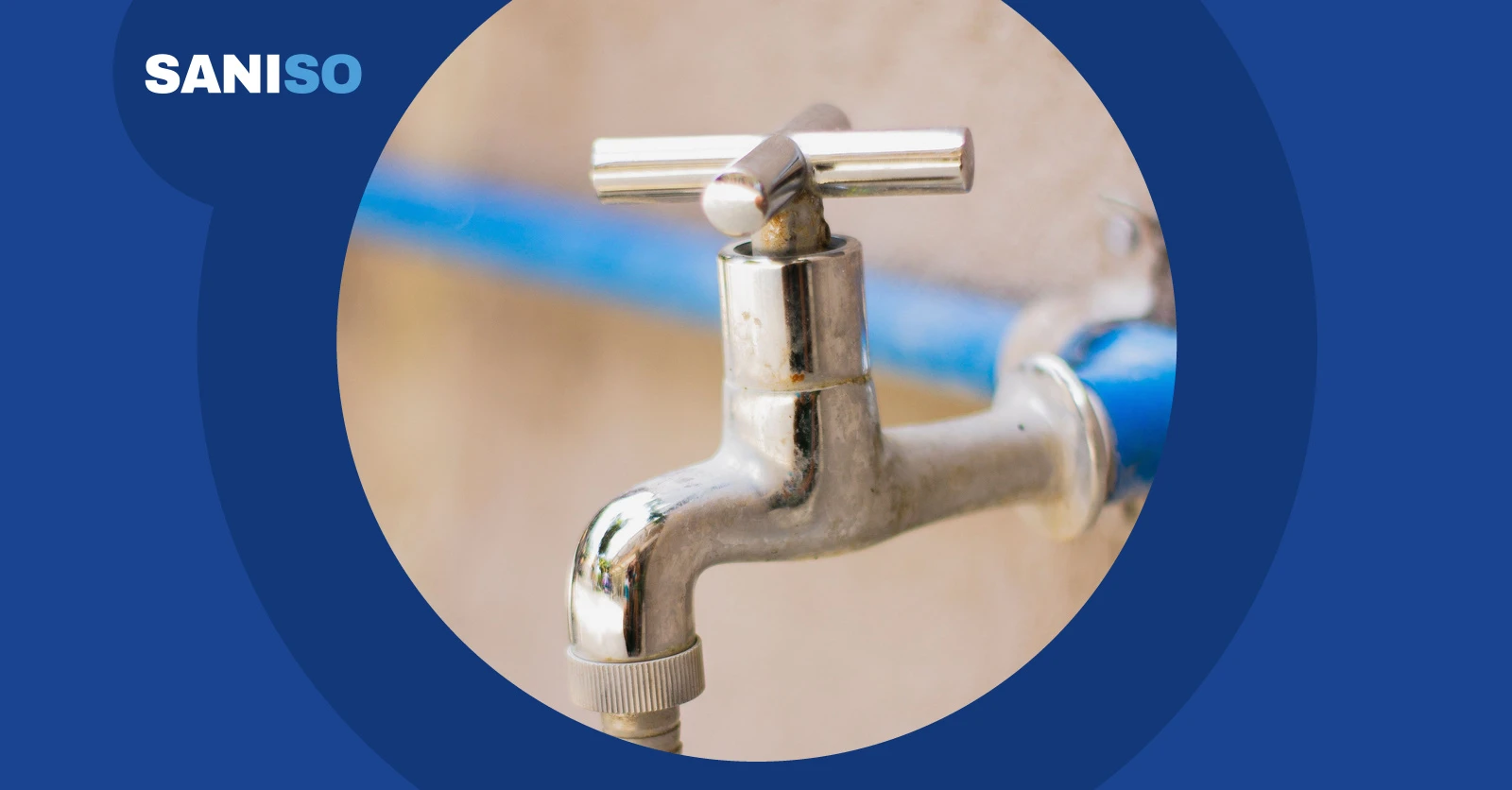
Drip, drip, drip. A tap that keeps dripping is one of those jobs that stays on the list for months. Yet it wastes water every day and in time leaves limescale marks in the basin. The good news: you can often fix a dripping tap yourself, on a quiet Saturday morning and with simple tools. In this weekend job you will read how to trace the leak, open the tap safely and replace the worn part.
👷 Calling in a professional is never unnecessary. If the leak is in a pipe, a coupling in the wall or a connection under the sink, or if you cannot close the shut-off valve, call a registered plumber. The same goes for taps with a boiler or an electrical connection: do not work on those yourself.
First look carefully where the water is coming from. That determines which part you need.
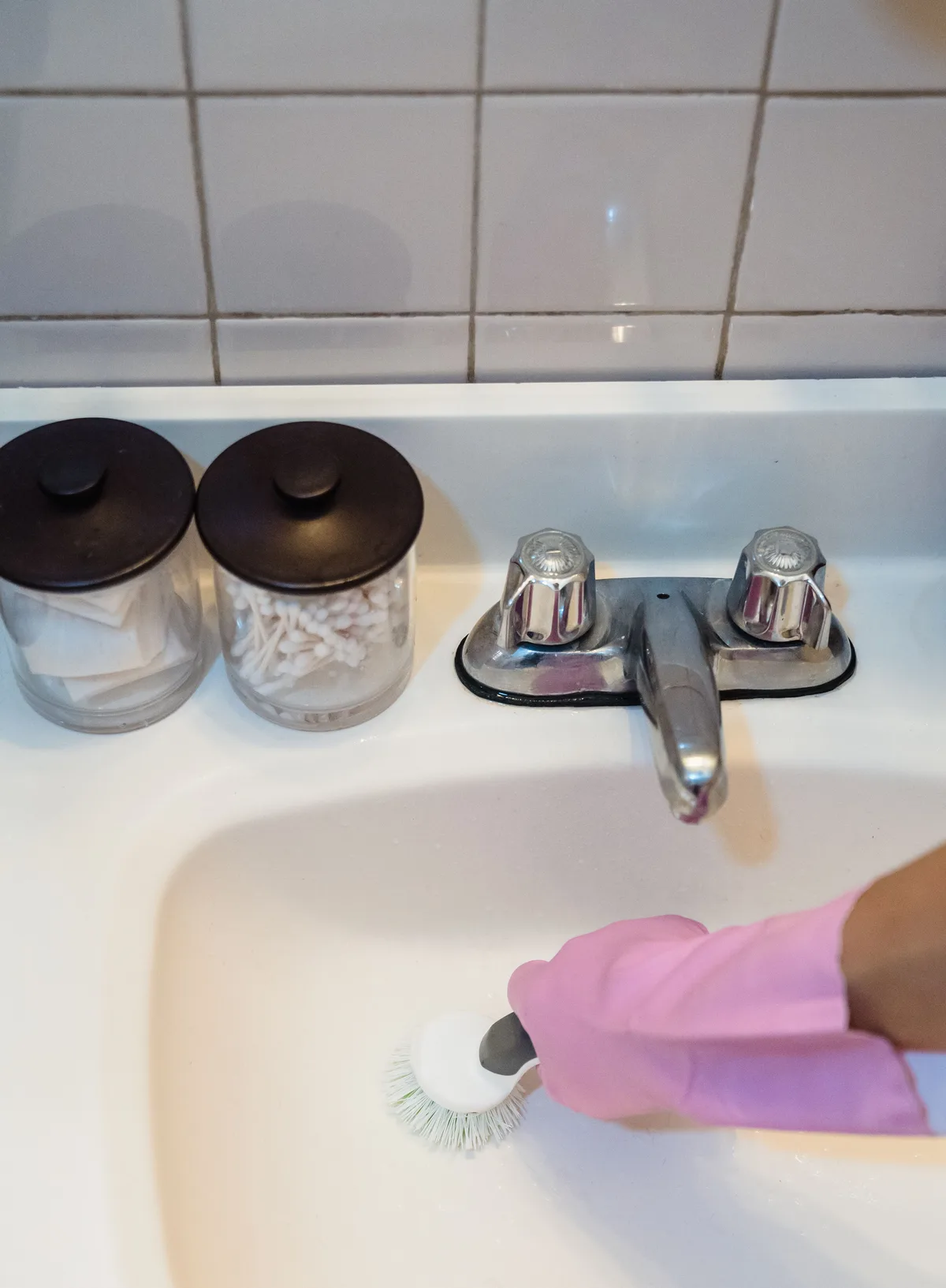
💡 Lay the parts out in order on a towel and take a photo of each step with your phone. That way you are sure to put everything back correctly.
Even a small plumbing job calls for good protection. Wear work gloves with nitrile coating against sharp edges and limescale, and safety goggles when you work under the basin or release springs and clips. If you kneel in front of a cabinet, use knee pads for your knees. Wipe up spilt water straight away so you do not slip, and keep plugs and electrical appliances dry. Read more about good work gloves in our buying guide for work gloves, and general tips on working safely in our blog on safe working on the construction site.
Want to tackle the whole bathroom? Then read our guide to planning a bathroom renovation.
For a drip from the spout or a leaking O-ring, often yes. If the leak is in the pipe or the connection, a registered plumber is the right choice.
Take the old part with you and compare size and shape. For a mixer tap, the type and make of the tap help.
The isolating valve under the basin is usually enough. If there is none or it does not close, use the main stopcock.
Next weekend we tackle the walls: touching up holes from nails and plugs, dents and marks, so that after filling, sanding and painting you can no longer see them. A nice indoor job for an autumn weekend, which you can follow step by step in our Saturday blog on touching up walls.
Get this ready:
At Saniso, the online store for DIYers and professionals, you will find tools, materials and personal protective equipment for your job.
In doubt about the approach? Feel free to call in a professional.
Saniso – Build your home with Saniso.
Share:
A blocked or leaking gutter: tackle it yourself or call a roofer? Learn when you can clean the gutter safely yourself, w...

Sustainable renovation starts with keeping, reusing and only then replacing. Learn how to separate materials, what you c...
Learn how to connect a new exposed bath-shower tap yourself: shut off the water, measure the centre distance, set the S-...

A toilet that flushes powerfully and still stays quiet: that is the idea behind Cersanit Vortex. In this blog you read h...