








From Roman concrete to Portland cement: a short history
Concrete seems like a modern material: grey, strong and found everywhere. Yet the Romans already built with it, and some of their buildings are still standing. How is that possible, and how did we get from that ancient building material to the cement in a bag today?
The secret of the Romans: pozzolana
The Romans mixed burnt lime with water and volcanic ash. That ash was mined, among other places, near Pozzuoli close to Naples, which gave it the name pozzolana. Thanks to the ash, the mixture reacted chemically and hardened, even under water. That allowed the Romans to build harbours, aqueducts and large buildings.
The Pantheon
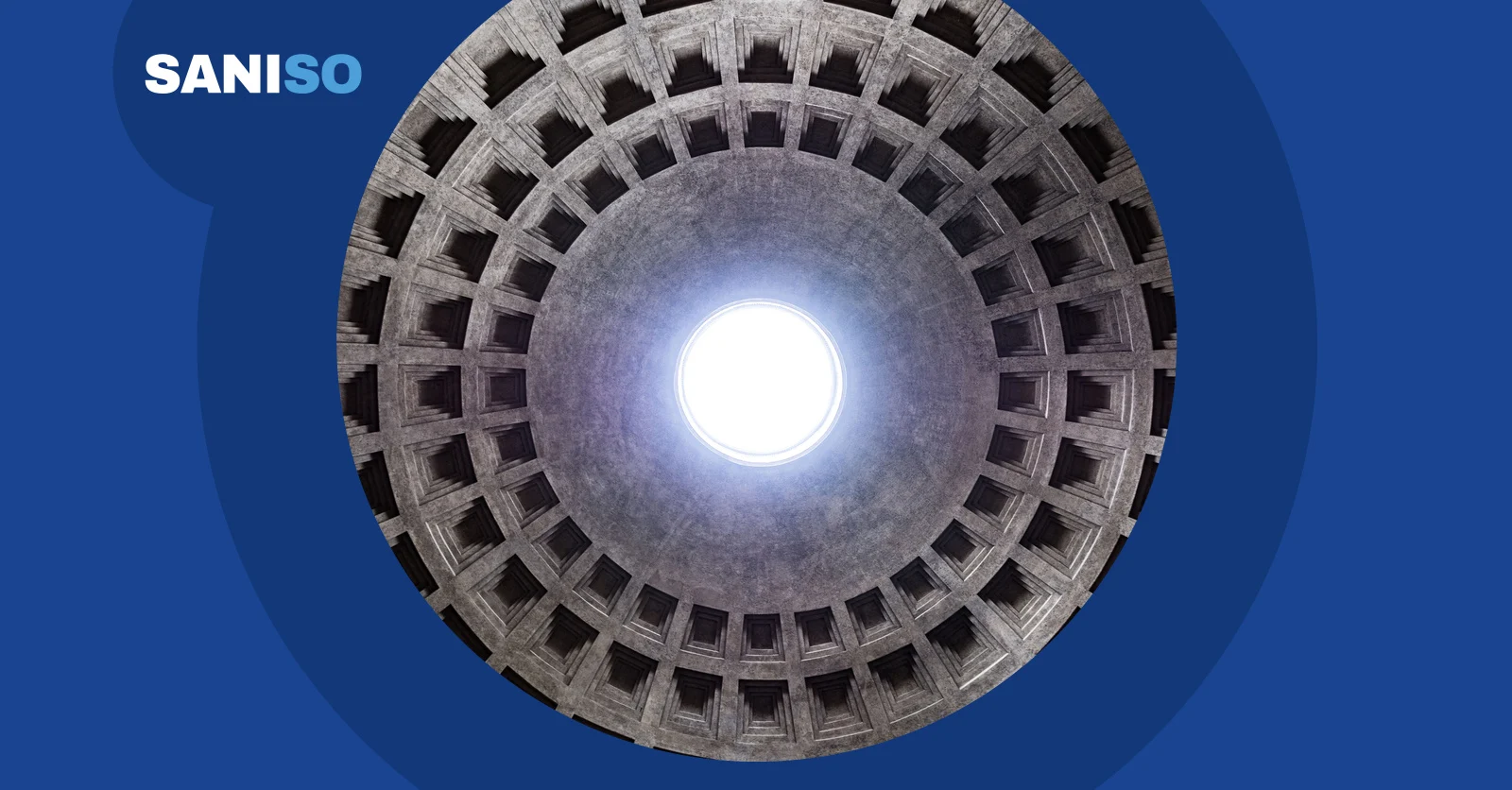
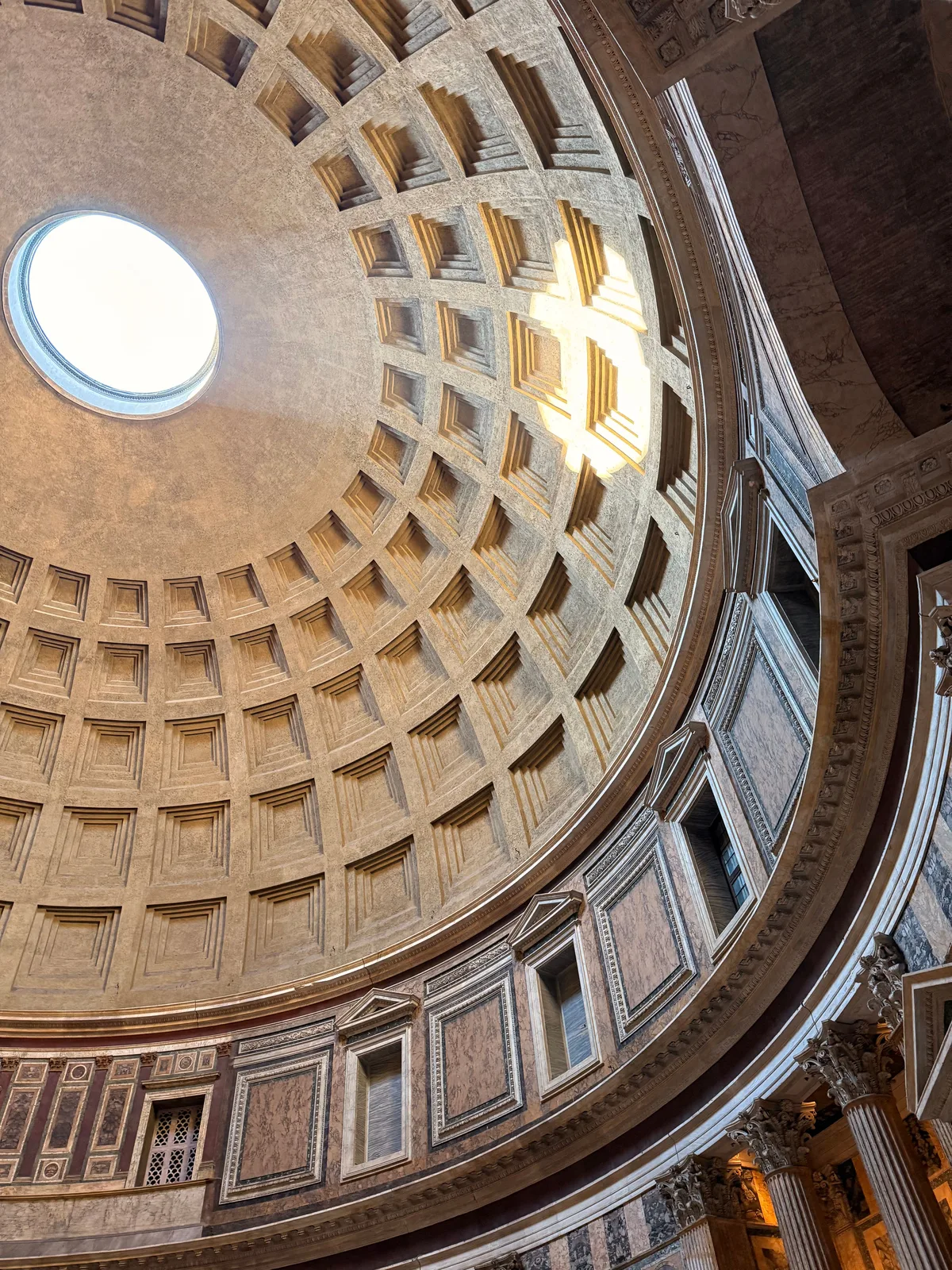
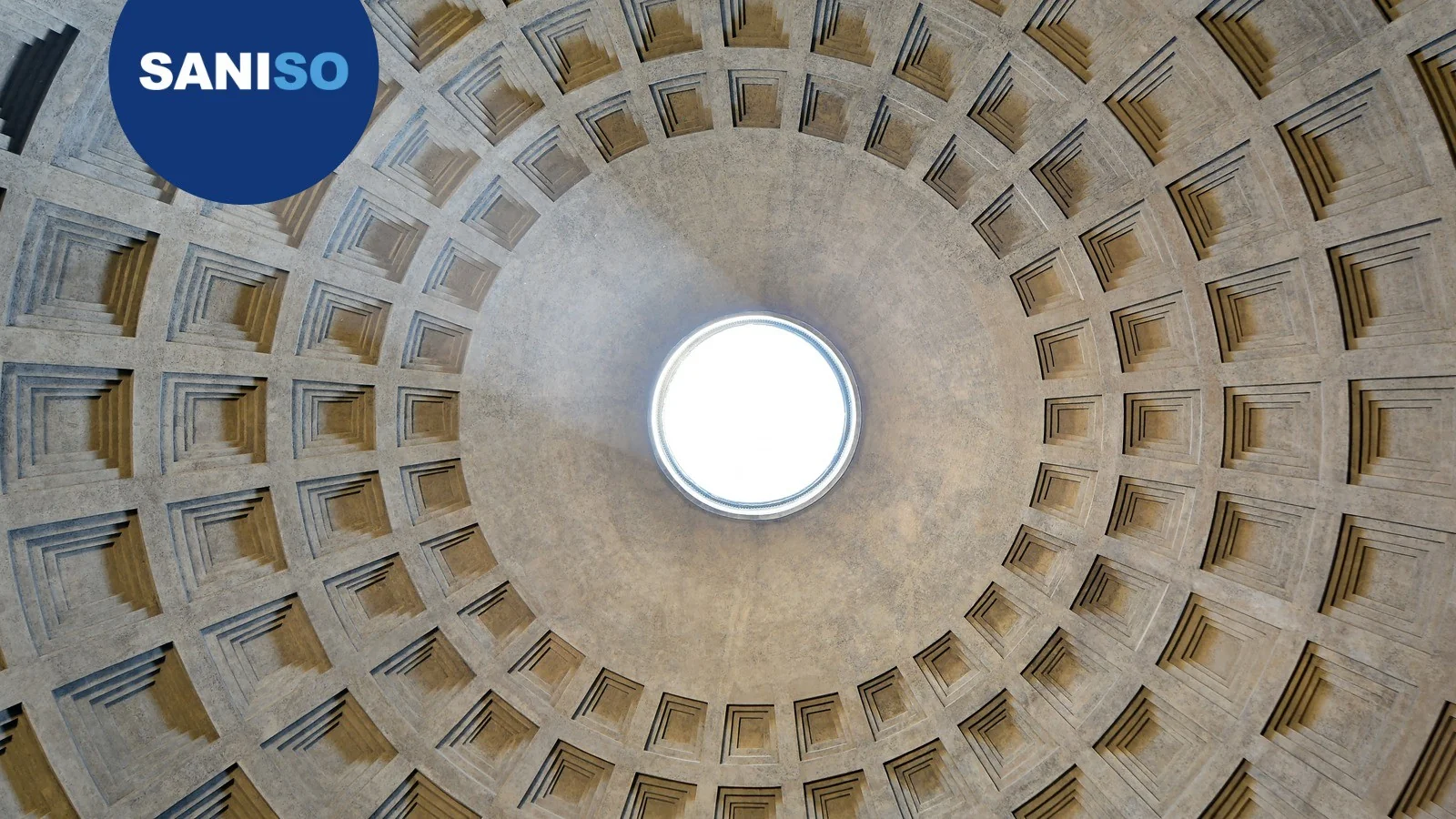
The best-known example is the Pantheon in Rome, built in the second century AD. The dome has a diameter of about 43 metres and is still the largest dome of unreinforced concrete in the world. The builders made the concrete lighter towards the top by using lighter stones in the mix, so the dome weighed less.
Forgotten and rediscovered
After the fall of the Western Roman Empire, much knowledge about concrete fell out of use in Europe. Building was mainly done with lime mortar, natural stone and brick. Read how brick became so important in our blog on the history of the brick.
In the eighteenth century the English engineer John Smeaton investigated which lime hardened under water. He found that lime containing some clay was suitable. He used this insight when building a lighthouse on a rock off the English coast.
The birth of Portland cement
In 1824 the English bricklayer Joseph Aspdin received a patent for a binder he called Portland cement. The name referred to the colour of Portland stone, a well-known natural stone from England. The cement was made by burning limestone and clay together and then grinding it finely. Later the process was improved further, including higher burning temperatures.
Cement, mortar and concrete
Even today the words are often mixed up.
- Cement is the binder: the grey powder that hardens with water.
- Mortar is cement or lime with sand and water, for example for bricklaying. Also read our blog on sand cement.
- Concrete is cement with sand, gravel and water. With steel in it, it is called reinforced concrete.
Mixing mortar yourself
If you are going to mix a small amount of mortar yourself, use a 60 litre rectangular construction tub or a construction bucket, a Raimondi mortar mixer with a 100 mm mortar mixing paddle and a 305 mm American trowel. A 12-litre bucket of clean water, a tape measure with auto-lock and a 60 cm spirit level complete the set.
⚠️ Cement is corrosive to your skin and the dry powder is harmful to your eyes and lungs. Always wear work gloves with nitrile coating, safety goggles and an FFP2 dust mask when mixing. Read more about working safely in our blog on safe working on the construction site.
👷 Calling in a professional is never unnecessary. For load-bearing walls, foundations or large floors, always leave the work to a contractor or structural engineer.
More building history? Also read our blog on the history of the tile.
Where can you find everything for this job?
At Saniso, the online store for DIYers and professionals, you will find tools, materials and personal protective equipment for your job.
- Browse our construction tools and our workwear and safety.
- Create a customer account and order easily.
- Working on a bigger project or want to hand over the job? Request a project quote.
- Book a showroom visit, at least 24 hours in advance.
- Not sure which material suits your job? Get in touch with us.
In doubt about the approach? Feel free to call in a professional.
Saniso – Build your home with Saniso.
Share:
Building facts #4: the history of concrete. From Roman opus caementicium and the Pantheon to Portland cement, reinforced...
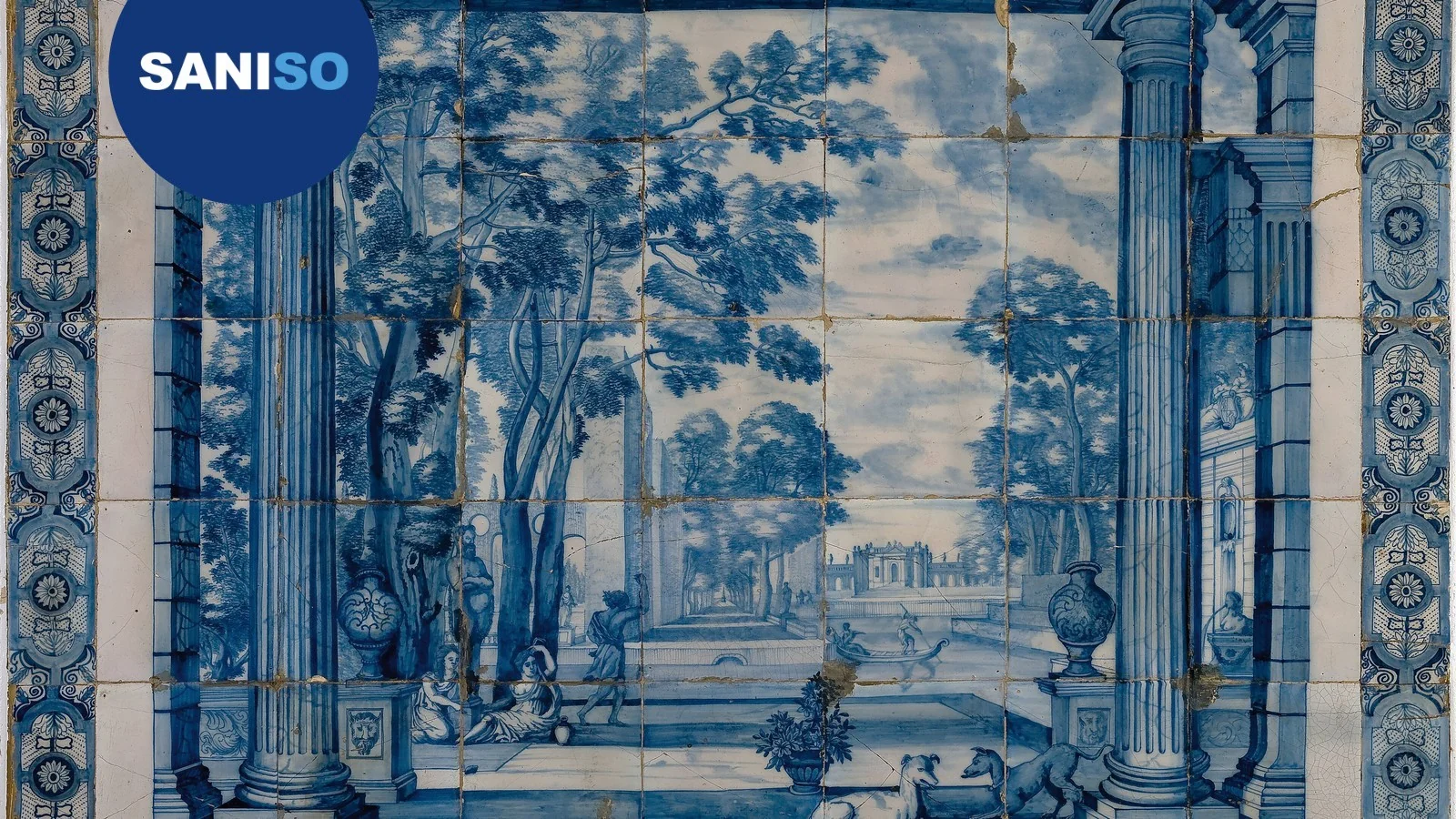
Building facts #3: the history of the tile. From Babylon's glazed bricks and medieval floor tiles to Delft Blue, 800 mil...
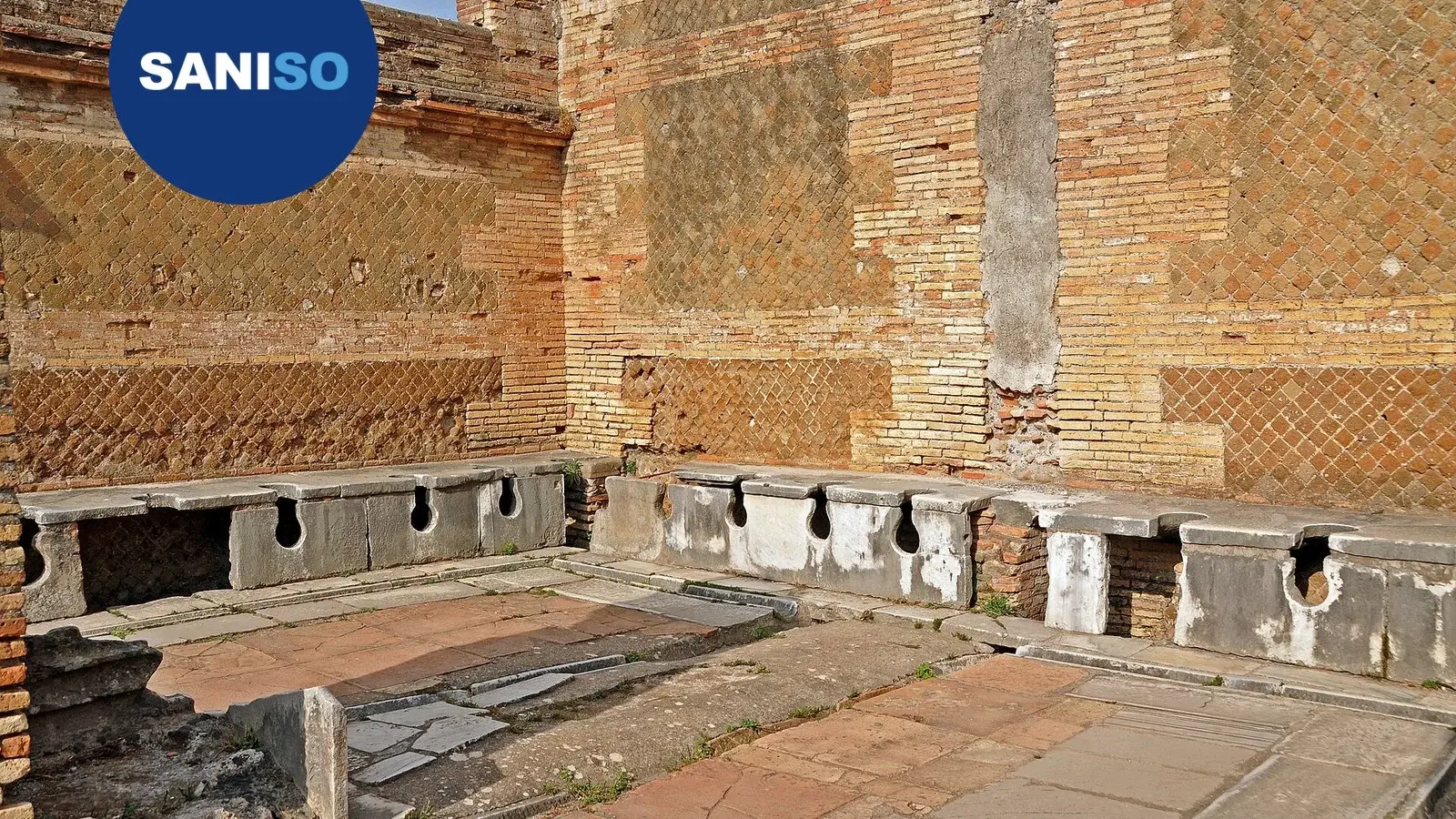
Building facts #2: the history of the toilet and the sewer. From Indus drains and Roman latrines to the S-bend, London's...