A blocked or leaking gutter: tackle it yourself or call a roofer? Learn when you can clean the gutter safely yourself, w...

How to fix a leaking tap
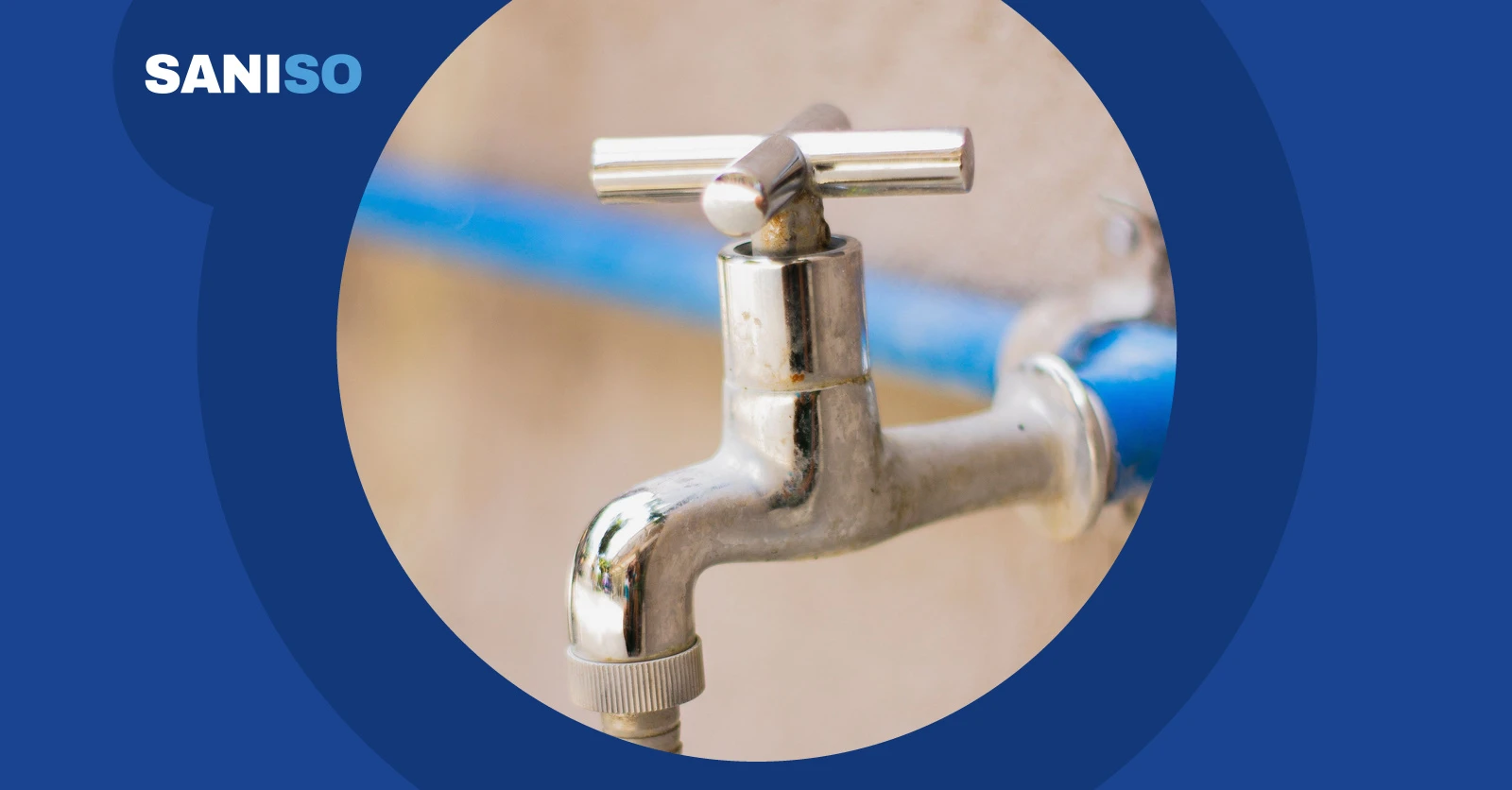
Drip, drip, drip. A tap that keeps dripping is one of those jobs that stays on the list for months. Yet it wastes water every day and in time leaves limescale marks in the basin. The good news: you can often fix a dripping tap yourself, on a quiet Saturday morning and with simple tools. In this weekend job you will read how to trace the leak, open the tap safely and replace the worn part.
👷 Calling in a professional is never unnecessary. If the leak is in a pipe, a coupling in the wall or a connection under the sink, or if you cannot close the shut-off valve, call a registered plumber. The same goes for taps with a boiler or an electrical connection: do not work on those yourself.
Where does the leak come from?
First look carefully where the water is coming from. That determines which part you need.
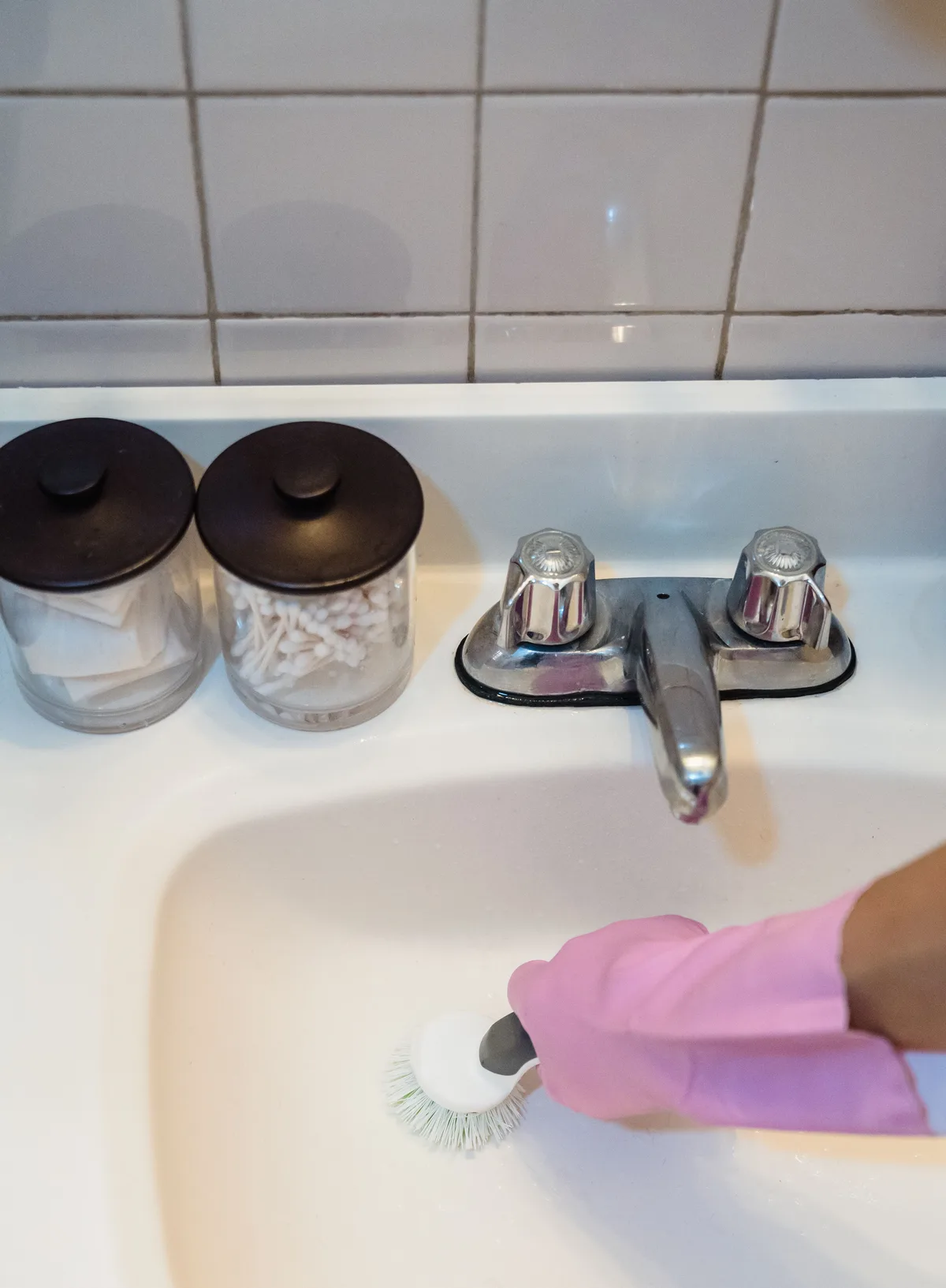
- Drip from the spout: on an old-fashioned tap with two handles, the tap washer is usually worn. On a single-lever mixer it is often the inner mechanism, the cartridge.
- Water around the handle or lever: then a sealing ring (O-ring) of the mechanism is leaking.
- Water under the tap or in the cabinet: then a connection or flexible hose is leaking. That is a job for a plumber.
- The jet sprays in all directions: then the aerator is full of limescale. That is not a leak, but you can solve it in the same job. Also read our Sunday blog on descaling the tap and the aerator.
What do you need?
- An adjustable wrench and water pump pliers set or 250 mm water pump pliers to loosen nuts. Wrap a cloth around the jaws so you do not damage the chrome. Read more about choosing pliers in our buyer's guide to water pump pliers and pipe wrenches.
- screwdriver set and an hex key set for the small screw under the caps or in the lever.
- An 12-litre bucket and a few old towels for residual water.
- A rechargeable LED work lamp, because it is dark under a washbasin.
- masking film or a cloth in the basin, so no screws disappear down the drain.
- A suitable aerator for a washbasin tap if the old one is full of limescale or damaged.
- The right spare part: take the old washer, O-ring or cartridge with you as an example, so the new one fits exactly.
Step-by-step plan
- Shut off the water. Close the isolating valve under the washbasin. If there is none or it will not turn, close the main stopcock at the water meter.
- Release the pressure. Open the tap until no more water comes out. Put a cloth in the basin and close the plug.
- Open the tap. Prise the cap off the handle or lever, undo the screw and remove the handle. Then loosen the headgear or cartridge nut with the pliers.
- Check the parts. Replace a flat, cracked or hard washer. On a mixer tap you replace the whole cartridge. Carefully clean off any limescale.
- Fit the new part. Put the washer or cartridge back in the same position as the old one. Lightly grease a new O-ring with tap grease if the packaging says so.
- Reassemble everything in reverse order. Tighten nuts firmly but not too hard; too much force damages the thread.
- Open the water slowly and check that the tap stays closed and the connections are dry.

💡 Lay the parts out in order on a towel and take a photo of each step with your phone. That way you are sure to put everything back correctly.
Common mistakes
- Not shutting off the water before you start.
- Overtightening, so the new washer is crushed straight away.
- Buying a part that does not match the type of tap.
- Working directly on the chrome with the pliers, causing scratches.
- Trying to fix a leak at the connection or in the wall yourself.
Working safely
Even a small plumbing job calls for good protection. Wear work gloves with nitrile coating against sharp edges and limescale, and safety goggles when you work under the basin or release springs and clips. If you kneel in front of a cabinet, use knee pads for your knees. Wipe up spilt water straight away so you do not slip, and keep plugs and electrical appliances dry. Read more about good work gloves in our buying guide for work gloves, and general tips on working safely in our blog on safe working on the construction site.
When do you call a plumber?
- For leaks from pipes, couplings or a connection in the wall.
- If the isolating valve or main stopcock does not close properly or leaks itself.
- For a tap with a boiler, boiling-water function or electrical connection.
- If water seeps into the floor, ceiling or wall.
- If in doubt: a registered plumber prevents water damage, and that is always the best choice.
Want to tackle the whole bathroom? Then read our guide to planning a bathroom renovation.
Frequently asked questions
Can I repair a leaking tap myself?
For a drip from the spout or a leaking O-ring, often yes. If the leak is in the pipe or the connection, a registered plumber is the right choice.
How do I know which part I need?
Take the old part with you and compare size and shape. For a mixer tap, the type and make of the tap help.
Do I need to turn off the main stopcock?
The isolating valve under the basin is usually enough. If there is none or it does not close, use the main stopcock.
Getting to work next weekend?
Next weekend we tackle the walls: touching up holes from nails and plugs, dents and marks, so that after filling, sanding and painting you can no longer see them. A nice indoor job for an autumn weekend, which you can follow step by step in our Saturday blog on touching up walls.
Get this ready:
- Japanese filling knife
- putty knife with aluminium blade
- lightweight filler
- sanding block grit 120
- sanding block grit 220
- acrylic brush
- foam roller
- paint tray
- blue painter's tape
- masking film
- rechargeable LED work lamp
- construction vacuum cleaner
- work gloves with nitrile coating
- safety goggles
- FFP2 dust mask
- wooden painter ladder
Where can you find everything for this job?
At Saniso, the online store for DIYers and professionals, you will find tools, materials and personal protective equipment for your job.
- Browse our construction tools and our workwear and safety.
- Create a customer account and order easily.
- Working on a bigger project or want to hand over the job? Request a project quote.
- Book a showroom visit, at least 24 hours in advance.
- Not sure which material suits your job? Get in touch with us.
In doubt about the approach? Feel free to call in a professional.
Saniso – Build your home with Saniso.
Share: