





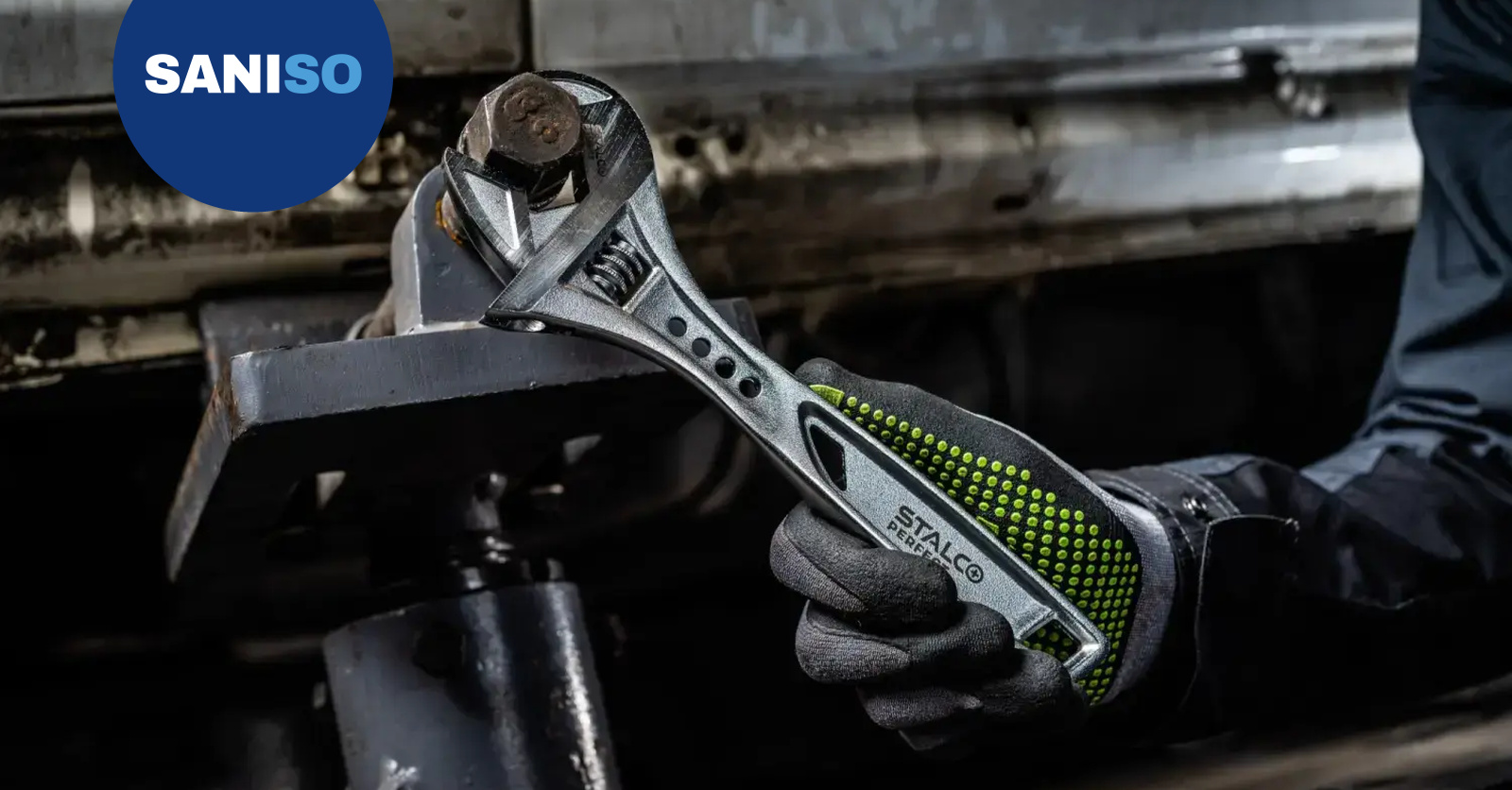
Work gloves need to protect, but you also want to be able to pick up a small screw. In this blog we look more closely at...

Your online building supplies store for building and renovation
 English
✓
English
✓
 Nederlands
✓
Nederlands
✓
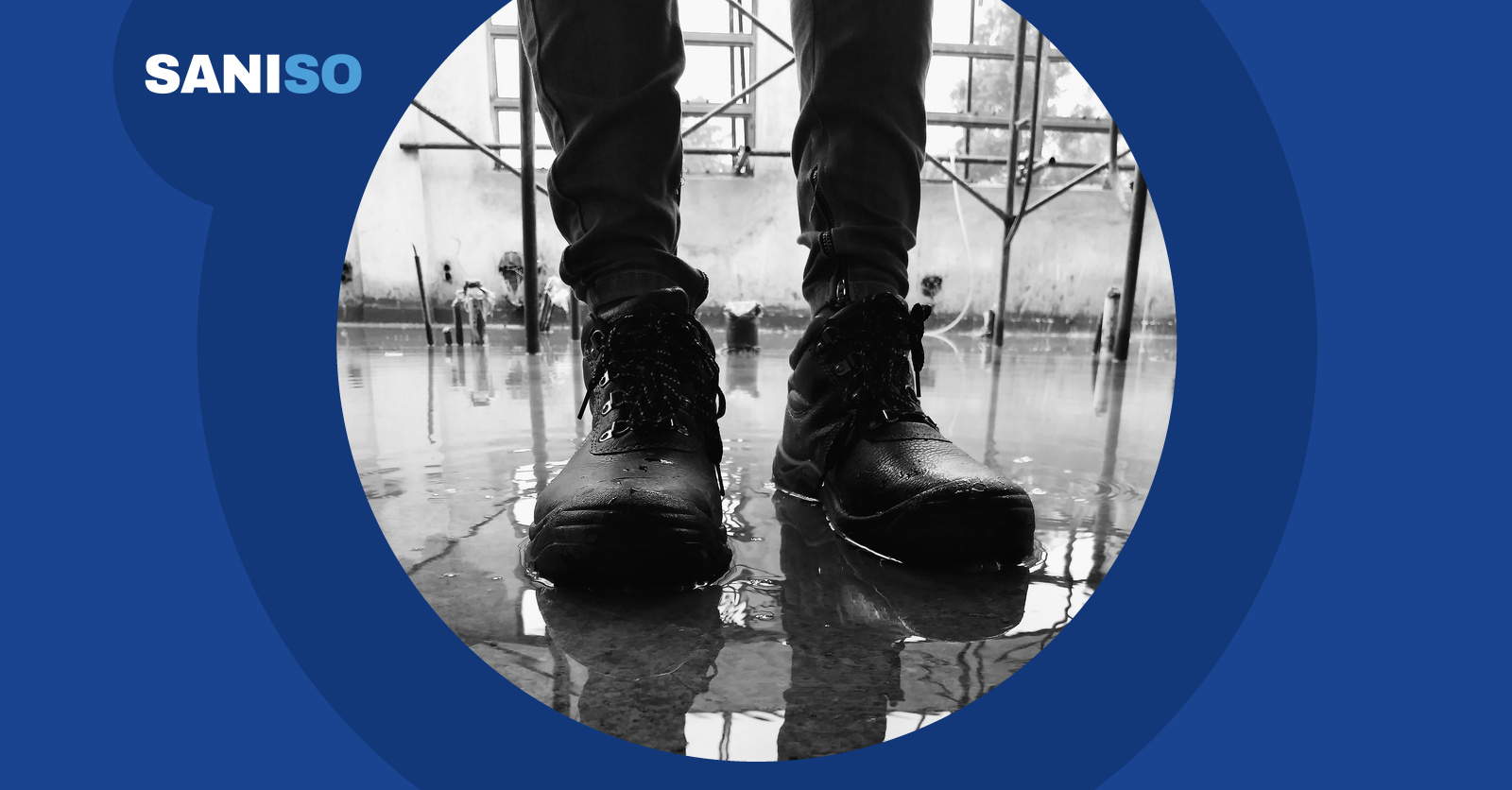
Safety footwear protects your feet against falling objects, sole penetration, slipping and sometimes water or cold. The codes S1, S1P, S2 and S3 give an indication of the protection a shoe offers. In this blog we explain them in outline, so you choose a shoe that suits your workplace.
👷 This is an explanation in outline and not legal advice. Which protection is needed follows from your risk inventory and the requirements of your client or employer. In doubt, consult your own VCA or safety officer. You can find more information in our blog on choosing safety shoes.
Safety shoes are tested according to the European standard for safety footwear (EN ISO 20345). The codes indicate which properties a shoe has:
Check the marking in the shoe and the accompanying instructions; the standard and codes can be supplemented with extra properties for specific uses.
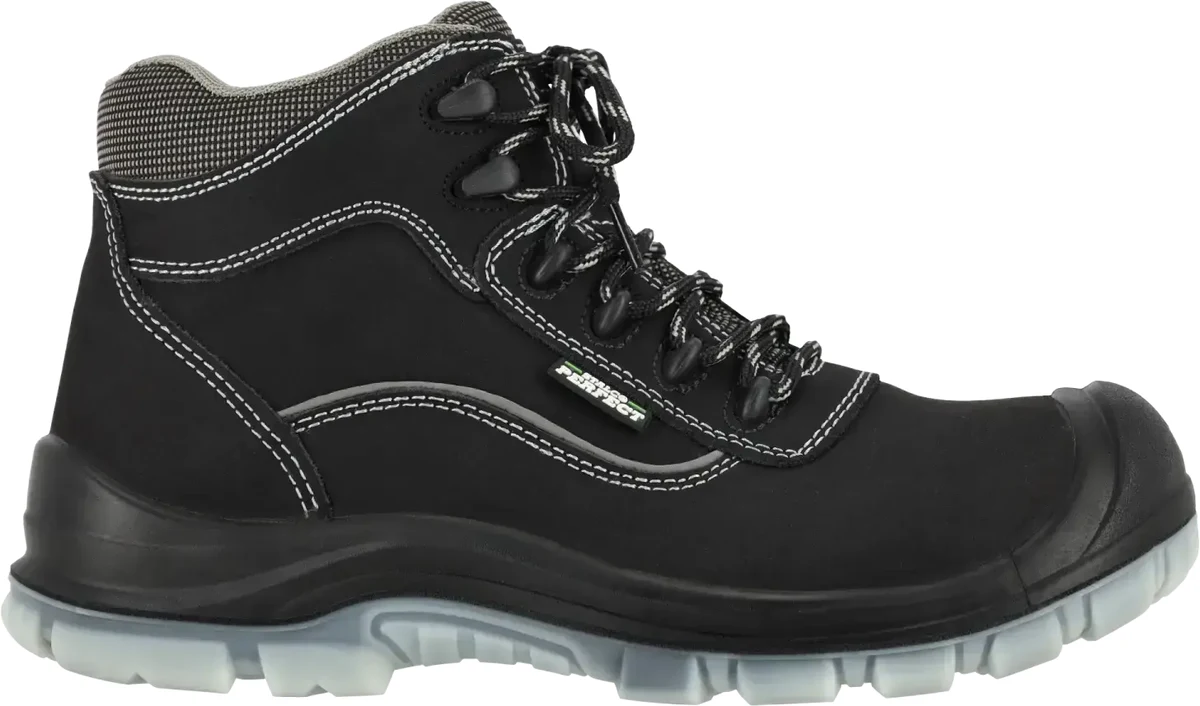
You can find more options at safety shoe.
Safety shoes belong in a set with other PPE. Think of a safety helmet, cut-resistant gloves, impact-protection goggles and Raimondi knee pads with gel. You can read more in our blog on safe working on the construction site and our blog on thermal work underwear.
Not always. S3 offers more protection, but is not necessary for every workplace. Choose on the basis of your risk inventory.
That depends on use, care and conditions. Check regularly for wear, loose soles or damaged toe caps.
That follows from your risk inventory and agreements with your employer or client.
Yes, for heavy or risky work. A good shoe prevents injury from falling objects or slipping.
Read our blog on choosing safety shoes for practical tips.
Read also: Fixing into concrete, brick and aerated concrete: the right anchor
Read also: Working with an angle grinder: risks and measures
Read also: Safety helmets for professionals: choosing and using them professionally
Read also: Safety glasses for professionals: how to choose and use them
At Saniso, the online store for DIYers and professionals, you will find tools, materials and personal protective equipment for your job.
In doubt about the approach? Feel free to call in a professional.
Saniso – Build your home with Saniso.
Share:
Work gloves need to protect, but you also want to be able to pick up a small screw. In this blog we look more closely at...

Which safety glasses suit your work? Read what to look for in impact resistance, sealing and comfort, when to combine gl...

Sawing, grinding, drilling and chasing in concrete, masonry, tiles and natural stone releases fine quartz dust. After ye...
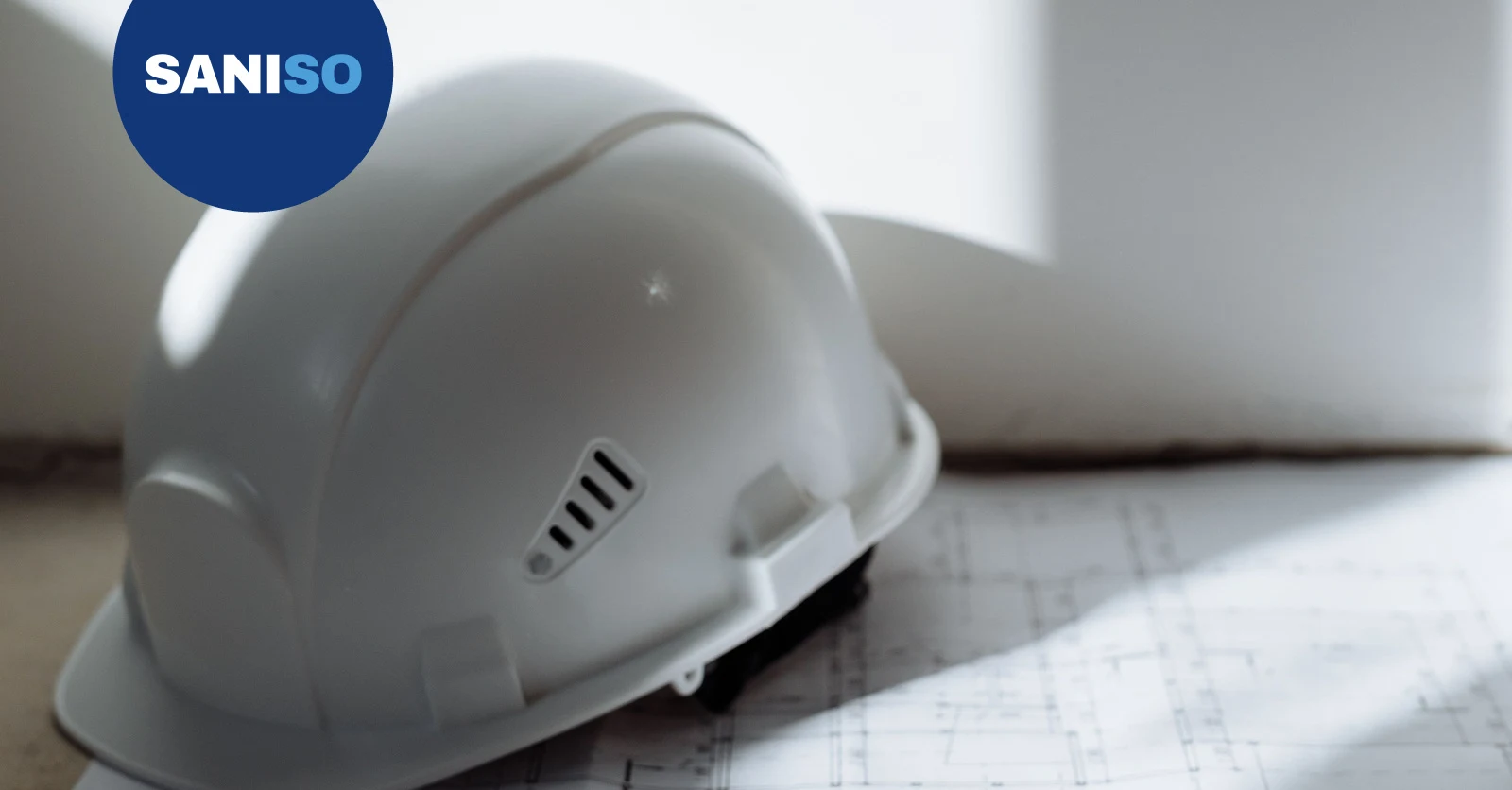
A safety helmet protects your head against falling objects and bumps, but only if it fits, is adjusted properly and is r...