






Grout in one even colour across the whole wall or floor: that is what you want. In this blog we explain how the hybrid R...

Your online building supplies store for building and renovation
 English
✓
English
✓
 Nederlands
✓
Nederlands
✓
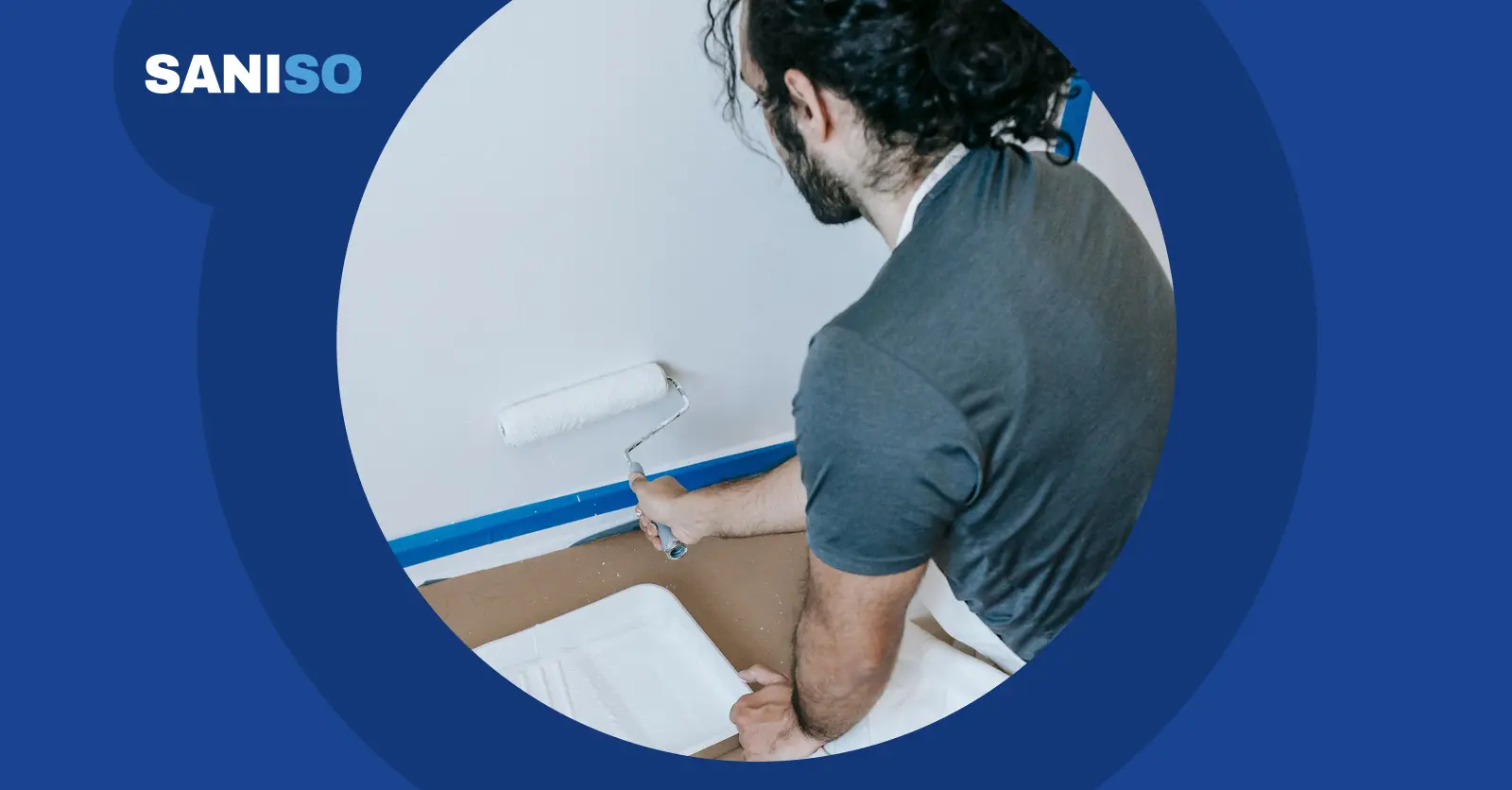
A fresh colour on the wall transforms a room at once. Painting a wall is a job you can do yourself, as long as you prepare well. This blog explains what you need and how to get a neat result step by step.
⚠️ Old paint from before the 1970s may contain lead. Do not sand it dry and, if in doubt, have a professional assess the work. For large rooms or work at height, a painter is not a luxury either.
work gloves with nitrile coating, safety goggles for overhead work and an FFP2 dust mask when sanding. You can read more about rollers and brushes in our blog on paint rollers and brushes.
Take furniture out of the room or cover it. Remove socket covers and unscrew lights. Clean the wall, fill holes with filler and sand the spots smooth. Read more about filling in our blog on putty knives, sanding tools and scrapers. Tape off the edges and protect the floor. See also our blog on masking tape and protective film.
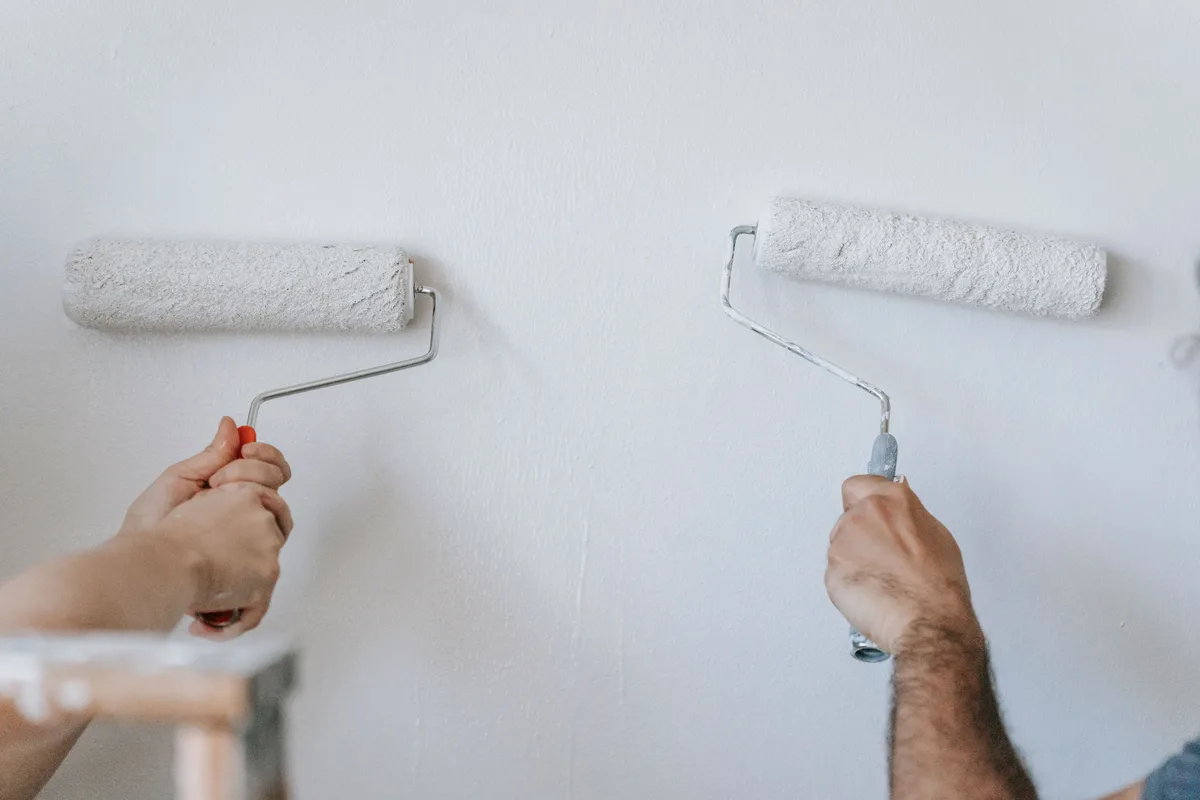
💡 Look at the wall in daylight and in artificial light. That way you see imperfections before the paint is dry.
Make sure there is ventilation and wear a dust mask when sanding. Always put a ladder on a flat, firm surface. You can read more about safe working in our blog on safe working on the construction site.
On porous, stained or strongly coloured walls often yes. Follow the paint packaging.
Usually two. It depends on the colour and the surface.
Use the brush for edges and the roller for surfaces.
Work wet in wet, use a roller with the right pile and do not load too much paint.
For damp problems, paint suspected of containing lead, work at height or if you would rather not do it yourself.
Read also: Low emissions and a healthy indoor climate when renovating
At Saniso, the online store for DIYers and professionals, you will find tools, materials and personal protective equipment for your job.
In doubt about the approach? Feel free to call in a professional.
Read also: How to protect your floor during renovation and How to paint a radiator.
Read also: How to finish a plasterboard wall with joint tape and filler
Read also: How to remove mould from walls
Saniso – Build your home with Saniso.
Share:
Grout in one even colour across the whole wall or floor: that is what you want. In this blog we explain how the hybrid R...

Learn how to level a floor yourself: prepare the subfloor, prime, mix and pour self-levelling compound. Step-by-step wit...

Installing a kitchen: do it yourself or hire a professional? Read what is involved, which parts you can do yourself and...

Cersanit Ares cement-look tiles for bathroom, kitchen and living room: 30×30 to 60×120, matt or satin, plus mosaic, skir...