






Grout in one even colour across the whole wall or floor: that is what you want. In this blog we explain how the hybrid R...

Your online building supplies store for building and renovation
 English
✓
English
✓
 Nederlands
✓
Nederlands
✓
A dense, green lawn is the heart of the garden for many people. Laying a new lawn is a job you can easily do yourself, as long as you take time for the preparation. The secret of good grass is not in the sowing itself, but in the soil underneath. In this blog you will read how to prepare the soil, whether to choose seed or turf and how to look after the young grass properly.
👷 Calling in a landscape gardener is never superfluous. With a large garden, a wet garden with poor drainage, big height differences or heavy clay soil, a professional helps you with the right soil improvement, drainage and machinery.
The best periods are spring and early autumn, when the soil is warm enough and it is not too dry.
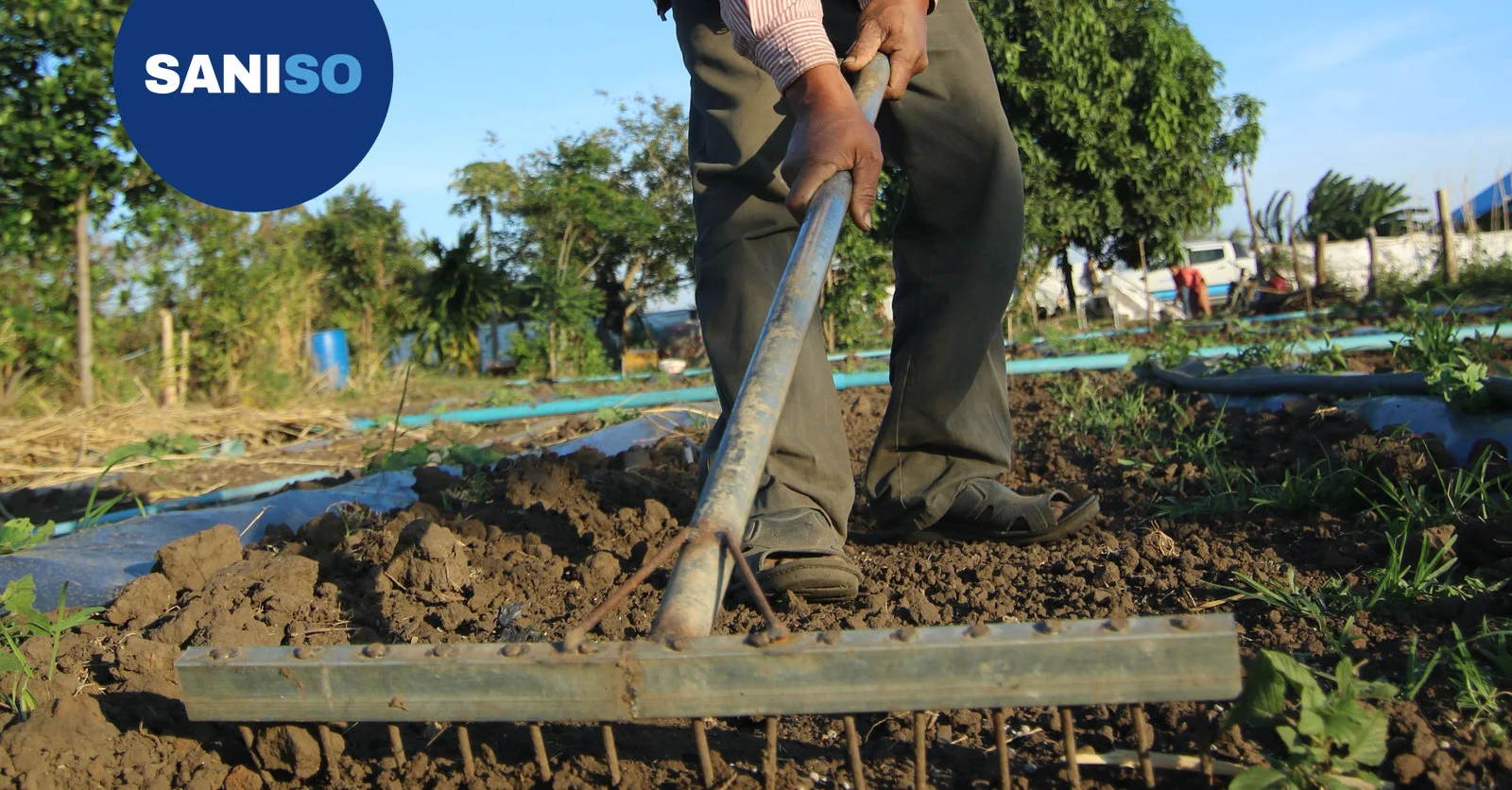
Remove old grass, weeds and roots. Loosen the soil to a depth of about twenty centimetres, so the grass roots get room to grow. If the soil is very heavy or very sandy, mix a suitable soil improver into the top layer. Then rake away all stones and roots. Rake the soil level in two directions and let it rest for a week or two. That way the soil can settle and you can still remove any weeds that come up.
💡 When laying turf, walk on a board instead of on the freshly laid turf. That spreads your weight and prevents dents.
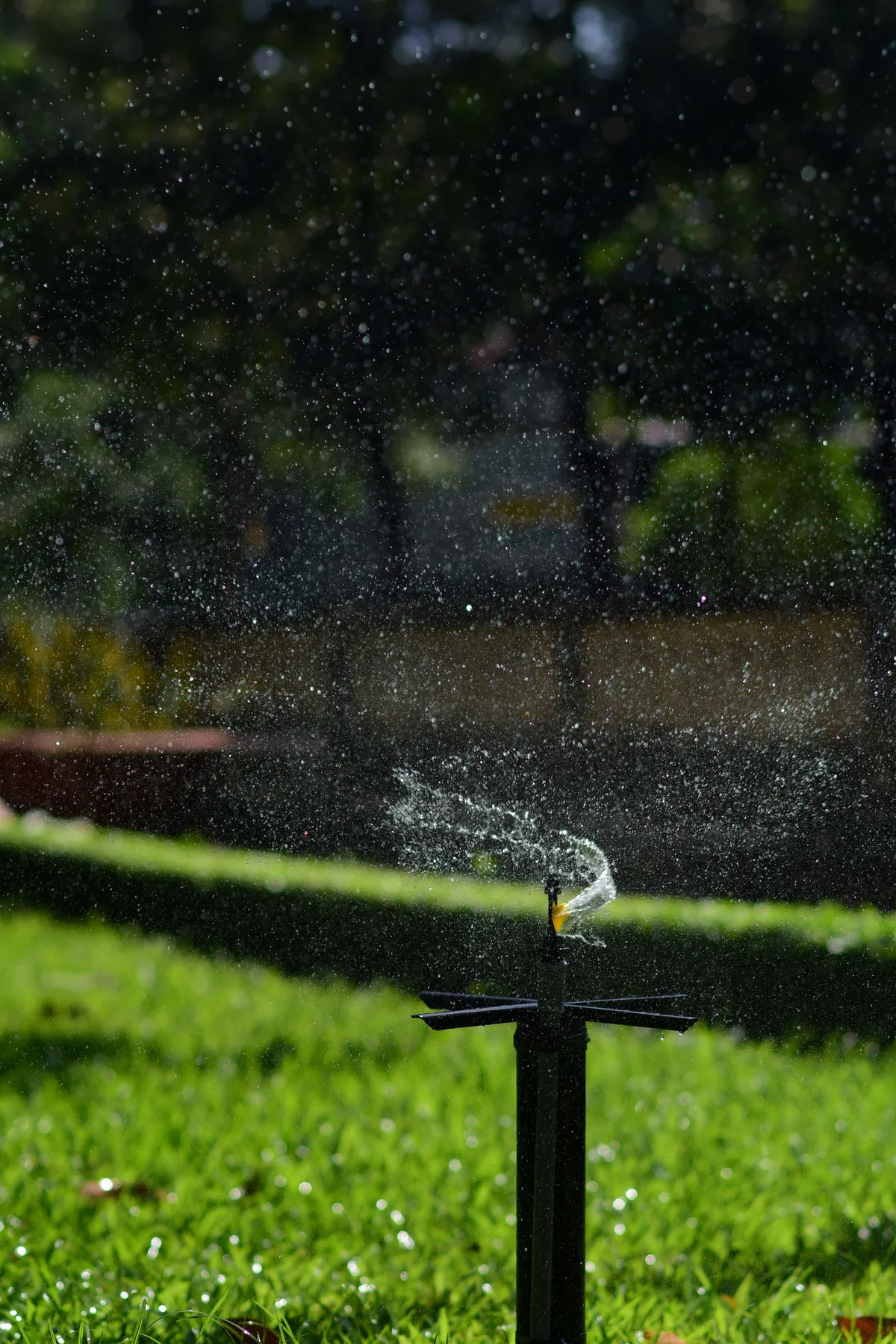
Young grass dries out quickly. In dry weather, water every day for the first few weeks, preferably in the morning. Only start mowing when the grass is about eight to ten centimetres tall and do not cut it too short. A sharp blade gives a clean result and prevents the young blades from tearing. Walk on the new lawn as little as possible until it has rooted well.
Digging and laying turf is heavy work. Lift with a straight back and bent knees, keep a roll close to your body and take enough breaks. Wear gloves and sturdy footwear and use knee pads when working on your knees. Never mow in open shoes and keep children and pets away from the mower. Put the garden hose back on the reel after use, so nobody trips over it. You can read more about garden tools in our guide to Stalco Garden tools and our blog on gardening gloves and tools.
In spring or early autumn. The soil is warm enough then and there is usually enough rain.
With turf, carefully after a few weeks. With sown grass it takes longer; wait until it has been mown a few times.
For a completely new lawn it is better to remove the old turf. You can overseed bare patches in an existing lawn.
With a large or wet garden, heavy clay, big height differences or if you want help with drainage and soil improvement.
At Saniso, the online store for DIYers and professionals, you will find tools, materials and personal protective equipment for your job.
In doubt about the approach? Feel free to call in a professional.
Read also: How to install garden irrigation, How to trim a hedge and Getting your garden ready for winter
Read also: How to remove weeds between paving tiles
Read also: How to lay a garden path
Saniso – Build your home with Saniso.
Share:
Grout in one even colour across the whole wall or floor: that is what you want. In this blog we explain how the hybrid R...

Learn how to level a floor yourself: prepare the subfloor, prime, mix and pour self-levelling compound. Step-by-step wit...

Installing a kitchen: do it yourself or hire a professional? Read what is involved, which parts you can do yourself and...

Cersanit Ares cement-look tiles for bathroom, kitchen and living room: 30×30 to 60×120, matt or satin, plus mosaic, skir...