






Grout in one even colour across the whole wall or floor: that is what you want. In this blog we explain how the hybrid R...

Your online building supplies store for building and renovation
 English
✓
English
✓
 Nederlands
✓
Nederlands
✓
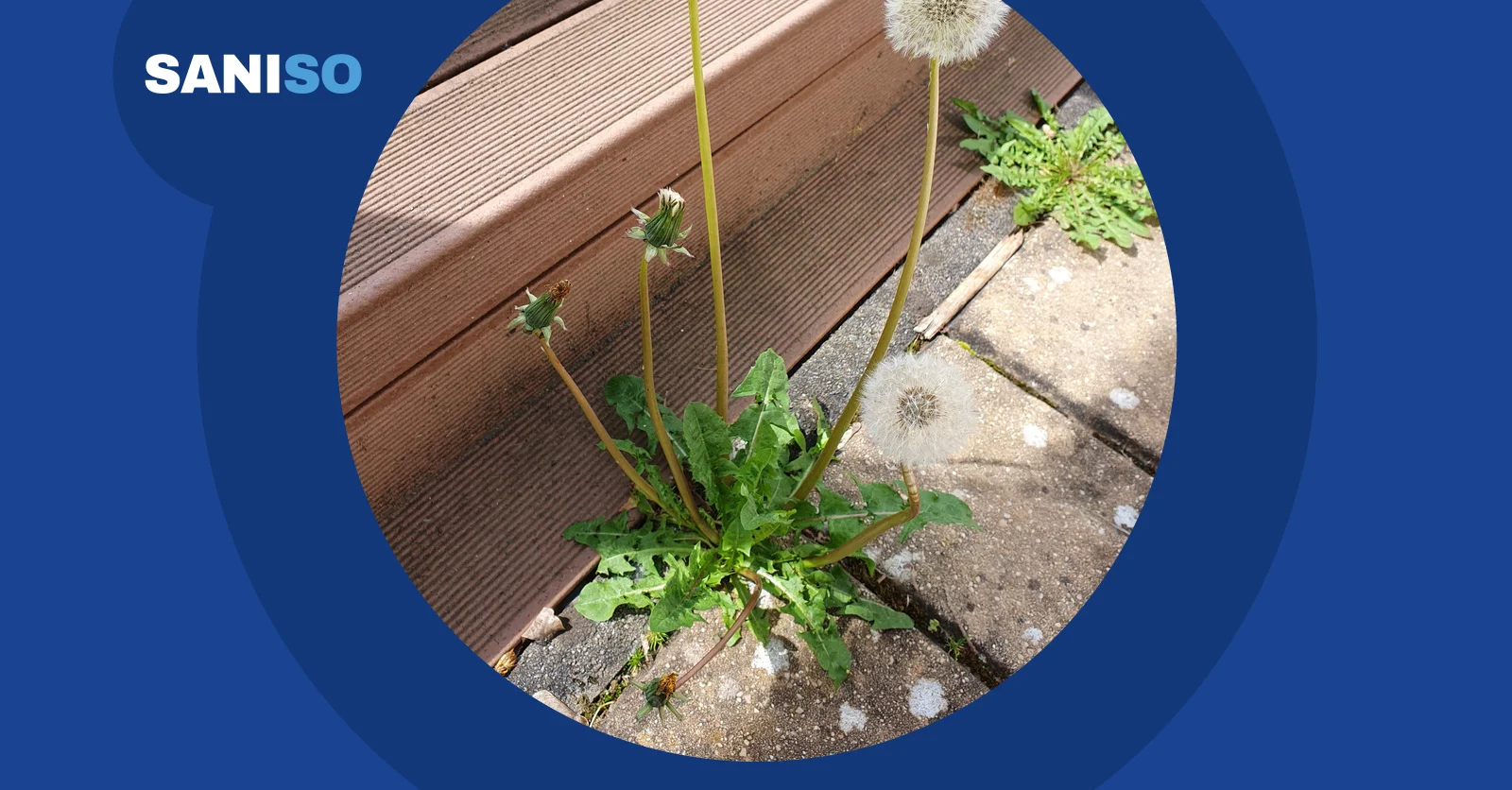
A patio or garden path only looks really tidy when the joints are clean. Yet every spring and autumn grass, moss and dandelions pop up between the slabs again. Removing weeds between paving tiles is a job you can easily do yourself. It mainly takes some patience, the right tools and a good posture, so that your back and knees can keep going. This blog explains step by step how to tackle it, without chemicals, and how to stop the weeds from coming back within a few weeks.
👷 Calling in a professional is never superfluous. Are the slabs loose, is the patio sinking or does the water no longer drain away? Then the problem goes deeper than the weeds. A paving contractor or landscaper can relay the paving and finish the joints properly.
Weeds need very little: a bit of soil, moisture and light. Over time, sand, leaves, dust and organic material collect in the joints between paving slabs. Seeds blown in by the wind or brought by birds germinate there. Especially in places that stay damp for a long time, in the shade and along walls, moss and grass grow quickly. The wider and deeper the joint, the more room for roots.
Weeding seems a quiet job, but you spend a long time bent over or on your knees and work with sharp edges and a wire brush. So protect yourself well:
⚠️ Only use a pressure washer on an outdoor socket that is suitable for outdoor use and keep the cable and plug dry. If you are unsure about the socket or the connection, have it checked by a certified installer.
You can find more general tips on working safely in our blog on safe working on the construction site.
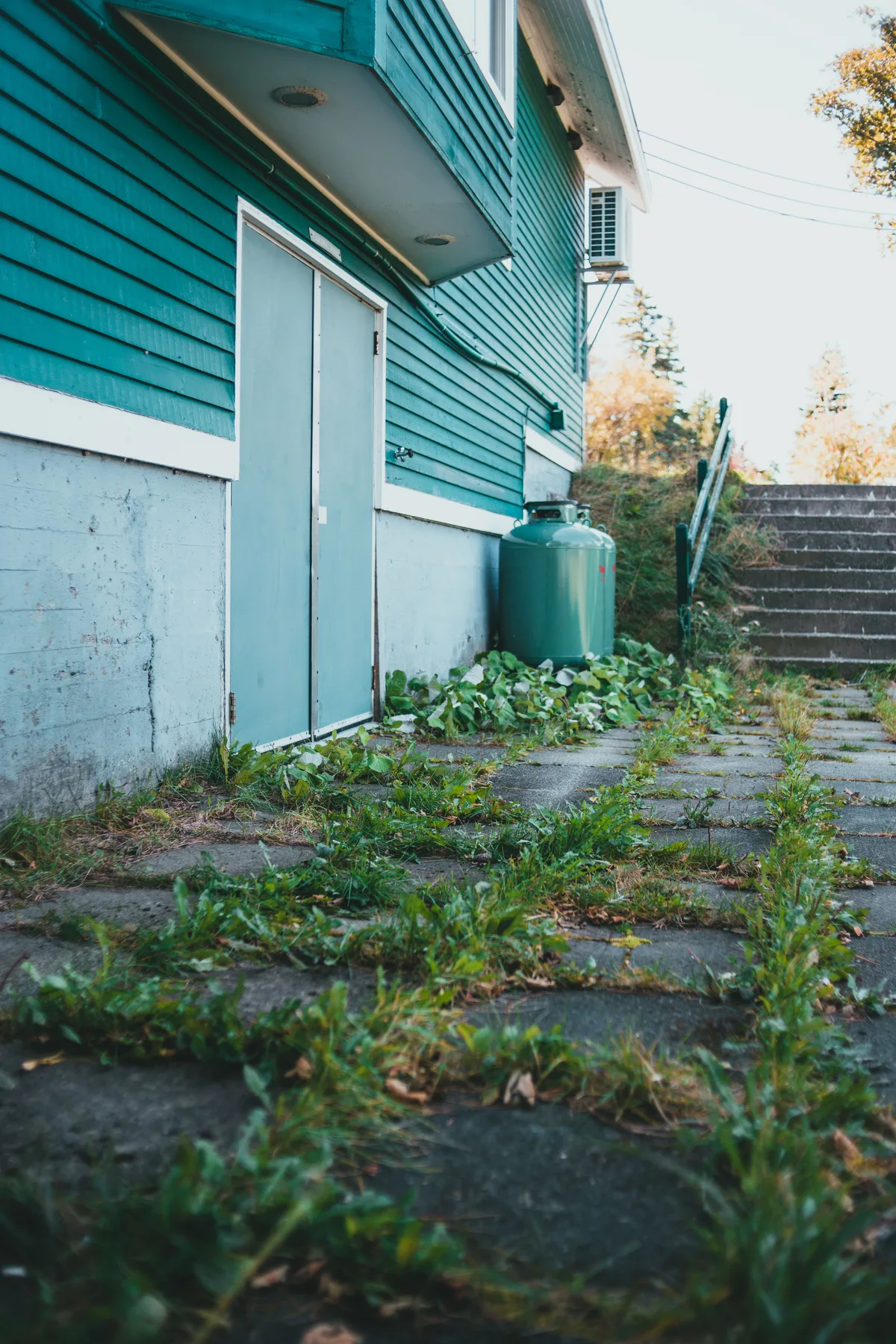
A pressure washer gets slabs nice and clean and flushes loose material out of the joints. But keep in mind:
Chemical weedkillers wash off the paving into the sewer and surface water when it rains. We therefore advise against them. Fortunately there are good alternatives:
In those cases a paving contractor or landscaper is never superfluous: a properly laid base with the right drainage prevents a lot of maintenance.
That depends on the spot. In the shade and in damp places, a quick weed and sweep every few weeks during the growing season is easiest. On sunny, dry patios a few times a year is often enough.
It mainly flushes away leaf remains and loose sand. Plants with deep roots are better removed with a weed puller. Refill the joints after spraying.
Preferably not. Salt and vinegar end up in the soil and water and can damage plants in the border, the jointing and some types of natural stone. Mechanical weeding is the safest choice.
Young plants without seed can go on the compost heap. Plants with seed or root weeds such as couch grass are better put in the green waste.
Read also: How to trim a hedge and How to lay a new lawn
Read also: How to lay a garden path
Read also: How to clean patio tiles
At Saniso, the online store for DIYers and professionals, you will find tools, materials and personal protective equipment for your job.
In doubt about the approach? Feel free to call in a professional.
Saniso – Build your home with Saniso.
Share:
Grout in one even colour across the whole wall or floor: that is what you want. In this blog we explain how the hybrid R...

Learn how to level a floor yourself: prepare the subfloor, prime, mix and pour self-levelling compound. Step-by-step wit...

Installing a kitchen: do it yourself or hire a professional? Read what is involved, which parts you can do yourself and...

Cersanit Ares cement-look tiles for bathroom, kitchen and living room: 30×30 to 60×120, matt or satin, plus mosaic, skir...