






Grout in one even colour across the whole wall or floor: that is what you want. In this blog we explain how the hybrid R...

Your online building supplies store for building and renovation
 English
✓
English
✓
 Nederlands
✓
Nederlands
✓
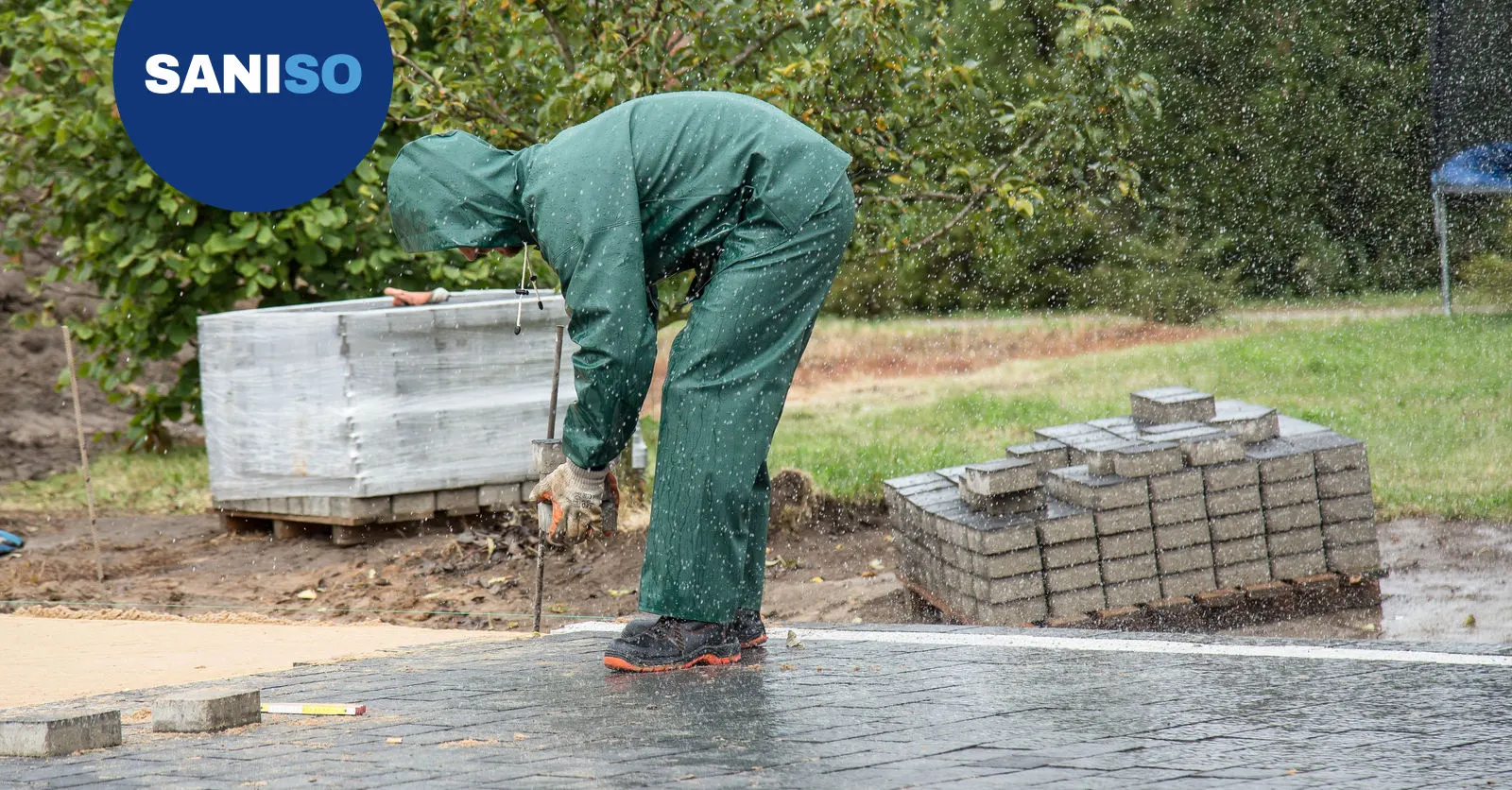
A garden path connects the patio with the shed, the front door with the gate or the border with the vegetable patch. A good path stays flat for years, drains rainwater and looks tidy. A poor path starts to wobble after just one winter, and grass grows between the slabs within a season. The difference lies mainly in what you do not see: the base. In this blog you will read step by step how to lay a garden path yourself with slabs or pavers: from setting out and digging to the sand bed, laying and filling the joints. Of course also with attention to working safely and to the moment when a paving contractor is the better choice.
👷 Calling in a professional is never superfluous. A paving contractor knows exactly how much fill and compaction the soil in your garden needs, works with a plate compactor and a laser and lays in a day what takes a DIYer a few weekends. For a driveway, a soft or wet base or a large area, that is well worth it.
⚠️ An angle grinder is a powerful machine. Always work with the guard fitted, with both hands on the machine and with the workpiece firmly supported. If you have no experience with it, leave the cutting to a paving contractor. You can find general tips in our blog on safe working on the construction site.
If you want a path with a curve, small pavers are handy: they follow the line without much cutting. Mark out a curve with a garden hose or a rope on the ground before you start digging. Large slabs make straight lines easier; a curve then means a lot of angled cutting.
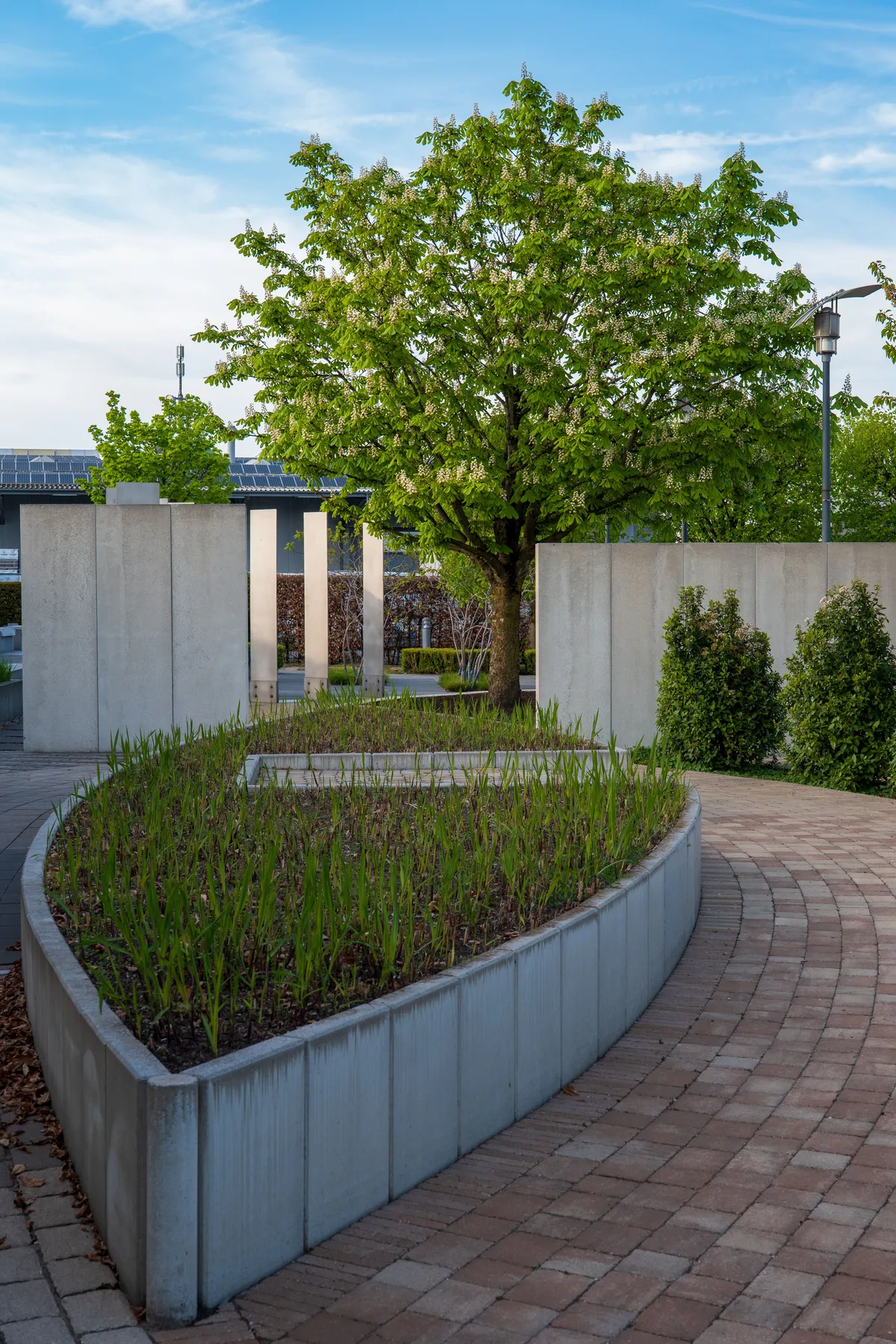
A well-laid garden path needs little maintenance. Sweep it regularly, top up joints when they empty and remove weeds before they root deeply. You can read how to do that without chemicals in our blog on removing weeds between paving tiles. You can find more garden tools in our guide to Stalco Garden tools.
In those cases the paving contractor is never superfluous: he determines the right build-up and compaction, so the path is still flat after years.
That depends on the slab thickness and the base. For a footpath on firm ground, you usually count on the slab thickness plus a sand bed of about five centimetres. On soft ground, more fill is needed.
That can help against weeds from below, but most weeds grow from seeds in the joints. Well-filled joints and regular sweeping help most.
Preferably not. Without a sand bed, slabs are not stable and sink quickly.
For most slabs and pavers a narrow joint of a few millimetres is enough. Some stones have spacer nibs that set the joint width automatically.
At Saniso, the online store for DIYers and professionals, you will find tools, materials and personal protective equipment for your job.
Read also: How to lay a new lawn and Getting your garden ready for winter
Read also: How to clean patio tiles
In doubt about the approach? Feel free to call in a professional.
Saniso – Build your home with Saniso.
Share:
Grout in one even colour across the whole wall or floor: that is what you want. In this blog we explain how the hybrid R...

Learn how to level a floor yourself: prepare the subfloor, prime, mix and pour self-levelling compound. Step-by-step wit...

Installing a kitchen: do it yourself or hire a professional? Read what is involved, which parts you can do yourself and...

Cersanit Ares cement-look tiles for bathroom, kitchen and living room: 30×30 to 60×120, matt or satin, plus mosaic, skir...