Cart (0)
No products in the cart.

 English ✓
 Nederlands ✓
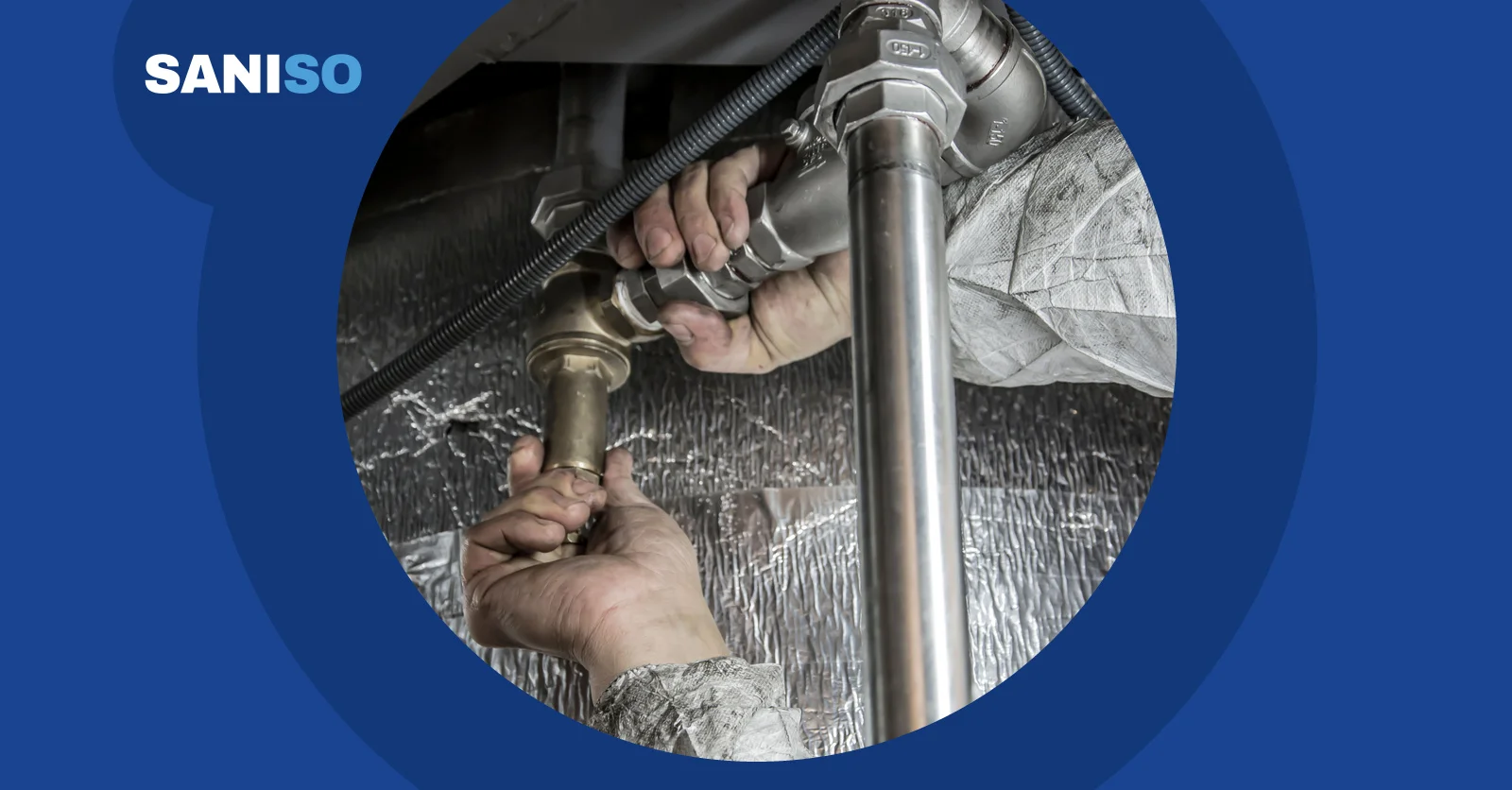
Short answer: an experienced DIYer can install a simple water pipe with multilayer pipe and press fittings, for example an extra tap point or a pipe to an outdoor tap. But only if you have the right pressing tool, follow the manufacturer's method exactly and test the pipe before you conceal it. For the central heating system, a complete bathroom, pipes that disappear into a floor or wall, or anything involving gas, choose a certified installer. This guide explains where the line is and why.
Also available in Dutch: Leidingwerk en perskoppelingen: zelf doen of installateur?.
Multilayer pipe is made of plastic with an aluminium core. It bends easily, keeps its shape and expands very little. Press fittings create a permanent joint without soldering or an open flame. That makes the system fast and clean, for installers and for people who like to do jobs themselves. Examples are the insulated Bonfix Alupers multilayer pipe or the bare Bonfix Alupers multilayer pipe 16 x 2 mm for short runs. Read more about the system in our blog on Bonfix Alupers multilayer pipe and press fittings and our blog on brass press fittings.
| Job | DIY? | Why |
| Extra tap point or outdoor tap on an existing pipe | yes, with experience | short run, easy to check |
| Exposed pipe, for example in a storage room | yes, with experience | you see a leak straight away |
| Pipes concealed in a floor or wall | preferably an installer | you only find a leak once there is damage |
| Re-routing a complete bathroom or kitchen | installer | several connections, pressure and flow must be right |
| Central heating pipes | installer | pressure, temperature and bleeding of the whole system |
| Anything with gas | always a certified installer | life-threatening if done wrong |
Common fittings are an Bonfix press coupling, a Bonfix T-piece 16 x 16 x 16, a Bonfix press socket 16 x 16 for a straight joint, a Bonfix wall plate 16 x 1/2 for a tap point and an Bonfix end cap 16 to close off a pipe temporarily. To connect to existing copper pipe, use an adapter such as the Bonfix press to compression adapter 16 x 15. Tighten compression fittings and taps with a water pump pliers set and combination wrench set.
⚠️ Do not mix systems from different manufacturers. Pipe, fitting and press jaw must belong together. If in doubt, have an installer do it.
Wear work gloves with nitrile coating against sharp pipe edges and a pair of safety goggles when drilling and sawing. Do not work on pipes near electrics unless you know exactly where the cables run, and always leave work on electrics and gas to a certified installer.
Calling in a professional is never unnecessary. An installer calculates which diameter is needed for sufficient flow, knows the regulations for drinking water installations, has the right pressing tools and carries out a pressure test with a calibrated gauge. And if there is damage, you know who is responsible.
👷 If you are in any doubt about your water pipes, and always for gas and central heating, call in a certified installer. A drinking water installation must meet the applicable regulations; an installer knows exactly what is needed. Installers who need larger quantities of multilayer pipe and fittings can contact Saniso for advice.
You may install a simple water pipe after the water meter yourself, as long as the installation meets the regulations. Work on the water meter and the connection before it is for the water company.
No. Press fittings need a press jaw with the correct profile. Without that tool the joint is not reliable.
Much multilayer pipe is suitable for drinking water and heating, but always check the specifications. Leave work on the central heating system to an installer.
Put the pipe under pressure before you conceal it and check all joints. An installer does this with a pressure gauge over a fixed period.
At Saniso, the online store for DIYers and professionals, you will find tools, materials and personal protective equipment for your job.
In doubt about the approach? Feel free to call in a professional.
Saniso – Build your home with Saniso.
Share:
Cement, hybrid or epoxy grout? CG1, CG2, W, A and RG explained according to EN 13888, and which grout to choose for wall...
From bath to shower: how to go about it. Shower tray or walk-in shower, drainage, waterproofing, a step-by-step plan and...
Compare the Cersanit Vortex toilet with Tornado. Learn how each flush works, what to check, and how to choose the right...
Combination pliers, side cutters or long nose? Buying guide with sizes, locking, circlip and VDE pliers, plus tips for w...