Cart (0)
No products in the cart.

 English ✓
 Nederlands ✓
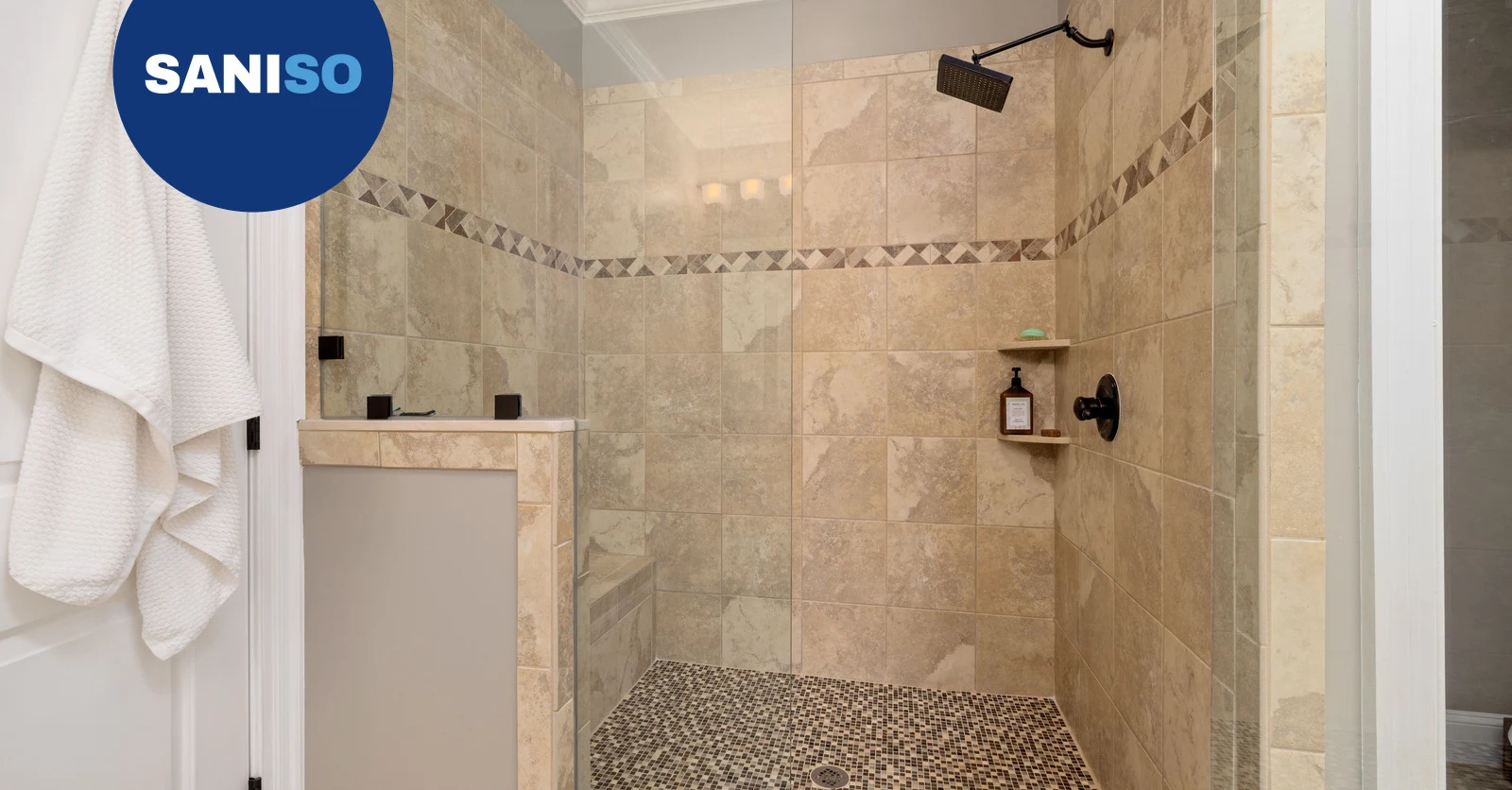
Short answer: for most walls and floors indoors, an improved cementitious grout marked CG2WA is a good choice. In showers with a lot of water, kitchens, catering and areas exposed to grease, acids or heavy cleaning, choose a reaction resin grout (RG), better known as epoxy grout. In between are hybrid grouts based on resin and cement. The letters on the packaging tell you exactly what a grout can do. This guide explains them and shows how to choose for each situation.
Also available in Dutch: Voegen kiezen: cementgebonden of epoxy, CG1 en CG2.
Tile grouts are classified according to the European standard EN 13888 (now also published as ISO 13007-3). The standard uses codes, just like the C1/C2 classification for tile adhesive that we explain in our explanation of tile adhesive C1, C2, S1 and S2.
| Code | Meaning | What to look for |
| CG1 | normal cementitious grout | basic requirements, for dry areas with light loads |
| CG2 | improved cementitious grout | meets additional requirements |
| W | reduced water absorption | less dirt and moisture in the joint |
| A | high abrasion resistance | for floors with heavy foot traffic |
| RG | reaction resin grout (epoxy) | water- and stain-proof, resistant to many chemicals |
So a CG2WA grout is an improved cement grout with low water absorption and high abrasion resistance. One example is Kerakoll Fugabella Eco Porcelana 0-5, intended for joints from 0 to 5 mm. RG is not a "higher class" of CG, but a different type of product.

Easy to work with, a generous open time and easy to wash off. Suitable for most wall and floor tiles at home. Downside: the joint stays more porous than epoxy and can get dirty faster in a wet shower or where there is a lot of grease. Good maintenance then matters, see our blog on cleaning and renewing discoloured grout.
An in-between option that combines the workability of cement with a denser, more colour-stable joint. Kerakoll Fugabella Color grout is such a grout: water-repellent, with low water absorption and available in many colours. Why that gives an even colour is explained in our blog on Resina-cemento and Fugabella Color.
A two-component grout that cures chemically. Water- and stain-proof, colour-stable and highly resistant to cleaning agents. Ideal for shower floors, mosaic, kitchen worktops and commercial kitchens. Kerakoll Fugalite Color grout is an epoxy grout in many colours; Kerakoll Fugalite Invisibile is a neutral, transparent version for glass mosaic and tiles where the joint should be almost invisible. The difference between both families is explained in our blog on choosing between Fugalite and Fugabella.
⚠️ Epoxy has a limited working time and must be washed off immediately and thoroughly. Work in small areas, with a clean bucket of water and a good sponge. Dried epoxy residue is hard to remove.
| Situation | Advice |
| Wall in a dry room | cementitious CG2, preferably with W |
| Bathroom floor and walls outside the shower | CG2WA or hybrid |
| Shower floor, walk-in shower, mosaic | epoxy (RG) or hybrid |
| Kitchen, worktop, catering | epoxy (RG) |
| Floor on underfloor heating or a deformable substrate | a grout with extra flexibility, for example with Kerakoll Fugaflex Eco |
| Patio and outdoor paving with wide joints | an outdoor grout such as Kerakoll Fugarok |
Always check the product's technical data sheet: joint width, drying time, load capacity and suitability for outdoor use. Joint width and colour together determine how your tiling looks; tips on colour are in our blog on choosing the right grout colour.
💡 Fill the joints completely and work diagonally across the tile. That way you do not pull the grout out of the joint and you get a flat, dense finish.
Cement is caustic to the skin and epoxy can cause skin irritation and sensitisation. Always wear work gloves with nitrile coating with a nitrile coating, a pair of safety goggles against splashes when mixing, and knee pads for floor work. Read the product's safety data sheet and work in a ventilated room.
A joint looks like a detail, but it determines how long tiling stays beautiful and sealed. An experienced tiler chooses the grout based on substrate, load and maintenance, and knows how epoxy behaves at different temperatures. Calling in a professional is never unnecessary, especially for a walk-in shower, large-format tiles or a commercial floor.
👷 Grout is not waterproofing. In a shower there must always be a waterproofing system under the tiles. If you are unsure about the build-up, have a tiler take a look. Working on larger projects as a professional? Contact Saniso for advice on larger quantities.
No. Epoxy is denser and stronger, but harder to work with. For an ordinary wall a good CG2WA grout is fine. Choose epoxy where water, grease or chemicals really matter.
An improved cementitious grout (CG2) with reduced water absorption (W) and high abrasion resistance (A).
No. Remove the old grout to about two thirds of the tile thickness, make the joint dust-free and then regrout.
Preferably epoxy or a high-quality hybrid grout, on a properly waterproofed substrate.
At Saniso, the online store for DIYers and professionals, you will find tools, materials and personal protective equipment for your job.
In doubt about the approach? Feel free to call in a professional.
Saniso – Build your home with Saniso.
Share:
Install multilayer pipe and press fittings yourself or call in an installer? What you can do yourself, how pressing work...
From bath to shower: how to go about it. Shower tray or walk-in shower, drainage, waterproofing, a step-by-step plan and...
Combination pliers, side cutters or long nose? Buying guide with sizes, locking, circlip and VDE pliers, plus tips for w...
Does your door squeak or creak with every movement, or does the handle dent the wall? This is how to lubricate squeaky h...