Cart (0)
No products in the cart.

 English ✓
 Nederlands ✓
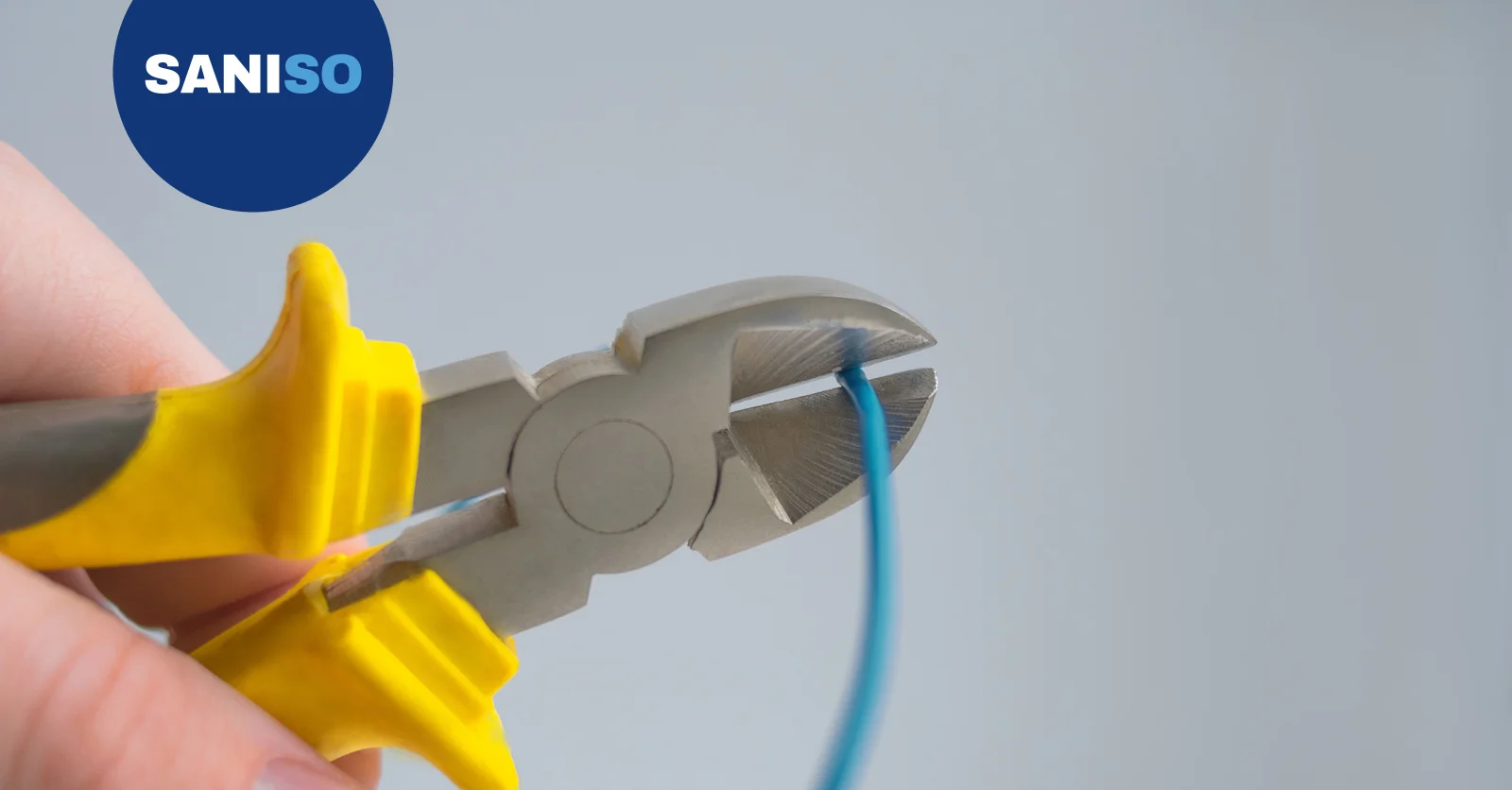
Short answer: for most jobs you need three pliers. Combination pliers to grip, bend and cut thin wire, side cutters to snip wire, cable ties and tie wire cleanly, and long nose pliers for small work in tight corners. After that you add water pump pliers, locking pliers and, if you work a lot on machines or vehicles, circlip pliers. Choose pliers for the work you actually do, not for the biggest set.
Also available in Dutch: Welke combinatietangen en tangen kies je? Keuzegids.
Pliers are a lever: the longer the handles and the closer the work sits to the joint, the more force you apply. Every shape is made for one kind of work. Turning a nut with combination pliers damages both the nut and the jaws; cutting thick steel wire with long nose pliers snaps off the tip. A small, well-chosen set is faster and safer than one tool that does everything halfway. How to recognise quality in steel, joint and finish is explained in our blog on recognising quality tools.
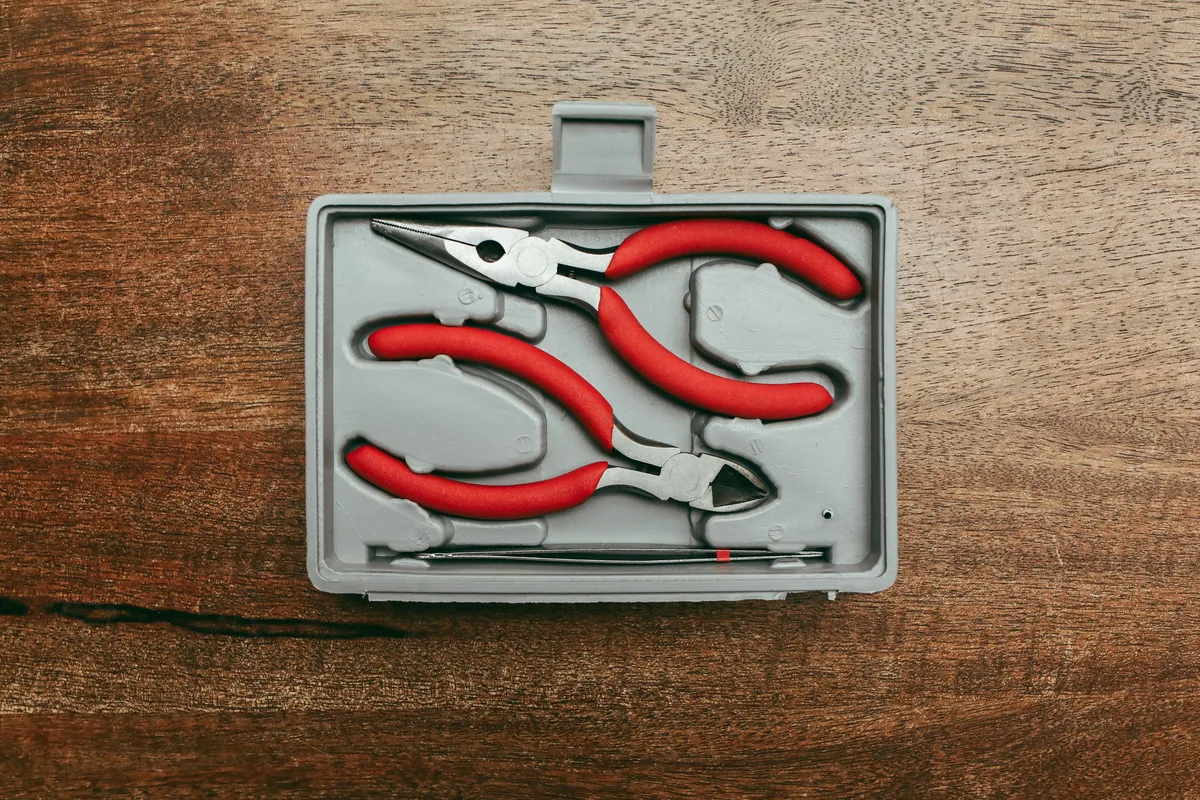
Combination pliers have flat, serrated jaws for gripping, a rounded section for pipes and small round parts, and a cutting edge near the joint for thin wire. Ideal for bending, holding, twisting wire and small repairs.
Side cutters (also called diagonal cutters) only have cutting edges. You use them for wire, cable ties, tie wire and thin nails, close to the surface. Choose the side cutters 160 mm for precision or the side cutters 180 mm for more force. Never cut hardened steel or wire thicker than the cutter is made for: small pieces will chip off the cutting edge.
The long, narrow jaws of long nose pliers grip small parts, bend loops in wire and reach behind a panel or inside a cabinet. A straight straight long nose pliers 200 mm is the most versatile; a bent bent long nose pliers 200 mm helps when you have to work around a corner.
💡 Keep the three basic pliers together in your toolbox or bag. That way you automatically grab the right one instead of "whichever pliers happen to be on top".
| Pliers | Used for | Watch out |
| Water pump pliers | pipes, traps, large nuts and round parts | adjustable jaw opening, see water pump pliers set |
| Pipe wrench | stuck steel pipe and fittings | grips hard, damages chrome parts |
| Locking pliers | clamping, holding, loosening rounded bolts | adjusting screw and release lever, such as the locking pliers 225 mm |
| Adjustable pliers | changing sizes with one tool | handy as a second hand next to a spanner, such as the adjustable pliers 250 mm |
More about water pump pliers and pipe wrenches, and when to use which, is in our buyer's guide to water pump pliers and pipe wrenches. For a pipe wrench: use it on rough steel, not on visible work such as a chrome tap. Put a cloth in between or choose water pump pliers with smooth jaws.
⚠️ Insulated VDE pliers such as the VDE combination pliers 180 mm (1000 V) or the VDE side cutters 160 mm (1000 V) are tested up to 1000 V, but they do not make live working safe or permitted. Work on the consumer unit, circuits and fixed wiring is for authorised, qualified electricians. If in doubt, always call in a qualified electrician.
Gloves that suit your work are covered in our buying guide for work gloves. On a construction site, the agreements in our blog on safe working on the construction site also apply.
Wipe off dirt and moisture after use, give the joint a drop of oil now and then and store pliers dry. Do not leave pliers in the rain or in a damp van: rust in the joint makes them stiff and inaccurate. Replace pliers with damaged insulation or a chipped cutting edge, especially VDE pliers.
👷 Good pliers make your work easier, but they do not make any job safer than your knowledge. When it comes to pipes, gas, electrics or anything you are not sure about, calling in a professional is never unnecessary. They have the right tools and the experience to do it right the first time.
Combination pliers can grip, bend and cut thin wire. Side cutters can only cut, but they cut cleaner, closer to the surface and with less effort.
For most people 180 mm is the best choice. If you often work in small spaces, choose 160 mm; if you regularly handle stiff wire or rough work, choose 200 mm.
Only if your trade requires them. VDE pliers protect against accidental contact with voltage, but work on the installation remains work for a qualified electrician.
Many long nose pliers have a small cutting edge for thin wire. For cable ties and stiffer wire, side cutters are better.
At Saniso, the online store for DIYers and professionals, you will find tools, materials and personal protective equipment for your job.
In doubt about the approach? Feel free to call in a professional.
Saniso – Build your home with Saniso.
Share:
Install multilayer pipe and press fittings yourself or call in an installer? What you can do yourself, how pressing work...
Cement, hybrid or epoxy grout? CG1, CG2, W, A and RG explained according to EN 13888, and which grout to choose for wall...
From bath to shower: how to go about it. Shower tray or walk-in shower, drainage, waterproofing, a step-by-step plan and...
Does your door squeak or creak with every movement, or does the handle dent the wall? This is how to lubricate squeaky h...