



Grinding, sawing, chiselling or drilling? Find out how eye injuries happen, whether to choose safety glasses, goggles or...

Your online building supplies store for building and renovation
 English
✓
 Nederlands
✓

Asbestos can be present in homes built before 1994, for example in corrugated sheets, floor coverings, pipes and boards around the chimney. You cannot reliably recognise it by sight, so stop immediately if you suspect asbestos and have it inspected by a certified company. Below we explain where asbestos can be found and what to do.
Do you live or work in a building from before 1994? Then it may contain asbestos. Think for example of:
No, not with certainty. Asbestos cannot be reliably identified with the naked eye. In doubt? Then assume it is asbestos until proven otherwise. Only a certified asbestos survey company can establish whether it really contains asbestos, and advise whether it can stay or should be removed. Renovating or buying a house? That is the moment for a survey.
The most important rule is simple: stop. Leave the material alone and find out what it is first.
Removing asbestos is almost always a job for a certified removal company. Private individuals may only do it themselves in a few limited cases, for example undamaged, screwed-on sheets up to a maximum of 35 m² per address, and only after submitting a demolition notification via the Omgevingsloket (the Dutch environment and planning portal). Even then it is often discouraged: better leave it to a professional.
💡 Tip: before starting a renovation, take photos of the areas you are going to tackle: the floor under the old vinyl, the boards around the fireplace, the roof of the shed. Then you can show exactly what you mean when you ask for advice.
A dust mask, gloves and safety glasses belong to every demolition and sanding job. But note: a dust mask does not make working on asbestos safe. With asbestos, stop and call in specialists. Also read our guide to safe working on the construction site and our tips on checking your roof after a storm.
Not while it is undamaged and left alone. The danger comes when fibres are released and inhaled, for example through drilling, sawing, breaking or weathering of an old asbestos roof.
Stop immediately, leave the material and the dust where they are and leave the room. Keep others away and do not clean anything up yourself. Have a certified company assess it, or call your landlord if you rent.
Only under strict conditions: undamaged, firmly bonded, fixed with screws, removable in one piece, a maximum of 35 m² per address and after a demolition notification. In doubt about any of these points? Then call in a certified company.
No, and thatched roofs don't either. It can be found in corrugated sheets, flat roof slates and sometimes bitumen.
Saniso – Build your home with Saniso.
Share:
Grinding, sawing, chiselling or drilling? Find out how eye injuries happen, whether to choose safety glasses, goggles or...

Grinding, sawing or breaking? Find out when noise is too loud for your ears, what the Dutch rules say, whether to choose...
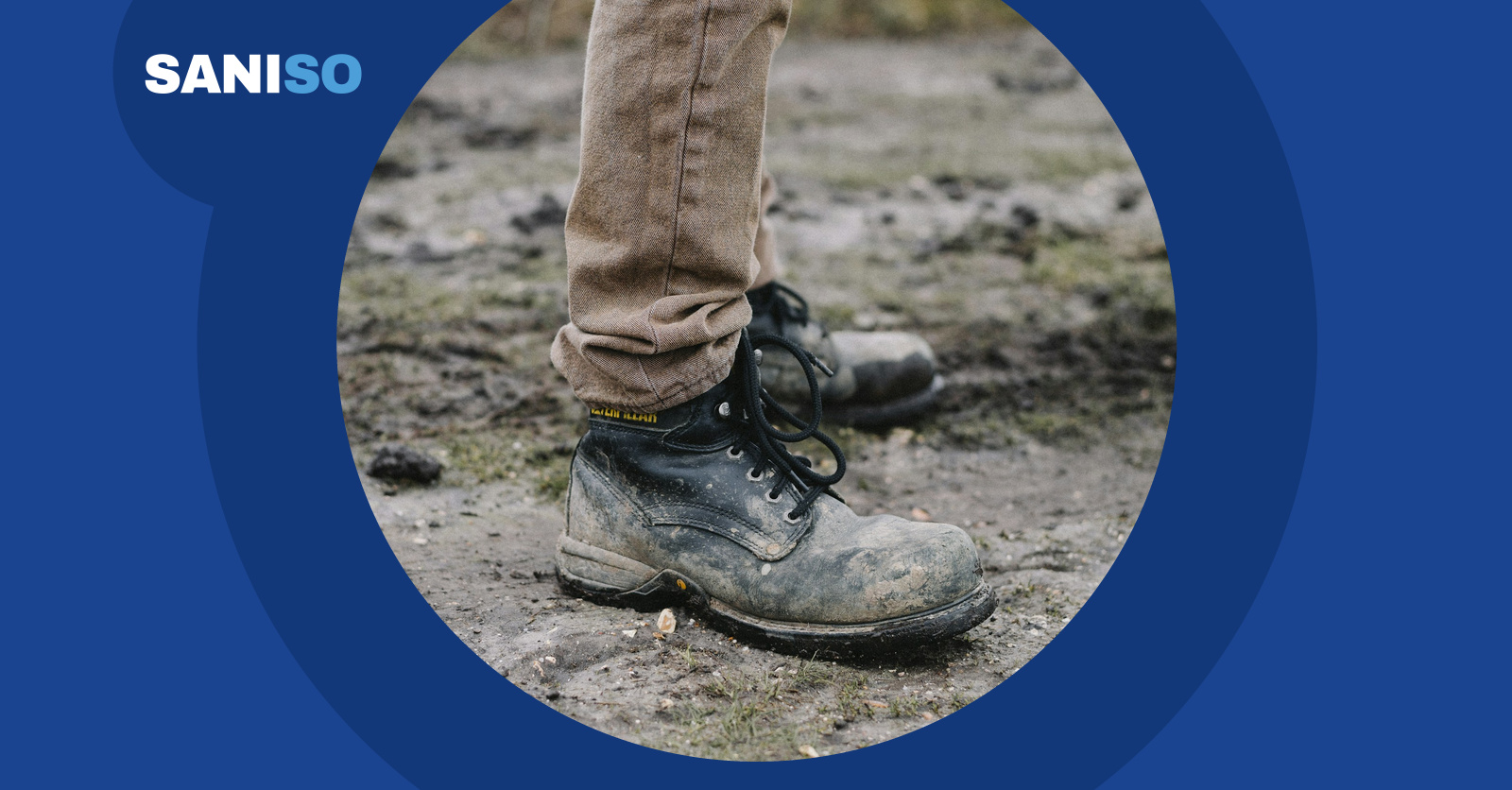
SB, S1P, S3 or S5? How to choose safety shoes that suit your job. With the changes in the 2022 standard, tips on fit and...
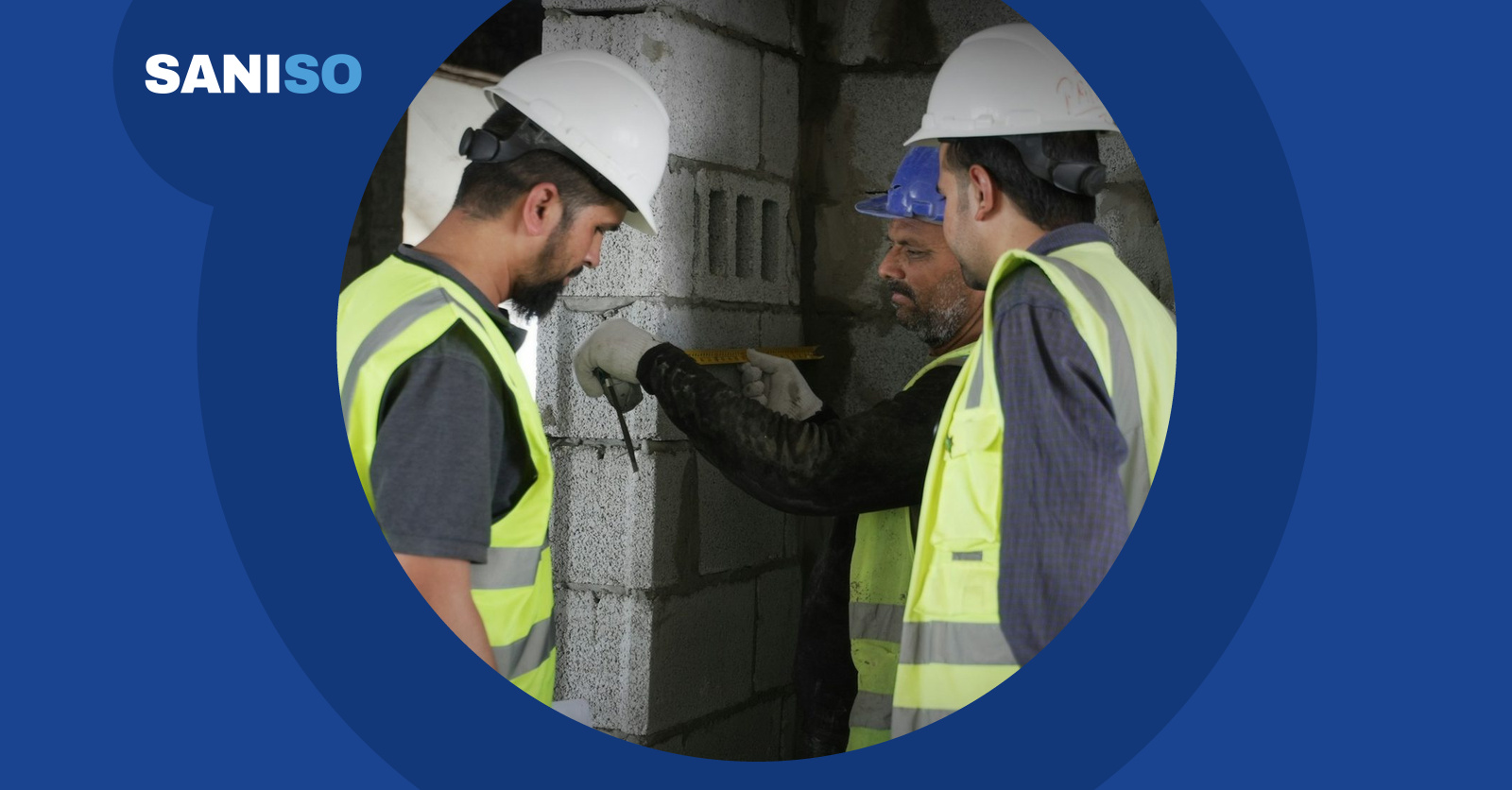
Falls, silica dust, noise and heavy lifting: how to work safely on the construction site. With PPE per job, tips for DIY...