
Does your shower sputter or spray sideways? Read how to descale a shower head, clean the jets and check whether limescal...

Your online building supplies store for building and renovation
 English
✓
 Nederlands
✓
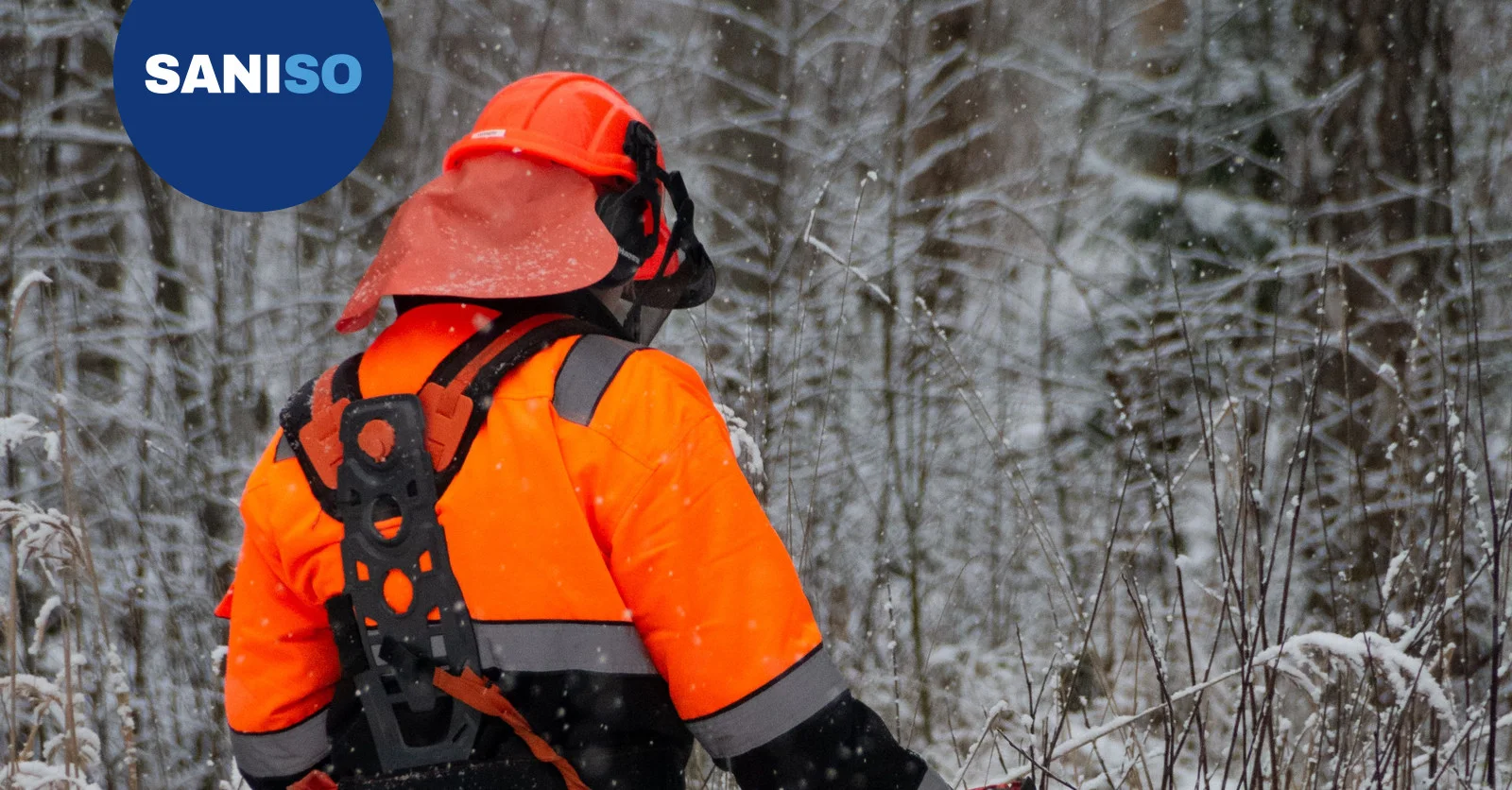
Stay warm when working outside in winter with a dry base layer, a warm middle layer and an outer layer against wind and rain. Keep your hands and feet dry with good gloves and insulated, waterproof work shoes, because that is where you lose feel and grip first. Below we explain what you need and how to do it.
👷 Calling in a professional is never unnecessary. For work at height, snow on a roof or slippery scaffolds, a professional remains the safest choice. Stop with ice, strong wind or a surface where you have no grip; no job is worth a fall.
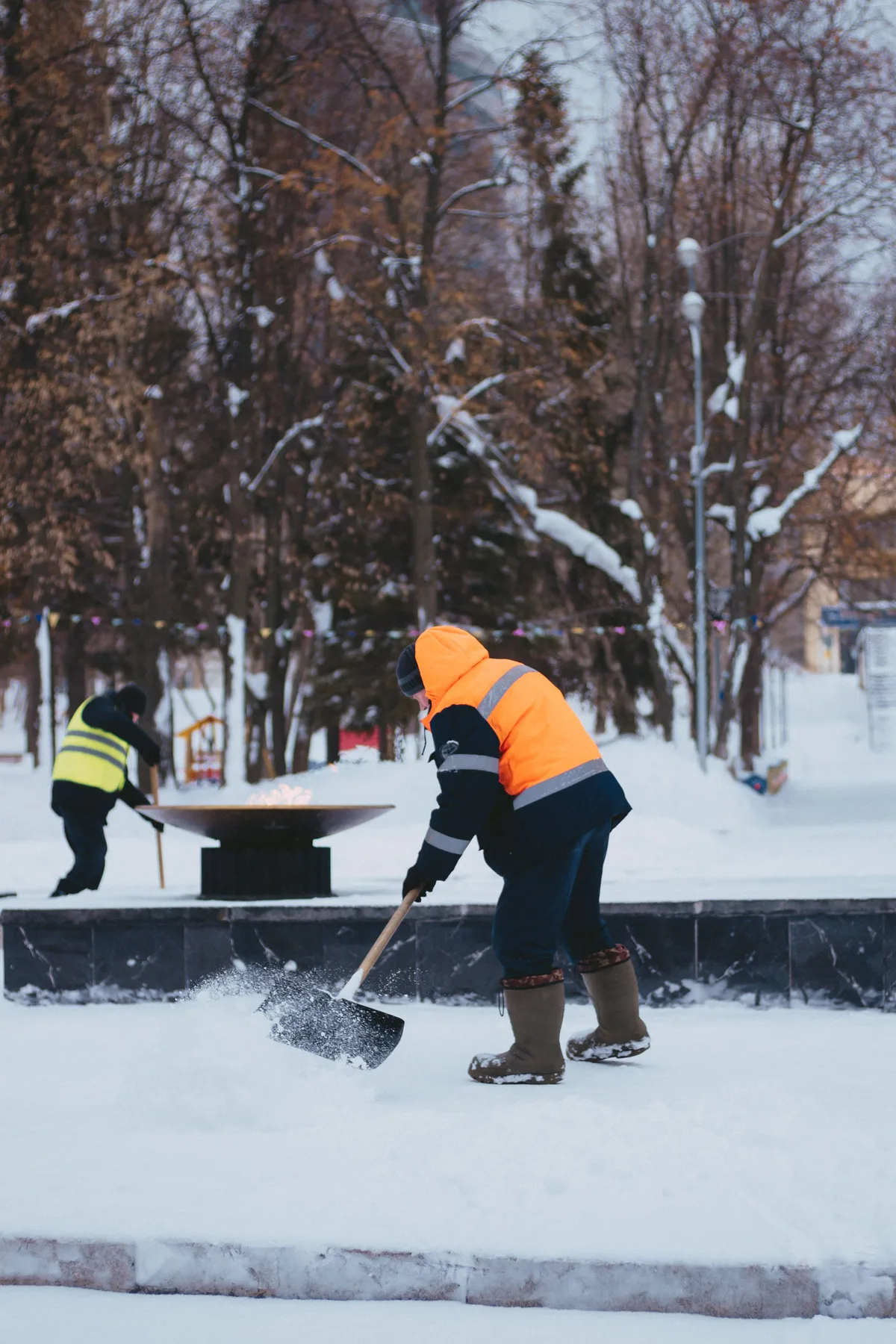
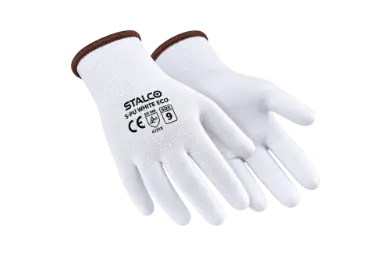
Always wear PPE that fits the job, also when it is cold. Taking gloves off for better feel does not make cutting safer; then choose a thinner fitting model. Stop with numb fingers, shivering that does not stop or dizziness and warm up indoors.
The dry base layer and dry feet make the greatest difference in feeling. A thick coat over wet clothing helps little because moisture keeps cooling.
For light and dry work much is possible, but as soon as you lift, saw or stand on slippery ground, a firm work shoe with grip and toe protection fits much better.
Working warm is planning: layers, dry spares and checking grip before cold sets your pace.
Read also: Choosing work trousers, Choosing safety shoes and Thermal underwear for work
At Saniso, the online store for DIYers and professionals, you will find tools, materials and personal protective equipment for your job.
In doubt about the approach? Feel free to call in a professional.
Saniso – Build your home with Saniso.
Share:
Does your shower sputter or spray sideways? Read how to descale a shower head, clean the jets and check whether limescal...
A laser sets out a whole line at once, a spirit level checks tile by tile. Read when to use each and how to avoid crooke...

Want to wallpaper a wall yourself? This guide shows you how to prepare the surface, mark a plumb line, paste non-woven o...
Does the water keep running after flushing? Check the flush plate and cistern first. Read what you can do yourself and w...