
Does your shower sputter or spray sideways? Read how to descale a shower head, clean the jets and check whether limescal...

Your online building supplies store for building and renovation
 English
✓
 Nederlands
✓
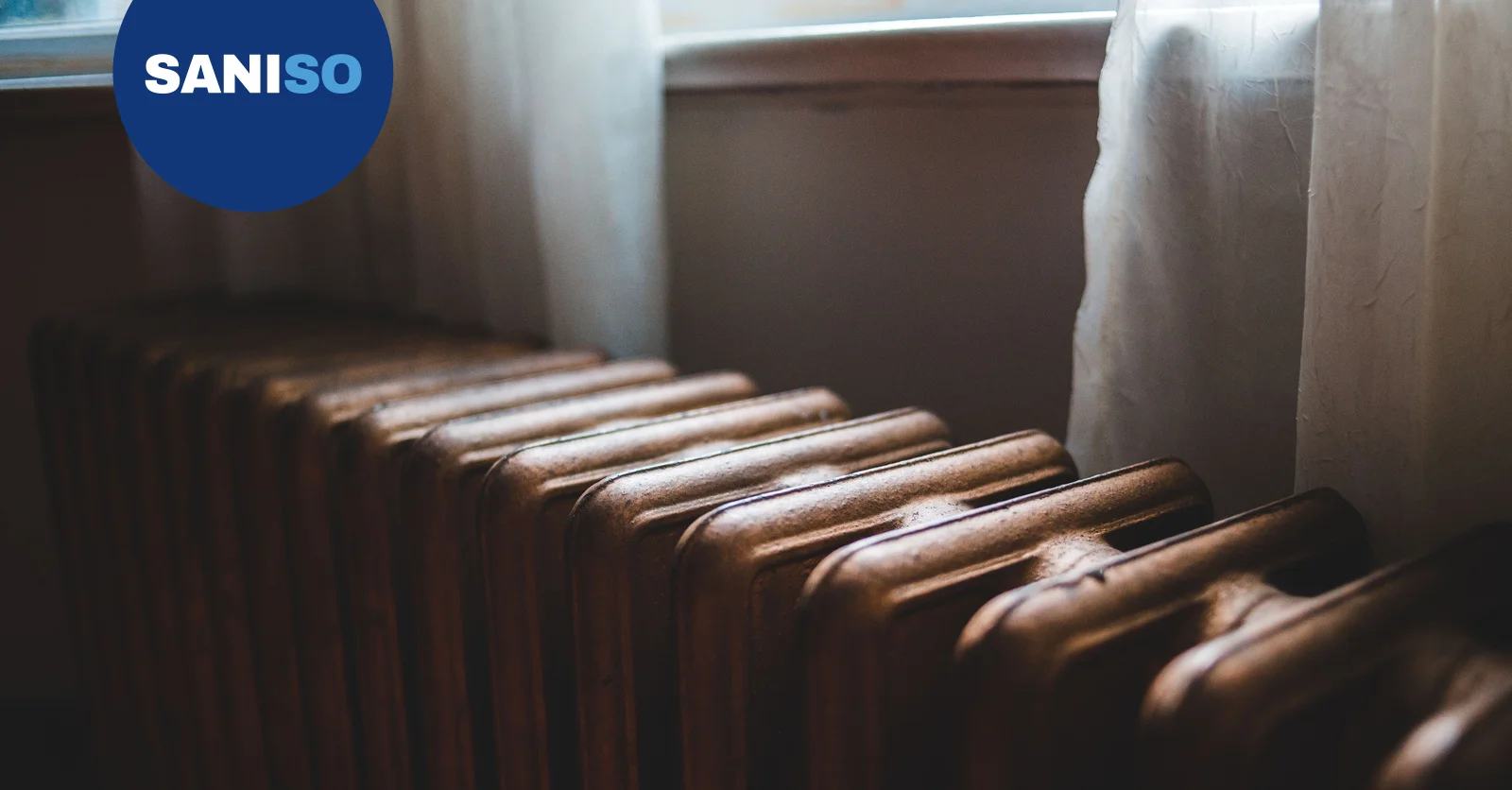
Short answer: turn the heating off, let everything cool and bleed radiators from low to high until water comes. Then check the pressure of the system. If pressure keeps falling or you must top up often, there is more going on than air. This blog is only about bleeding and looking; topping up and repairs to an appliance follow the appliance directions or belong to an installer.
👷 Calling in a professional is never unnecessary. A certified installer is needed for an appliance that stays in fault, pressure that falls quickly, a leak, gas or work on the heating system. For gas, a certified installer is the only correct route.
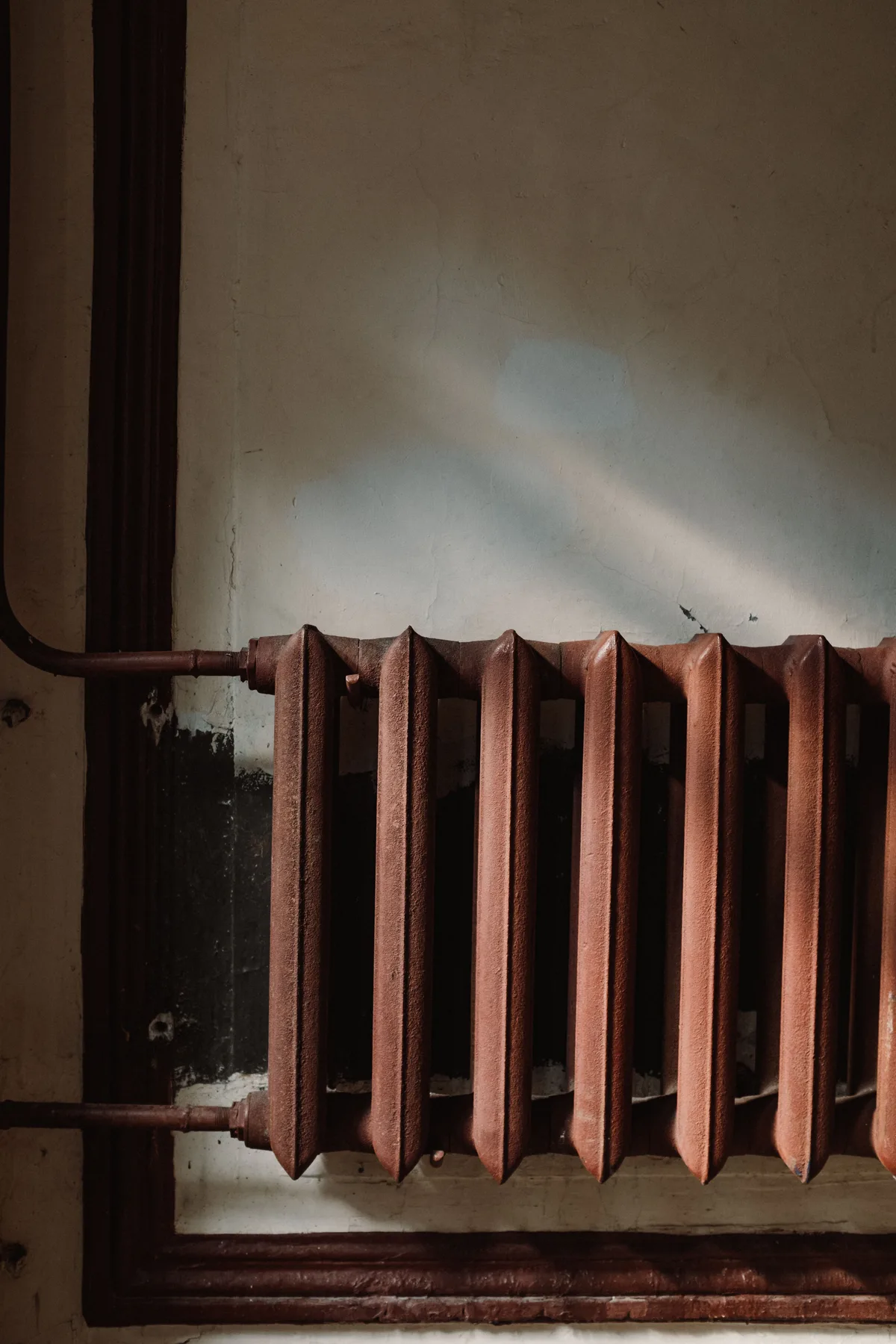
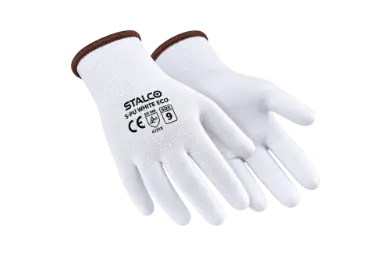
Wear work gloves with nitrile coating against dirty water and safety goggles if a valve can spray. Never open a hot radiator and do not force a stuck valve with large tools. For gas, a smell of fumes or an appliance fault, stop and call a certified installer.
Air collects there. Bleeding often helps then. If the bottom stays cold or the whole radiator, flow or control can be the cause.
A little now and then after bleeding can happen. Frequent topping up or quickly falling pressure is a sign to have an installer look for a leak or faulty part.
You can bleed calmly yourself. As soon as pressure, leakage or the appliance itself comes into view, the installer is the next step.
Read also: How to paint a radiator and How to insulate an attic
At Saniso, the online store for DIYers and professionals, you will find tools, materials and personal protective equipment for your job.
In doubt about the approach? Feel free to call in a professional.
Saniso – Build your home with Saniso.
Share:
Does your shower sputter or spray sideways? Read how to descale a shower head, clean the jets and check whether limescal...
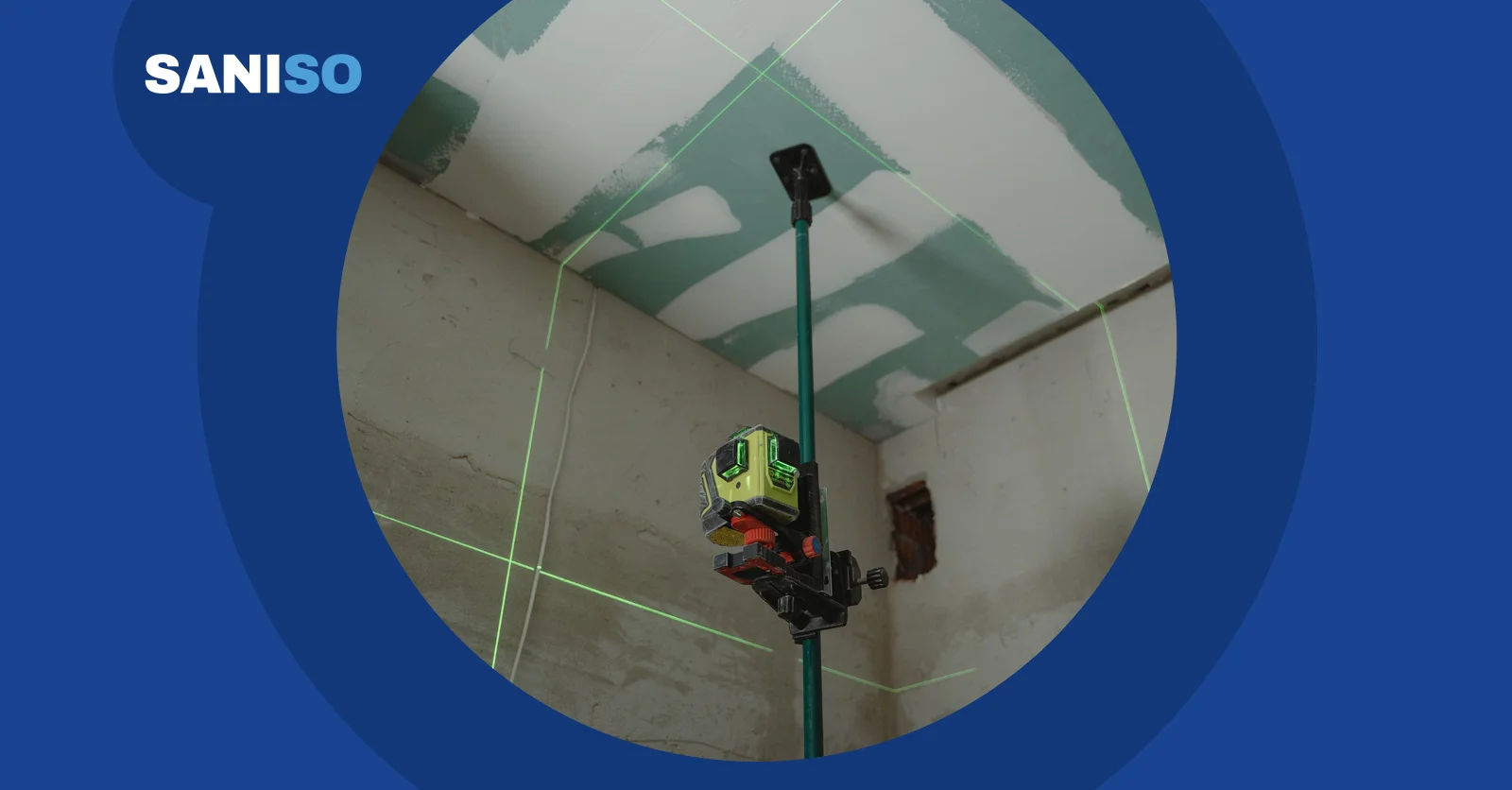
A laser sets out a whole line at once, a spirit level checks tile by tile. Read when to use each and how to avoid crooke...
Want to wallpaper a wall yourself? This guide shows you how to prepare the surface, mark a plumb line, paste non-woven o...
Cold hands and wet feet make outdoor work unsafe. Read how layers, dry socks and suitable footwear keep you warm and sha...