






Grout in one even colour across the whole wall or floor: that is what you want. In this blog we explain how the hybrid R...

Your online building supplies store for building and renovation
 English
✓
English
✓
 Nederlands
✓
Nederlands
✓
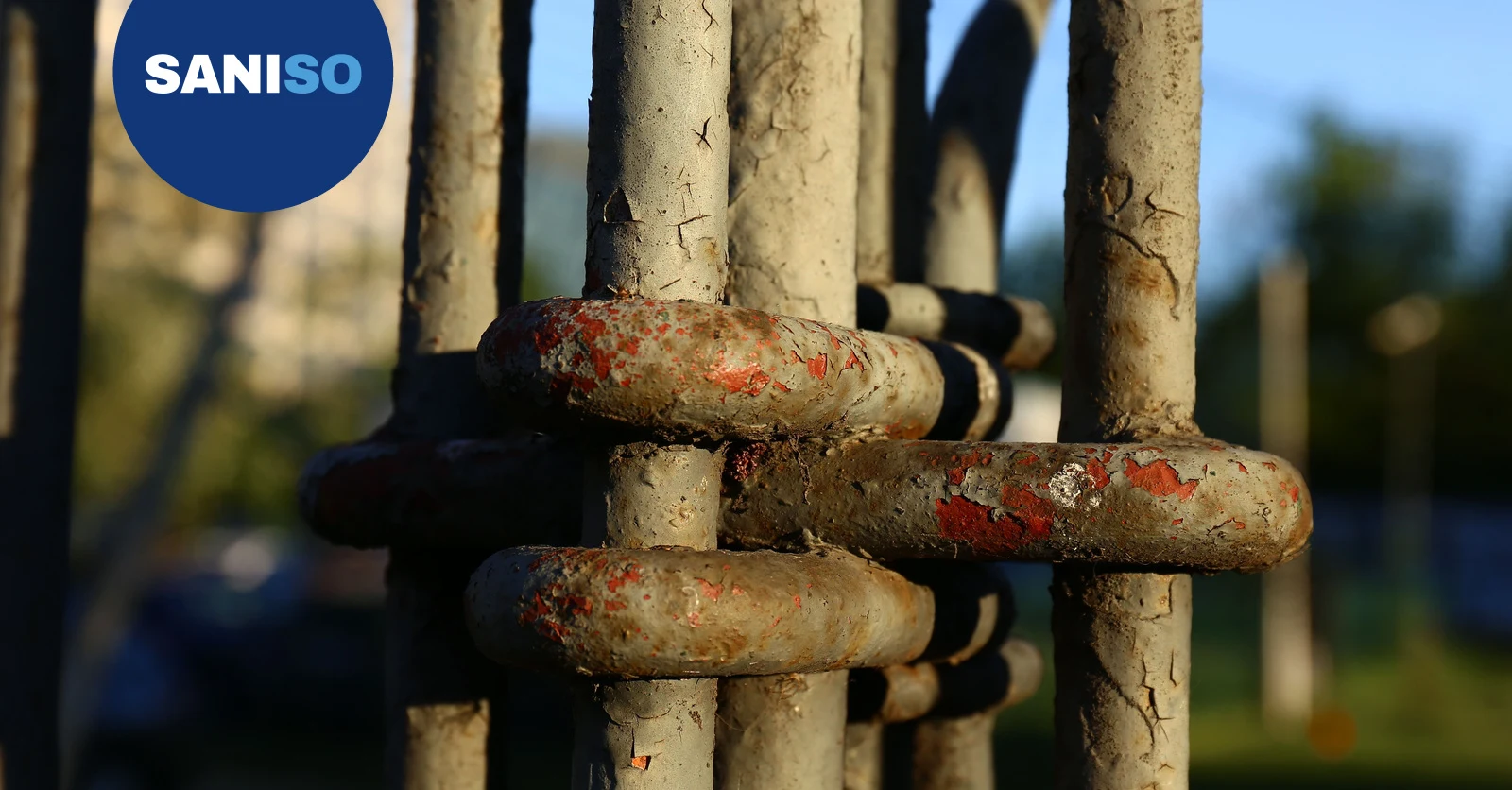
Rust starts with an orange spot and can spread quickly. If you tackle it in time, metal stays usable and good-looking. In this blog you will read how to remove rust from fencing, hinges, tools and other metal parts and how to protect the metal afterwards.
⚠️ Sanding and brushing off rust produces dust and small particles. Always wear safety glasses, gloves and a dust mask. Is the rust on a load-bearing structure, or is the metal already badly weakened? Have a professional assess it. A professional is never superfluous with structural parts.
Decide how deep the rust goes. Surface rust can be brushed and sanded, deep rust can weaken the metal. Cover the surroundings and work in dry weather. Read the instructions of the rust remover manufacturer and test it on an inconspicuous spot first.
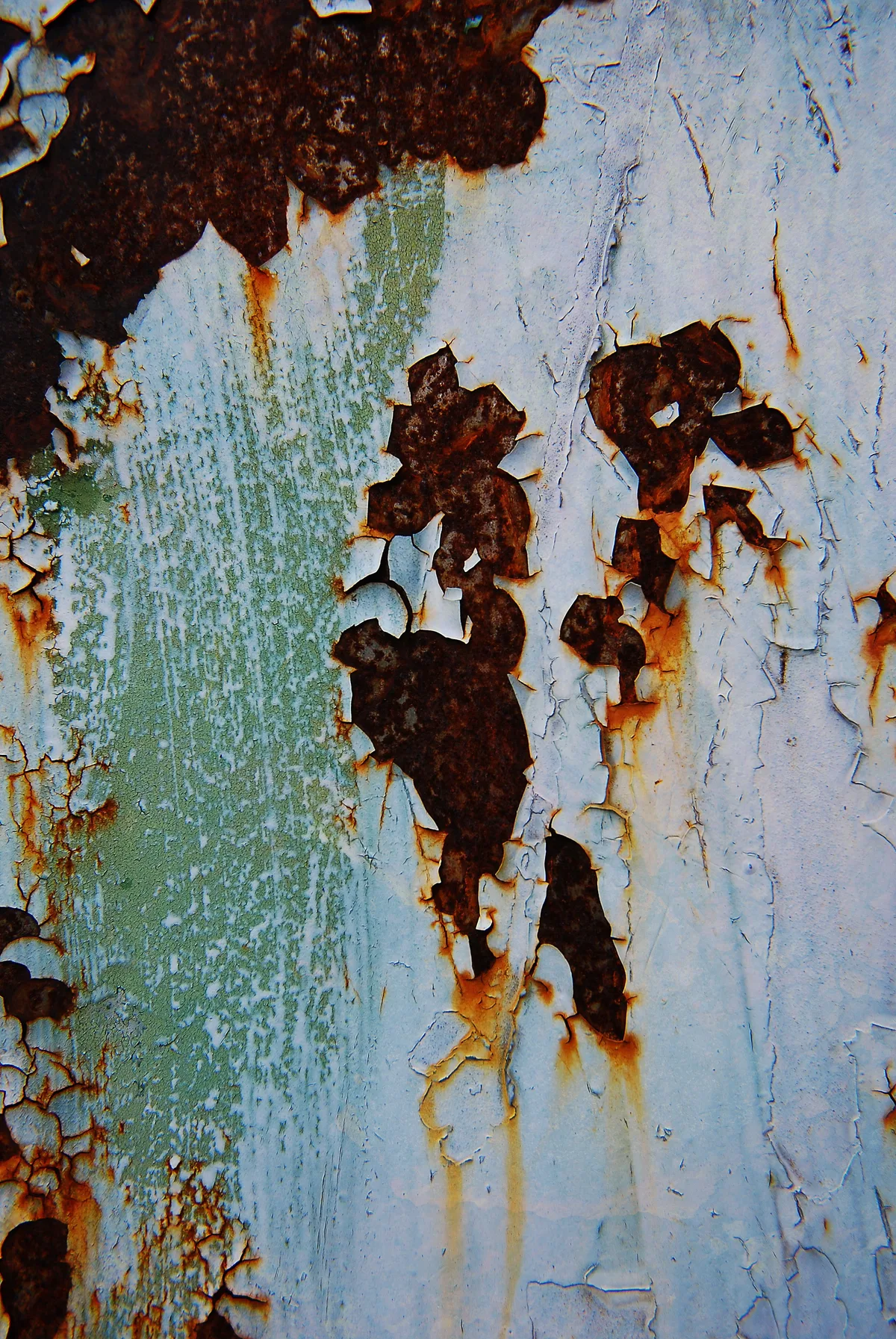
💡 Treat the metal as soon as possible after sanding. Bare steel starts to rust again within a short time.
Wear gloves against sharp edges and chemicals, safety glasses against particles and a dust mask. Work in a well-ventilated space and always read the label of the product. You will find more safety tips in our blog on safe working on the construction site. Read more about painting and brushes in our blog on paint rollers and brushes, and about masking in our blog on masking tape and protective film.
Read also: How to paint a radiator and How to paint a door
Yes, brushing, sanding and protecting is something a DIYer can do well.
With badly rusted structures or load-bearing parts, or if you doubt the strength of the metal.
By applying a suitable anti-rust paint or coating after sanding and checking regularly.
At Saniso, the online store for DIYers and professionals, you will find tools, materials and personal protective equipment for your job.
In doubt about the approach? Feel free to call in a professional.
Saniso – Build your home with Saniso.
Share:
Grout in one even colour across the whole wall or floor: that is what you want. In this blog we explain how the hybrid R...

Learn how to level a floor yourself: prepare the subfloor, prime, mix and pour self-levelling compound. Step-by-step wit...

Installing a kitchen: do it yourself or hire a professional? Read what is involved, which parts you can do yourself and...

Cersanit Ares cement-look tiles for bathroom, kitchen and living room: 30×30 to 60×120, matt or satin, plus mosaic, skir...