






Grout in one even colour across the whole wall or floor: that is what you want. In this blog we explain how the hybrid R...

Your online building supplies store for building and renovation
 English
✓
English
✓
 Nederlands
✓
Nederlands
✓
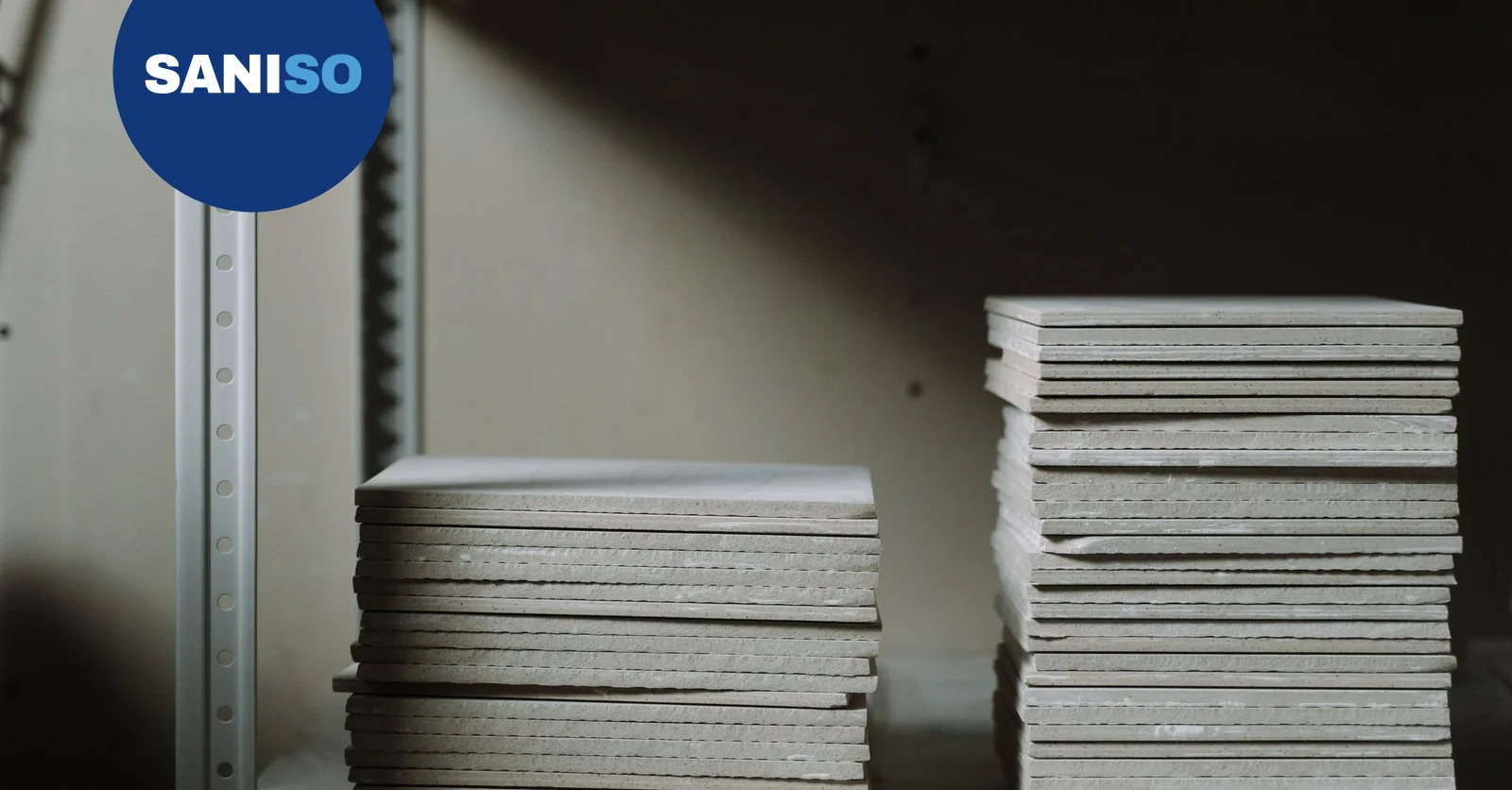
Tiles and slabs look harmless, but a box of tiles is heavy and a large slab is slippery, sharp at the edges and breaks easily. That is why things often go wrong during transport: a back that protests, a broken slab or a load that shifts in the car. With the right approach, the right aids and a little preparation, you transport tiles safely from the point of purchase to your job. In this blog you will read how.
👷 Calling in a professional or a carrier is never superfluous. Is it about large or heavy slabs, many packs at once, a staircase or floor without a lift, or an unsuitable vehicle? Then leave the transport to a carrier and let the tiler think along about the delivery.
Read more about the tiling itself in our blog on tiling a floor.
Tile edges are sharp and a smooth pack slips out of your hands easily. Always wear:
💡 Gloves with good grip stop a tile slipping away. Wear them from the moment you load.

⚠️ A badly secured load is a danger to yourself and to others when braking. Always adapt your driving and drive calmly.
When in doubt, the carrier is the safe choice. General rules for safe working are in our blog on safe working on the construction site; for tile systems and tools see our blog on Raimondi tile tools.
It can be done, but upright is safer for the tiles. Make sure nothing can slide.
Transport upright, support the whole slab and use a cart or carrying system on site.
Check the packaging or the product sheet and ask for help or a carrier if in doubt.
At Saniso, the online store for DIYers and professionals, you will find tools, materials and personal protective equipment for your job.
In doubt about the approach? Feel free to call in a professional.
Saniso – Build your home with Saniso.
Read also: How to replace a broken tile and Safety footwear S1, S1P, S2, S3 explained
Read also: How to transport ladders and scaffolding safely
Read also: How to transport sanitaryware and furniture safely
Read also: How to transport timber and long materials: roof rack and securing
Share:
Grout in one even colour across the whole wall or floor: that is what you want. In this blog we explain how the hybrid R...

Learn how to level a floor yourself: prepare the subfloor, prime, mix and pour self-levelling compound. Step-by-step wit...

Installing a kitchen: do it yourself or hire a professional? Read what is involved, which parts you can do yourself and...

Cersanit Ares cement-look tiles for bathroom, kitchen and living room: 30×30 to 60×120, matt or satin, plus mosaic, skir...