Cart (0)
No products in the cart.

 English ✓
 Nederlands ✓
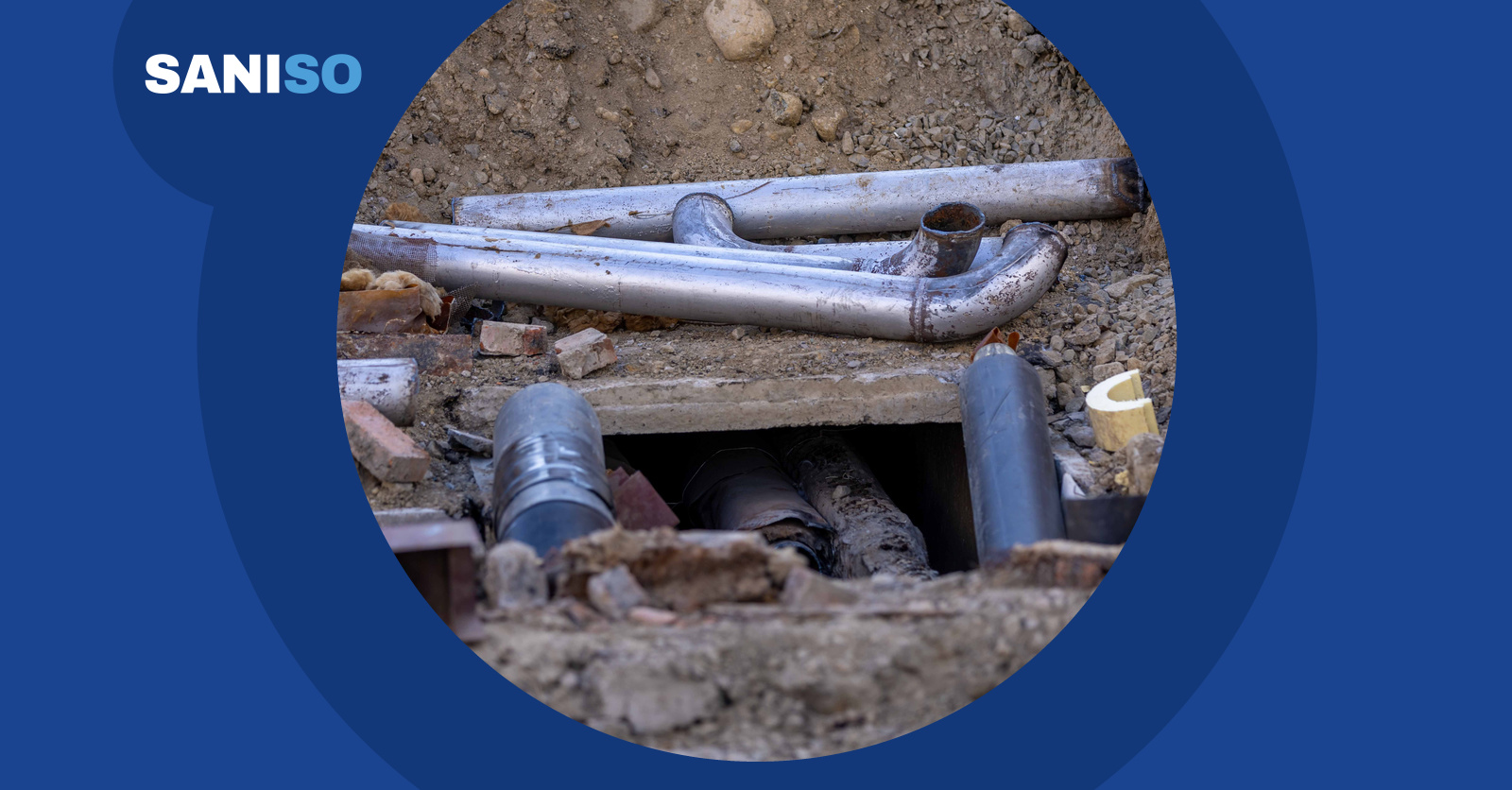
A fence post, a garden drain or a trench for an outdoor socket: autumn is a popular time for digging. But beneath almost every garden and building plot lies a network of cables and pipes. One wrong stroke of a spade can cause a power cut, a gas leak or an injury. Here is how you dig safely.
Cables and pipes are usually between 30 cm and 1 metre deep, but subsidence or raising the ground can change that. The first thing you hit is often the fibre-optic or coax cable, which is very vulnerable. Below it you will often find the electricity cable and the gas pipe, then the water pipe and the sewer connection. Driving posts into the ground or using an earth auger also counts as digging.
A trench or pit deeper than 1 metre can collapse. It then needs shoring or a safe slope, and you keep a strip beside it clear of soil and materials. Are you digging with a machine, close to a gas pipe or on a large site? Then call in a professional. They have the experience, the equipment and the know-how for it.
💡 Tip: see a cable, a pipe or a coloured warning tape in the ground? Stop with the spade, carefully expose the area by hand and check what it is before you dig on.
Stop work immediately and do not touch the damaged cable or pipe. Keep your distance and keep others away. If gas is escaping or there is a short circuit, call 112 first and then the national power and gas outage number 0800-9009. Never cover a gas leak with sand or tape: the gas can find its way into a house, for example through a sewer pipe. And never operate the network operator's valves.
No, digging by hand is not subject to a notification requirement. Do keep in mind that cables can lie close to the surface. If you are digging deeper, a notification is wise.
A KLIC notification is then required by law, at least 3 working days before you start. Leave tricky or deep digging work to a professional.
Stop and contact the network operator. Their details are in the information you received with your notification.
Saniso – Build your home with Saniso.
Share:
How do you drill safely into concrete? SDS rotary hammer, the right bit, dust extraction and FFP2/FFP3. Practical tips f...

What is VCA, what is the difference between B-VCA and VOL-VCA and which certificate do you need? An outline explanation,...

What PPE do you need for welding? An overview of welding helmet, welding gloves, welding clothing, boots, hearing and re...
Working with power tools in the rain? Read which cable and reel to use outdoors, why you always unwind a reel fully, how...