





What PPE do you need for welding? An overview of welding helmet, welding gloves, welding clothing, boots, hearing and re...

Your online building supplies store for building and renovation
 English
✓
 Nederlands
✓
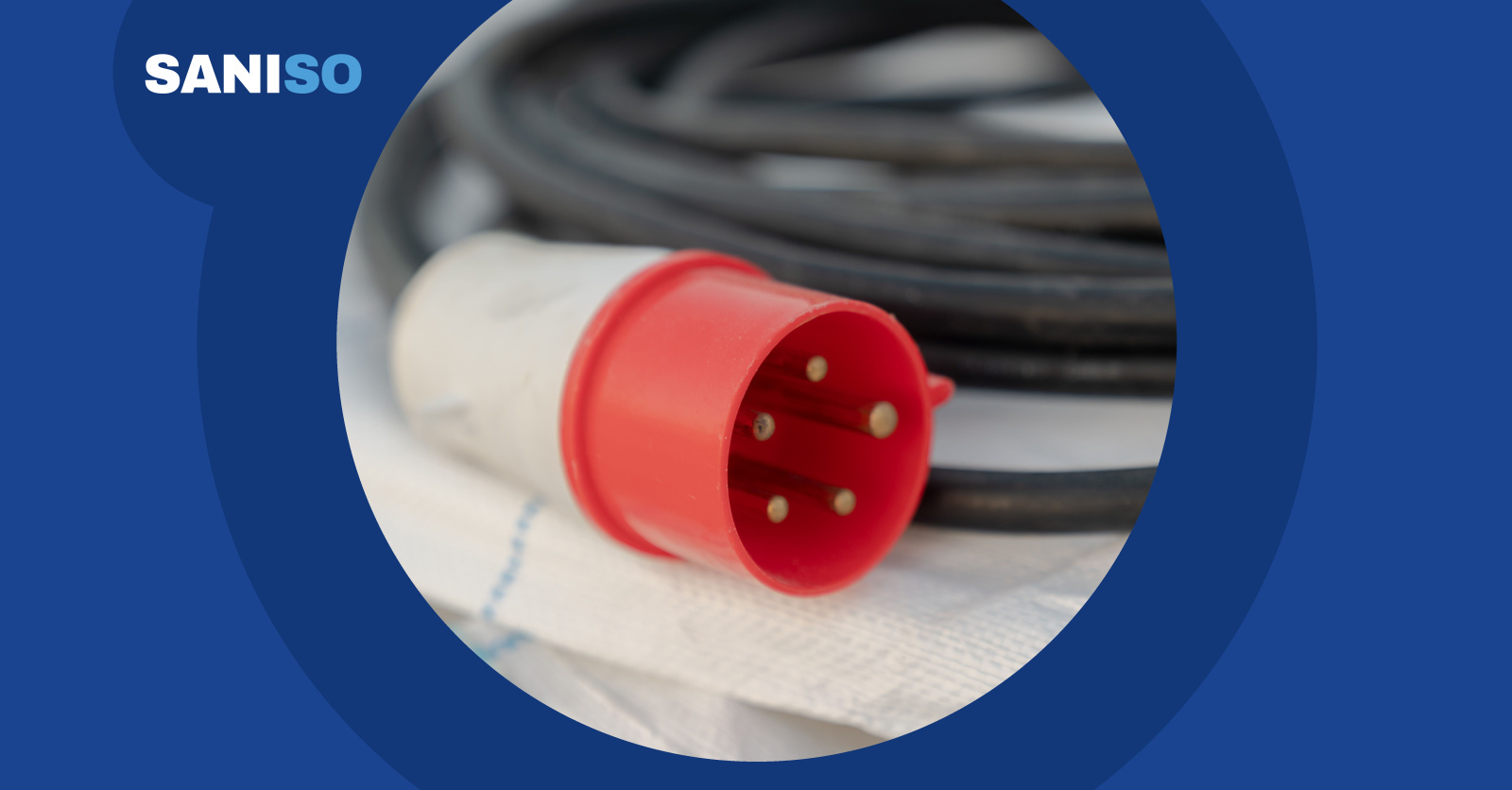
In November, building sites and gardens are often wet. Yet plenty still runs on mains power, from angle grinders to site lights. The cable across the ground has a hard time, and water and electricity do not mix. Here is how you stay safe in the rain.
If water reaches a damaged cable, plug or socket, you can get an electric shock or cause a short circuit. An overloaded cable can also overheat and start a fire. A cable lying on the ground also gets damaged easily, and you do not always see that straight away.
Before use, check the whole cable: are there cracks or cuts in the sheath, is the plug discoloured or loose? Take a damaged cable out of use straight away. Do not repair it with tape; leave that to a professional. Do you smell burning, hear crackling or does the plug feel warm? Pull the plug out immediately. At work, cables and reels should also be inspected every year to NEN 3140; look for the inspection sticker.
Plug into a circuit protected by a 30 mA residual current device (RCD), for example a site distribution board. Press the test button of a plug-in RCD before use. Keep in mind: an RCD is extra protection, not a replacement for a good cable. In wet weather, cordless tools are a good alternative: then you need no cable at all.
Need an extra fixed outdoor socket or a change to the fuse box? Always have a qualified electrician do it. That is skilled work.
💡 Tip: at the end of the day, wind the cable up dry and store the reel in a dry place. Then it is ready to use the next morning.
Also wear dry work gloves for grip, a rain jacket and rain boots. Read more about working in cold and rain in our tip on working safely in the cold.
No. Outdoors, use a rubber cable with a socket rated at least IP44, or IP65 if it lies unprotected in the rain.
Do not keep switching it back on. Unplug everything and look for the cause, such as a wet connector or a damaged tool. If you cannot find it, call in a qualified electrician.
Mind your own safety first: do not touch the person while the power is on. Pull the plug or switch off the power at the fuse box. Call 112 if the person does not respond properly, is not breathing normally or has serious burns. Even after a minor shock, always see a doctor urgently.
Saniso – Build your home with Saniso.
Share:
What PPE do you need for welding? An overview of welding helmet, welding gloves, welding clothing, boots, hearing and re...
Working outdoors in the cold? Read how to prevent slipping on icy scaffolds and ladders, stay visible in the dark, keep...
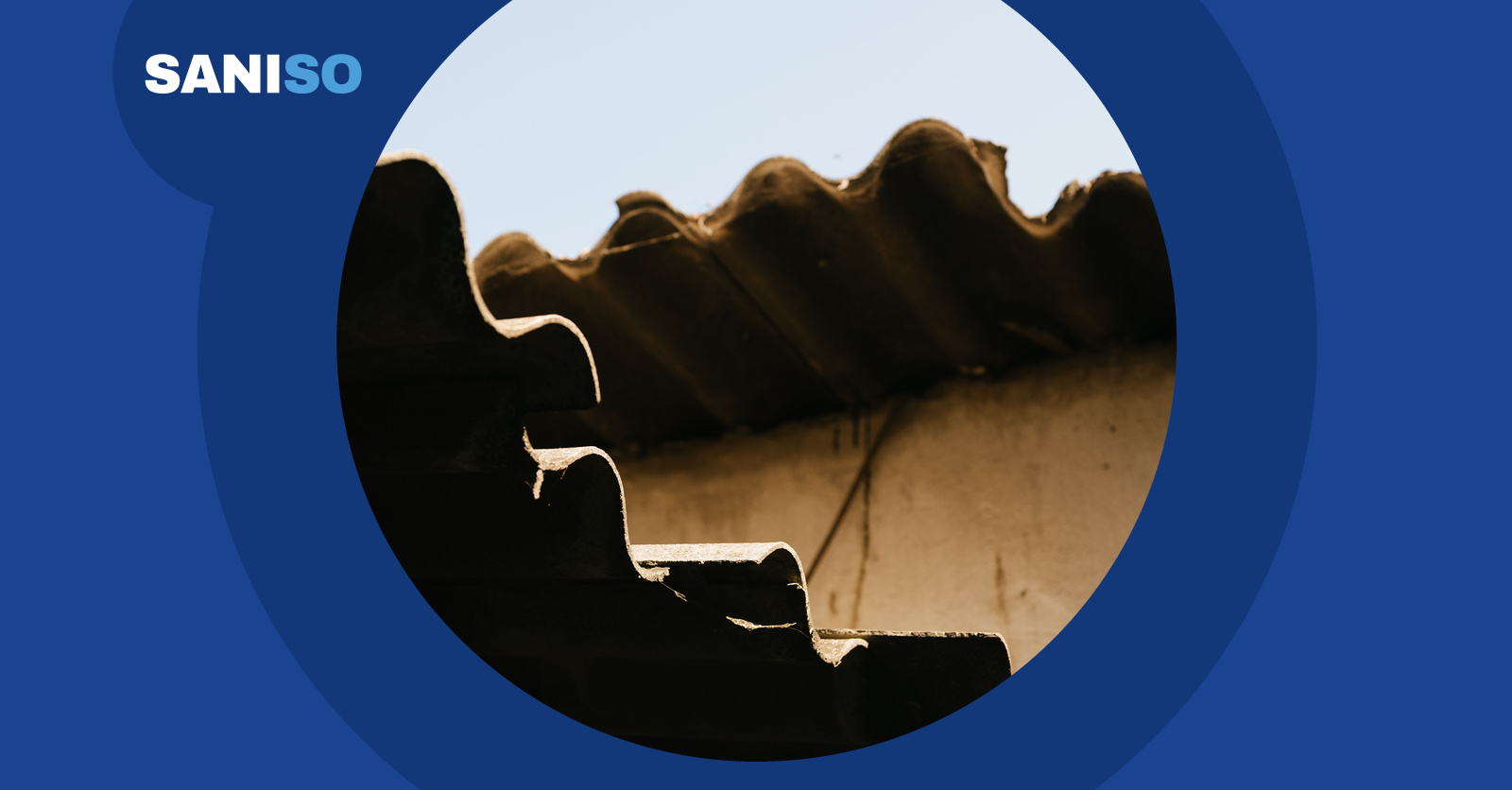
Working in a home built before 1994? Find out where asbestos can be found, why you cannot recognise it yourself, what to...
Grinding, sawing, chiselling or drilling? Find out how eye injuries happen, whether to choose safety glasses, goggles or...