

.webp)
Working in a home built before 1994? Find out where asbestos can be found, why you cannot recognise it yourself, what to...

Your online building supplies store for building and renovation
 English
✓
 Nederlands
✓
 Bathroom furniture sets
 Pillars and semi-pillars
 Consoles
 Washbasin cabinets
 Mirrors
 Cabinet for wc frame
 Shelves
 Accessories - bathroom furniture
 Panels for consoles
 Cabinets with laundry basket
 Top for wc frame
 Wall hung cabinets
 Cabinets for washing machine
 Mirror cabinets
 Case for wc frame
 Countertops
 Under countertop cabinets
 Washbasin faucets
 Washbasin faucets deck-mount high
 Washbasin faucets concealed
 Bidet faucets
 Bathshower faucets
 Shower faucets
 Bathshower sets concealed
 Shower column
 Freestanding bathshower faucets
 Shower sets
 Bathroom fitting sets
 Click-clack plugs
 Spare parts - bathroom fittings
 Bathshower faucets concealed
 Bath spout
 Multi-hole bathtub faucet
 Washbasin siphons
 Consealed bidet system
 Clothes
 Shorts
 Dungarees
 Work dungarees
 Reflective work dungarees
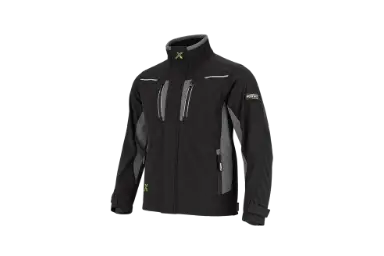 Sweatshirts
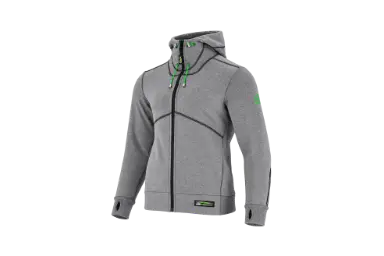 Hoodies
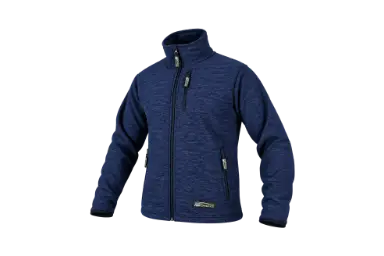 Fleeces
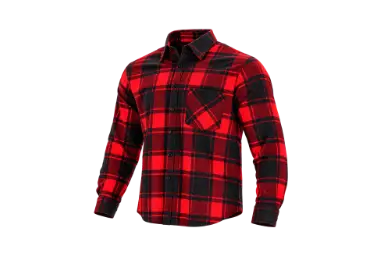 ShirtsFlannel work shirts
 T-shirts
 Polo
 Jackets
 Vests
 Jumpsuits and SetsDisposable suits
 Underwear and socks
 Hats and scarves
 Hats
 Baseball caps
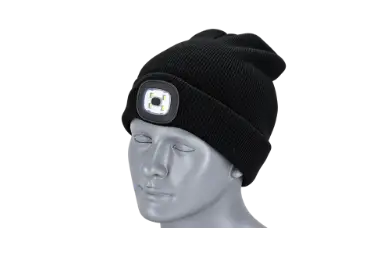 Hats with a lamp
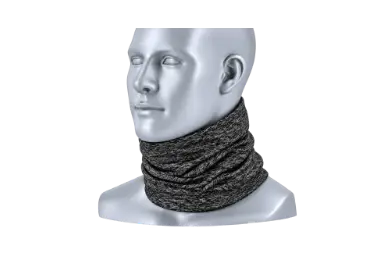 Chimneys
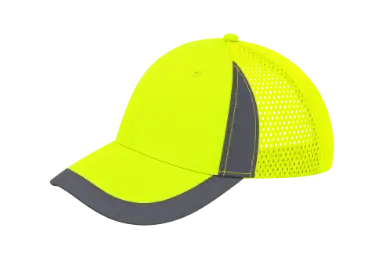 Reflective hats
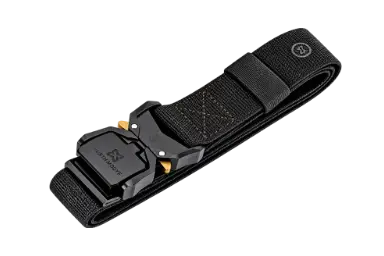 Clothing accessories
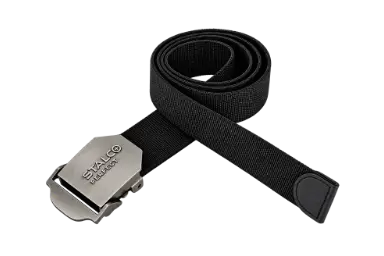 Stripes
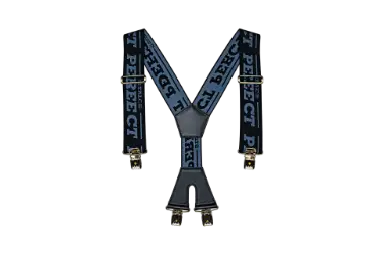 Suspenders
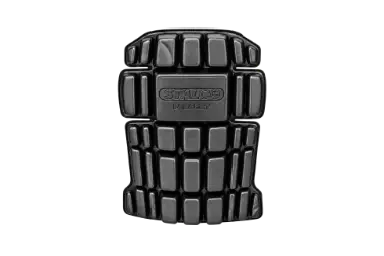 Foam inserts
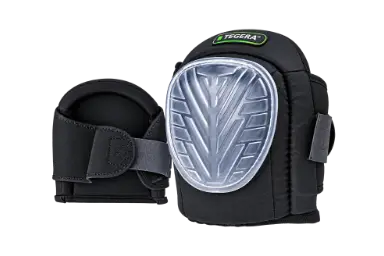 Protective knee pads
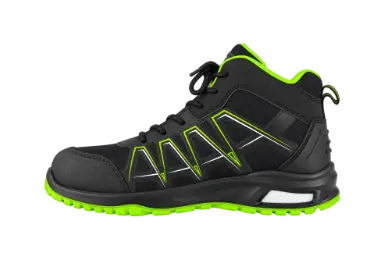 Footwear
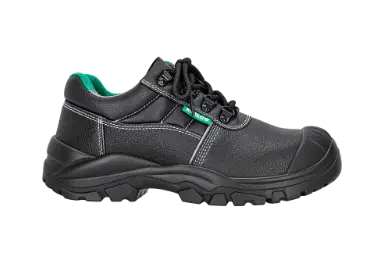 Low shoes
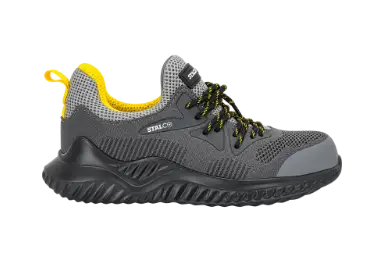 Work shoes
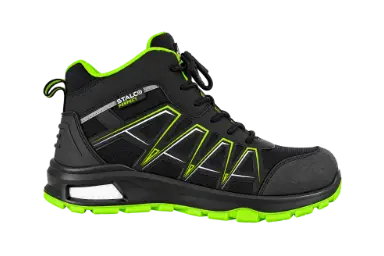 Boots
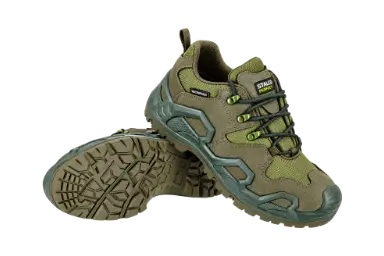 Work boots
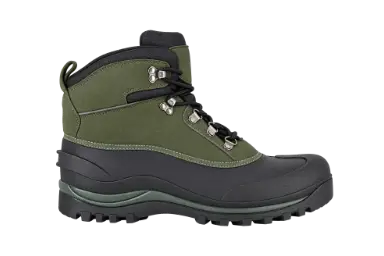 Winter boots
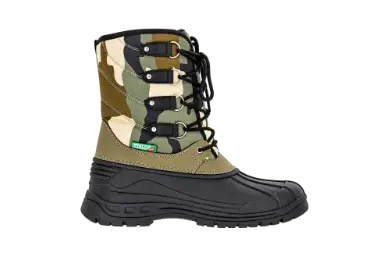 High-top winter boots
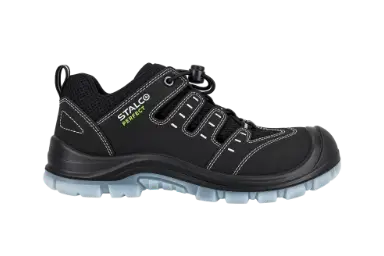 Sandals
 Work sandals
 Flip-flops and clogs
 Rain boots
 Work boot
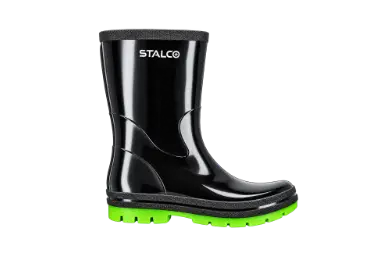 Low wellies
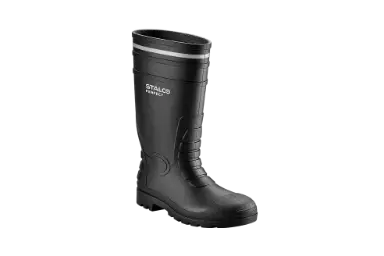 High-top galoshes
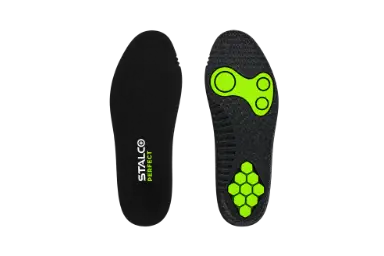 Shoe accessories
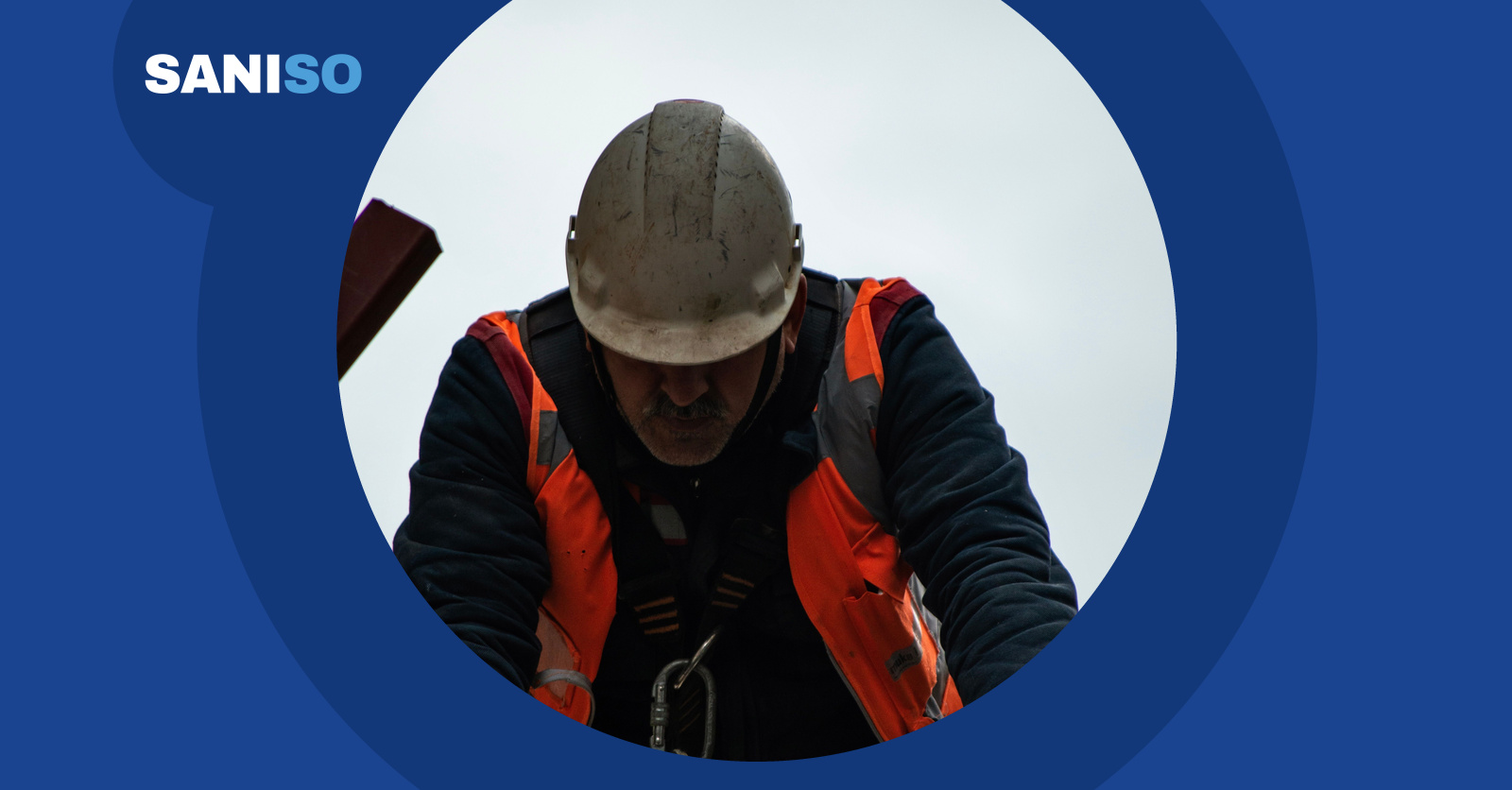
Mornings are getting darker, it rains more often and soon there will be frost on the scaffolding. If you work outdoors on a building site or on your own home, the cold brings extra risks. Cold hands grip less well, wet boards become slippery and at dusk you are more likely to miss an obstacle or a cable. And when you are cold and wet, your concentration drops. Here is how to handle that safely.
Your body keeps its core at about 37 °C. When it is cold, less blood flows to your hands and feet. Fingers become stiff and joints move less smoothly. Wind makes it worse: it blows away the warmth your clothing holds, and damp skin cools down extra fast in the wind. Wet and cold at the same time is the combination you most want to avoid.
In rain, snow or freezing rain, roofs, scaffolds, stairs and ladders become slippery. What is normally safe can suddenly become unsafe.
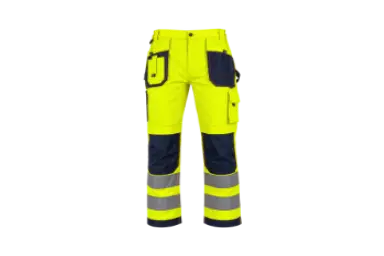
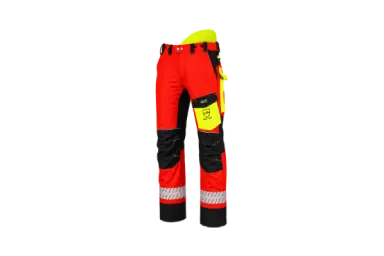
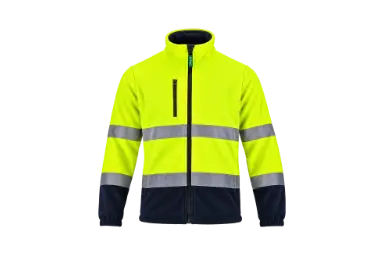
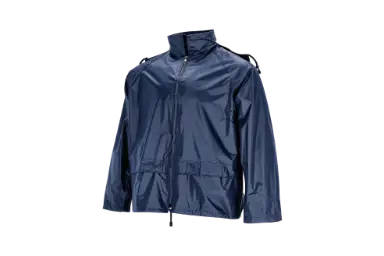
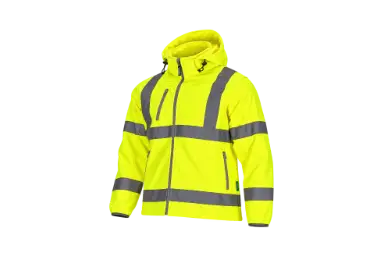
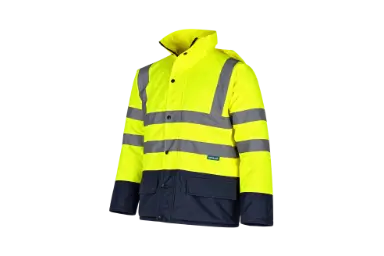
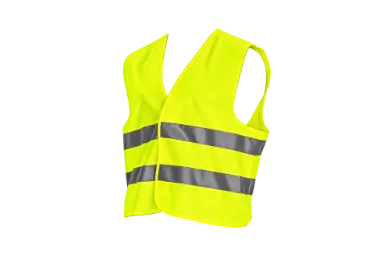
In autumn you often start in the dark. Make sure the workplace and walking routes are well lit, so you do not trip over materials or cables. A head torch or helmet lamp gives light where you look; just aim it so you do not dazzle others. Wear reflective clothing, preferably with long sleeves, so machine operators and colleagues see you in time.
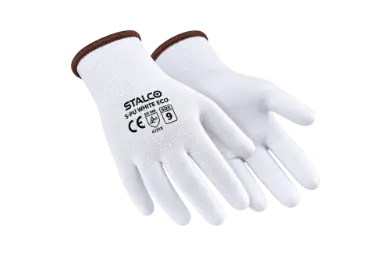
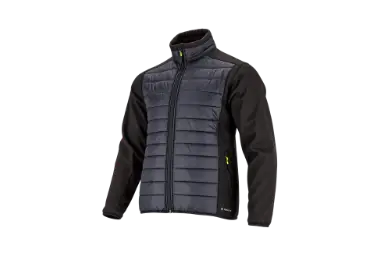
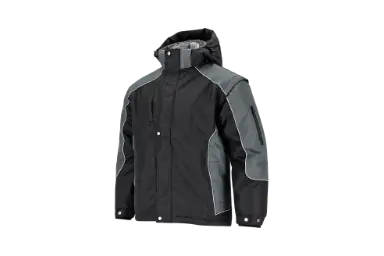
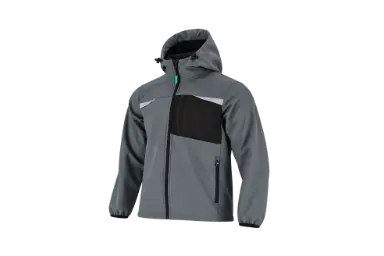
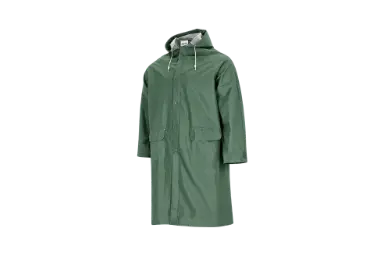
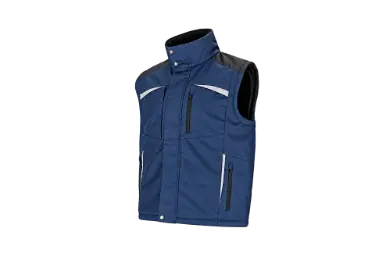
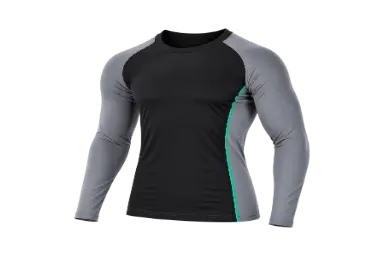
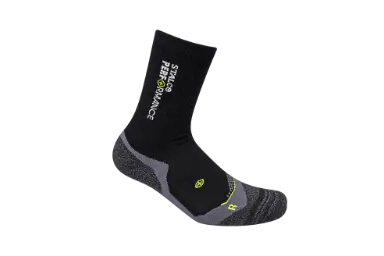
Dress in layers, so you can take one off before you start sweating. Has your clothing got wet, including socks or gloves? Change it straight away. You can read more about the right layers and footwear in our blog on working outside in winter.
💡 Tip: bring a spare pair of gloves and socks in a plastic bag. That way you always have something dry to change into when things get wet.
Plan short breaks in a warm room more often and have a hot drink. If you can shield the workplace from wind and rain, do so. And if it becomes truly unsafe, for example because of ice on the scaffolding, stop. Want to know more about working safely in general? Then read our guide to safe working on the construction site.
With hypothermia, body temperature drops below 35 °C. Signs are cold, pale skin, sometimes blue lips or fingers, and uncontrollable shivering. Move the person to a warm place, remove wet clothing and wrap them in blankets. If they become drowsy, call 112.
No. Alcohol does not warm you up. Choose a hot drink without alcohol instead.
In Dutch construction, work may be suspended at a wind chill temperature of -6 °C or lower, and also when the workplace cannot be reached safely because of snow or ice. Always consult your supervisor.
Saniso – Build your home with Saniso.
Share:
Working in a home built before 1994? Find out where asbestos can be found, why you cannot recognise it yourself, what to...
Grinding, sawing, chiselling or drilling? Find out how eye injuries happen, whether to choose safety glasses, goggles or...

Grinding, sawing or breaking? Find out when noise is too loud for your ears, what the Dutch rules say, whether to choose...
SB, S1P, S3 or S5? How to choose safety shoes that suit your job. With the changes in the 2022 standard, tips on fit and...