
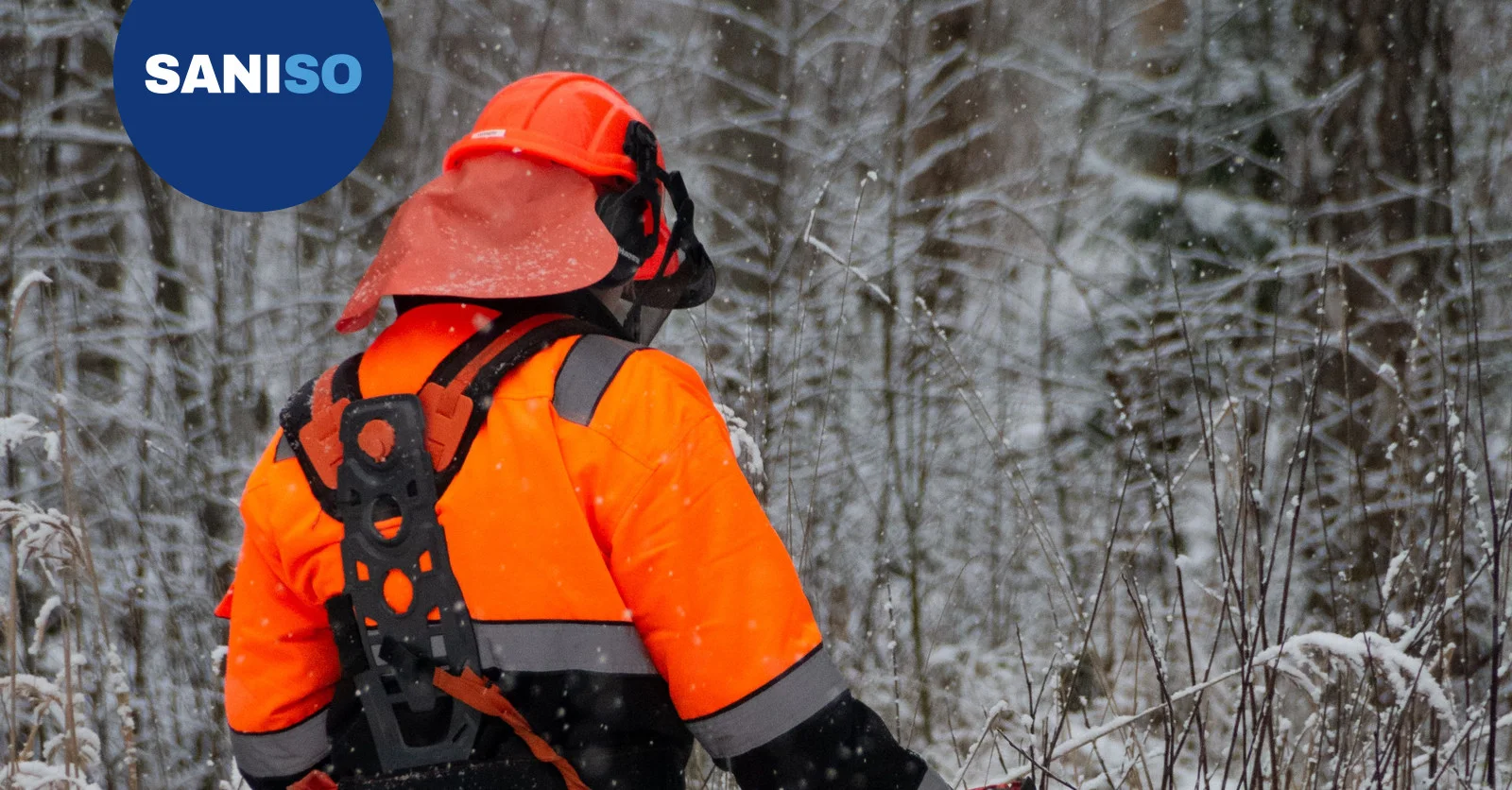
Cold hands and wet feet make outdoor work unsafe. Read how layers, dry socks and suitable footwear keep you warm and sha...

Your online building supplies store for building and renovation
 English
✓
 Nederlands
✓
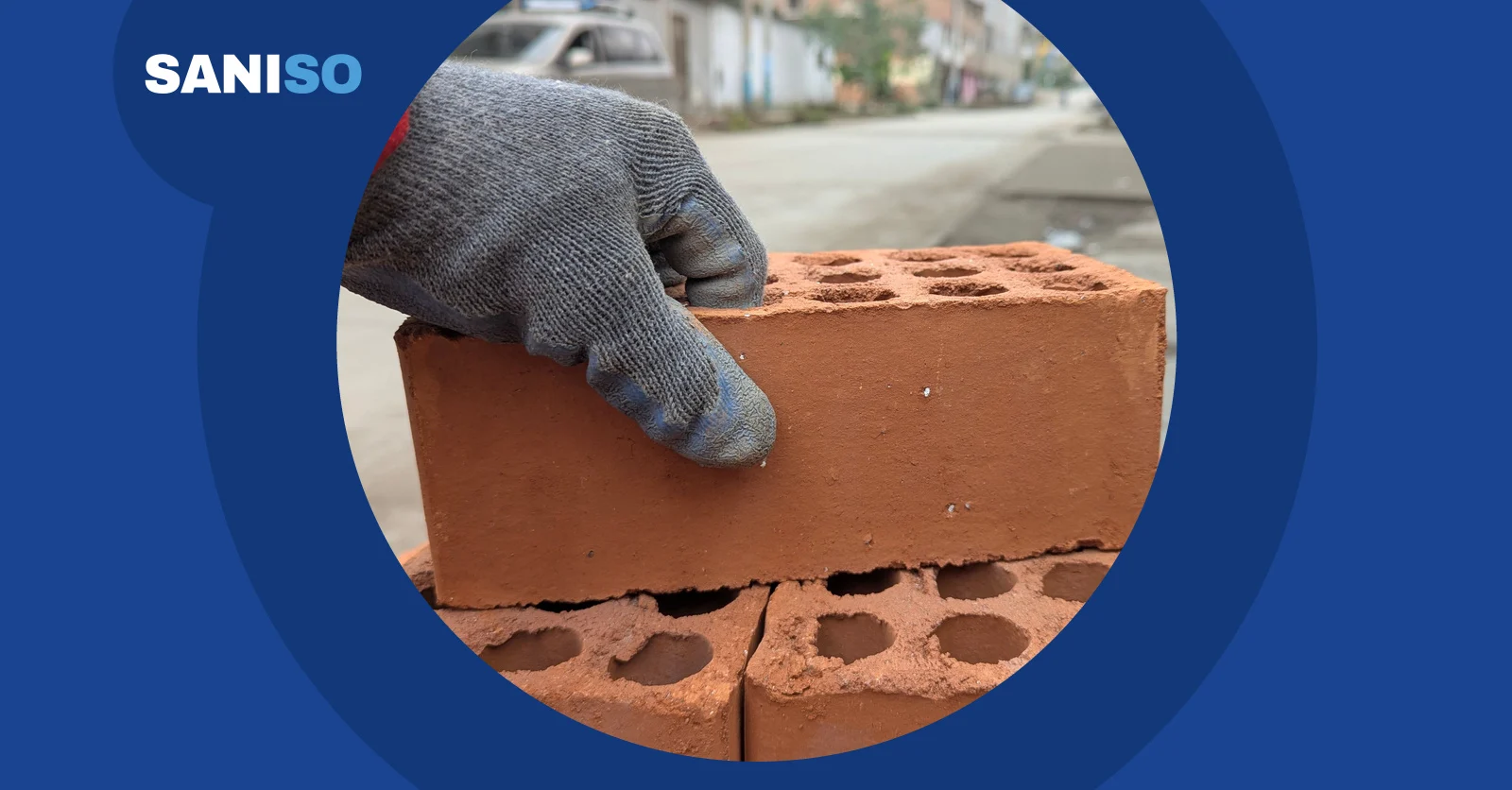
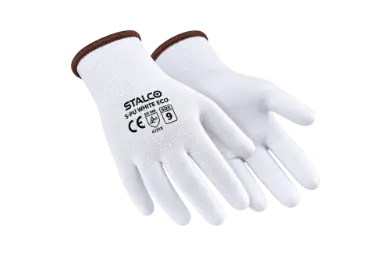
Short answer: under the hammer pictogram on a work glove you find a code such as 4X43C. The four numbers and the letter show how well the glove resists abrasion, cuts, tearing and puncture. The letter A to F is the cut level according to the ISO 13997 cut test: A is the lowest, F the highest cut protection. Choose the level based on the risk of the work, not on the highest number.
👷 Calling in a professional is never unnecessary, including when choosing PPE. On site, the risk assessment determines which protection is needed; the supervisor or safety officer knows the risks of the work. No glove protects completely against every cut and puncture risk.
The code under the pictogram has five or six positions:
An X means that test was not done or does not apply. With modern cut-resistant yarns, the coup test often shows an X, because those fibres blunt the test blade and the result is then unreliable.
In the ISO 13997 test, the force a blade needs to cut 20 mm through the material is measured. The more force, the higher the letter:
Note: an old coup test score of 5 is not the same as level E or F. The two tests are not directly comparable.
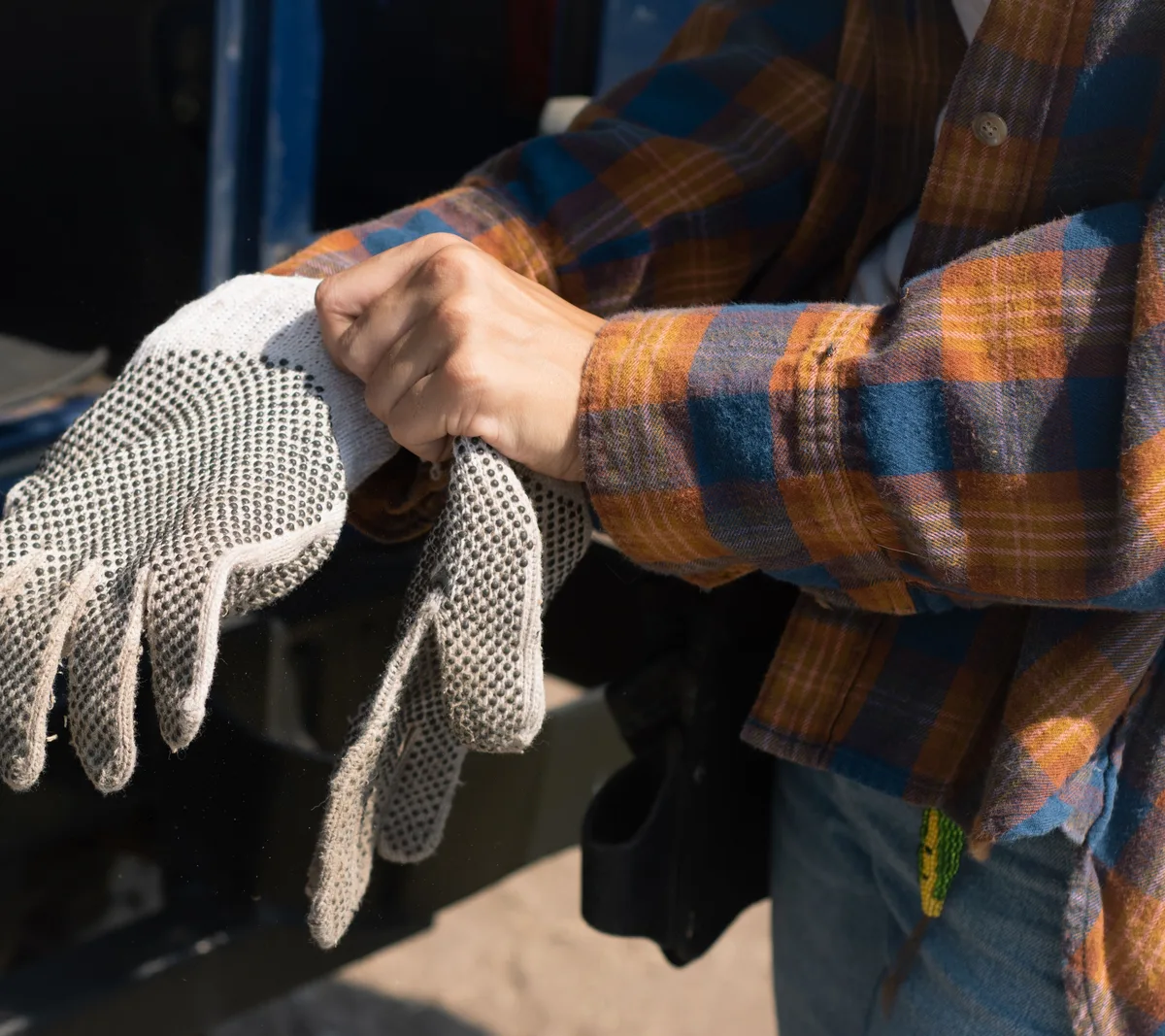
⚠️ Do not wear gloves near rotating parts such as a pillar drill or lathe, where the glove can be caught. Cut-resistant does not mean safe from entanglement.
A glove that is too big loses grip and snags; a glove that is too small pinches and does not get worn. Measure the circumference of your hand over the knuckles and choose the size from the size chart. Read more about size and coating in our buying guide for work gloves. Replace a glove as soon as the coating comes loose or it has a cut.
Cut protection is part of a complete set: safety goggles or Airflex safety glasses against splinters, a safety helmet on site and low S3S safety shoe against falling parts and nails. Also read our blog on safe working on the construction site.
That the test was not carried out or does not apply. Then look at the other positions, especially the ISO 13997 letter for cutting work.
Not necessarily. Heavier cut protection is often thicker and gives less feel. Choose the level that matches the risk, so the glove is actually worn.
Cut and puncture protection are different properties. Look at the fourth position for puncture, and stay careful with nails, threaded rods and needles.
Read the code, match the cut level to the risk and choose a size that fits well. Then you wear a glove that really protects.
Read also: Grip and feel: nitrile-coated work gloves with grip dots
At Saniso, the online store for DIYers and professionals, you will find tools, materials and personal protective equipment for your job.
In doubt about the approach? Feel free to call in a professional.
Saniso – Build your home with Saniso.
Share:
Cold hands and wet feet make outdoor work unsafe. Read how layers, dry socks and suitable footwear keep you warm and sha...
Which work trousers suit your job? Read what to look for in material, fit, pockets and knee protection, which types exis...

Noise is everywhere on a building site: grinding, sawing, breaking and drilling. Hearing damage is permanent, so the rig...
Work gloves need to protect, but you also want to be able to pick up a small screw. In this blog we look more closely at...