






What makes good tools different? Often it is in details you only truly appreciate after years of use. Using the STALCO P...

Your online building supplies store for building and renovation
 English
✓
English
✓
 Nederlands
✓
Nederlands
✓
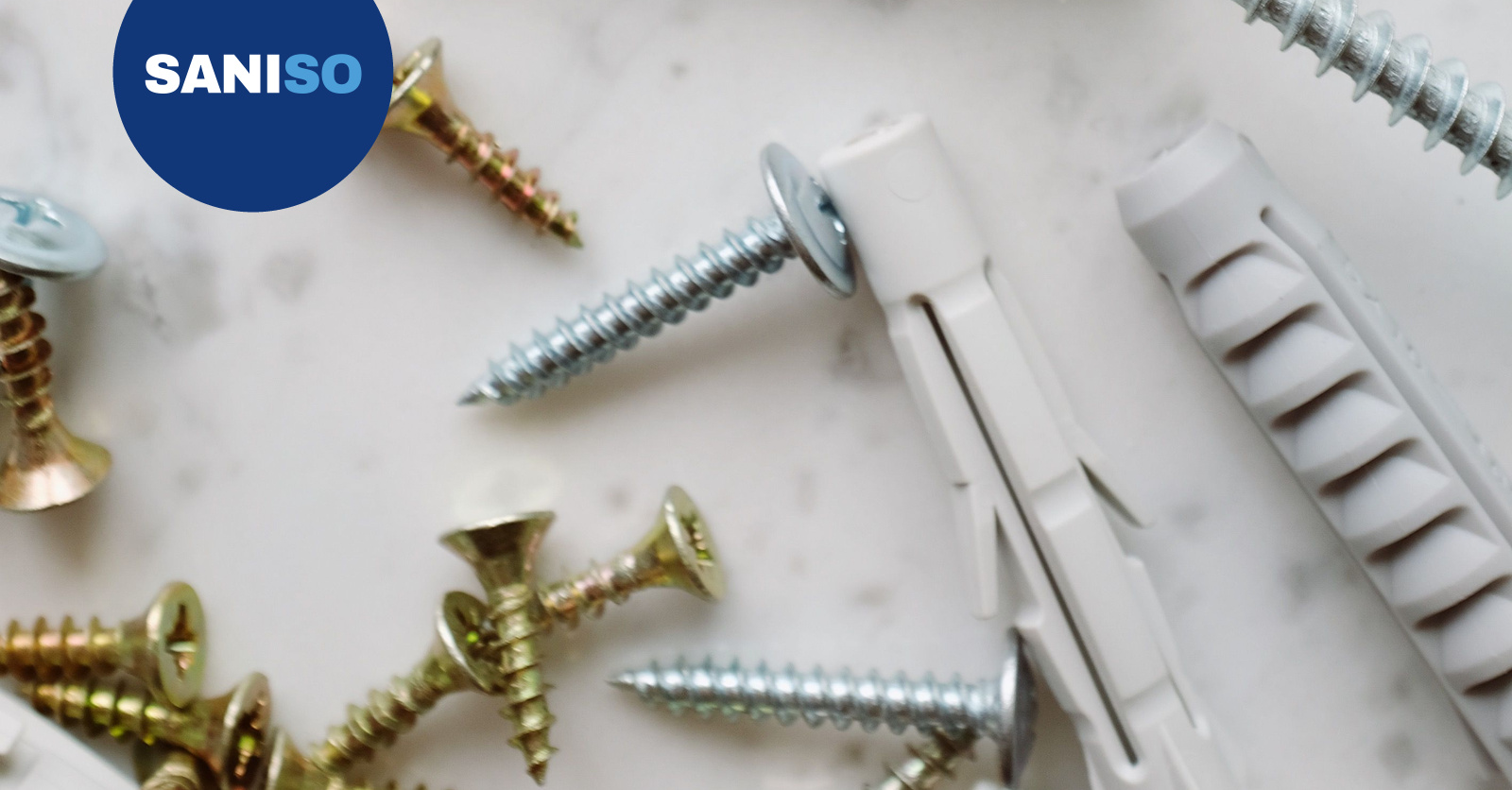
A fixing is only as strong as its weakest link: the substrate, the drill hole, the plug or the screw. A plug that works perfectly in concrete may simply spin in aerated concrete or hollow brick. And an anchor placed too close to the edge of a concrete slab can push the edge out. For professionals, choosing correctly is therefore not a detail but a matter of craftsmanship. In this blog you will read which plug or anchor suits which substrate, how to make a good drill hole and how to work safely.
👷 A good fixing starts with recognising the substrate, and that is exactly where experience makes the difference. For safety-critical fixings, such as balustrades, handrails, heavy installations or loads overhead, always follow the manufacturer's instructions and, where necessary, the calculation of a structural engineer.
Before you choose a drill bit, you need to know what you are drilling into. A few practical characteristics:
If in doubt, first drill a test hole in an inconspicuous place. The drilling dust and the feel of the drill tell you a lot.
⚠️ Always check with a multifunction wall detector before drilling whether pipes or cables run there. If you do hit an electric cable, gas or water pipe, stop immediately, make the situation safe and call in a qualified installer.
In concrete you can choose from many fixings. For light and medium loads, a universal expansion plug works excellently. For frames, battens and thicker components, use a TXK frame plug for various substrates: you drill through the component and set the plug and screw in one go. For heavy and dynamic loads, such as brackets, machines or steel structures, choose a steel anchor bolt. It locks itself in the drill hole and provides a high, predictable load capacity. If you have to drill close to an edge or the holes are close together, a chemical anchor is often the better choice. It puts no expansion force on the concrete and reduces the risk of the edge breaking off. You inject the mortar into the clean drill hole with a chemical anchor gun and a mixing nozzles for chemical anchors and then insert the threaded rod or bolt. For fixings to the ceiling, such as a lamp or a plant, use an expansion plug with ceiling hook. For heavier loads overhead, always choose an anchor that the manufacturer declares suitable for that purpose.
In solid brick, a universal plug or a frame plug holds well, provided you drill into the brick and not into the mortar joint. The joint is softer and can crumble under heavy loads. A set of masonry drill bits with the right diameter ensures a clean drill hole.
Here an ordinary expansion plug works poorly, because there is too little material to press against. Use a long plug that locks into the cavities, such as the PXS frame plug for hollow materials, or a chemical anchor with nylon mesh sleeves for chemical anchors. The mesh sleeve keeps the mortar in place, so it bonds around the walls of the cavities.
💡 Always drill hollow brick without hammer action. With hammer action you break the thin walls between the cavities, so the plug no longer has anything to grip.
Aerated concrete is light and soft. An ordinary plug quickly spins or pulls out. Use a metal plug for aerated concrete that you drive or screw into the drill hole, or a long nylon plug that is suitable for aerated concrete. Drill without hammer action and preferably with a drill bit for aerated concrete blocks, so the hole does not become too large. For heavy loads in aerated concrete, a chemical anchor with a mesh sleeve is the most reliable solution.
In plasterboard and sheet material, use a plasterboard plug for light items or a cavity anchor that unfolds behind the board. For heavy loads on a cavity wall, the wall should have a timber backing or reinforcement.
The load capacity of a plug stands or falls with the drill hole. Pay attention to these points:
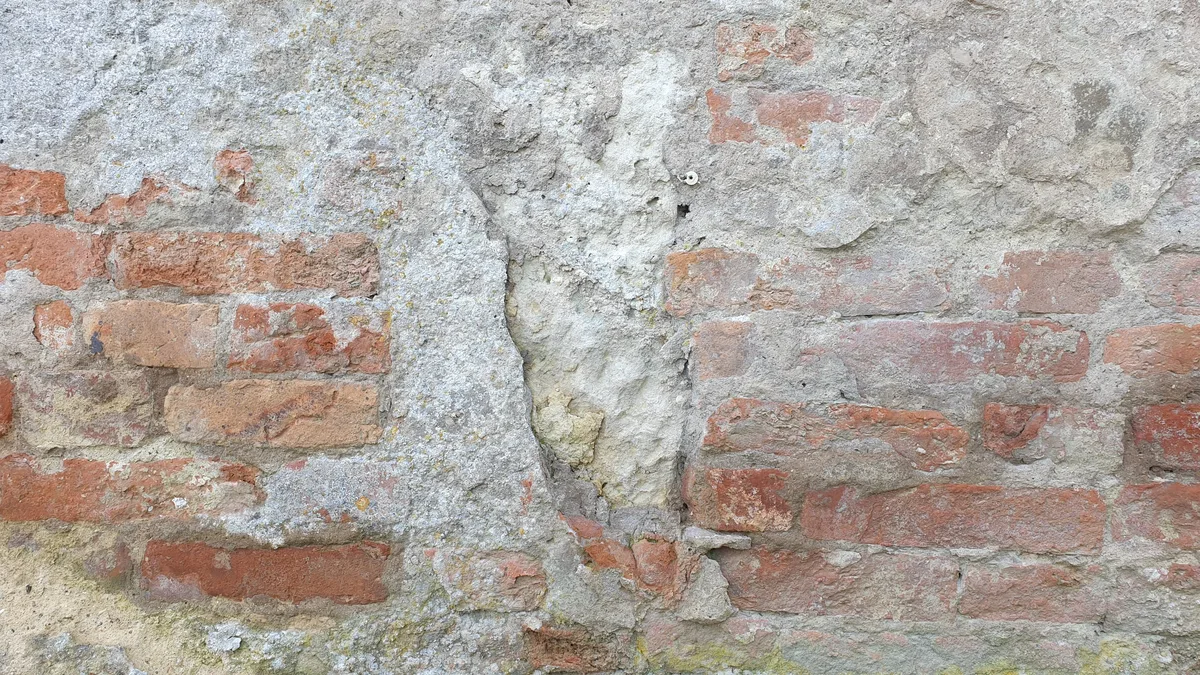
⚠️ If you hit reinforcement in concrete, do not drill through it without consulting the structural engineer. Drilling through reinforcement can reduce the load capacity of a floor or beam. Move the hole or choose a different fixing.
You can read more about drilling in hard materials, including with diamond core bits, in our blog on diamond drilling in tile and concrete.
The screw must match the plug: not too thin, because then the plug does not expand, and not too thick, because then the plug or the substrate splits. As a rule of thumb for screw length: length of the plug, plus the thickness of the component you are fixing, plus about one screw diameter. That way the screw just protrudes through the back of the plug and the plug expands along its full length.
Every plug and anchor has a minimum edge distance and spacing. If you drill too close to an edge or too close to another hole, the expansion forces influence each other and the load capacity drops sharply. Stick to the manufacturer's values and take into account:
Drilling into concrete, sand-lime brick and brick produces silica dust. This fine dust penetrates deep into the lungs and can eventually cause serious lung disease. So always work with extraction at the source, for example with a construction vacuum cleaner, and wear an FFP3 dust mask if you drill a lot or work in a small space. Never sweep up drilling dust; vacuum it. This work also requires:
Carry out an LMRA before drilling: know where pipes run, check the ladder or scaffold and make sure nobody is standing below you. You can read more about working safely on the construction site in our blog on safe working on the construction site.
For heavy loads, for drill holes close to an edge or to each other, and in hollow or soft substrates such as hollow brick and aerated concrete. A chemical anchor puts no expansion force on the substrate.
For light loads yes, but the joint is softer than the brick. For heavy loads, always drill into the brick itself.
At least ten millimetres deeper than the length of the plug. For anchors and chemical anchors, follow the manufacturer's drilling depth.
Stop drilling and do not drill through it without consulting the structural engineer. Move the hole or choose a different fixing solution.
Read also: How to hang a bathroom mirror and How to organise a workshop or garage
Read also: Safety footwear: S1, S1P, S2 and S3 explained for professionals
At Saniso, the online store for DIYers and professionals, you will find tools, materials and personal protective equipment for your job.
In doubt about the approach? Feel free to call in a professional.
Saniso – Build your home with Saniso.
Share:
What makes good tools different? Often it is in details you only truly appreciate after years of use. Using the STALCO P...

Grout in one even colour across the whole wall or floor: that is what you want. In this blog we explain how the hybrid R...

Learn how to level a floor yourself: prepare the subfloor, prime, mix and pour self-levelling compound. Step-by-step wit...

Installing a kitchen: do it yourself or hire a professional? Read what is involved, which parts you can do yourself and...