




Building facts #2: the history of the toilet and the sewer. From Indus drains and Roman latrines to the S-bend, London's...

Your online building supplies store for building and renovation
 English
✓
English
✓
 Nederlands
✓
Nederlands
✓
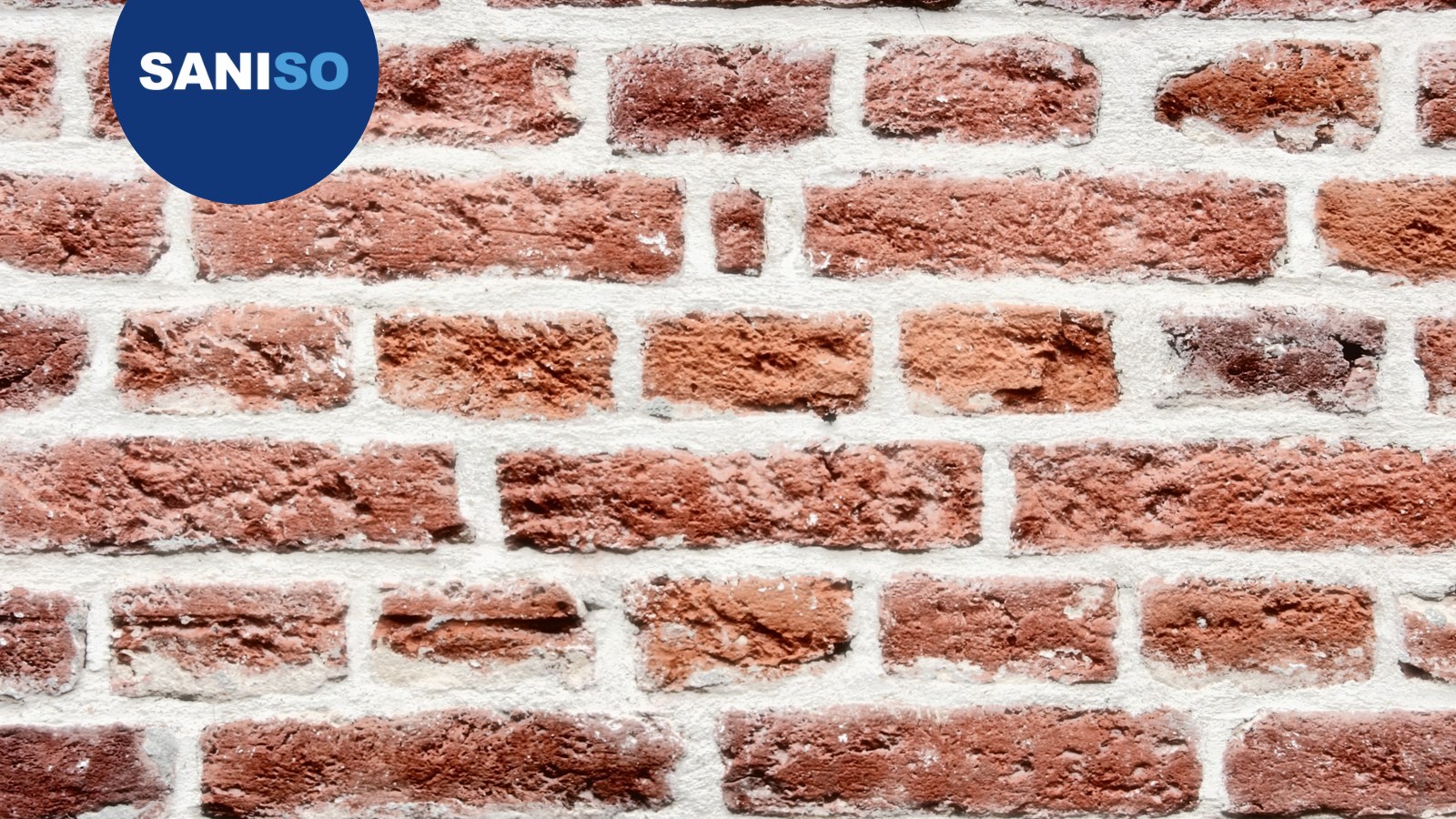
Photo: Marek Ślusarczyk (Tupungato), Wikimedia Commons, licence CC BY 3.0 (cropped)
Building facts #1 · Every Wednesday one building topic, examined in depth
Look around any Dutch street and you'll see it: brick, brick and more brick. But where does that little block of fired clay actually come from? In this first edition of Building facts we put one topic under the magnifying glass: the brick. We go from the first sun-dried mud bricks, via the Romans and medieval monks, to the river clay of the Waal and the waalformaat you still lay today. And at the end: which tools you need to lay bricks yourself.
The very first bricks weren't fired at all. They were mud bricks: shaped from clay-bearing earth and dried in the sun. The oldest bricks ever found, made from shaped mud, date from before 7500 BC and come from Tell Aswad, in the upper Tigris region. In Jericho, in the Jordan Valley, mud-brick structures from around 7200 BC have been found, with bricks of 400 × 150 × 100 mm.
A mud brick is a mix of silt, clay and sand with a binder such as chopped straw or dung, roughly one part straw to five parts earth. The straw reduces shrinkage and makes the brick stronger. Then it's simply left to dry in the sun.
A sun-dried brick is weak against rain. The breakthrough came when people started firing bricks in a kiln. According to the sources, Mesopotamia discovered fired brick between 5000 and 4500 BC. Fired bricks have been in use since around 4000 BC and are among the longest-lasting and strongest building materials there are.
Even then people thought in fixed proportions. In Mesopotamia the rule was: the width is twice the thickness and the length is twice the width. In the cities of the Indus Valley, bricks followed a 1:2:4 ratio. Thanks to the wooden mould, bricks of roughly equal size could be made in series.
The Romans long built with mud brick. They only developed fired brick under the Empire, from Augustus onwards. The earliest dated building in Rome made with fired brick is the Theatre of Marcellus, completed in 13 BC. Roman bricks were noticeably flatter than ours, generally 1½ by 1 Roman foot, and often looked more like tiles.
Roman legions ran mobile kilns and stamped their bricks with the seal of the legion. Brick makers began using stamps around the middle of the 1st century BC. From 110 AD the stamps even included the names of that year's consuls, so archaeologists can date some bricks to the exact year.
The Romans in the Netherlands: at De Holdeurn near Berg en Dal, the Tenth Legion (Legio X Gemina) from Nijmegen set up a large production centre for bricks, roof tiles and pottery in the last quarter of the 1st century. Tiles with the stamps LXG and EXGERINF from this site have been found from Bonn all the way to the North Sea. After the legion left around 105, production probably stopped. It restarted in the late 2nd century and ran at least until the reign of Severus Alexander (222–235). After the Romans left, the art of brick-making fell out of use in our region.
The brick came back in the Middle Ages, through the monasteries. From the 12th and 13th centuries, monks made large bricks again for churches and monasteries: the kloostermoppen. In Groningen, bricks have been made since the 12th century.
Then came verstening (turning towns to stone). Wooden houses caught fire easily, so towns banned building them, and brick was the logical alternative. The Netherlands had little natural stone or wood, but it had plenty of clay. The big rivers kept depositing fresh clay in the uiterwaarden (floodplains). That's how Dutch brick architecture came about.
In the Netherlands, bricks are mainly made from river clay from the uiterwaarden of the Rijn, Maas and Waal. It is a relatively young clay that keeps renewing itself through sedimentation. The composition determines the colour: iron-rich clay fires red, lime-rich clay fires yellow. The holes that clay extraction leaves behind are called tichelgaten. Today clay is extracted under a code of conduct, and the dug-out areas usually become nature reserves.
Bricks used to be named after where they came from. Waalsteen was made from clay around the Waal, and IJsselsteen was named after the IJssel. That's exactly why most steenfabrieken (brickworks) stand along the rivers: the clay was right there and the bricks could leave by ship. Even today, more than a quarter of the factories stand along the Maas and more than a fifth along the Waal.
The route from clay to brick has six steps: extracting, storing, preparing, shaping, drying and firing. The clay first rests in a large heap, the kleibult, so plant remains can rot away. Then stones and metal are removed, and the clay is kneaded and ground. Clay that is too 'fat' is made leaner with sand.
Then comes the shaping. With handvorm (hand-moulded), the clay is pressed into a mould sprinkled with sand. With the strengpers (extrusion press), a machine pushes out an endless strand of clay that is cut into bricks. The unfired blocks are called vormelingen. They dry for 2 to 4 days in a modern drying chamber, or 1 to 3 weeks in the open air. Then they go into the kiln at 900 to 1100 °C, depending on the type of clay. During firing the sand grains in the clay vitrify, and that's what makes the brick hard.
The kilns changed too. Bricks used to be fired in field kilns. In the second half of the 19th century came the continuously burning ringovens (ring kilns), and after the Second World War the tunnel kiln, where every brick follows exactly the same firing curve.
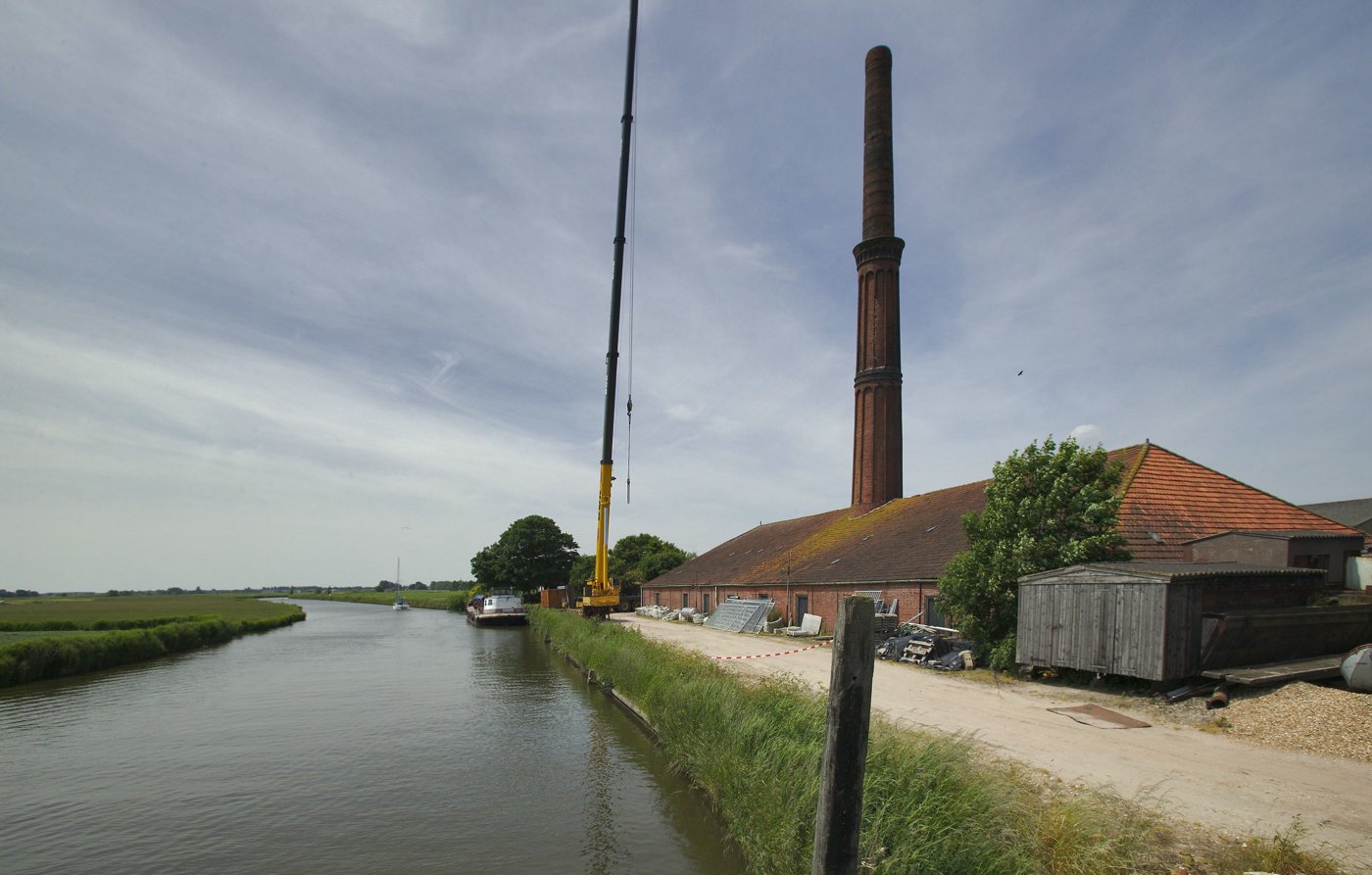
Waalformaat measures 210 × 100 × 50 mm and is the best-known Dutch brick size. It is so standard that the industry association KNB uses the waalformaat (WF) as the unit for counting all its brick figures. That size isn't random: a brick has to fit in one hand, so the width is limited to about 100 mm (the span between thumb and fingers), and the length is about two widths plus a joint. For waalformaat that's 2 × 100 mm + a 10 mm joint = 210 mm.
Some Dutch formats (length × width × height in mm):
| Format | Size (mm) |
|---|---|
| Waal | 210 × 100 × 50 |
| Waaldik | 210 × 100 × 65 |
| IJssel | 160 × 78 × 41 |
| Friese mop | 217 × 103 × 45 |
| Kloostermop | 285 × 135 × 85 |
| Romeins | 240 × 115 × 42 |
A bond (metselverband) is the pattern in which you lay the bricks so that the joints are staggered. That prevents straight 'break lines' through the wall and makes it stronger. A few terms first: the long side of a brick is the strek (stretcher), the short side is the kop (header). The horizontal joint is the lintvoeg (bed joint), the short upright joint is the stootvoeg (head joint). Cut pieces such as a klezoor (a quarter brick) or a drieklezoor (a three-quarter brick) make a bond fit neatly at the corners.
Fun detail: what Dutch bricklayers call 'Engels verband' is a different pattern from English bond: three stretchers, then a header, in each course.
Brick is still the face of Dutch house building. Between 1850 and 1880 the number of brickworks grew from 469 to 881. In 1950 there were still 227 factories with 13,000 workers. By 1995 there were 52 factories with 1,500 workers, producing the same output thanks to automation. Today, according to industry association KNB, the Dutch ceramics industry has about 16 companies with 42 production locations and about 2,500 direct jobs.
The figures follow the housing market. In 2024 the Netherlands produced 555 million waalformaat units of facing brick, and sales fell by 7% to 563 million: a new historic low, according to KNB. Handvorm is by far the most popular, at 69% of sales, ahead of vormbak (27%) and strengpers (3%). The industry is working on making production more sustainable, with a move from natural gas to alternatives such as green hydrogen and biogas.
Want to lay a garden wall, a planter or a repair yourself? With these tools you work like a real bricklayer: a snapped line for your first course, a trowel and mortar tub for the mortar, a hammer for cutting bricks to size, a level for straight courses and a jointing trowel for neat joints.
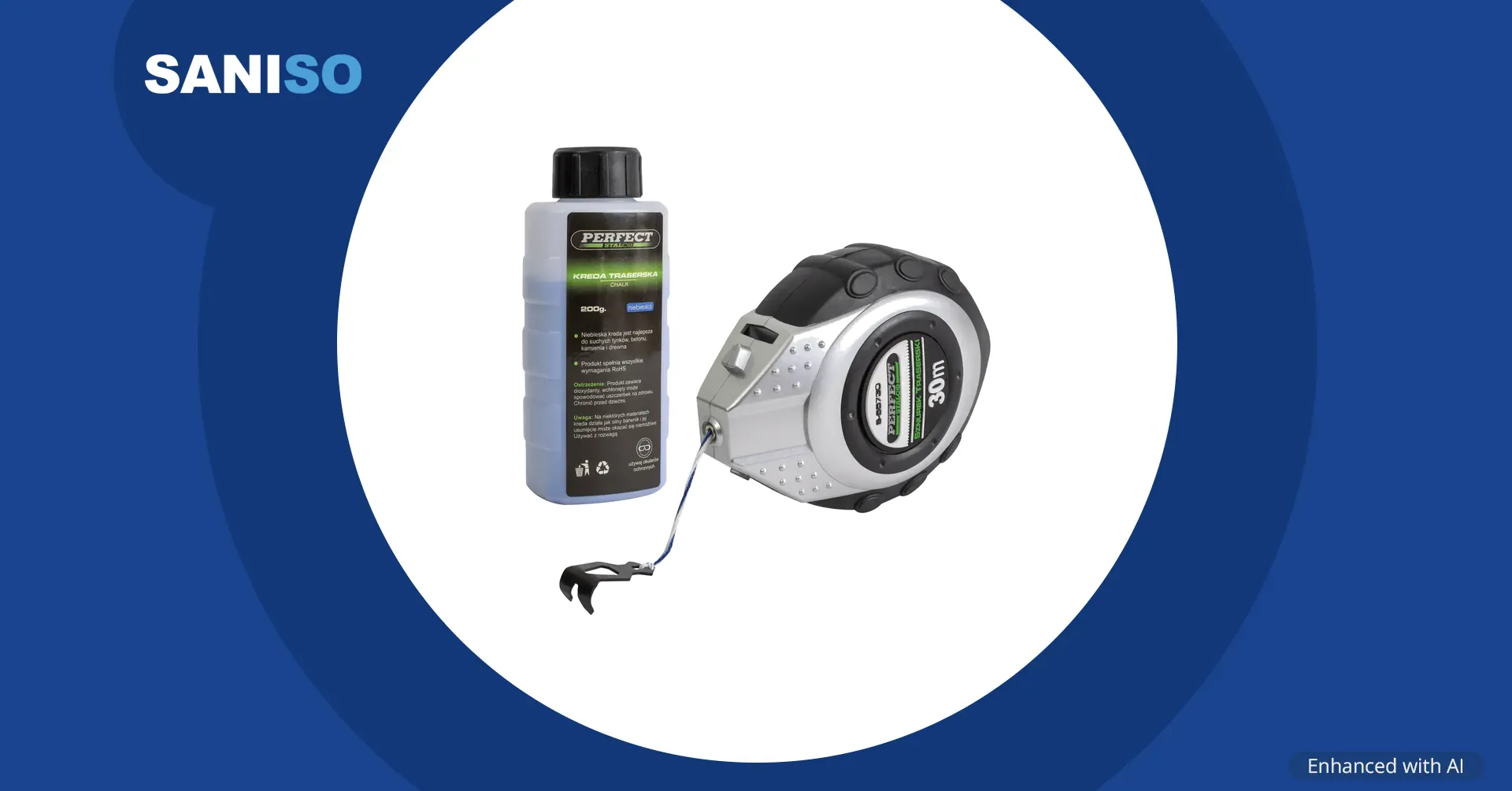
A shockproof housing, a stainless steel hook, quick chalk refilling and a 3:1 fast winding mechanism.
What is it for? Snapping a straight line on the foundation or floor so the first course goes exactly where it should.
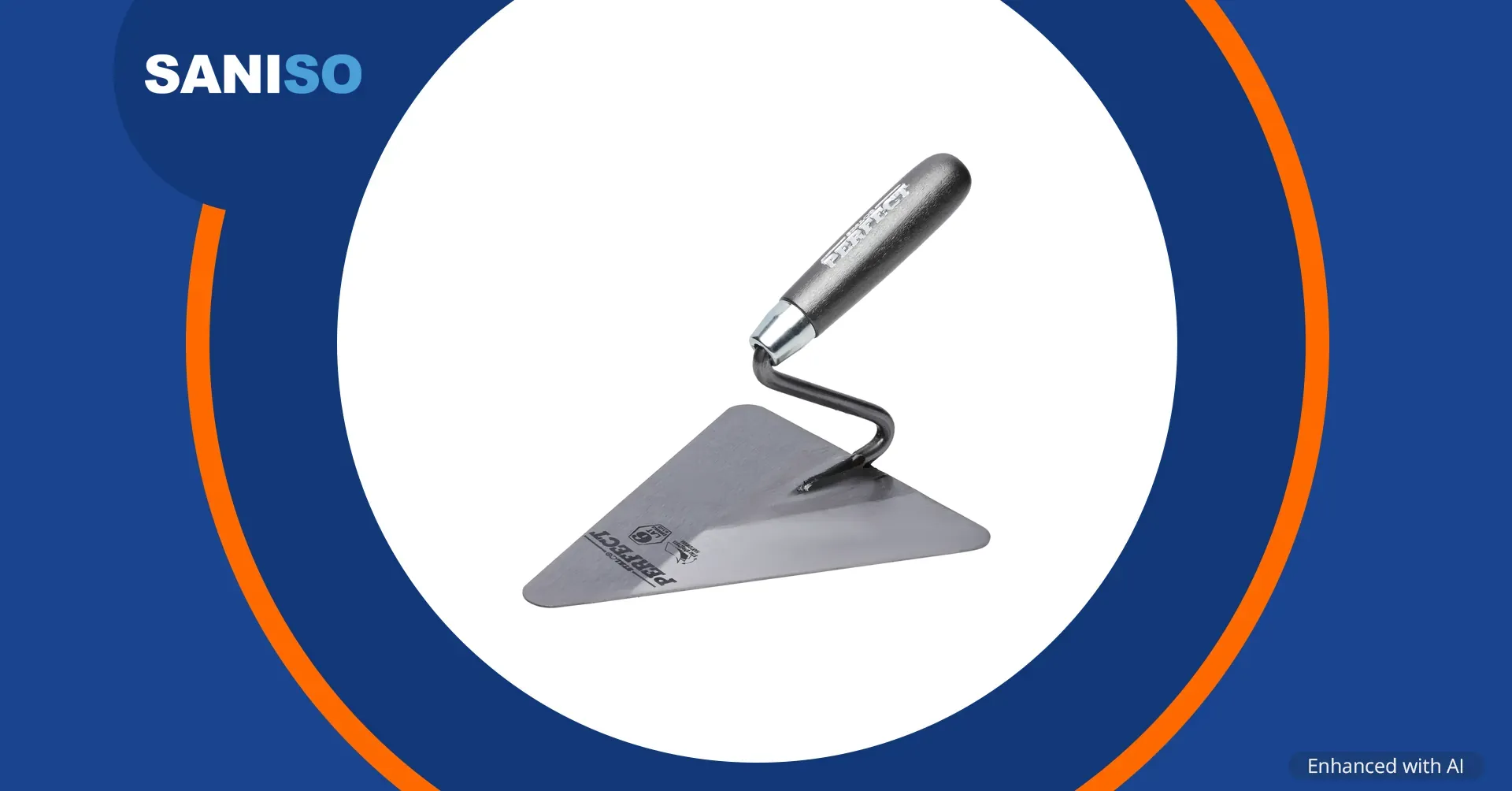
A triangular trowel with a hardened carbon steel blade, a welded blade-to-shank joint and a varnished beech wood handle.
What is it for? Picking up mortar and spreading it on the bed, the classic bricklayer's movement.
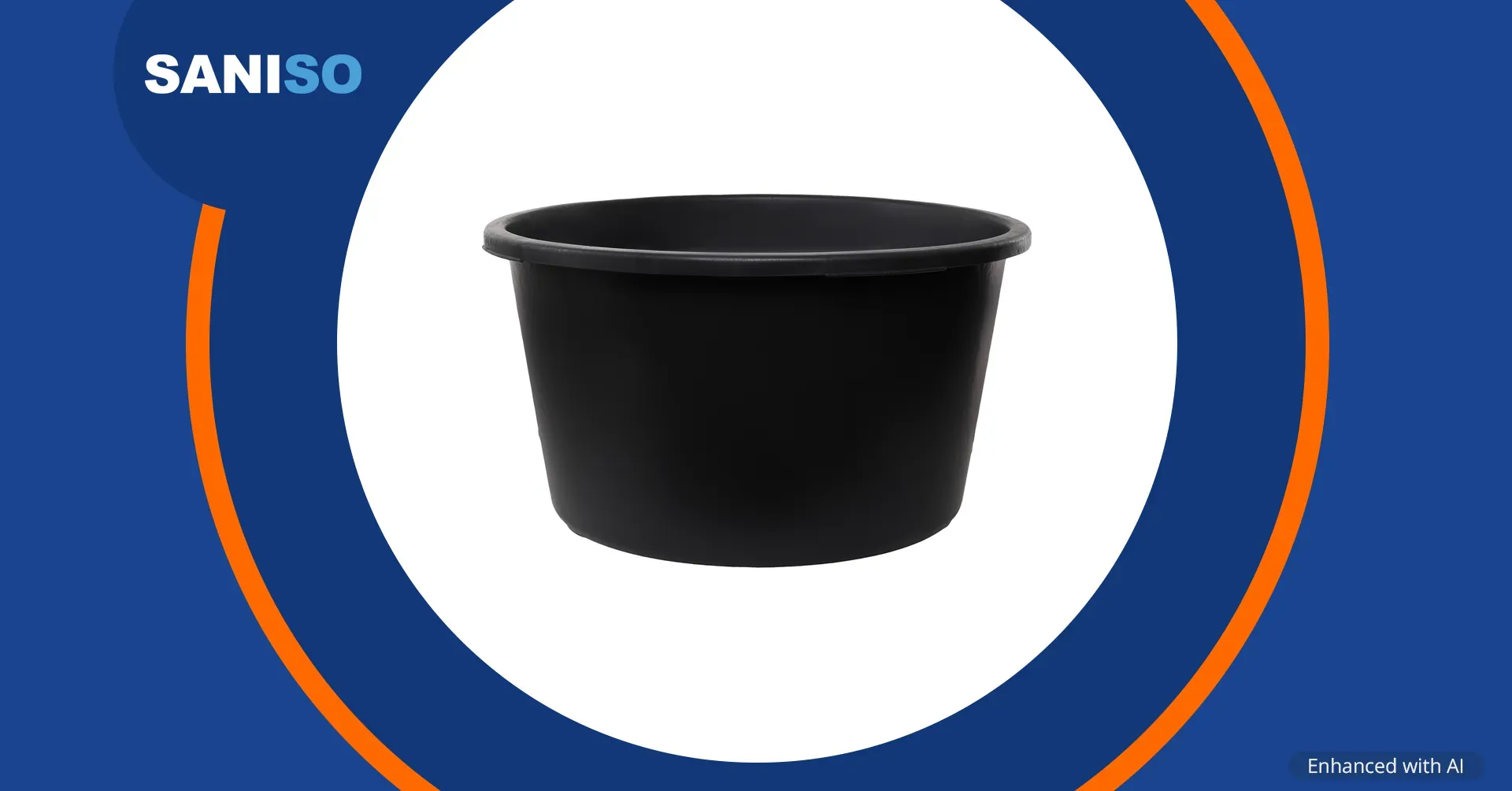
An impact-resistant, flexible construction tub made of recycled material.
What is it for? Mixing mortar and keeping it close to hand while you lay bricks.
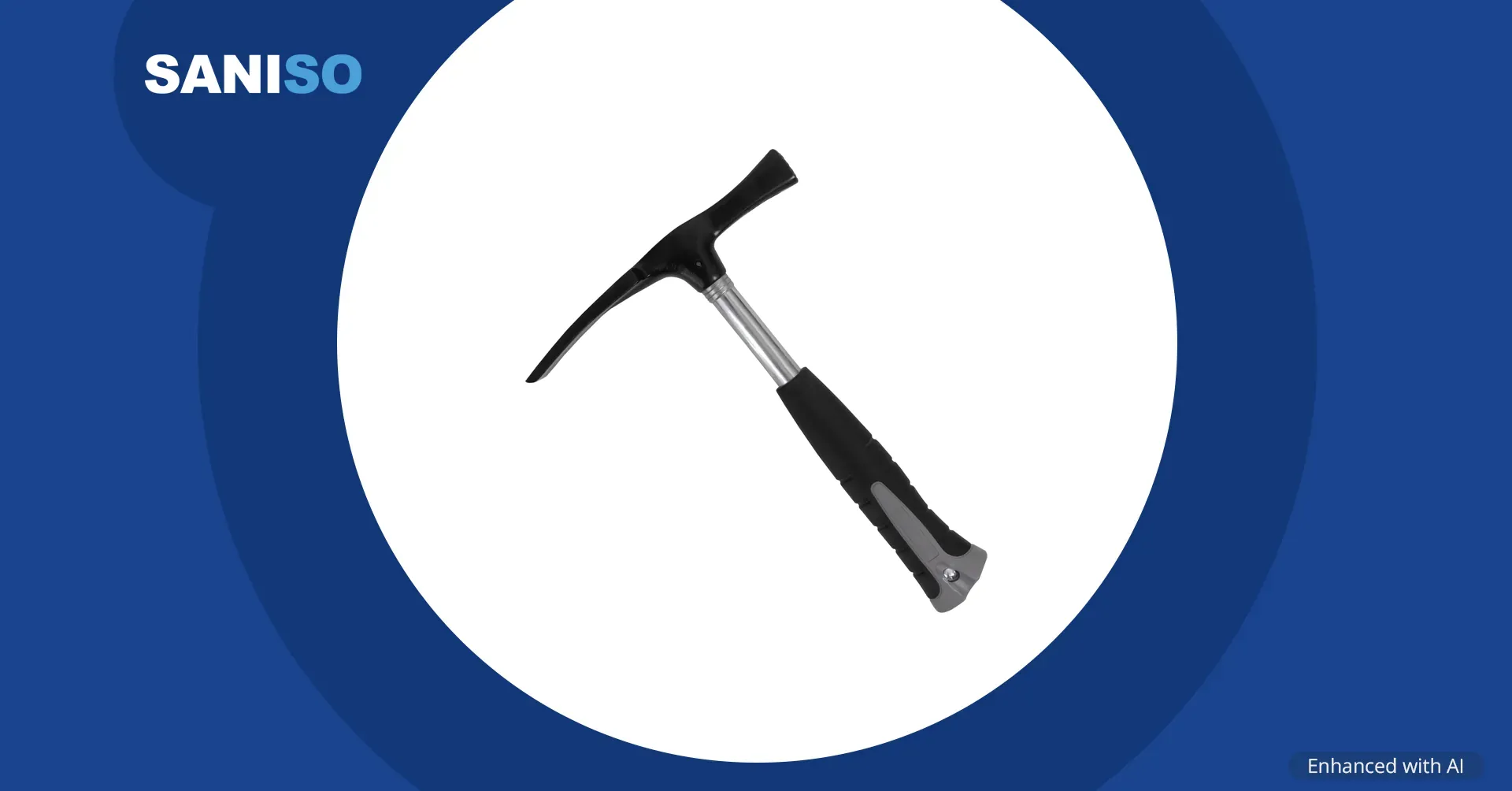
A 600 g bricklayer's hammer with a steel tube handle, a two-component grip and a reinforced, riveted head connection.
What is it for? Cutting bricks to size, such as a klezoor or drieklezoor for your bond, and tapping bricks into line.
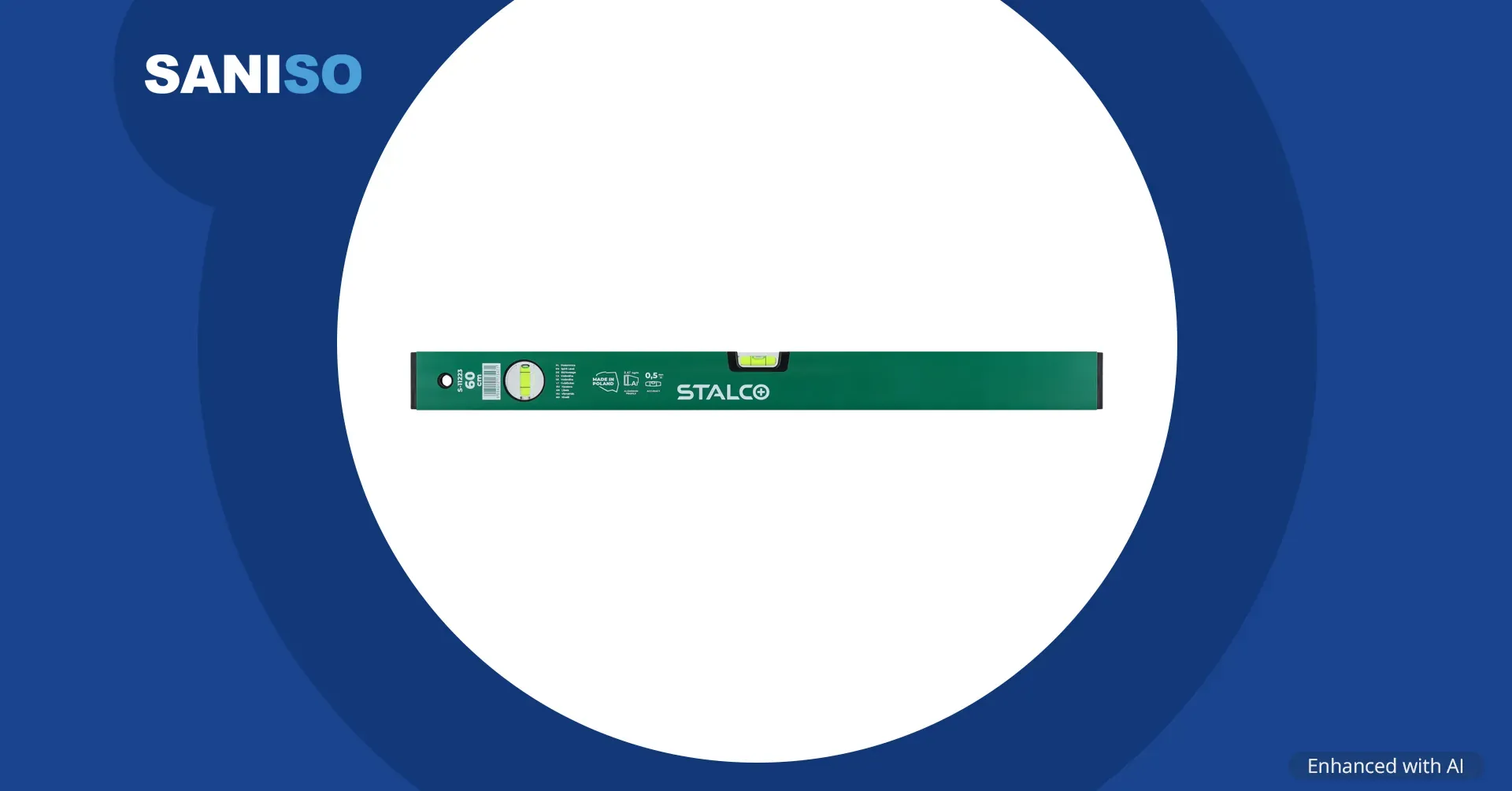
A sturdy aluminium profile (1.3 mm wall) with a measuring accuracy of 0.5 mm/m.
What is it for? Checking every course for level and plumb, so the wall stays straight.
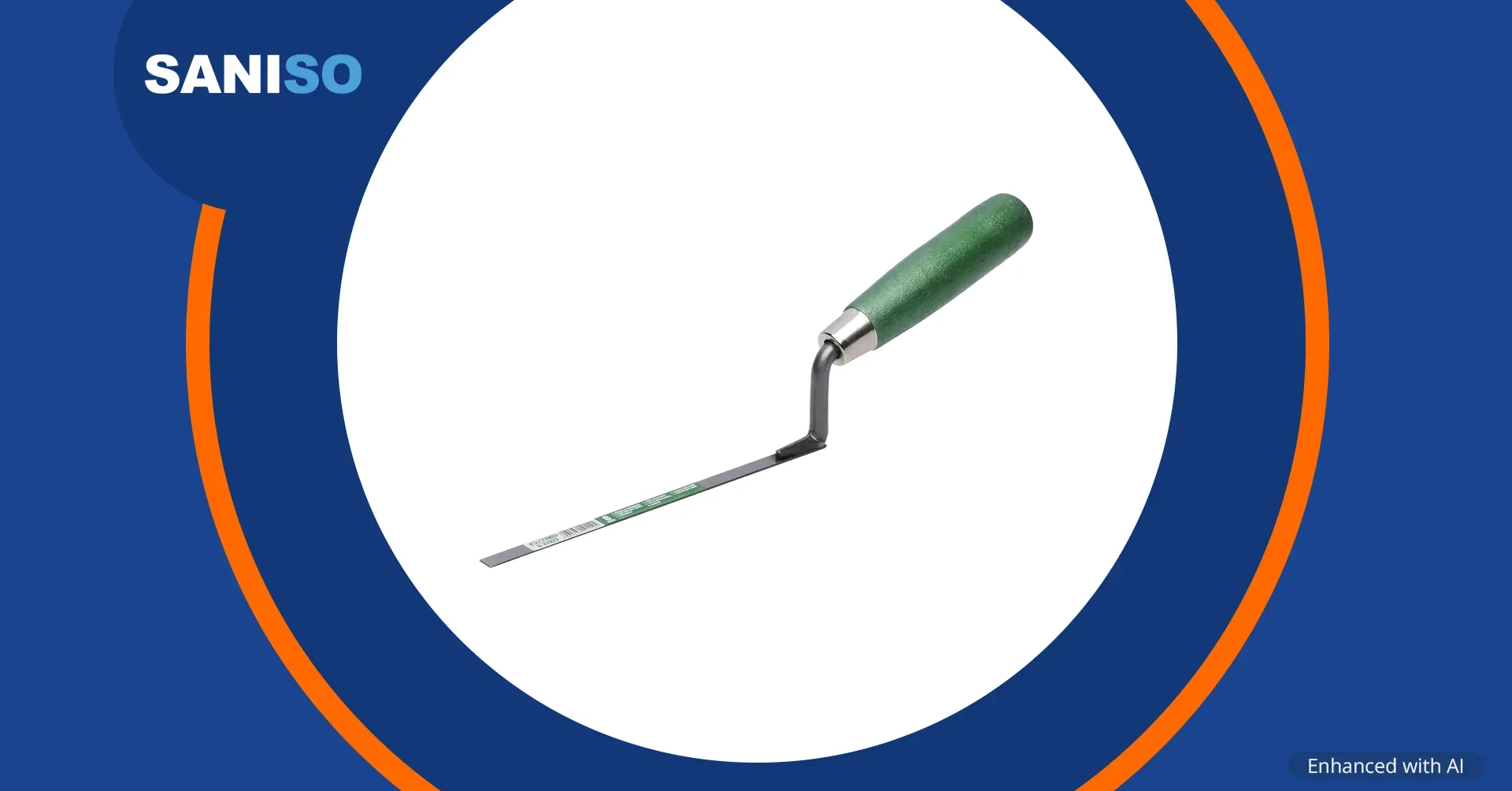
A narrow 10 mm blade for precise work in joints and tight spots.
What is it for? Filling and finishing joints (lintvoegen and stootvoegen) between bricks.
Order on a workday before 15:00? Then your order is delivered the next workday, as long as it fits in a parcel. Pallet shipments have a different delivery time. Saniso has thousands of products in stock in the Netherlands.
Your first order is easy to place:
Want to know when there are new offers? Sign up for the newsletter: scroll to the bottom of any page on saniso.nl, enter your email address under "Newsletter" and click "Subscribe". You'll get updates on offers and discount vouchers, and we don't spam. With an account you also collect loyalty points for a discount on your next purchase.
Questions about ordering, your account, payment, shipping or returns? Find all the answers in the Saniso FAQ.
How old is the brick?
The oldest bricks found, made from shaped mud, date from before 7500 BC (Tell Aswad). Fired brick was discovered in Mesopotamia between 5000 and 4500 BC.
What's the difference between a mud brick and a fired brick?
A mud brick is dried in the sun and is weak against rain. A fired brick is baked in a kiln (900–1100 °C for Dutch clay), and that makes it hard and durable.
Did the Romans bring the brick to the Netherlands?
Yes. The Tenth Legion made bricks and roof tiles at De Holdeurn near Berg en Dal. After the Romans left, the technique was lost, and monks brought it back in the 12th and 13th centuries.
What is a kloostermop?
A large medieval brick made by monks for churches and monasteries. The standard kloostermop measures 285 × 135 × 85 mm.
How big is waalformaat?
210 × 100 × 50 mm. Waaldikformaat is thicker: 210 × 100 × 65 mm.
Why are Dutch bricks red or yellow?
Because of the clay: iron-rich clay fires red, lime-rich clay fires yellow. The firing temperature and the kiln atmosphere also affect the colour.
Which brick bond is the strongest?
In kruisverband (cross bond), the bricks interlock better than in any other bond. For half-brick walls, stretcher bond is the standard.
What's the difference between a lintvoeg and a stootvoeg?
The lintvoeg is the continuous horizontal joint between two courses. The stootvoeg is the short vertical joint between two bricks in the same course.
How hot is a brick fired?
Depending on the type of clay, between 900 and 1100 °C. Historically, klinkers were fired hotter, at 1150–1250 °C.
How many bricks does the Netherlands make?
In 2024, Dutch factories produced 555 million waalformaat units of facing brick, according to KNB.
Which tools do I need for bricklaying?
At least a trowel (€5.72), a brick hammer (€12.95), a spirit level (€15.88), a jointing trowel (€1.94) and a mortar tub (€5.80). A chalk line (€11.45) helps you set out the first course.
What is the delivery time at Saniso?
Order on a workday before 15:00 and it's delivered the next workday, as long as it fits in a parcel. Pallet shipments have a different delivery time.
Do the prices include VAT?
This blog shows every price including and excluding VAT. At checkout on saniso.nl, prices are shown including VAT.
Can I pick up my order?
Yes, you can pick up your order for free in our showroom.
Building facts is a new series: every Wednesday we take one building topic under the magnifying glass. This is edition #1, and next week brings a new topic.
Share:
Building facts #2: the history of the toilet and the sewer. From Indus drains and Roman latrines to the S-bend, London's...
Draught-proofing, shutting off the outdoor tap, clearing gutters and bleeding radiators: how to get your home ready for...
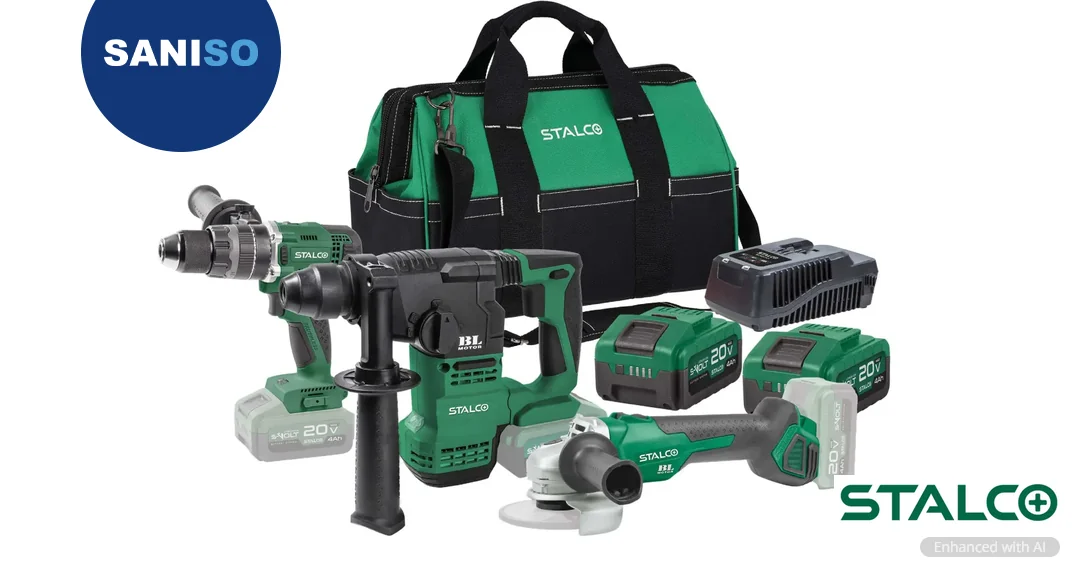
Tool trends 2024–2026: battery platforms, ergonomics, dust-free work and large-format tiles. A guide for tradespeople vi...
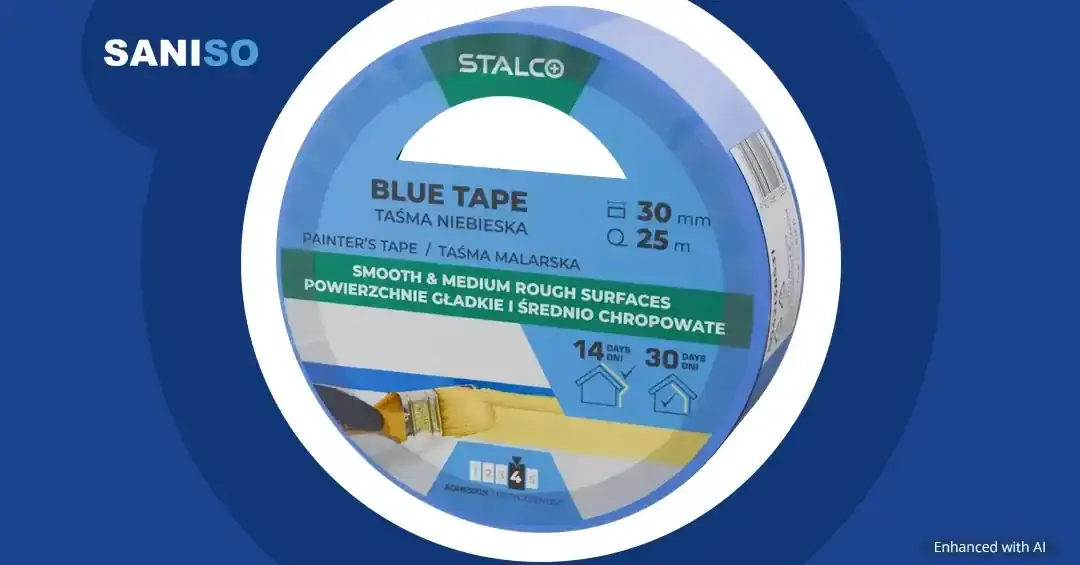
Choose STALCO painter’s masking tape, plastering tape and protective foil for clean paint lines and covered floors at Sa...