






















.webp)

Waterproofing a facade against moisture: find out when it makes sense, what to repair first, how to do it yourself and w...

Your online building supplies store for building and renovation
 English
✓
 Nederlands
✓
 Bathroom furniture sets
 Pillars and semi-pillars
 Consoles
 Washbasin cabinets
 Mirrors
 Cabinet for wc frame
 Shelves
 Accessories - bathroom furniture
 Panels for consoles
 Cabinets with laundry basket
 Top for wc frame
 Wall hung cabinets
 Cabinets for washing machine
 Mirror cabinets
 Case for wc frame
 Countertops
 Under countertop cabinets
 Washbasin faucets
 Washbasin faucets deck-mount high
 Washbasin faucets concealed
 Bidet faucets
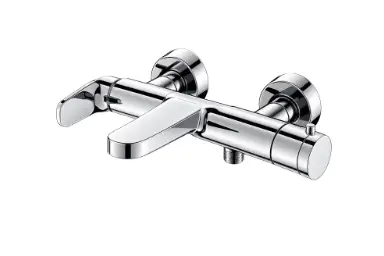 Bathshower faucets
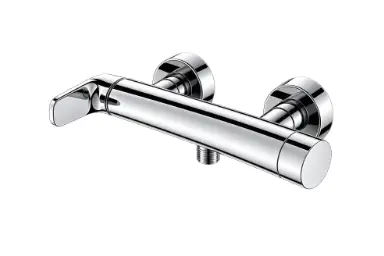 Shower faucets
 Bathshower sets concealed
 Shower column
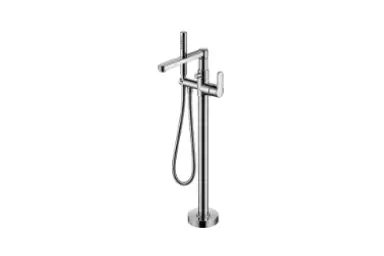 Freestanding bathshower faucets
 Shower sets
 Bathroom fitting sets
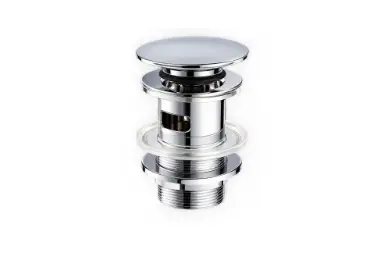 Click-clack plugs
 Spare parts - bathroom fittings
 Bathshower faucets concealed
 Bath spout
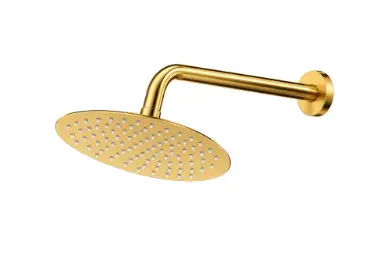 Multi-hole bathtub faucet
 Washbasin siphons
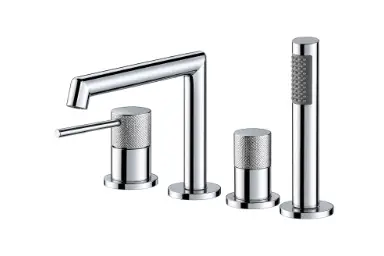 Consealed bidet system
 Clothes
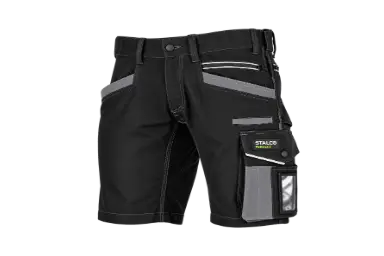 Shorts
 Dungarees
 Work dungarees
 Reflective work dungarees
 Sweatshirts
 Hoodies
 Fleeces
 ShirtsFlannel work shirts
 T-shirts
 Polo
 Jackets
 Vests
 Jumpsuits and SetsDisposable suits
 Underwear and socks
 Hats and scarves
 Hats
 Baseball caps
 Hats with a lamp
 Chimneys
 Reflective hats
 Clothing accessories
 Stripes
 Suspenders
 Foam inserts
 Protective knee pads
 Footwear
 Low shoes
 Work shoes
 Boots
 Work boots
 Winter boots
 High-top winter boots
 Sandals
 Work sandals
 Flip-flops and clogs
 Rain boots
 Work boot
 Low wellies
 High-top galoshes
 Shoe accessories
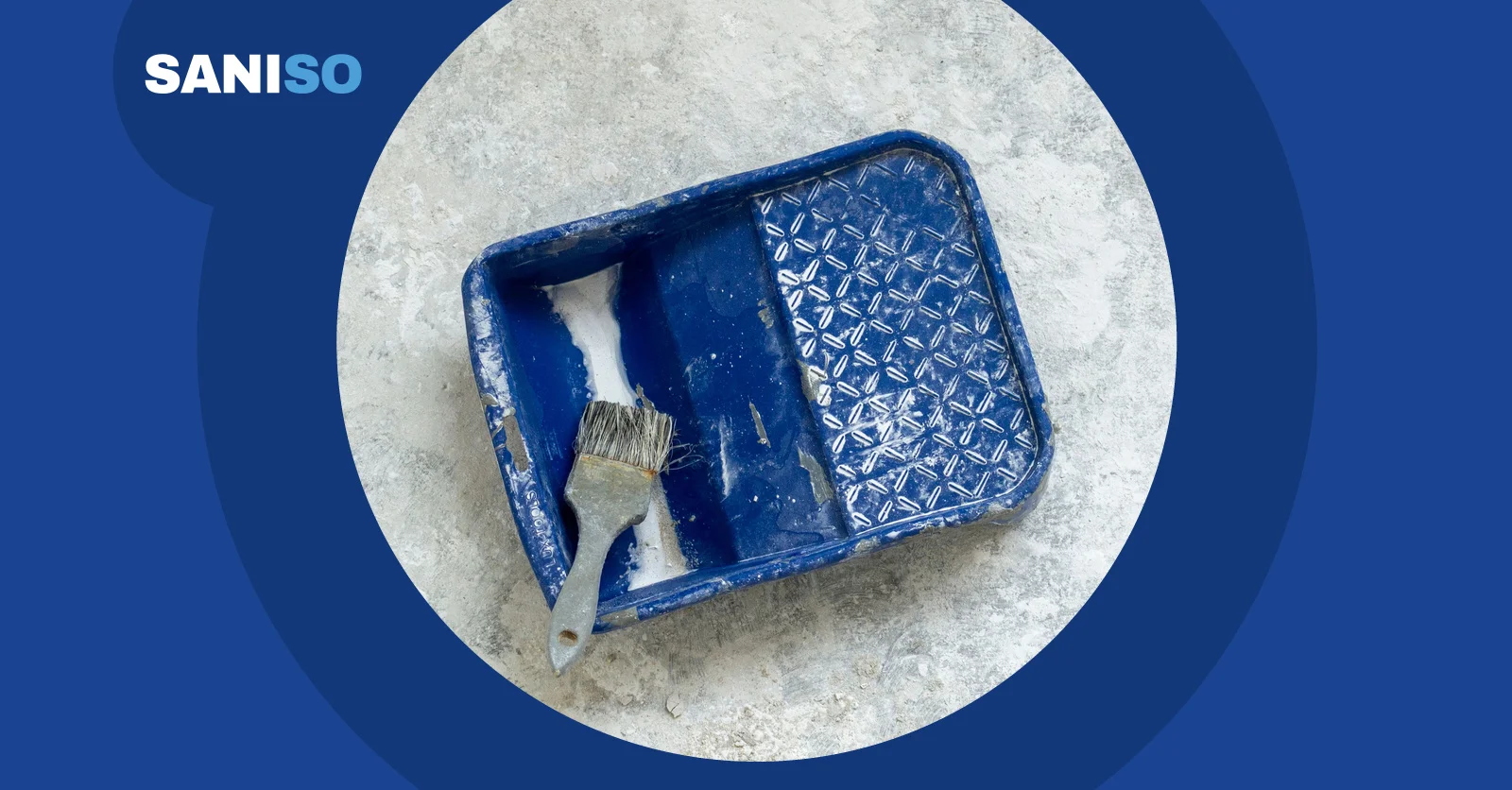
Yesterday you filled, sanded and touched up the holes and dents in your walls. Today you round off the painting weekend neatly. If you clean brushes and rollers properly straight away, you will enjoy them for years. A brush that ends up in a corner with dried paint will have to be thrown away next time. In this blog you will read how to clean brushes, rollers and paint trays, how to store leftover paint and how to dispose of paint waste safely.
👷 Calling in a professional is never unnecessary. Did you notice while touching up that the paint is flaking, the wall is damp or the colour difference stays visible? A painter can advise on the right surface and paint and paints large areas smoothly in one go.
Read more about choosing rollers and brushes in our blog on paint rollers and brushes.
Most wall paints and many modern lacquers are water-based. You clean them with water.
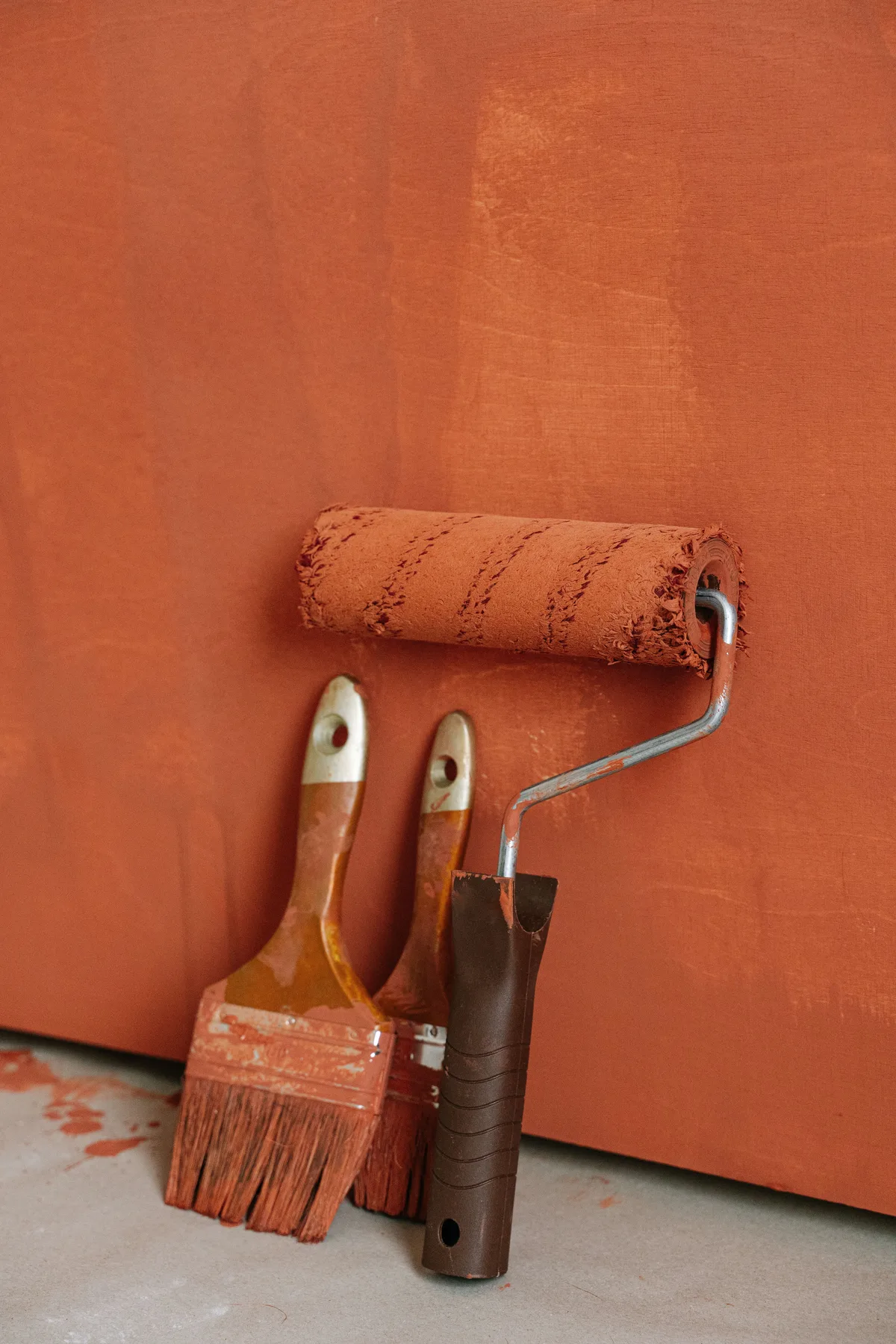
If you have used a solvent-based lacquer, water will not work. Wipe the brush out well, rinse it in a sealable jar with a suitable cleaning agent according to the label and let the sediment settle, so you can reuse the clear part. Work in a well-ventilated room, away from open flames, and never pour residues down the sink.
⚠️ Rags with linseed oil or solvent-based paint can self-heat as they dry. Let them dry spread out outdoors or keep them in a closed jar with water until you dispose of them.
Continuing tomorrow? Then you do not need to clean everything. Wrap the brush or roller airtight in film or a plastic bag and put it in a cool place. That way the paint stays wet for a day to a few days.
Read more about masking and protecting your work area in our blog on masking tape and protective film.
Wear work gloves with nitrile coating when cleaning: paint and cleaners irritate the skin. safety goggles protects your eyes when spinning out the roller. Ensure ventilation, especially with solvents, and do not eat or drink while working.
How to paint a whole wall is explained in our blog on painting a wall.
Sometimes, by soaking it and combing it out. If the bristles are hard and out of shape, a new brush is usually the better choice.
Yes, or wrap it airtight if you continue within a few days.
Pre-rinse water-based paint in a bucket as much as possible. Let the water stand overnight, pour away the clear part and let the sediment dry for the waste point.
Read also: How to touch up damaged walls: filling holes, dents and marks
At Saniso, the online store for DIYers and professionals, you will find tools, materials and personal protective equipment for your job.
In doubt about the approach? Feel free to call in a professional.
Saniso – Build your home with Saniso.
Share:
Waterproofing a facade against moisture: find out when it makes sense, what to repair first, how to do it yourself and w...
Building facts #8: the history of the spirit level and the plumb line. From Egyptian plumb levels and the Roman chorobat...

Two washbasins in the bathroom are handy in the morning rush, but will they fit? Learn how much width you need for two b...
Frost can burst an outdoor pipe. Close the inside valve, open the outdoor tap and let the water out. Read the order befo...