






Is your shelf still crooked? With the reversal test you check in two minutes whether your spirit level is still accurate...

Your online building supplies store for building and renovation
 English
✓
 Nederlands
✓
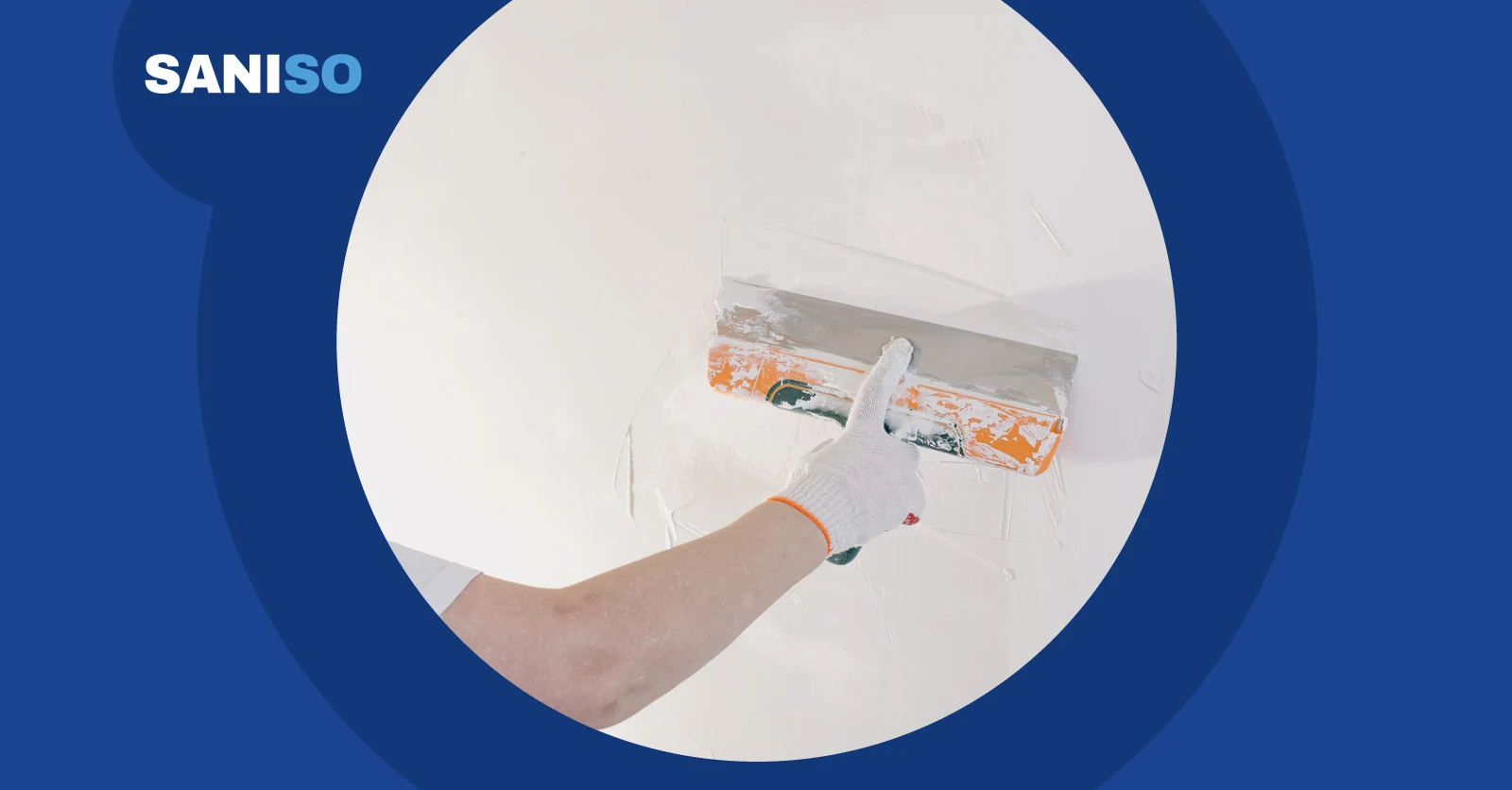
After years of living in a home you see them everywhere: holes from old picture hooks and plugs, a dent where the door handle hits the wall, a scratch from a chair or a mark you can no longer remove. Touching up walls is a classic job that gets left undone. Yet it is a nice indoor job for an autumn weekend. On Saturday you fill and sand, and in between or on Sunday you touch up the paint. In this blog you will read how to do that without visible patches or edges afterwards.
👷 Calling in a professional is never unnecessary. Large cracks, loose plaster, damp patches or mould often point to a deeper problem. Have that assessed by a plasterer or, in the case of damp, a building surveyor. If you suspect asbestos in old wall or ceiling finishes, do not sand or drill and call in a certified company.
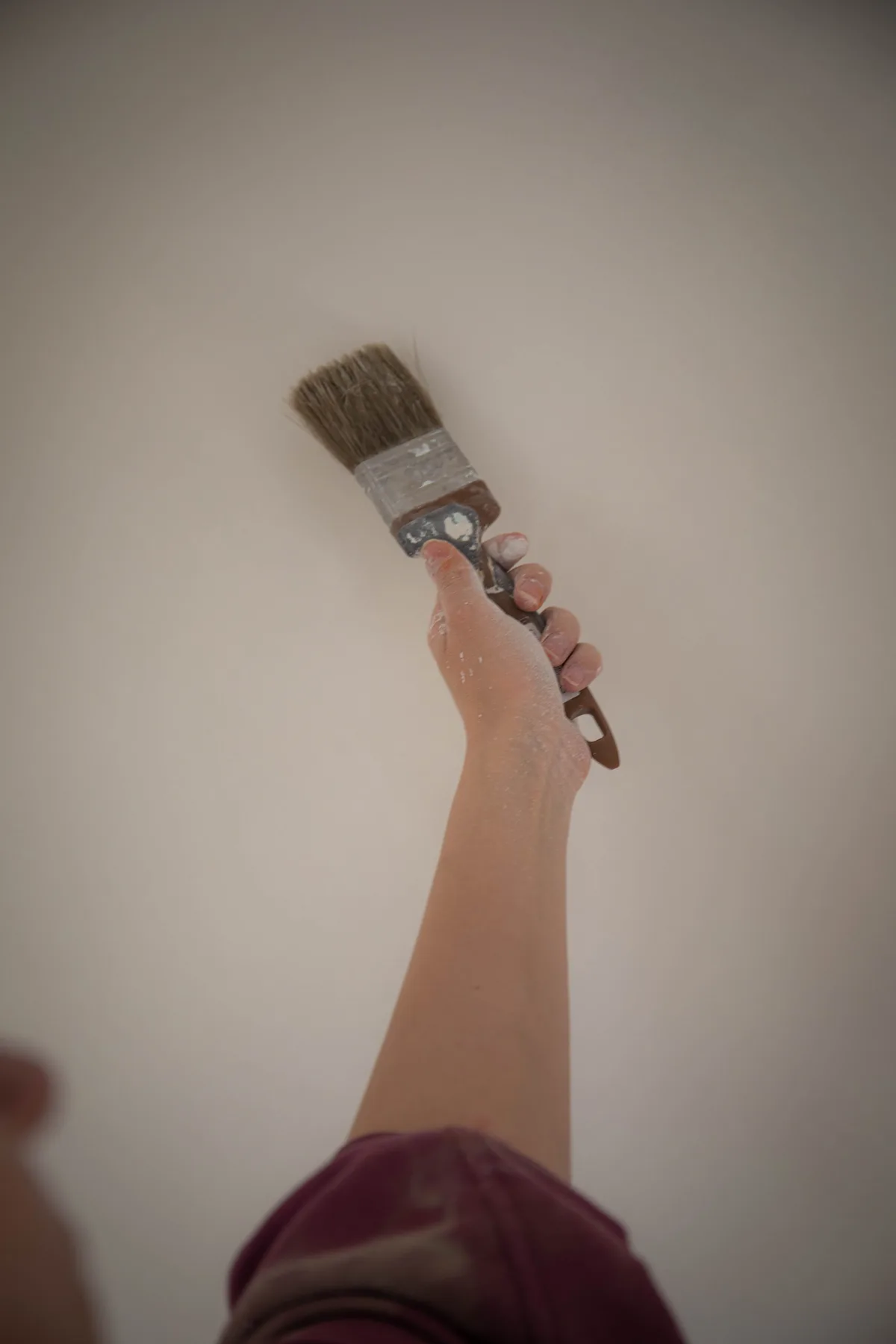
💡 Touch-ups are least noticeable if you use the same sheen and the same colour. If you no longer know which paint was used, paint the whole wall. How to do that is explained in our blog on painting a wall.
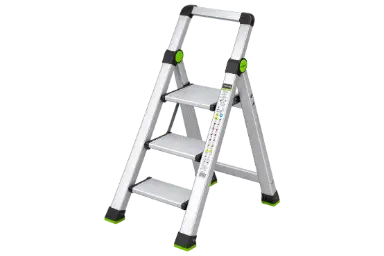
You do not want to inhale sanding dust: wear an FFP2 dust mask and safety goggles when sanding, and ventilate well. work gloves with nitrile coating protect your hands against filler and paint. Stand on a stable ladder on a level surface and do not overreach to the side; move the ladder one more time instead. Do not drill or sand near sockets and switches and leave cover plates in place: electrical work is for a registered electrician. Read more about putty knives and sanding tools in our blog on putty knives, sanding tools and scrapers.
That depends on the product and the thickness of the layer. Small holes often dry quickly, deep holes take longer. Follow the packaging.
For small spots and the same paint, usually not. If you still see a difference after drying, paint the whole surface from corner to corner.
Yes, with a few thin layers of filler. If you want to hang something there again later, choose a different spot or a suitable plug.
Read also: How to fix a leaking tap
Next weekend we finally hang up what has been leaning against the wall for months: a mirror, shelf or cabinet. You will read how to drill safely, choose the right plug for masonry or plasterboard and avoid pipes and cables. It is an indoor job with some noise and dust, so ideal for a rainy autumn weekend.
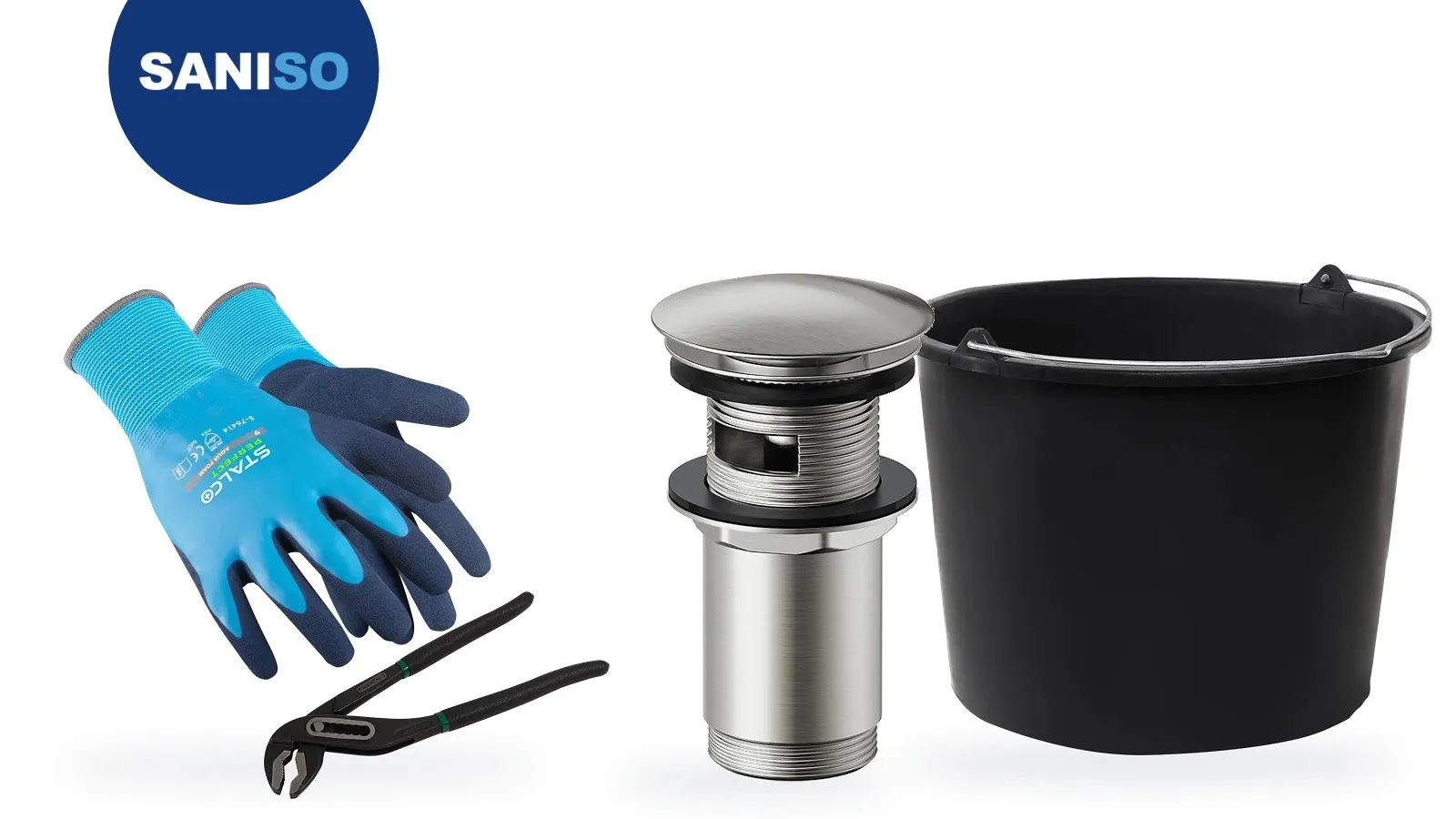
Get this ready:
At Saniso, the online store for DIYers and professionals, you will find tools, materials and personal protective equipment for your job.
In doubt about the approach? Feel free to call in a professional.
Saniso – Build your home with Saniso.
Share:
Is your shelf still crooked? With the reversal test you check in two minutes whether your spirit level is still accurate...

Old paint on window frames, doors or stairs can contain lead. Learn where the risk is, why you should never dry sand or...
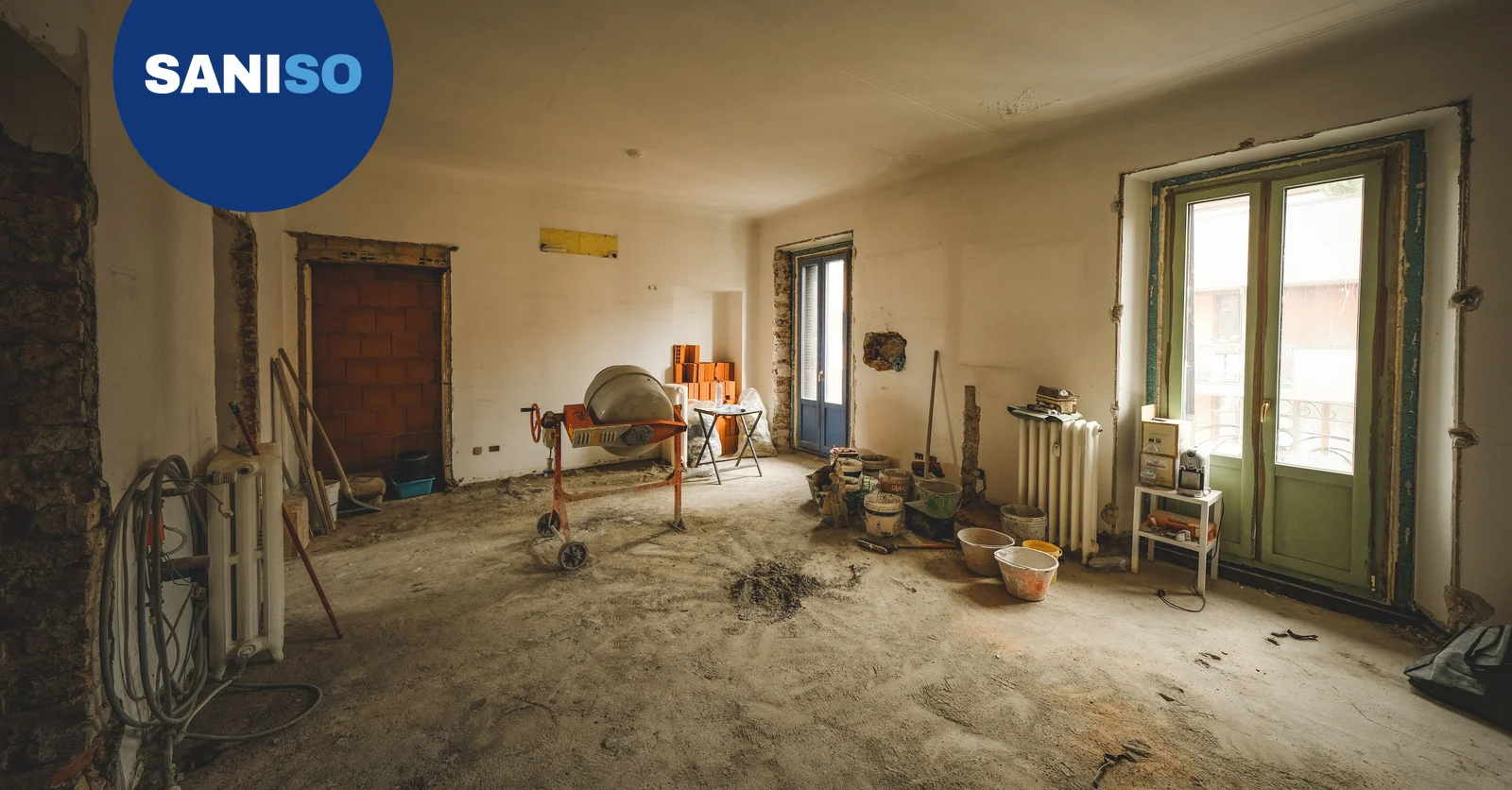
Tripping over a cable, stepping on a screw or searching for that one tool: clutter on site slows you down and causes acc...