


Is your shelf still crooked? With the reversal test you check in two minutes whether your spirit level is still accurate...

Your online building supplies store for building and renovation
 English
✓
 Nederlands
✓
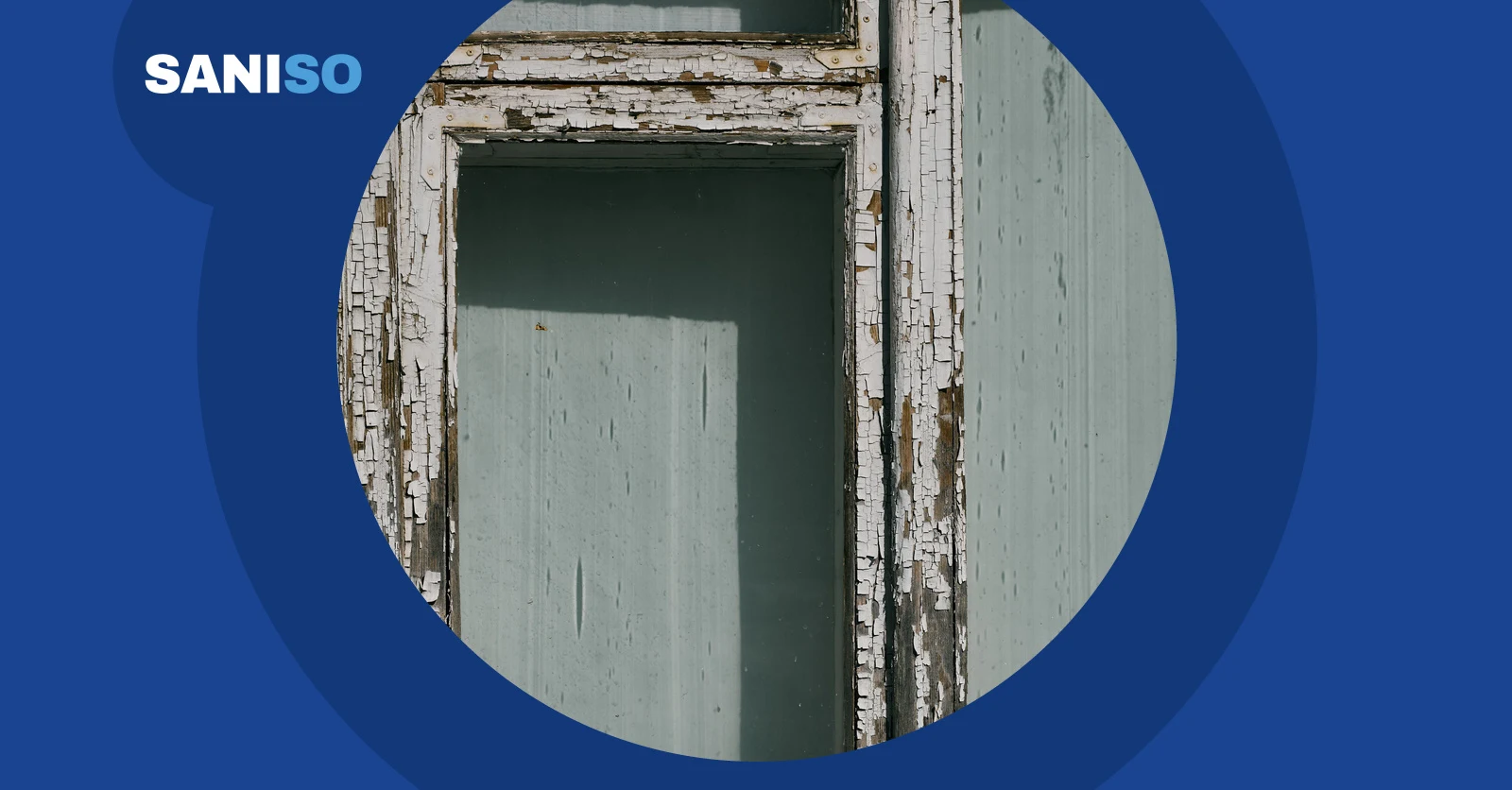
Short answer: in homes built before about 1960, the oldest layer of paint on window frames, doors, stairs, skirting boards and exterior woodwork may contain lead. Orange red lead primer on steel beams and railings often contains lead as well. As long as that paint is intact, there is little to worry about. It only becomes dangerous when you turn the paint into dust or fumes: by dry sanding, blasting or burning it off. So work wet, keep dust to a minimum and protect yourself and the people you live with.
👷 Calling in a professional is never unnecessary. A painter or remediation company can have the paint tested for lead beforehand, works with the right extraction and protective equipment and disposes of the waste correctly. With large surfaces, or with children or a pregnant woman in the house, that is the wisest choice.
Lead builds up in the body. You take it in by breathing fine dust or by getting dust from your hands into your mouth. Young children and unborn babies are the most vulnerable: they absorb lead more easily and their brains are still developing. The dust settles in floor gaps, on windowsills and in clothing, and travels home with you.
Not sure? Treat the paint as if it contains lead, or have a sample tested by a specialist company.
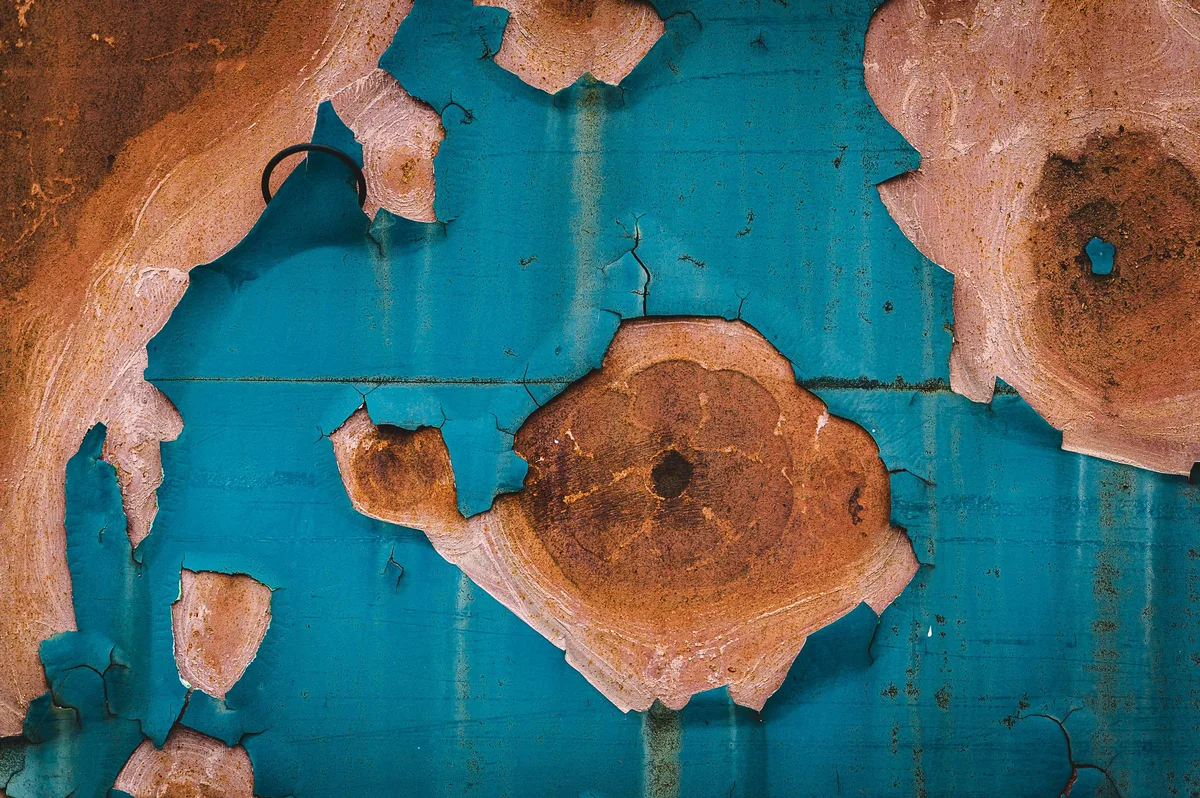
âš ï¸ Dry sanding, blasting, grinding and burning off old paint are out of the question. They release a lot of fine lead dust or lead fumes that you cannot see or smell.
💡 Work in short sessions and clean up in between. What you pick up straight away does not spread through the house.
Old plaster itself usually contains no lead, but the paint on it sometimes does. If you need to repair or chip off old plaster, wet it first and wear an FFP3 mask. If you then want the wall replastered, read our blog on repairing plaster.
Wear a well-fitting FFP3 dust mask; a simple dust mask does not protect against lead dust. Wear work gloves with nitrile coating, safety goggles and a disposable coverall, and take them off before leaving the work area. Do not eat, drink or smoke in the work area and wash your hands and face after work. Keep children, pregnant women and pets away while work is going on. Read more about working safely on the construction site in our blog on safe working on the construction site, and which glove suits which job in our buying guide for work gloves.
You only know for certain with a test by a specialist company or laboratory. If the house was built before 1960 and the paint has never been completely removed, assume to be safe that the bottom layer may contain lead.
Yes, if the paint adheres well. Painting over it is often the safest solution, because you create no dust. Sand lightly and wet, degrease and paint.
Pack it tightly closed and ask your local council how to dispose of it. Do not put it in normal household waste if it contains a lot of paint residue.
Old paint does not have to be a problem. Leave sound paint in place, work wet when you have to scrape and call in a professional when in doubt.
Read also: Safe working on the construction site: tips & PPE
Read also: Repairing plaster: fixing cracks and holes
Read also: How to paint a door: step-by-step DIY guide
At Saniso, the online store for DIYers and professionals, you will find tools, materials and personal protective equipment for your job.
In doubt about the approach? Feel free to call in a professional.
Saniso – Build your home with Saniso.
Share:
Is your shelf still crooked? With the reversal test you check in two minutes whether your spirit level is still accurate...
Holes from nails and plugs, a dent from the vacuum cleaner or a mark that will not come off: touching up walls is a job...
Tripping over a cable, stepping on a screw or searching for that one tool: clutter on site slows you down and causes acc...