

.webp)

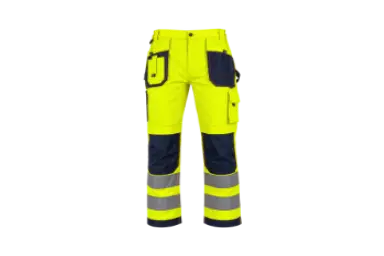
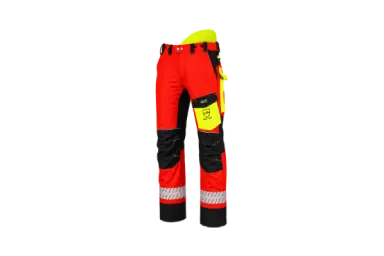
Which class of high-visibility clothing do you need by the road or on site? Read what EN ISO 20471 requires, how to read...

Your online building supplies store for building and renovation
 English
✓
 Nederlands
✓
 Bathroom furniture sets
 Pillars and semi-pillars
 Consoles
 Washbasin cabinets
 Mirrors
 Cabinet for wc frame
 Shelves
 Accessories - bathroom furniture
 Panels for consoles
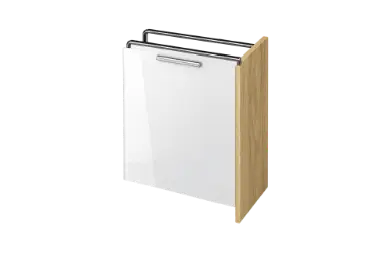 Cabinets with laundry basket
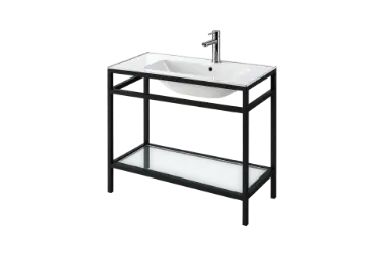 Top for wc frame
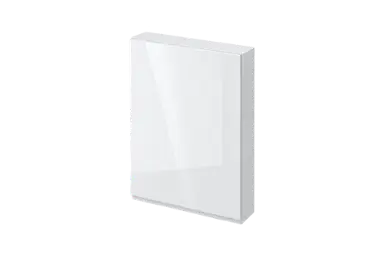 Wall hung cabinets
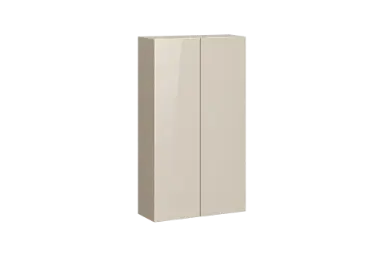 Cabinets for washing machine
 Mirror cabinets
 Case for wc frame
 Countertops
 Under countertop cabinets
 Washbasin faucets
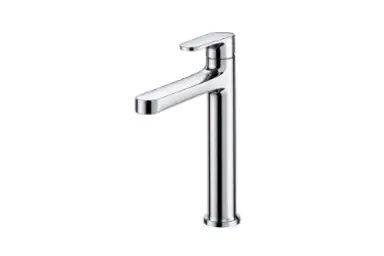 Washbasin faucets deck-mount high
 Washbasin faucets concealed
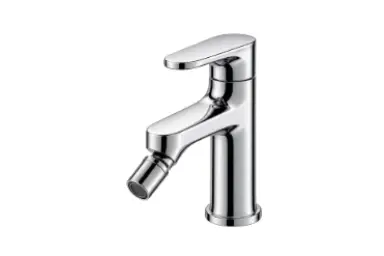 Bidet faucets
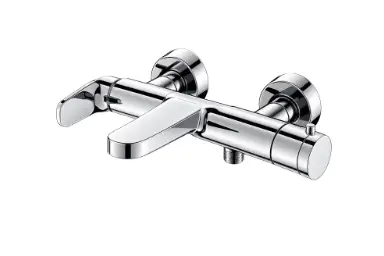 Bathshower faucets
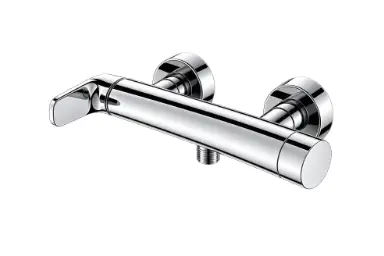 Shower faucets
 Bathshower sets concealed
 Shower column
 Freestanding bathshower faucets
 Shower sets
 Bathroom fitting sets
 Click-clack plugs
 Spare parts - bathroom fittings
 Bathshower faucets concealed
 Bath spout
 Multi-hole bathtub faucet
 Washbasin siphons
 Consealed bidet system
 Clothes
 Shorts
 Dungarees
 Work dungarees
 Reflective work dungarees
 Sweatshirts
 Hoodies
 Fleeces
 ShirtsFlannel work shirts
 T-shirts
 Polo
 Jackets
 Vests
 Jumpsuits and SetsDisposable suits
 Underwear and socks
 Hats and scarves
 Hats
 Baseball caps
 Hats with a lamp
 Chimneys
 Reflective hats
 Clothing accessories
 Stripes
 Suspenders
 Foam inserts
 Protective knee pads
 Footwear
 Low shoes
 Work shoes
 Boots
 Work boots
 Winter boots
 High-top winter boots
 Sandals
 Work sandals
 Flip-flops and clogs
 Rain boots
 Work boot
 Low wellies
 High-top galoshes
 Shoe accessories
Short answer: impregnating makes a porous facade water repellent while the wall can still breathe. It helps against a facade that turns dark and wet in the rain, against green growth and against frost damage. It does not help with cracks, damaged pointing, leaking gutters or moisture coming from inside or from below. You can impregnate a low, easily reachable wall, a garden wall or part of a facade on the ground floor yourself. If the facade is high, the pointing is poor or the cause of the moisture is unclear, call in a professional.
Read this article in Dutch as well: Buitenmuur of gevel impregneren: zelf doen of vakman?.
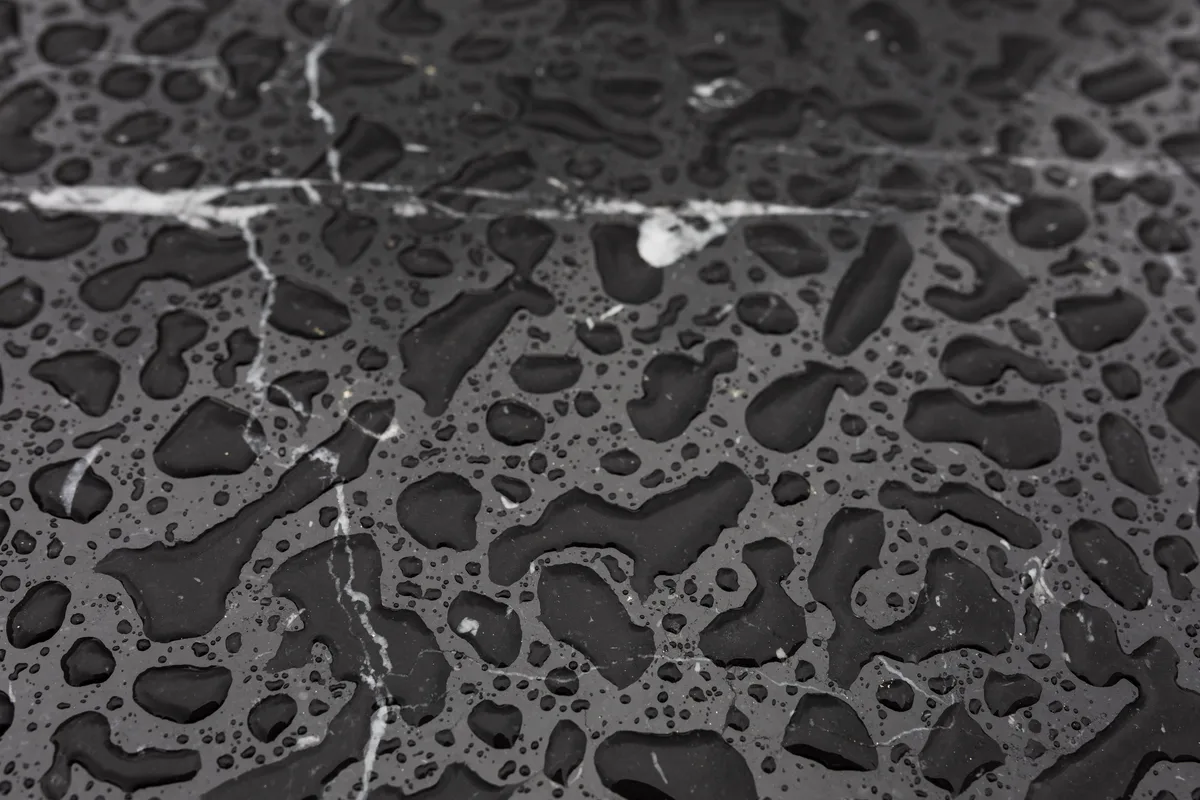
An impregnating agent penetrates the pores of brick, natural stone, concrete or sand-lime brick. It does not form a layer on the surface like paint. Rainwater beads off, but water vapour from the wall can still escape. A product such as Fila Hydrorep Eco water repellent is water repellent, breathable and leaves no sheen. Check the product page and the label to see which surfaces a product suits.
| Situation | DIY | Professional |
|---|---|---|
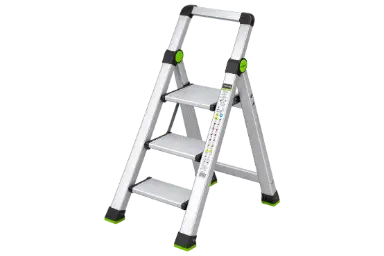
| Garden wall, shed or low facade on the ground floor | yes, with a short ladder | not needed |
| Facade higher than one storey | no | yes, with scaffolding or an aerial platform |
| Pointing crumbles, cracks or loose bricks | no, repair first | yes, pointing and repair |
| Damp patches inside or moisture at the bottom of the wall | no | yes, find the cause first |
| Listed building or old lime mortar | no | yes, with advice beforehand |
| Healthy facade that only gets wet and green | yes | useful for large areas |
👷 A facade specialist or pointer first looks at the cause of the moisture. Is it driving rain, a leaking gutter, damaged pointing or rising damp? Impregnating only makes sense on a healthy facade. That diagnosis and repairing the pointing are craftsmanship you do not skip. Also read our blog on cleaning gutters: DIY or professional.
⚠️ In autumn and winter the facade is often too wet and too cold. Use these months to inspect and repair, and plan the impregnation for a dry period in spring or summer.
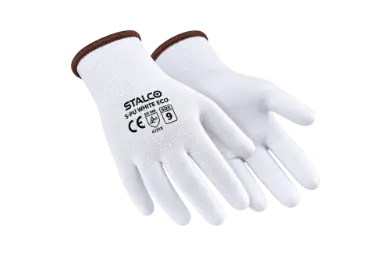
Wear safety goggles and work gloves with nitrile coating, because spray mist quickly gets into your eyes and onto your skin. When spraying in a windy spot or for longer jobs an FFP2 dust mask is useful. Read the safety data sheet for the right mask. Work on a stable folding ladder with handle and never with one hand above your head. If you need to go higher than you can safely reach with a household ladder, you need scaffolding with a safety helmet and, when working at the edge, a safety harness. That is a job for a professional. Also read our blog on safe working on the construction site.
That differs per product and per facade. The label gives an indication. When you see that water no longer beads off, it is time for a new treatment.
No, the product has to soak into the stone. Impregnating does not work on paint or a closed coating.
Only if the moisture comes from driving rain outside. With rising damp, leaks or condensation the cause lies elsewhere. Have that investigated first, and for storm damage read our blog on checking your roof after a storm. To get the whole house ready for the cold, see our blog on getting your home ready for winter.
At Saniso, the online store for DIYers and professionals, you will find tools, materials and personal protective equipment for your job.
In doubt about the approach? Feel free to call in a professional.
Saniso – Build your home with Saniso.
Share:
Which class of high-visibility clothing do you need by the road or on site? Read what EN ISO 20471 requires, how to read...
Two washbasins in the bathroom are handy in the morning rush, but will they fit? Learn how much width you need for two b...

Frost can burst an outdoor pipe. Close the inside valve, open the outdoor tap and let the water out. Read the order befo...
After touching up your walls you do not want to throw away the brush. With the right approach you quickly clean brushes,...