Cart (0)
No products in the cart.

 English ✓
 Nederlands ✓
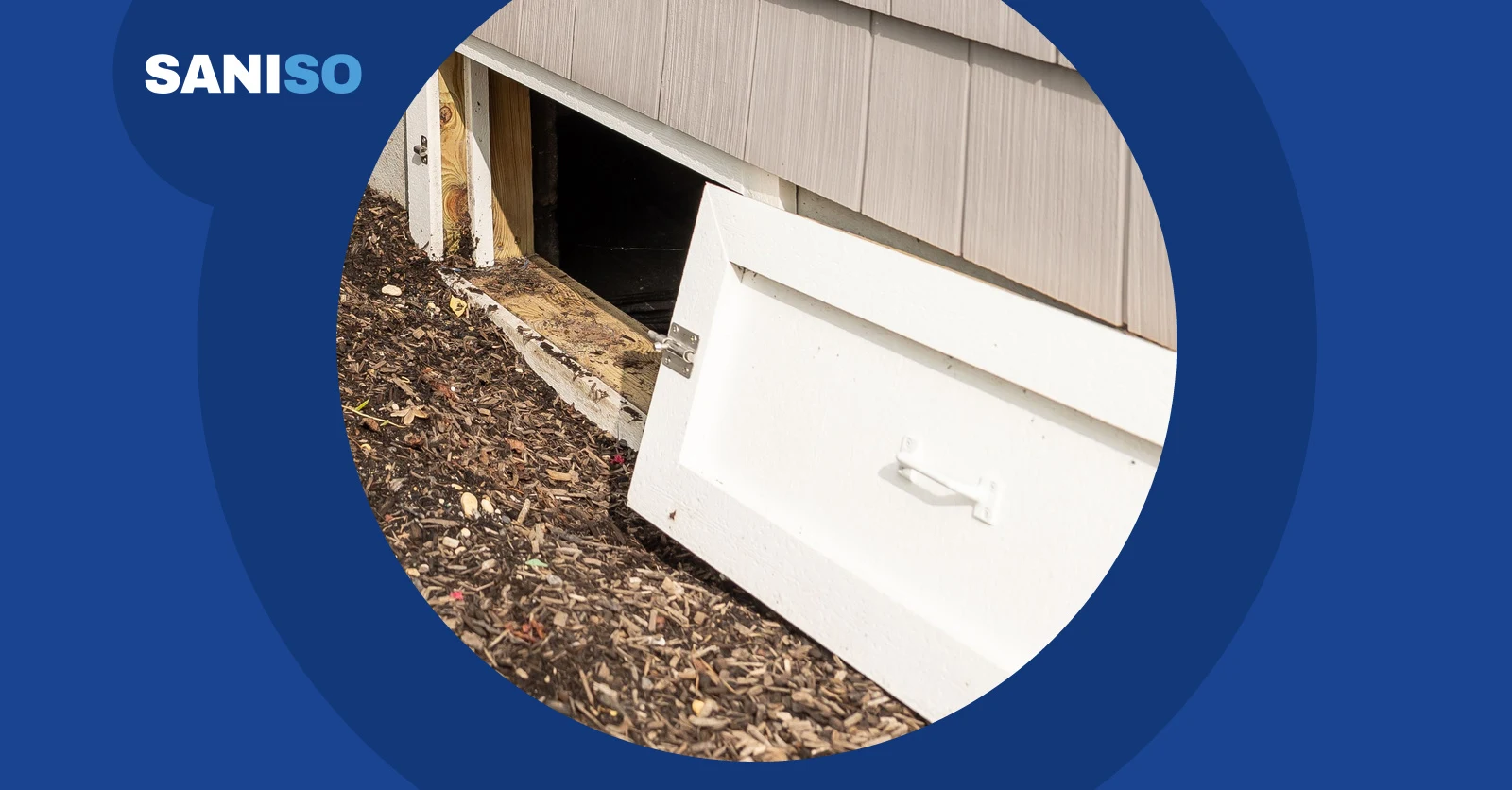
Short answer: never simply enter a crawl space, cellar, shaft or other space with little light and poor ventilation. First assess the risks, ventilate the space, bring good battery lighting and agree who stays outside. If you are unsure whether the air is safe, do not go in. A dust mask does not protect against oxygen deficiency or gases. In this article you will learn how to work safely in these spaces as a professional and which PPE you need.
Read this article in Dutch as well: Veilig werken in kruipruimtes en ruimtes met weinig licht of ventilatie.
Installers, plumbers, insulation fitters and contractors come across them every day:
Some of these spaces count as confined spaces: difficult to access, with limited ventilation and a possible risk of oxygen deficiency, toxic or flammable gases. Stricter rules apply there, such as a work permit, gas measurement and an attendant outside.
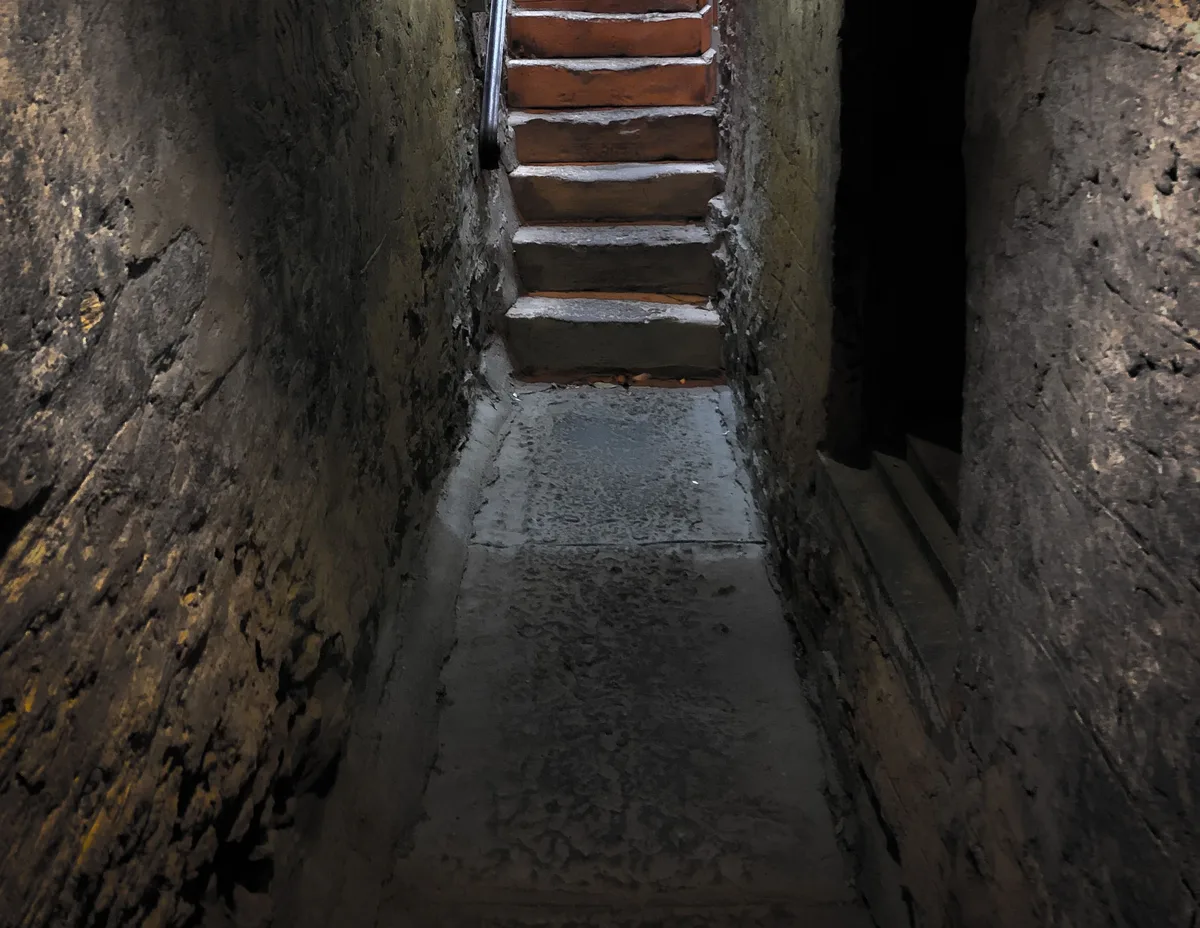
| Risk | Where it comes from | What to do |
| Oxygen deficiency | moisture, rust, rotting, poorly ventilated space | ventilate, have it measured, if in doubt do not enter |
| Gases | sewer and drain air, leaking gas, exhaust fumes | do not enter, leave the space, call in an expert |
| Little light | no or poor lighting | bring battery work lights and head lighting |
| Dust, mould and fibres | old insulation, sand, damp | dust mask, coverall, gloves |
| Cramped posture | low space, crawling | knee pads, breaks, good planning |
| Limited escape route | one hatch or stair | keep the exit clear, have someone stay outside |
⚠️ Do you smell gas or sewage, or do you feel dizzy, sick or get a headache? Get out immediately and do not go back in to help a colleague without the right equipment. Many victims in confined spaces are helpers who go in after them.
Never work by touch. Bring a rechargeable work light, such as rechargeable LED work lamp or rechargeable LED work light 800 lm, and possibly set of rechargeable work lights 1000 and 800 lm to light two sides. For small spots, a compact cordless work light WLS20 is handy. With a rechargeable LED flashlight you can look into corners and behind pipes, and a beanie with built-in light keeps your hands free. Battery lighting has the advantage that you do not need to take mains power or an extension cable into a damp crawl space. Read more about work lights in our blog on work lights.
💡 On long jobs, place a second light at the exit. That way you always see where to go, even if your head light runs out.
Also read our blog on safe working on the construction site for the basic rules on site.
Crawl spaces often contain gas and water pipes and electrical cables. Do not touch damaged cables or leaking pipes. If in doubt, call in a certified installer. Old crawl spaces may contain asbestos, for example in old insulation or board material. If you are not sure, stop and first read our safety tip on recognising asbestos.
Working in a crawl space or confined space seems routine, but it is exactly routine that makes it dangerous. An experienced professional recognises the signals, plans the work and knows when not to go in. A professional is therefore never unnecessary. For homeowners: always leave work in a crawl space with sewers, gas or electricity to a professional.
👷 Do you work with a team in crawl spaces or cellars? Make sure everyone carries the same lighting and PPE. Saniso is a wholesaler and also supplies work lights, masks, coveralls and knee pads in large quantities; get in touch for advice.
Not always, but a crawl space can have the same hazards. So treat it with the same care: ventilate, assess and have it measured if in doubt.
Against dust, fibres and mould spores, yes. Against oxygen deficiency and gases, no. That requires measurement, ventilation and possibly independent breathing air.
Preferably not. Always agree that someone knows where you are and keeps in contact. In a confined space, an attendant outside is mandatory.
Rechargeable work lights and head lighting, so you do not need mains power or cables in a damp space.
At Saniso, the online store for DIYers and professionals, you will find tools, materials and personal protective equipment for your job.
In doubt about the approach? Feel free to call in a professional.
Saniso – Build your home with Saniso.
Share:

Which personal protective equipment do you need on a building site? A complete PPE list by risk, with the relevant stand...

Choosing women's workwear: why a men's model in a small size does not work, what to look for in trousers, jackets, safet...
Planning to dig a fence post, drain or trench? Read where cables and pipes usually lie, when a KLIC notification is requ...
Learn how to choose chemical-resistant gloves for construction work, from EN ISO 374 ratings to nitrile, latex and neopr...