Cart (0)
No products in the cart.

 English ✓
 Nederlands ✓
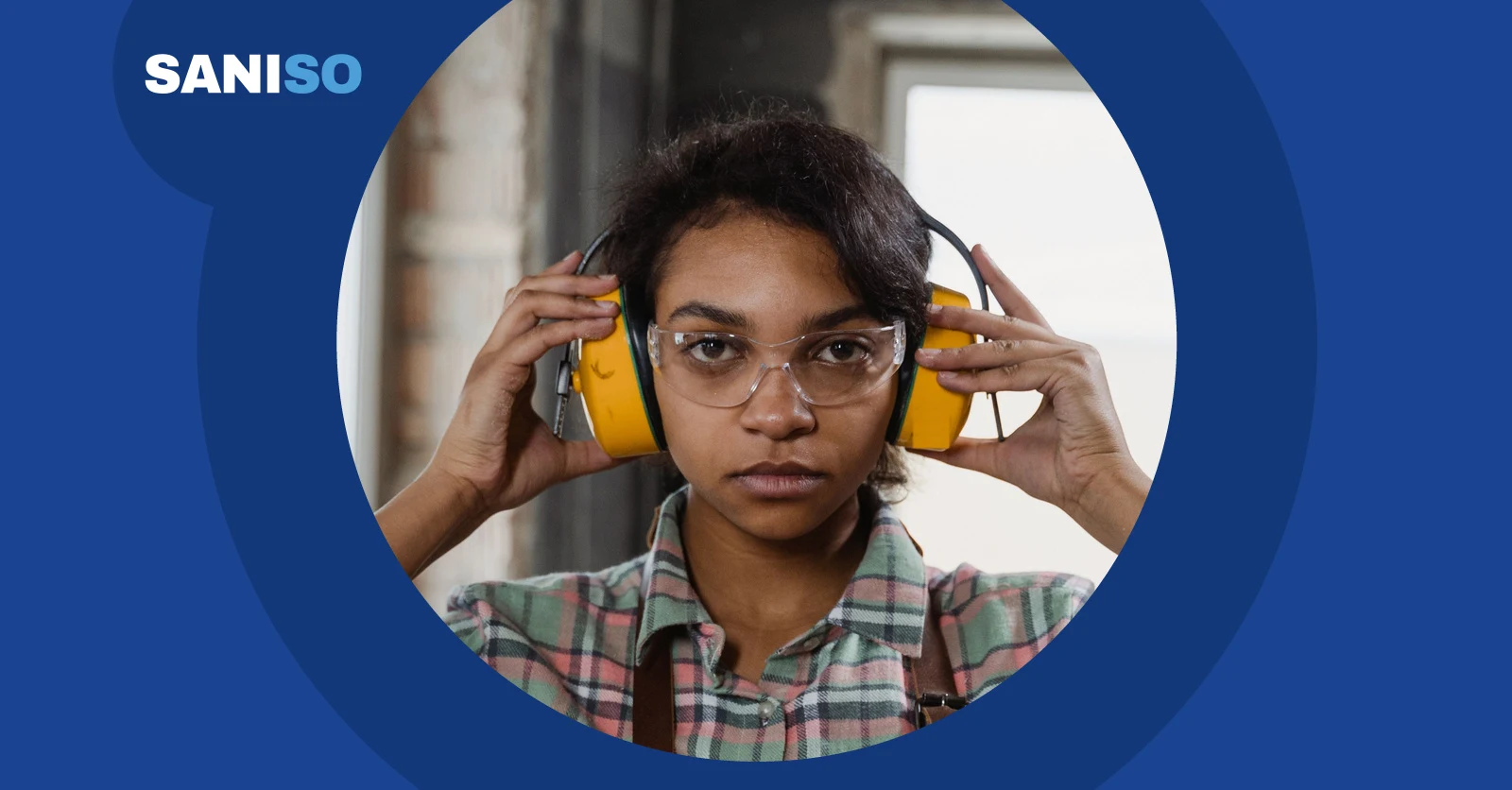
Short answer: you do not choose women's workwear by taking a men's model one size smaller. A women's model has a different cut, with more room at the hips, a narrower waist and shorter sleeves and legs. With safety shoes it is all about the last: a narrower heel and a lower instep. Clothing and PPE that fit well are not only more comfortable, they are also safer. In this article you will learn what to look for in trousers, jackets, shoes and PPE, and how to kit out your team properly as a company.
Read this article in Dutch: Werkkleding voor vrouwen: zo kies je kleding, schoenen en PBM die echt passen.
More and more women work in construction, installation, finishing trades and workshops. Yet many of them still wear workwear designed for men. That leads to familiar problems:
Clothing that is too loose is more than a matter of comfort. Loose sleeves and legs can get caught in rotating tools or machines, and tripping over a trouser leg that is too long on a stair or scaffold is a real risk. Well-fitting workwear is simply part of working safely.
Good work trousers for women fit the hips and waist and let you move freely when crouching, kneeling and climbing. Look out for these points:
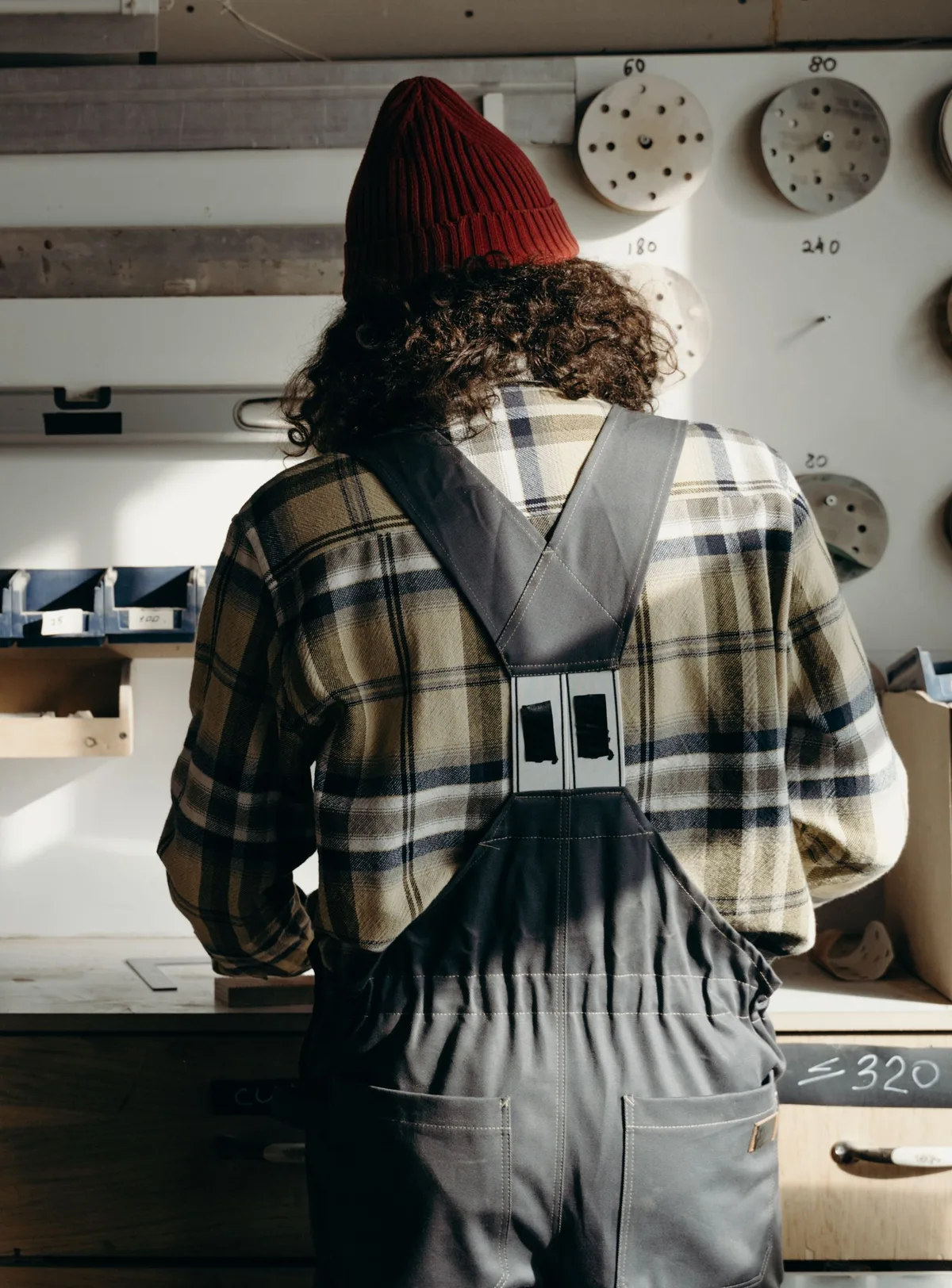
One example is the Viki women's work trousers: stretch trousers with a raised back, zipped ventilation openings, reinforced pockets and reflective details. If you work on your knees a lot, combine the trousers with separate knee pads.
Working outside calls for layers. A fitted jacket sits better, keeps out the wind and does not get in the way while you work.
Read more about warm layers in our blog on working outside in winter.
A woman's foot has, on average, a narrower heel and a lower instep than a man's foot of the same length. A men's shoe in size 37 does not solve that. So pay attention to:
The Olivia S1 women's safety shoe is a light women's shoe with a composite toe cap, anti-slip sole and anti-static properties, intended for indoor work, workshops and warehouses. For wet work in the garden or outdoors, women's rubber boots are a practical addition. Read more tips on choosing work shoes in our blog on choosing safety shoes.
💡 In doubt between two sizes? Choose the size in which your heel does not slip and your toes are free. A safety shoe that is too big is not a solution: your foot slides forward against the toe cap.
Personal protective equipment also has to fit to protect you properly:
An employer provides suitable PPE. That also means employees can choose from models and sizes that fit them. A practical approach:
Saniso is a wholesaler and also supplies workwear and PPE in larger quantities for companies and teams. Get in touch for advice on a suitable package.
Even good clothing does not replace a safe way of working. Make a short risk assessment for every job, wear the PPE that belongs to the work and let someone know where you are working if you are alone. Read more about safety on site in our blog on safe working on the construction site. If you work near roads or between machines, also choose highly visible clothing; see our blog on high-visibility clothing and EN ISO 20471.
For a single pair of trousers or a pair of gloves, you often know what fits. For a complete package for a team, special risks or complaints about feet, back or knees, advice is never unnecessary. A PPE specialist or occupational health and safety expert looks at the risks of the work and the protection that goes with it.
👷 In doubt about which safety class or PPE suits your work? Check with your safety officer or occupational health service. Are you a buyer or site manager and do you need larger quantities for a project? Saniso is a wholesaler and also supplies large quantities; get in touch for advice.
Unisex workwear is usually a men's model in smaller sizes. Women's workwear has its own cut with more room at the hips, a narrower waist and shorter sleeves and legs.
Often size 6 or 7. Measure the circumference of your hand and choose a glove that fits closely without pinching.
Yes. They meet the same standards and classes, such as S1 or S3. The difference is in the fit.
An employer has to provide PPE that suits the wearer and the work. Discuss with your employer which models and sizes are available.
At Saniso, the online store for DIYers and professionals, you will find tools, materials and personal protective equipment for your job.
In doubt about the approach? Feel free to call in a professional.
Saniso – Build your home with Saniso.
Share:
Which personal protective equipment do you need on a building site? A complete PPE list by risk, with the relevant stand...
Working safely in a crawl space, cellar or shaft: risks, ventilation, lighting, PPE and when not to go in. Practical tip...
Planning to dig a fence post, drain or trench? Read where cables and pipes usually lie, when a KLIC notification is requ...
Learn how to choose chemical-resistant gloves for construction work, from EN ISO 374 ratings to nitrile, latex and neopr...