Cart (0)
No products in the cart.

 English ✓
 Nederlands ✓
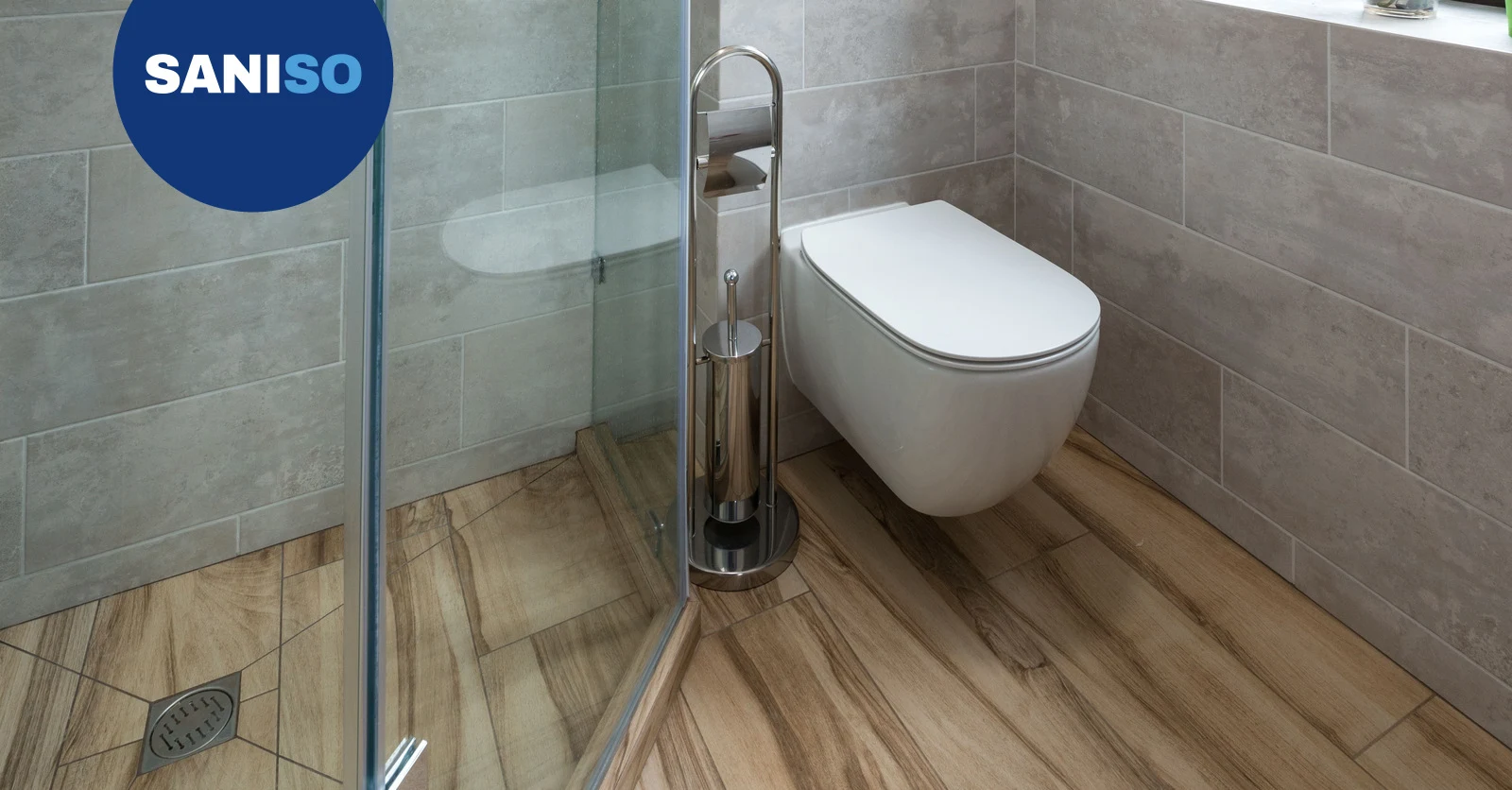
Short answer: wood-look tiles are ceramic tiles with the look of a wooden floor, but without the drawbacks of wood. They are water-resistant, scratch-resistant, easy to clean and very well suited to underfloor heating. The differences between the variants are mainly in the size, finish and colour, and whether the tile is rectified. In this guide you will learn which wood-look tile suits your room and what to watch for when laying it.
Read this article in Dutch as well: Houtlook tegels: dit zijn de verschillen tussen de varianten.
Wood-look tiles (also called wood-effect tiles or ceramic parquet) are ceramic or porcelain tiles with a print and texture that resemble wood. You see grain, knots and colour variation, just like real planks. Because they are ceramic, you can use them where wood is difficult: in the bathroom, the kitchen, the hallway and on underfloor heating. See also our buying guide for ceramic tiles for a general explanation of choosing tiles.
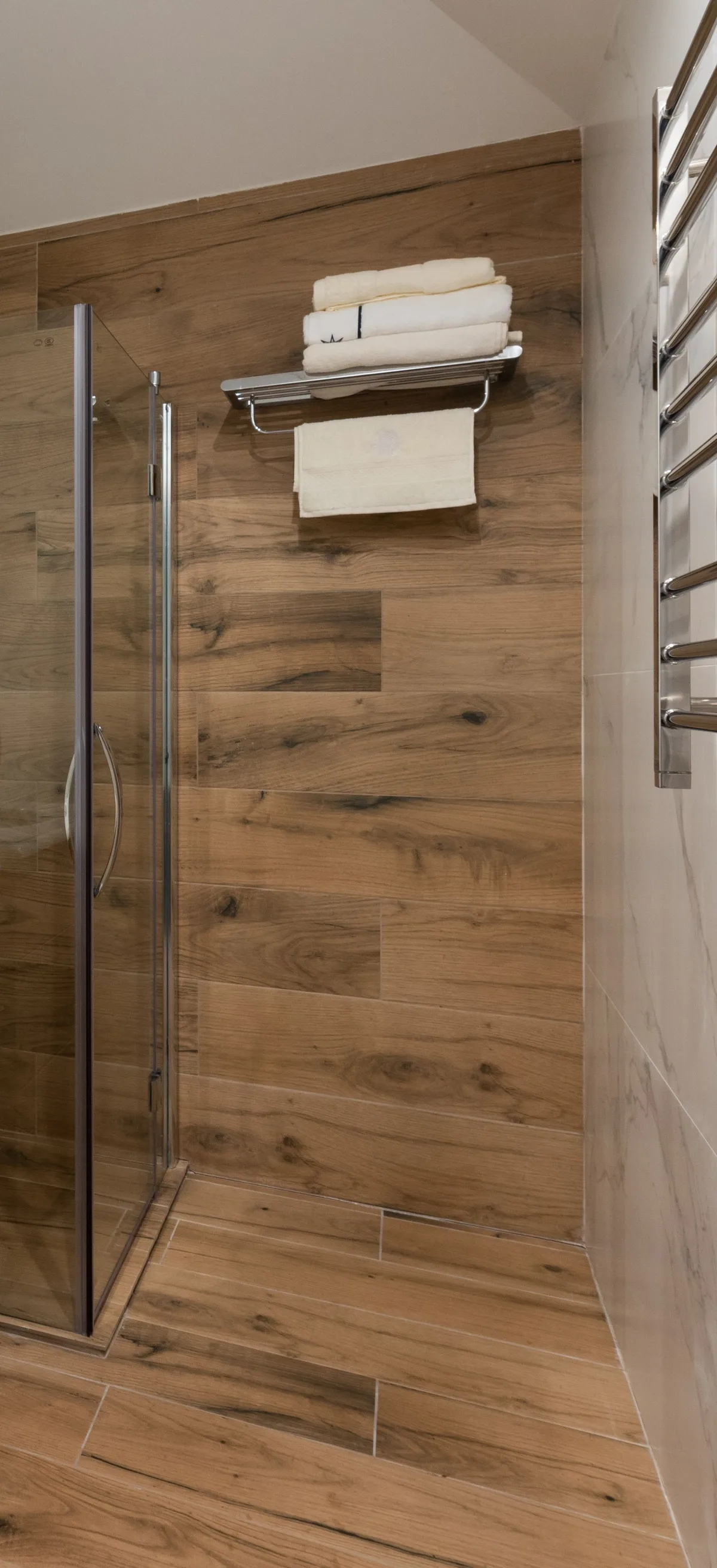
Wood-look tiles are usually narrow and long, so they look like planks. At Saniso you will find, among others:
The longer the plank, the more realistic the effect, but the higher the demands on the substrate. Read more in our blog on laying large-format tiles.
A rectified tile (rect) is ground to an exact size after firing. This allows a narrower joint, which strengthens the plank effect. A non-rectified tile has a slightly softer edge and usually needs a somewhat wider joint.
Matt and textured gives the most natural wood look and is often less slippery. Glossy wood-look tiles, such as Alaya Wood glossy 20 x 60 for walls, give a sleeker and lighter effect. For floors in wet rooms, preferably choose a matt, textured tile. Always check the slip resistance in the product information.
From white and grey to natural, oak beige and dark brown. Light colours, such as Alpine Wood White 18 x 60, make a small room look bigger. Warm brown shades, such as Grand Wood Rustic Brown 20 x 120, give a classic look. A wood-look floor combines well with calm grey or white wall tiles.
| Variant | Typical size | Suitable for | Watch out |
| Narrow plank | 18 x 60 cm | small bathroom, toilet, hallway | many joints, choose a calm grout colour |
| Wide tile | 30 x 60 cm | walls and floors, calm look | less plank effect |
| Long plank | 20 x 120 cm | living room, kitchen, large bathroom | flat substrate and good adhesive needed |
| Glossy | 20 x 60 cm | walls | not intended as a floor tile in the shower |
💡 Dry-lay the first row and look from a distance to check whether the distribution of colours and grain looks right. Avoid laying a plank with a striking knot next to another striking plank.
Ceramic conducts heat well. That makes wood-look tiles one of the best choices over underfloor heating, better than many wooden floors. Do let the underfloor heating reach temperature according to the heating-up protocol before tiling, and use an adhesive and grout suitable for heated floors.
Cutting and grinding ceramic tiles releases fine quartz dust. Preferably cut wet or with dust extraction and wear an FFP3 dust mask. Read more in our blog on dust and quartz on site. Also wear:
Tips for the cutting itself are in our blog on cutting tiles. A handy Raimondi Kompass tile cutter and a Raimondi notched trowel with the right notch size make the work much easier.
A small room with 18 x 60 cm tiles is quite doable for an experienced DIYer. With long 120 cm planks, a large floor, underfloor heating or a bathroom with a fall towards the shower, it is a different story. Calling in a professional is never unnecessary. A tiler sees immediately whether the floor is flat enough, chooses the right laying pattern and prevents height differences that you would otherwise see every day.
👷 In doubt about the substrate, the laying pattern or the waterproofing in the bathroom? Have a tiler take a look. Are you a professional and do you need larger quantities for a project? Saniso is a wholesaler and also supplies large quantities; get in touch for advice.
That depends on the finish. Matt, textured tiles are usually less slippery than glossy ones. For bathrooms and kitchens, always check the slip resistance.
Yes, provided you choose a suitable floor tile, waterproof the substrate and use the right adhesive and grout. See our blog on tiling a bathroom.
With rectified tiles often 2 to 3 mm. Always follow the manufacturer's advice.
Long tiles often have a slight bow. Do not lay them in a half offset, use a levelling system and make sure the substrate is flat.
At Saniso, the online store for DIYers and professionals, you will find tools, materials and personal protective equipment for your job.
In doubt about the approach? Feel free to call in a professional.
Saniso – Build your home with Saniso.
Share:
Does the shower keep changing temperature? Limescale, filters or the thermostat often play a part. Read what you can cle...
Which jigsaw fits your work? Compare corded and cordless, pendulum action, variable speed and blades for wood, metal and...

Cleaning windows and frames yourself without streaks? This guide shows which supplies you need, in which order to clean...
Grouting tiles yourself? This guide explains when you can start, how to clean the joints, mix the grout, work it in and...