


Which hole saw do you choose for wood, metal, plastic or tile? Learn the difference between bi-metal, carbide and diamon...

Your online building supplies store for building and renovation
 English
✓
 Nederlands
✓

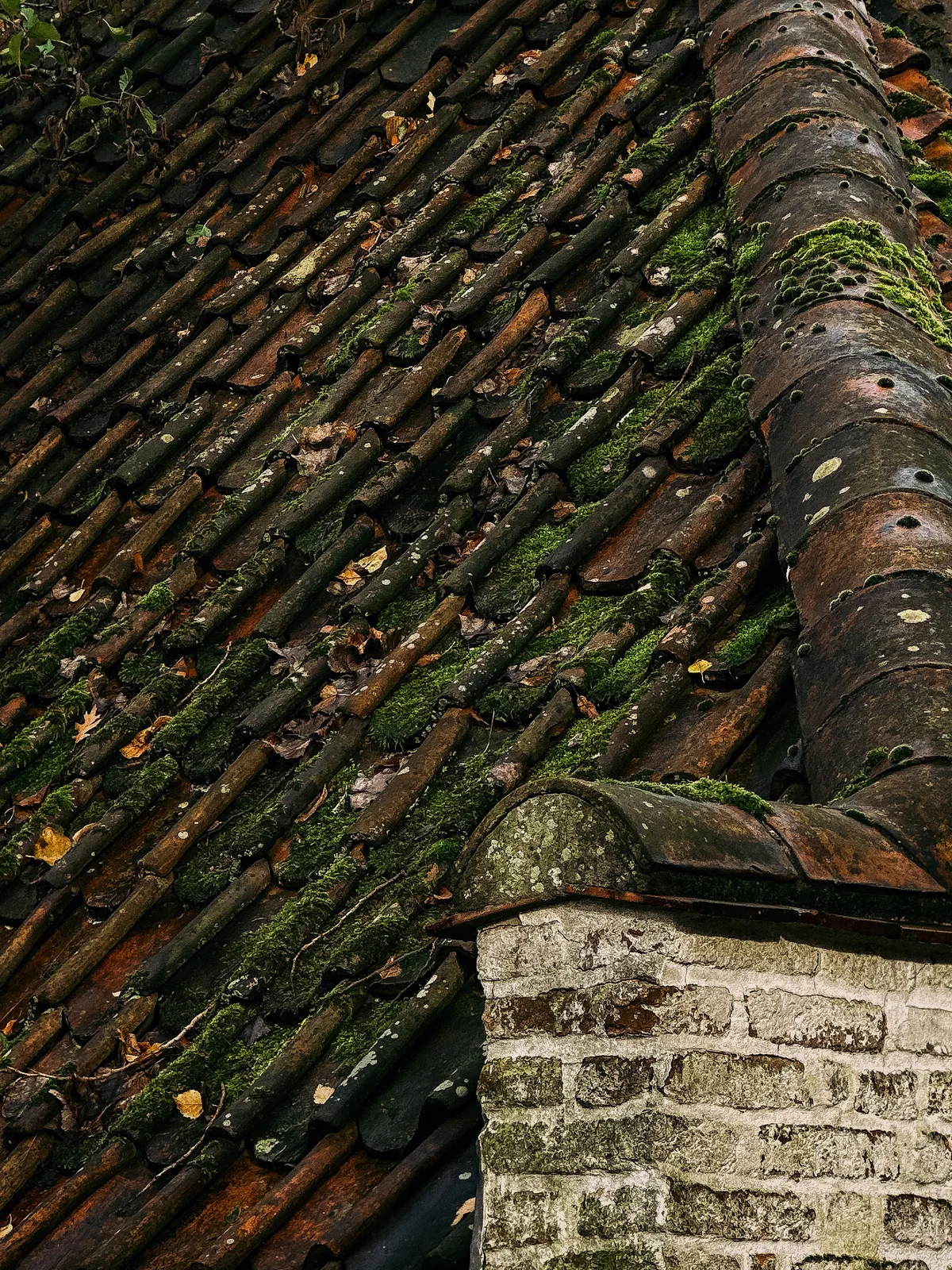
Short answer: moss and green algae on a low roof that you can safely reach from the ground or a sturdy ladder, such as a shed, carport or single-storey extension, can be tackled yourself with a soft brush, an algae cleaner and a pressure sprayer. Leave the main roof of your house to a roofer. A green roof is as slippery as ice and a fall from that height can be fatal. Never use a pressure washer on roof tiles.
👷 Calling in a professional is never unnecessary, and on a pitched roof at first-floor level or higher it is the only safe choice. A roofer works with fall protection, spots loose or cracked tiles straight away and replaces them before they start to leak.
Moss and algae love moisture and shade. On the north side of the roof, under overhanging trees and on porous, older tiles, water stays longer. Leaves and dirt in the gutter keep the lower rows wet, so that is where growth settles first. A little green is mainly a cosmetic issue. Thick layers of moss are a risk, though: they hold water, can damage the tiles when it freezes and wash into the gutter when it rains, blocking it. Read in our blog on cleaning gutters: DIY or professional how to get the gutter clear again.
Doing it yourself is sensible when all of these conditions are met:
If you have doubts about any of these points, choose the roofer.
⚠️ Roofs built before 1994 may have corrugated sheets or slates containing asbestos. If you are unsure about the roofing material, do not brush or scrape it, and have it tested by a certified company first.
💡 Protect plants, ponds and the water butt under the roof while spraying, and temporarily disconnect the downpipe if needed. Never work in wind, so the mist does not blow onto your skin or towards the neighbours.
A pressure washer removes moss quickly, but also the protective top layer of the roof tile. The tile becomes rougher and absorbs more water, so the green actually returns faster. In addition, the hard jet can drive water under the tiles and blow tiles loose. Patio tiles are a different story; read our blog on cleaning patio tiles for that.
A roofer often combines cleaning with a check of ridge tiles, lead flashing and gutters. That is a good moment to get your house ready for winter as well; read our blog on getting your home ready for winter.
For a DIY job, do not stand on the roof. Work from the ground or place a three-section ladder with 3 x 9 rungs on a level, firm surface, let it extend at least one metre above the roof edge and have someone hold the ladder. Anyone working at height with a safety harness must know how and where to anchor it safely: that is a professional's job. Wear safety goggles against splashes of cleaner, work gloves with nitrile coating against the product and dirty water, and safety footwear with a good tread, such as a low S3S safety shoe. A safety helmet protects you if a tile or branch comes down.
That depends on its position. A roof in the shade under trees needs attention sooner than a roof in full sun. A few tufts of green are no reason to act; thick moss and blocked gutters are.
No. Aggressive products attack tiles, zinc work and plants. Use a product intended for roof tiles and follow the instructions.
Eventually, yes, especially on the shady side. Prune overhanging branches, keep the gutter clean and check the roof from the ground every autumn.
With a soft brush, a good cleaner and patience you can keep a low roof clean yourself. If you have to go onto the roof, the roofer is the safe choice.
At Saniso, the online store for DIYers and professionals, you will find tools, materials and personal protective equipment for your job.
In doubt about the approach? Feel free to call in a professional.
Saniso – Build your home with Saniso.
Share:
Which hole saw do you choose for wood, metal, plastic or tile? Learn the difference between bi-metal, carbide and diamon...
Want to lay a vinyl floor yourself? This guide explains the difference between click and glue-down vinyl and shows you h...
Does the first varnish coat feel rough or does the second grip badly? Read when to sand between coats, which grit fits a...
Does your shower sputter or spray sideways? Read how to descale a shower head, clean the jets and check whether limescal...