





Work gloves need to protect, but you also want to be able to pick up a small screw. In this blog we look more closely at...

Your online building supplies store for building and renovation
 English
✓
English
✓
 Nederlands
✓
Nederlands
✓
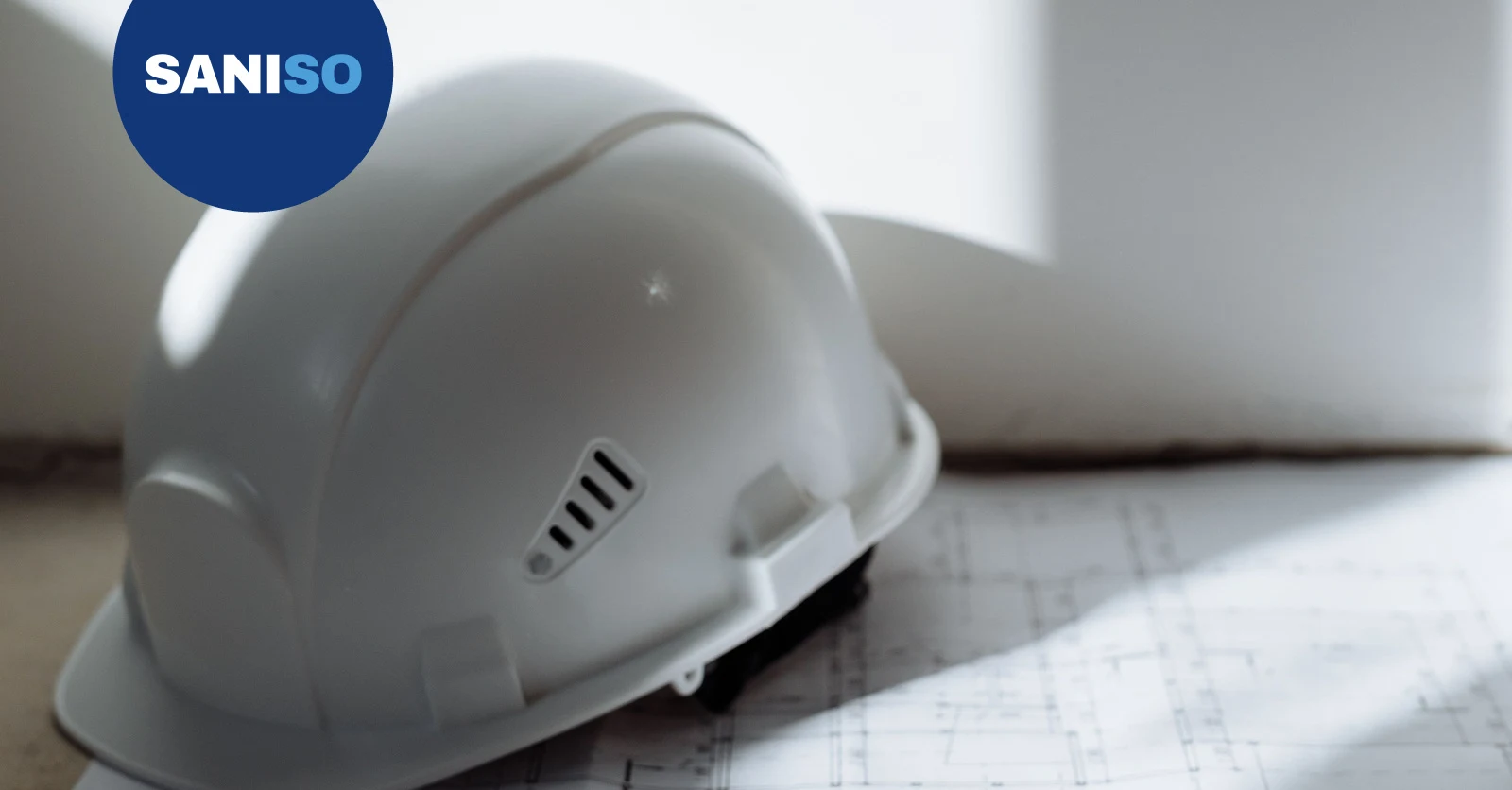
On the construction site the safety helmet is perhaps the best-known piece of personal protection. Yet in practice you still often see helmets that sit too loosely, are worn back to front or have been lying in the sun on the dashboard for years. A helmet only protects you properly if it suits the work, fits well and is in good condition. That is exactly where craftsmanship makes the difference: those who know and maintain their equipment work more safely and set a good example for colleagues and apprentices.
👷 An experienced professional recognises risks that someone else overlooks. If you are unsure whether a helmet is sufficient for a particular task, consult your supervisor or the safety adviser on the project. Good advice is never superfluous.
An industrial safety helmet is first and foremost made to protect your head against falling objects, such as a tool, a bolt or debris from a scaffold. It also protects against bumps against beams, pipes or protruding parts. The shell spreads the impact and the harness (the headband and strap system) keeps a gap between the shell and your skull, so the energy does not go straight into your head.
⚠️ A helmet is no substitute for other measures. Barriers, toe boards, nets and a tidy workplace remain necessary. The helmet is the last line of defence.
Always check the label inside the helmet and the product page to see which standards and applications apply. Choose a helmet that suits the risks of your work, not just your preference.
At Saniso you will find several versions, for example the white EVO3 safety helmet, the yellow Helius safety helmet, the yellow Evolution 2 safety helmet and the orange safety helmet. When choosing, pay attention to:
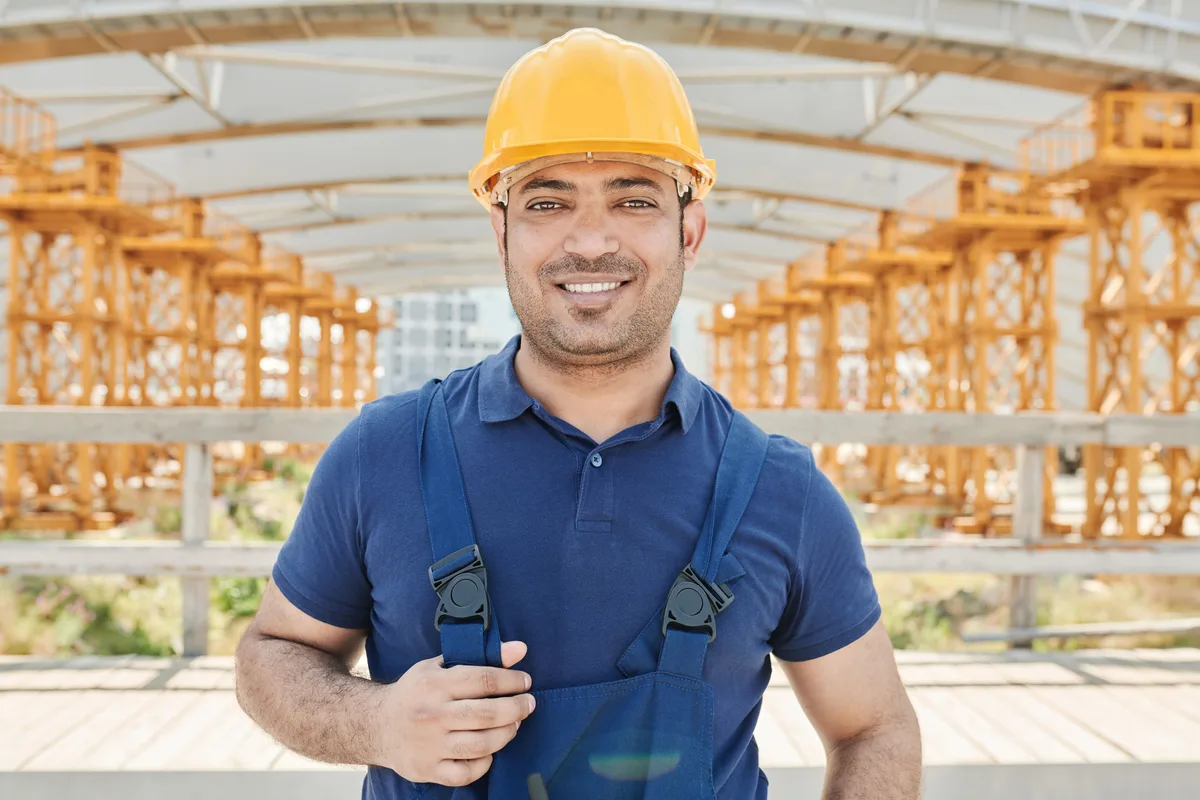
When bending down, looking up or working on a scaffold, a helmet without a chin strap can easily fall off, exactly when you need it. A chin strap keeps the helmet in place:
If you work at height, combine the helmet with the right fall protection, such as a safety harness, and get instruction on how to use it.
⚠️ Do not apply stickers with solvent-based adhesive to the shell, do not drill holes and do not paint the helmet. This can weaken the material. Only use accessories intended for your helmet.
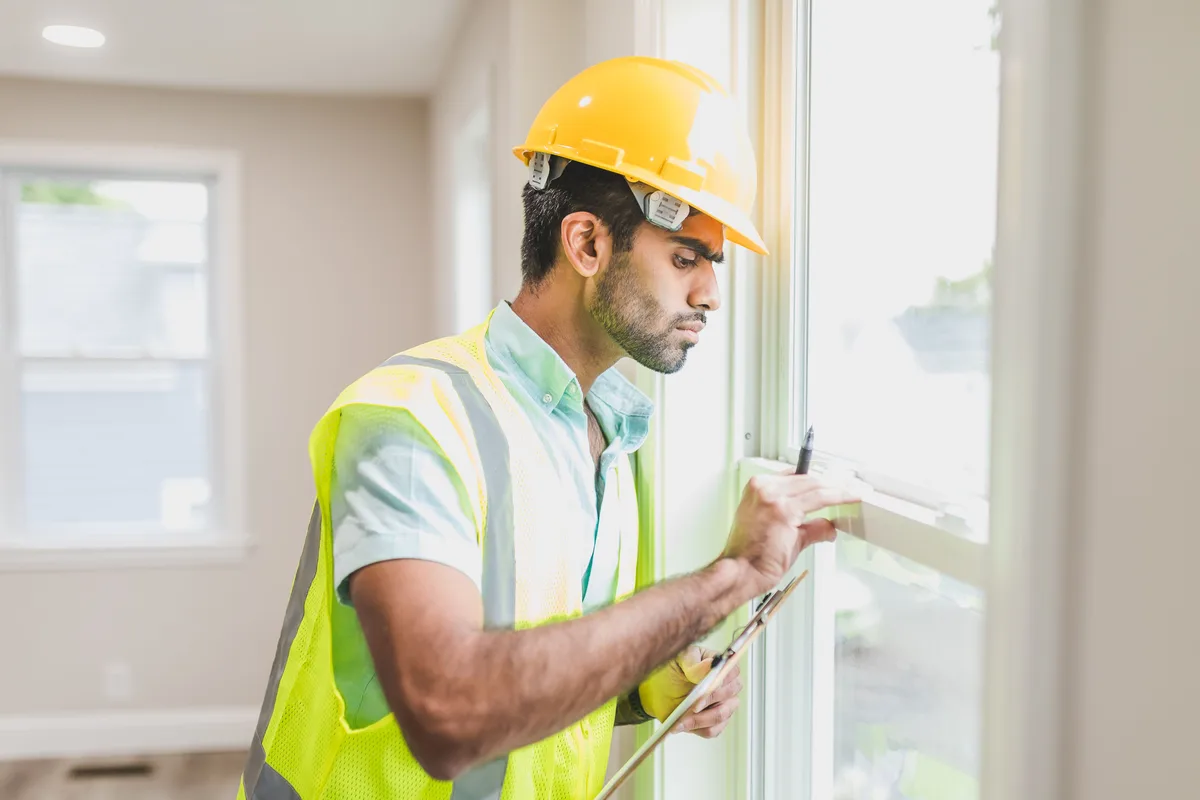
Check your helmet before use for cracks, dents, discolouration and brittle spots. Also look at the harness: are the straps still intact and do the fastenings click firmly into place?
A helmet works best as part of a complete set. Think of a safety shoe, gloves, glasses and, where necessary, hearing protection and high-visibility clothing. Which safety class of footwear you need is explained in our blog on the safety classes S1, S1P, S2 and S3. You can find more about working safely on the construction site in our blog on safe working on the construction site.
Preferably not. A helmet must be adjusted to your head and you do not know whether it has taken an impact before. Visitor helmets are available on many projects.
A drop from a small height onto a soft surface is usually not a problem, but check the helmet carefully. If it fell hard or absorbed an impact, replace it.
A chin strap keeps the helmet in place. When working at height, in wind and if you bend down a lot, that is a big advantage. Always follow the project rules and the manufacturer's instructions.
That is decided by the project or your employer. Ask at the start of the work.
Read also: Grip and feel: nitrile-coated work gloves with grip dots
At Saniso, the online store for DIYers and professionals, you will find tools, materials and personal protective equipment for your job.
In doubt about the approach? Feel free to call in a professional.
Saniso – Build your home with Saniso.
Share:
Work gloves need to protect, but you also want to be able to pick up a small screw. In this blog we look more closely at...
Which safety glasses suit your work? Read what to look for in impact resistance, sealing and comfort, when to combine gl...

Sawing, grinding, drilling and chasing in concrete, masonry, tiles and natural stone releases fine quartz dust. After ye...
What do S1, S1P, S2, S3 and S5 mean on safety footwear? Explained in outline: toe protection, slip resistance, penetrati...