


.webp)

Want to hang heavy items on the wall? Learn how to recognise the wall type, choose the right plug, drill safely and hang...

Your online building supplies store for building and renovation
 English
✓
 Nederlands
✓
 Bathroom furniture sets
 Pillars and semi-pillars
 Consoles
 Washbasin cabinets
 Mirrors
 Cabinet for wc frame
 Shelves
 Accessories - bathroom furniture
 Panels for consoles
 Cabinets with laundry basket
 Top for wc frame
 Wall hung cabinets
 Cabinets for washing machine
 Mirror cabinets
 Case for wc frame
 Countertops
 Under countertop cabinets
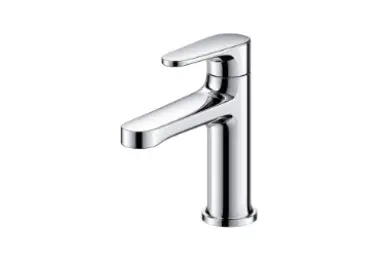 Washbasin faucets
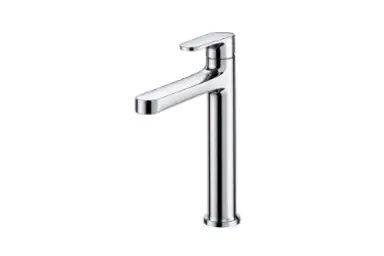 Washbasin faucets deck-mount high
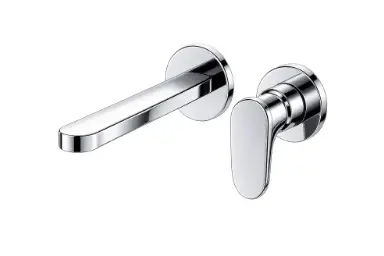 Washbasin faucets concealed
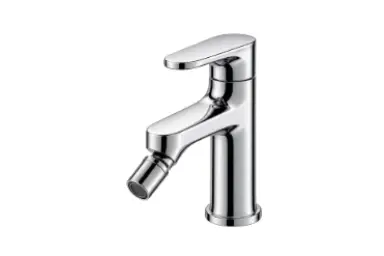 Bidet faucets
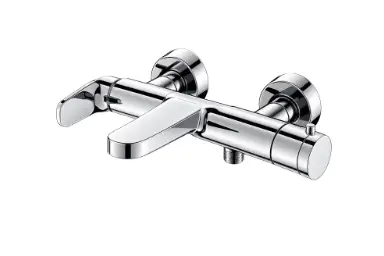 Bathshower faucets
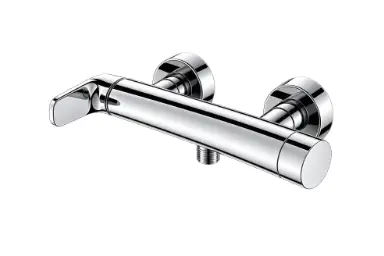 Shower faucets
 Bathshower sets concealed
 Shower column
 Freestanding bathshower faucets
 Shower sets
 Bathroom fitting sets
 Click-clack plugs
 Spare parts - bathroom fittings
 Bathshower faucets concealed
 Bath spout
 Multi-hole bathtub faucet
 Washbasin siphons
 Consealed bidet system
 Clothes
 Shorts
 Dungarees
 Work dungarees
 Reflective work dungarees
 Sweatshirts
 Hoodies
 Fleeces
 ShirtsFlannel work shirts
 T-shirts
 Polo
 Jackets
 Vests
 Jumpsuits and SetsDisposable suits
 Underwear and socks
 Hats and scarves
 Hats
 Baseball caps
 Hats with a lamp
 Chimneys
 Reflective hats
 Clothing accessories
 Stripes
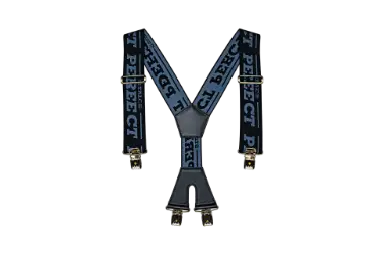 Suspenders
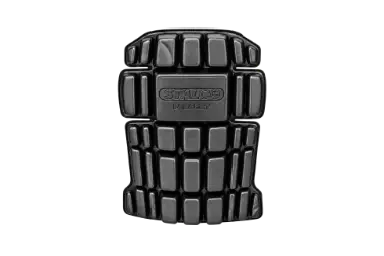 Foam inserts
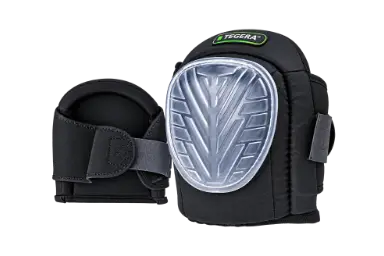 Protective knee pads
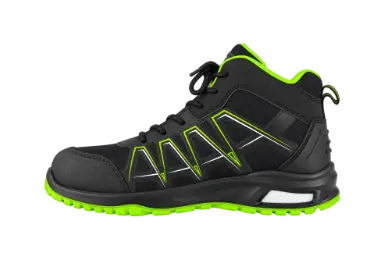 Footwear
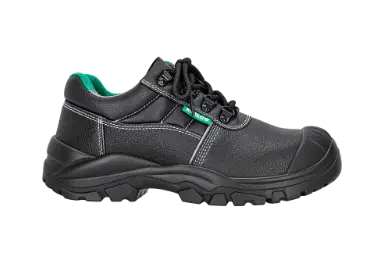 Low shoes
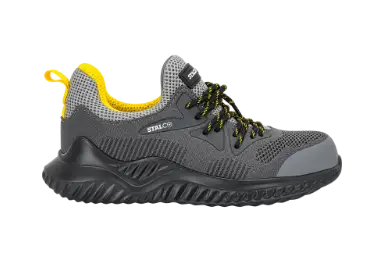 Work shoes
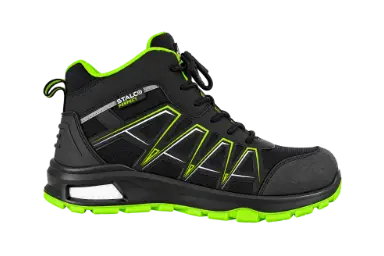 Boots
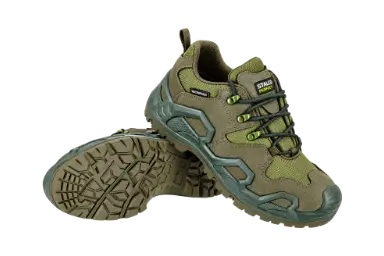 Work boots
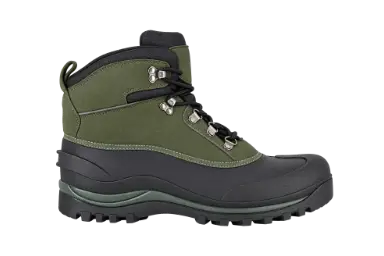 Winter boots
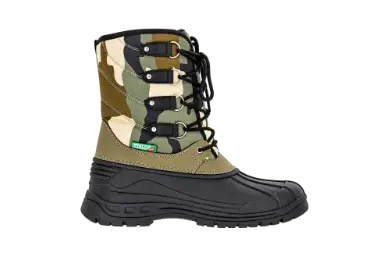 High-top winter boots
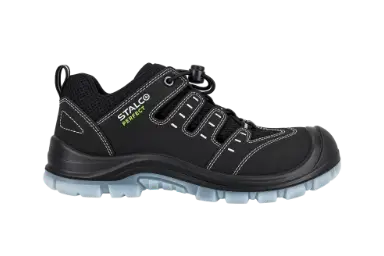 Sandals
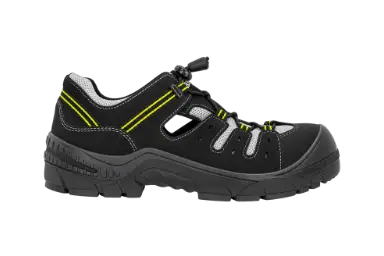 Work sandals
 Flip-flops and clogs
 Rain boots
 Work boot
 Low wellies
 High-top galoshes
 Shoe accessories
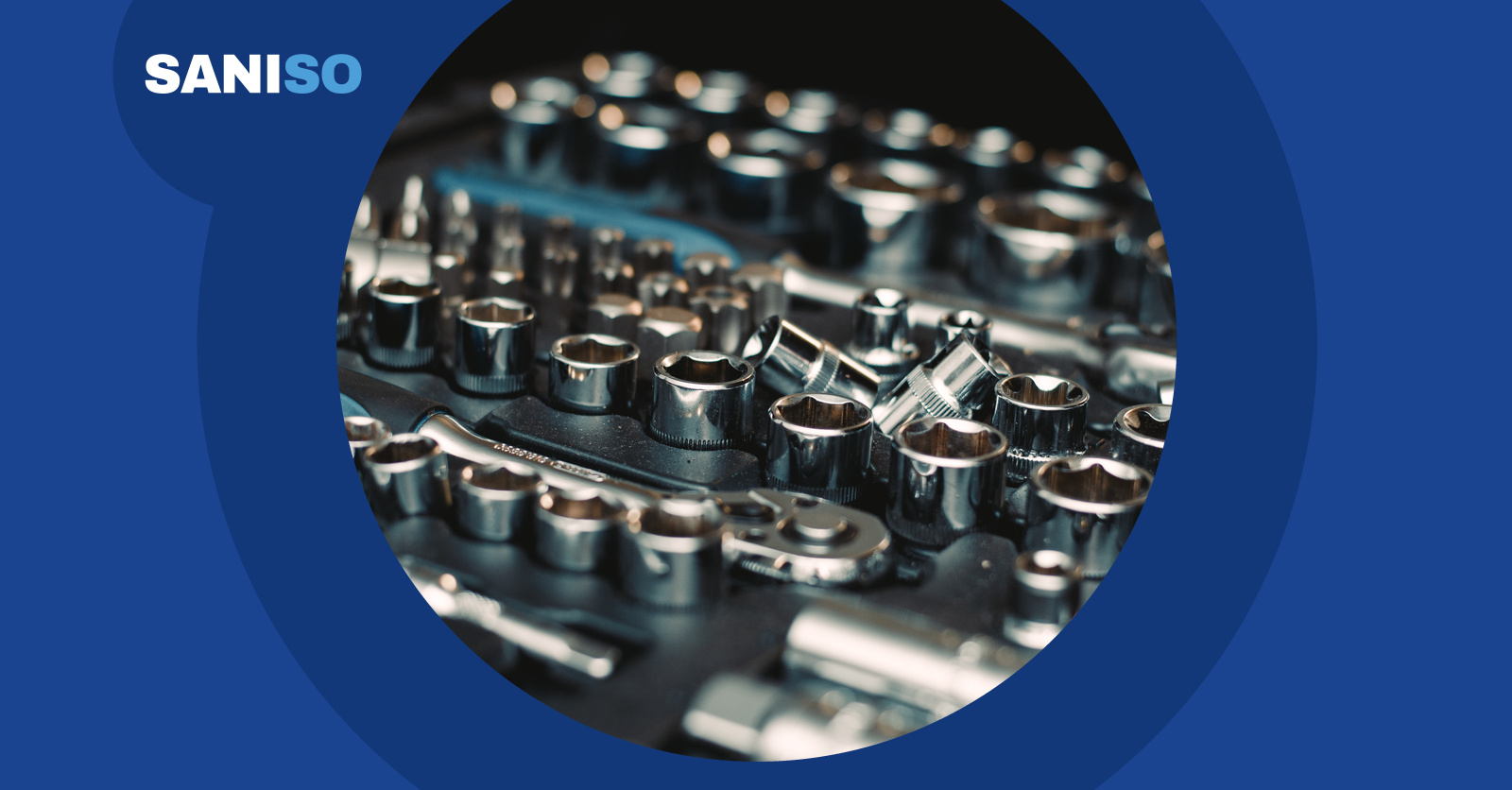
Short answer: choose 3/8 inch if you want one all-round set for maintenance at home, on a bike, trailer or garden machine. Take 1/4 inch for small bolts in tight spaces and 1/2 inch for large bolts that need real force, such as wheel nuts or sturdy structures. The size is the square drive between ratchet and socket, not the size of the bolt itself.
👷 Calling in a professional is never unnecessary. If the job involves safety parts such as brakes, suspension, load-bearing structures or lifting gear, have the work checked or carried out by a professional. A wrongly tightened bolt is not always visible, but you will notice it.
The drive size is the small square on the ratchet that the socket clicks onto. The larger that connection, the more force you can transfer safely, but the bigger and heavier the tool becomes.
💡 If you often work on very different things, a tool set with 1/4, 3/8 and 1/2 inch sockets (237 pcs) with all three sizes is practical. You then always pick the smallest size that can handle the force, so you can feel better what you are doing.
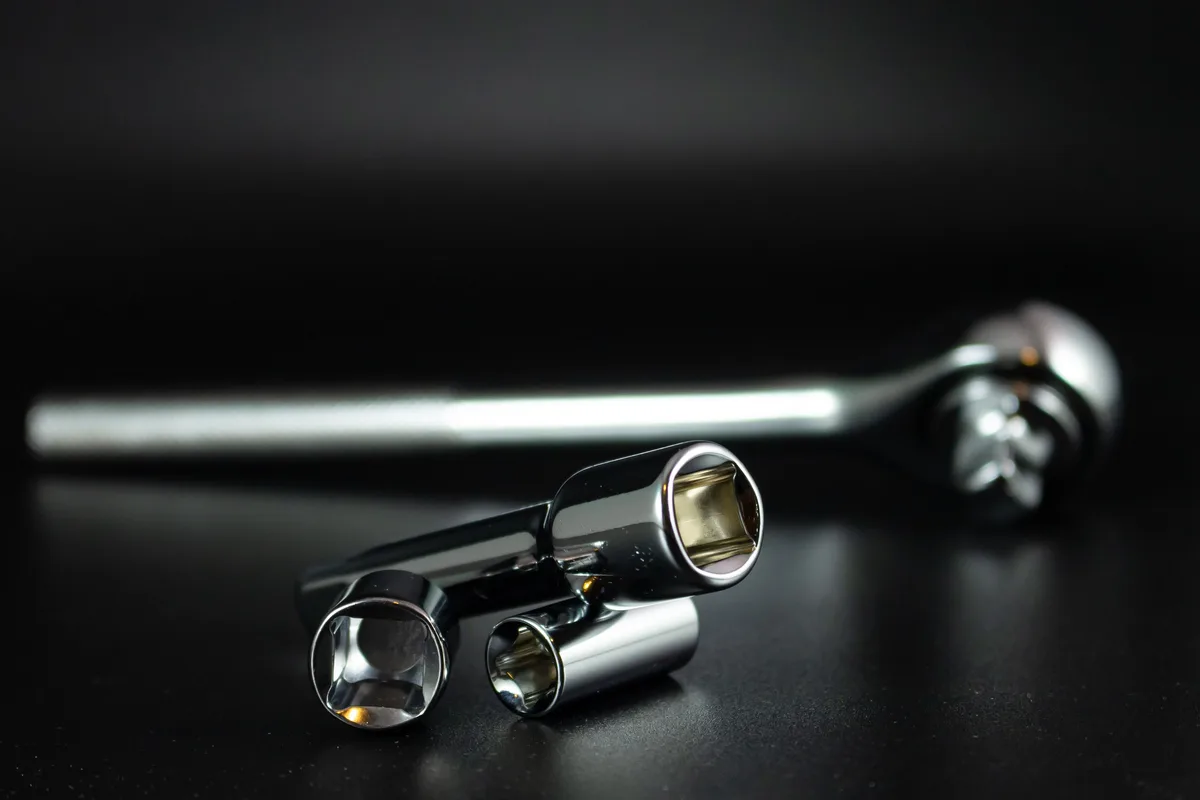
A ratchet turns the bolt in small steps. The more teeth in the mechanism, the smaller the movement your hand has to make. A 72-tooth ratchet needs about 5 degrees per step; with fewer teeth you have to swing further back and forth. On an open workbench you hardly notice, but under a sink, behind a radiator bracket or in an engine bay it makes a big difference. Also look for a reversing lever you can operate with one hand and a lock that holds the socket firmly. A 3/8 inch ratchet 200 mm is a pleasant middle ground between reach and force.
The number of pieces in a case says little. Check instead whether the sizes you often meet are included and whether these accessories are there:
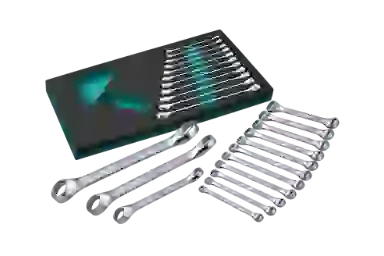
For bolts you can only reach from the side, a combination wrench set stays handy. Read more about the difference between wrench types in our combination wrench guide, and for pipework and traps our buyer's guide to water pump pliers and pipe wrenches is a good addition.
Wear work gloves with nitrile coating for grip and against grazes on sharp edges, and safety goggles when working under something where dirt, rust or fluid can fall. Make sure you have good light with a rechargeable LED work lamp, so you can see whether the socket really sits on the head properly. Always place a vehicle, trailer or machine stable and secured before you work underneath it.
Sometimes, but wheel nuts are often so tight that a 1/2 inch ratchet or breaker bar is safer. Then tighten them to the specified torque with a torque wrench, and have it checked by a professional if in doubt.
Six-point sockets grip the flat sides of the bolt and round it off less quickly. Twelve-point sockets fit faster in tight spaces. For stuck bolts, six-point is preferred.
An adapter lets you use a socket on a different drive size. That is handy, but never put large force through a small connection.
Choose the drive size for the work you do most often, look for a fine ratchet mechanism and the accessories you really use. Then you have a set that will serve you for years.
At Saniso, the online store for DIYers and professionals, you will find tools, materials and personal protective equipment for your job.
In doubt about the approach? Feel free to call in a professional.
Saniso – Build your home with Saniso.
Share:
Want to hang heavy items on the wall? Learn how to recognise the wall type, choose the right plug, drill safely and hang...

Natural stone and porous tiles absorb moisture, grease and dirt. With a Fila impregnator you give them invisible protect...

Sealing gaps and joints with sealant: find out which sealant goes where, acrylic or silicone, when to use foam first and...
Caring for work shoes: how to clean safety shoes and boots, dry them properly, prevent odour and know when they need rep...