
.webp)

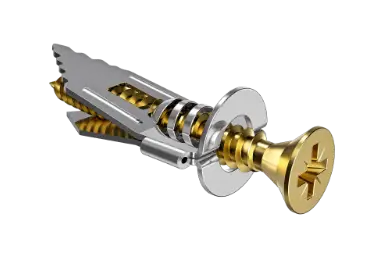
Want to hang heavy items on the wall? Learn how to recognise the wall type, choose the right plug, drill safely and hang...

Your online building supplies store for building and renovation
 English
✓
 Nederlands
✓
 Bathroom furniture sets
 Pillars and semi-pillars
 Consoles
 Washbasin cabinets
 Mirrors
 Cabinet for wc frame
 Shelves
 Accessories - bathroom furniture
 Panels for consoles
 Cabinets with laundry basket
 Top for wc frame
 Wall hung cabinets
 Cabinets for washing machine
 Mirror cabinets
 Case for wc frame
 Countertops
 Under countertop cabinets
 Washbasin faucets
 Washbasin faucets deck-mount high
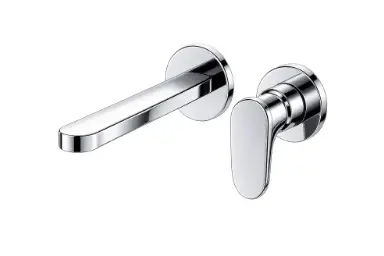 Washbasin faucets concealed
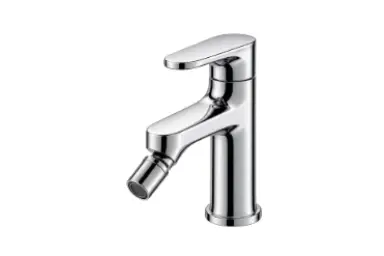 Bidet faucets
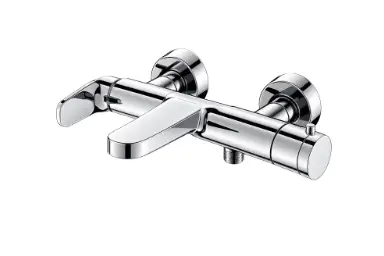 Bathshower faucets
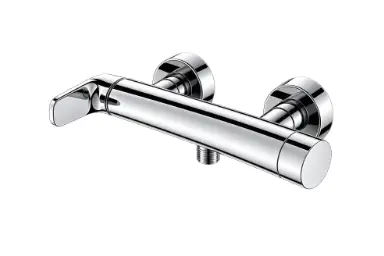 Shower faucets
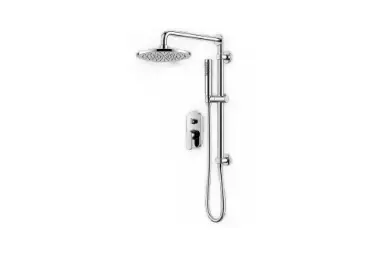 Bathshower sets concealed
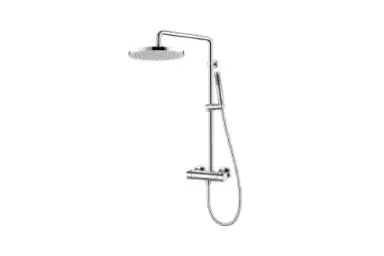 Shower column
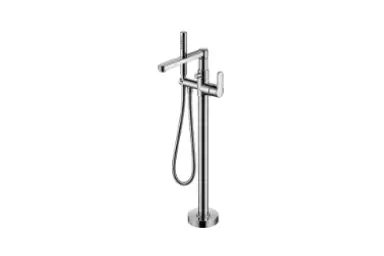 Freestanding bathshower faucets
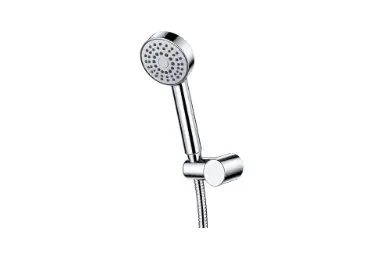 Shower sets
 Bathroom fitting sets
 Click-clack plugs
 Spare parts - bathroom fittings
 Bathshower faucets concealed
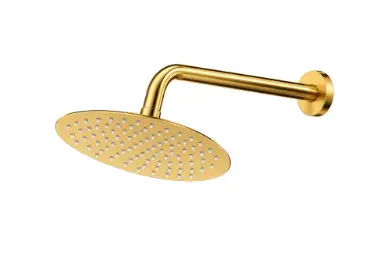
 Bath spout
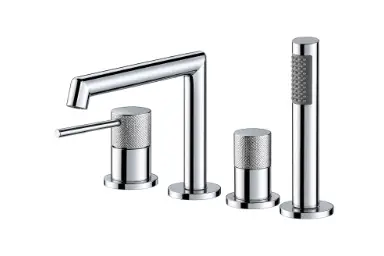
 Multi-hole bathtub faucet
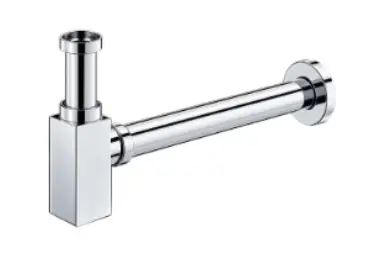 Washbasin siphons
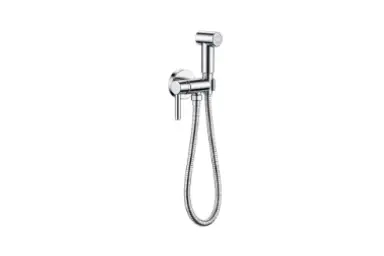
 Consealed bidet system
 Clothes
 Shorts
 Dungarees
 Work dungarees
 Reflective work dungarees
 Sweatshirts
 Hoodies
 Fleeces
 ShirtsFlannel work shirts
 T-shirts
 Polo
 Jackets
 Vests
 Jumpsuits and SetsDisposable suits
 Underwear and socks
 Hats and scarves
 Hats
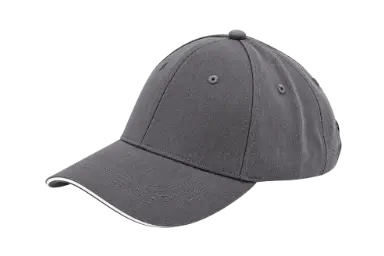 Baseball caps
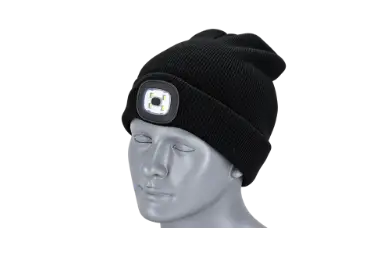 Hats with a lamp
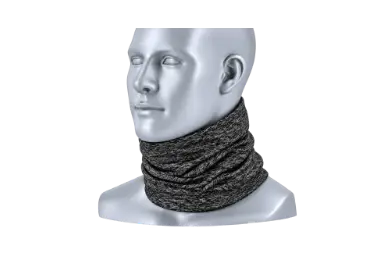 Chimneys
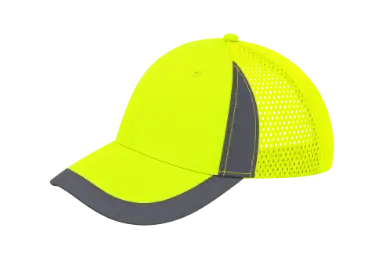 Reflective hats
 Clothing accessories
 Stripes
 Suspenders
 Foam inserts
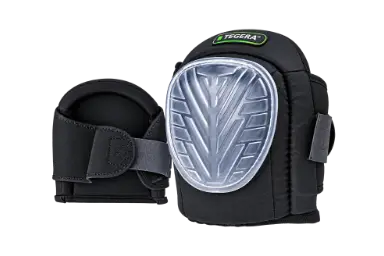 Protective knee pads
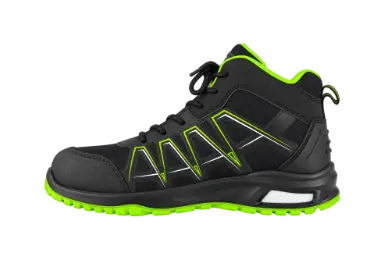 Footwear
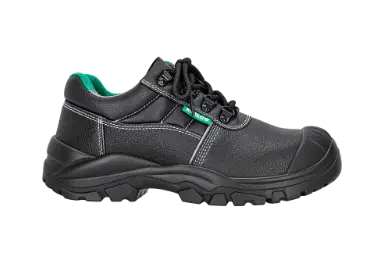 Low shoes
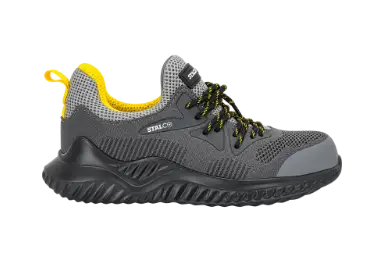 Work shoes
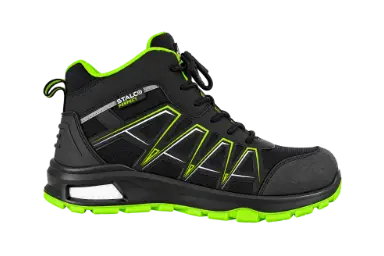 Boots
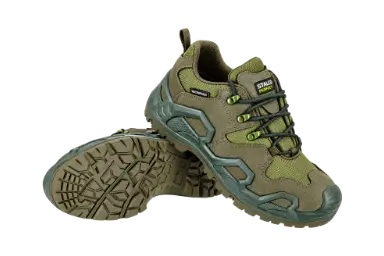 Work boots
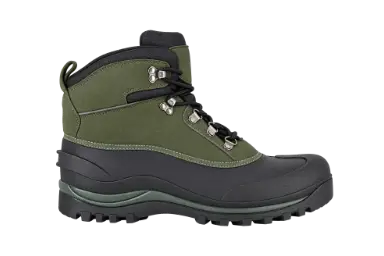 Winter boots
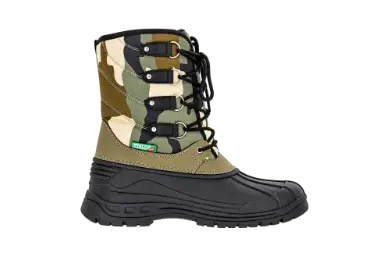 High-top winter boots
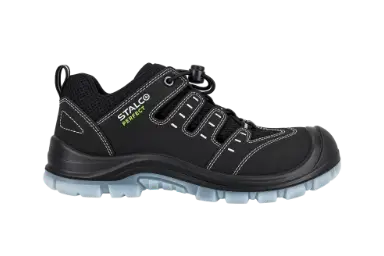 Sandals
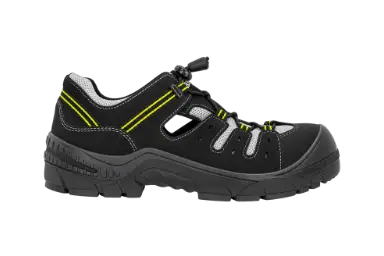 Work sandals
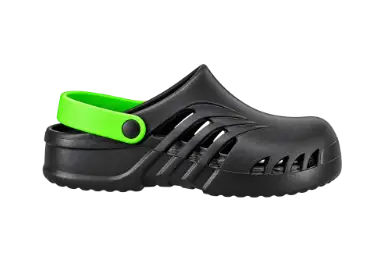 Flip-flops and clogs
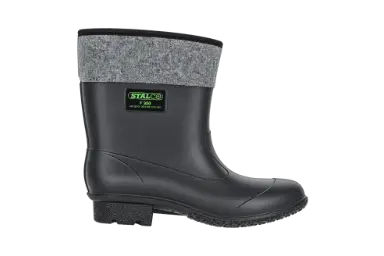 Rain boots
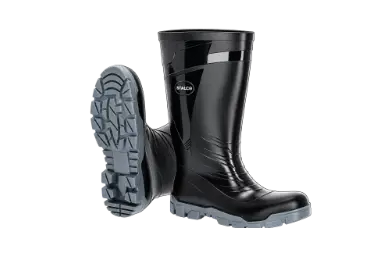 Work boot
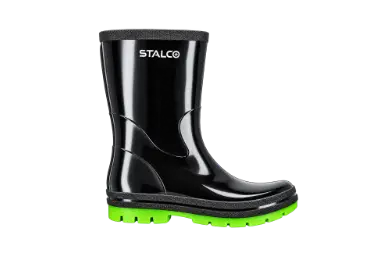 Low wellies
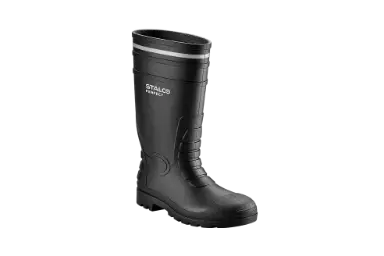 High-top galoshes
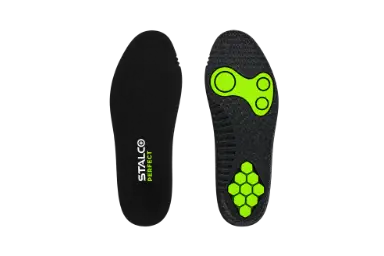 Shoe accessories
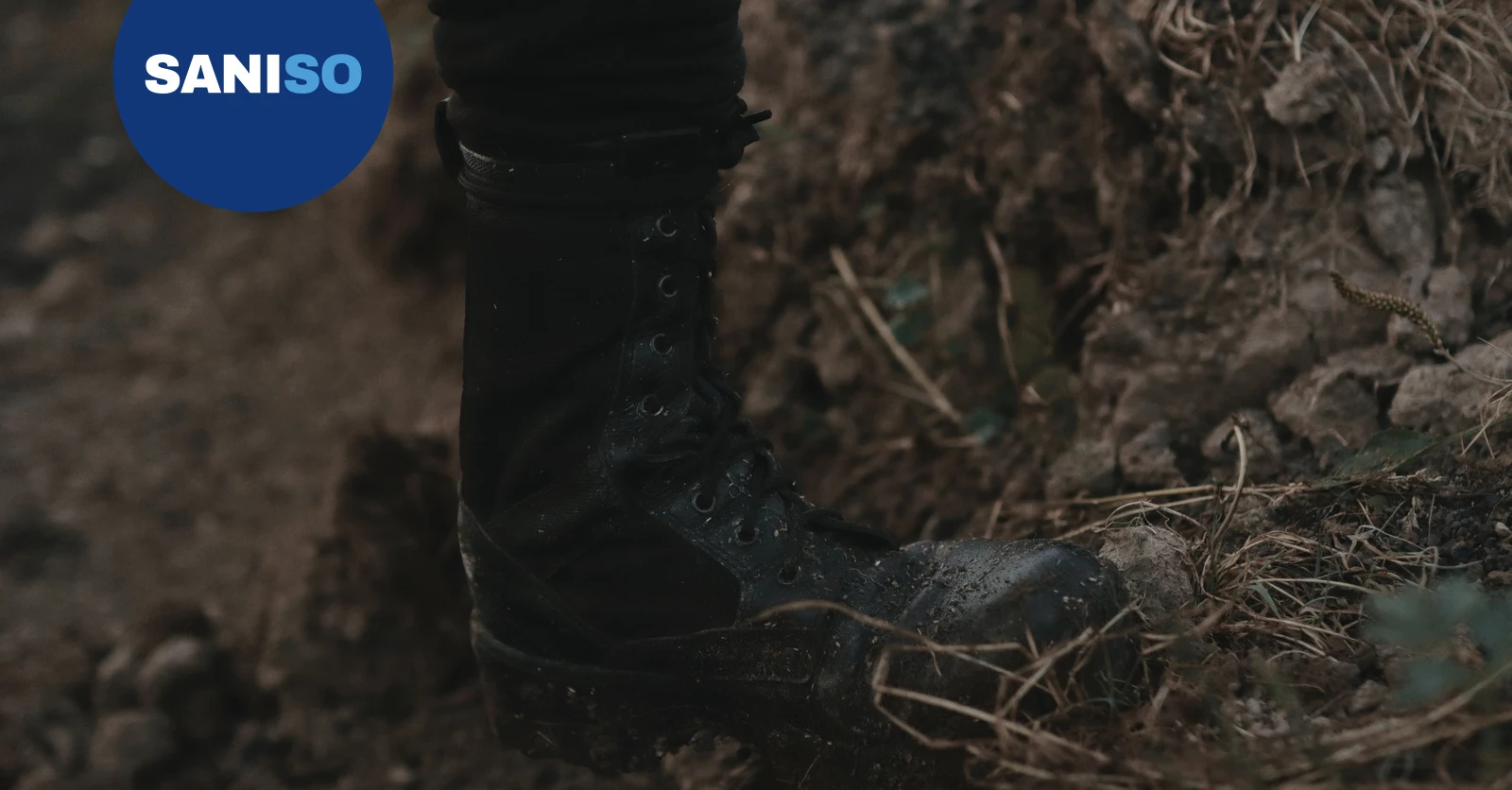
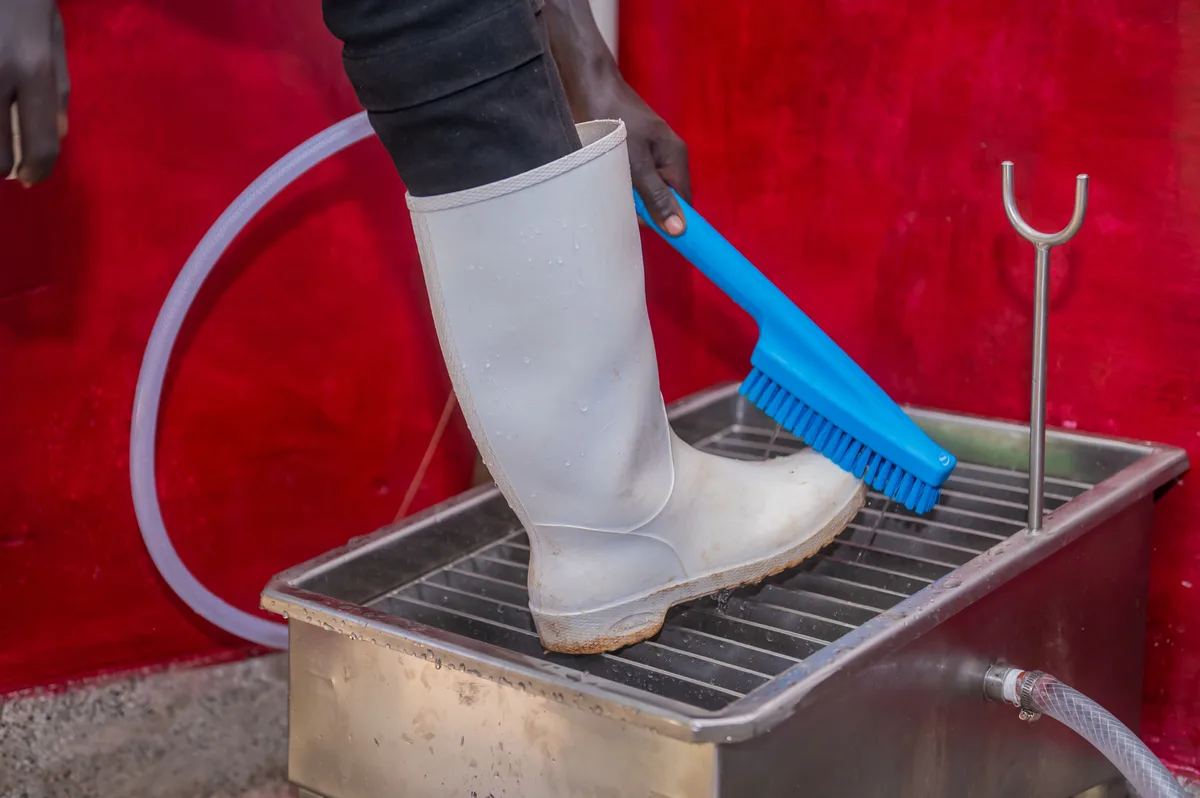
Short answer: brush your work shoes clean after every working day, rinse mud off boots, let them dry slowly at room temperature (never on the radiator or by the stove), take out the insoles and, if you can, alternate between two pairs. Keep leather supple with a suitable care product. Check the sole, toe cap and seams regularly: a damaged safety shoe no longer protects as it should and must be replaced.
Read this article in Dutch as well: Hoe onderhoud je werkschoenen?.
A safety shoe is personal protective equipment. The steel or composite toe cap, the anti-perforation midsole and the anti-slip sole only do their job if the shoe is intact. Mud, cement and moisture attack leather and seams, and wet shoes cause cold feet, blisters and odour. Especially in autumn, with rain, mud and the first frost, shoes wear fastest. How to choose the right shoe is explained in our blog on choosing safety shoes, and what classes S1 to S3 mean in our blog on the safety classes S1, S1P, S2 and S3.
| Type | Daily | Weekly |
|---|---|---|
| Leather safety shoe | brush off dry dirt | condition or treat the leather |
| Insulated work boot | brush off mud, leave open to dry | check lining and sole |
| Rubber or PU wellington | rinse with water | check tread and seams |
| Insoles | take out of the shoe to dry | wash according to the label |
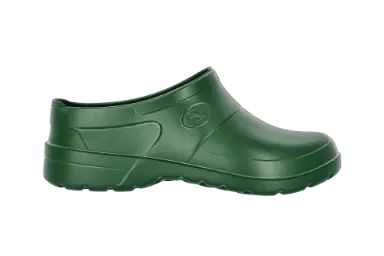
A sturdy leather shoe such as the Helios high S3 leather boot or the Diablo SB safety shoe needs brushing and conditioning. A Comander insulated boot keeps your feet warm when working outside. For wet and muddy work choose a Kuller S5 safety wellington or a Nixon wellington boot. A light safety shoe also lasts longer if you look after it well.
⚠️ Never dry work shoes on the radiator, by the stove or with a hair dryer. Leather shrinks and cracks, glued seams come loose and the shoe protects less.
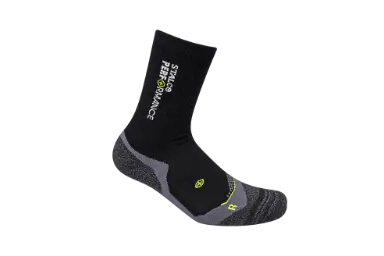
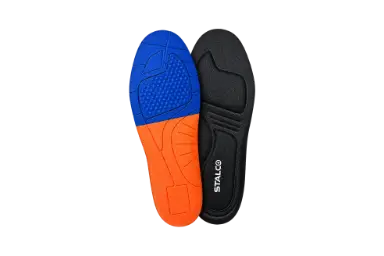
Feet sweat in a closed safety shoe. If you can, alternate pairs every other day so each shoe gets a day to dry. Wear breathable work socks such as Django work socks or Fresh socks (3 pairs), and change them daily. Separate insoles such as Flexgel insoles add cushioning and are easy to dry and replace.
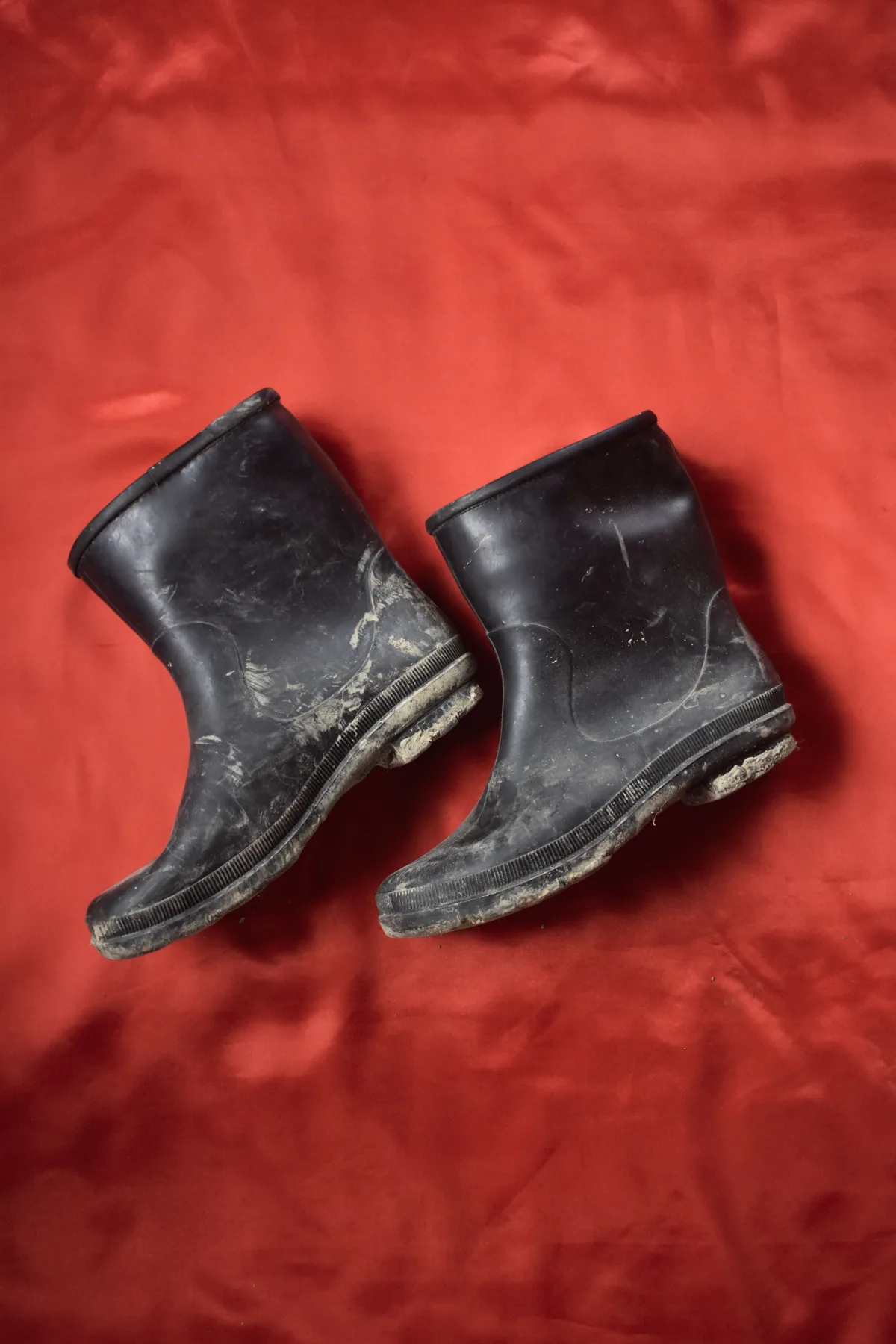
A shoe with a damaged toe cap or sole cannot be repaired into a safe shoe. Replace it.
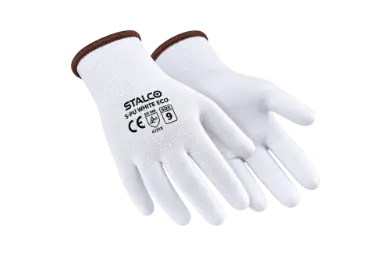
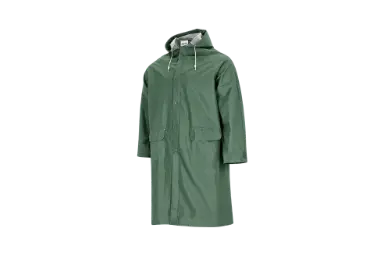
Wear work gloves with nitrile coating when cleaning with water and a brush, especially if there are cement or lime residues on the shoes; they irritate the skin. If you work outside in the cold, warm layers and good shoes go together. Read more in our blog on working outside in winter and our safety tip on working safely in the cold. More about rainwear and warm workwear can be found in our blog on rainwear, warm workwear and work gloves.
💡 If you have two pairs of work shoes, mark them with a dot inside the tongue. That way you know which pair was worn yesterday and can dry today.
👷 A professional stands on their feet all day. They know that good, well-kept shoes spare their feet, knees and back. If you doubt whether your shoe is still safe, ask your supervisor or prevention officer. With painful feet, it is wise to get advice from a podiatrist.
No, most safety shoes cannot handle it. Glue, toe cap and leather get damaged. Clean them by hand and only wash the insoles if the label allows it.
That depends on use. With heavy daily work often about a year, with light work longer. Mainly look at the condition of the sole, toe cap and seams.
Take out the insoles, stuff them with dry newspaper and replace it regularly. Put them in a dry place at room temperature, not on the radiator.
At Saniso, the online store for DIYers and professionals, you will find tools, materials and personal protective equipment for your job.
In doubt about the approach? Feel free to call in a professional.
Saniso – Build your home with Saniso.
Share:
Want to hang heavy items on the wall? Learn how to recognise the wall type, choose the right plug, drill safely and hang...

Which socket set suits your work? Learn the difference between 1/4, 3/8 and 1/2 inch drive, why the number of ratchet te...

Natural stone and porous tiles absorb moisture, grease and dirt. With a Fila impregnator you give them invisible protect...

Sealing gaps and joints with sealant: find out which sealant goes where, acrylic or silicone, when to use foam first and...