






Grout in one even colour across the whole wall or floor: that is what you want. In this blog we explain how the hybrid R...

Your online building supplies store for building and renovation
 English
✓
English
✓
 Nederlands
✓
Nederlands
✓
A smooth, even wall is the foundation of a nicely finished interior. Plastering looks simple, but good plasterwork takes experience in mixing, applying and finishing the material. In this blog we help you choose: do it yourself or hire a plasterer? Both choices can be good, as long as you make them deliberately.
👷 A professional is never superfluous. A plasterer works faster, achieves an even result and knows how to deal with difficult substrates. Doing it yourself works fine on small, dry and sound walls, provided you take your time and have your tools and protection in order.
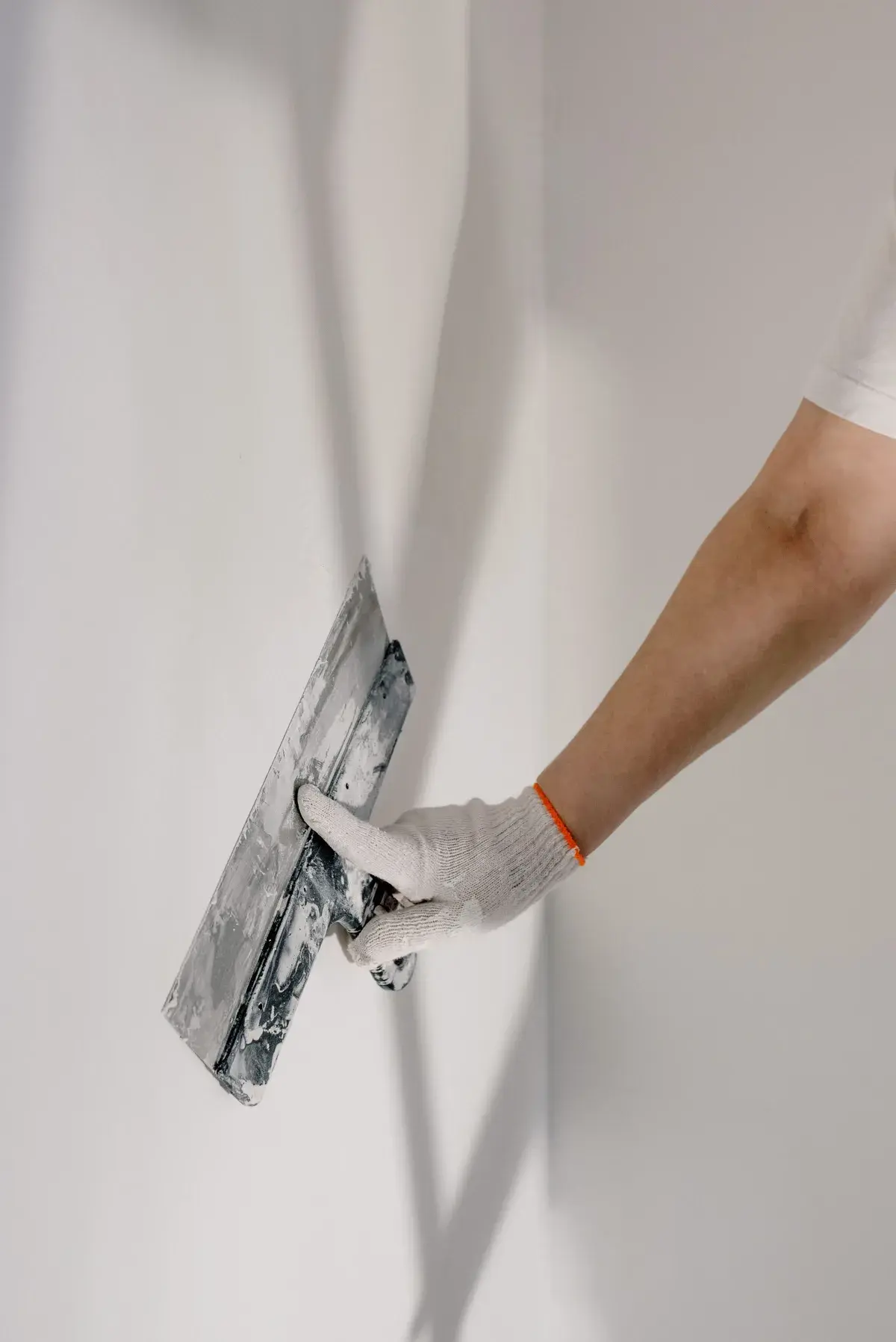
💡 Work with small amounts at a time, so the material does not set before you have finished.
Dust and splashes can irritate. Wear gloves, safety glasses and a dust mask. Use a sturdy ladder and ensure good ventilation. You can read more about safe working in our blog on safe working on the construction site. Also read our blog on plastering a wall for the method, our blog on putty knives, sanding tools and scrapers for preparation and our blog on masking tape and protective film for masking.
Read also: How to finish a plasterboard wall with joint tape and filler and How to paint a wall
Read also: How to repair plaster
You can, but it takes a lot of experience to get a smooth result. For a whole room a plasterer is often the best choice.
Have a professional assess it first. Plastering over a damp substrate does not solve the problem.
That depends on the substrate and the material. Follow the manufacturer's instructions.
At Saniso, the online store for DIYers and professionals, you will find tools, materials and personal protective equipment for your job.
In doubt about the approach? Feel free to call in a professional.
Saniso – Build your home with Saniso.
Share:
Grout in one even colour across the whole wall or floor: that is what you want. In this blog we explain how the hybrid R...

Learn how to level a floor yourself: prepare the subfloor, prime, mix and pour self-levelling compound. Step-by-step wit...

Installing a kitchen: do it yourself or hire a professional? Read what is involved, which parts you can do yourself and...

Cersanit Ares cement-look tiles for bathroom, kitchen and living room: 30×30 to 60×120, matt or satin, plus mosaic, skir...