Cart (0)
No products in the cart.

 English ✓
 Nederlands ✓
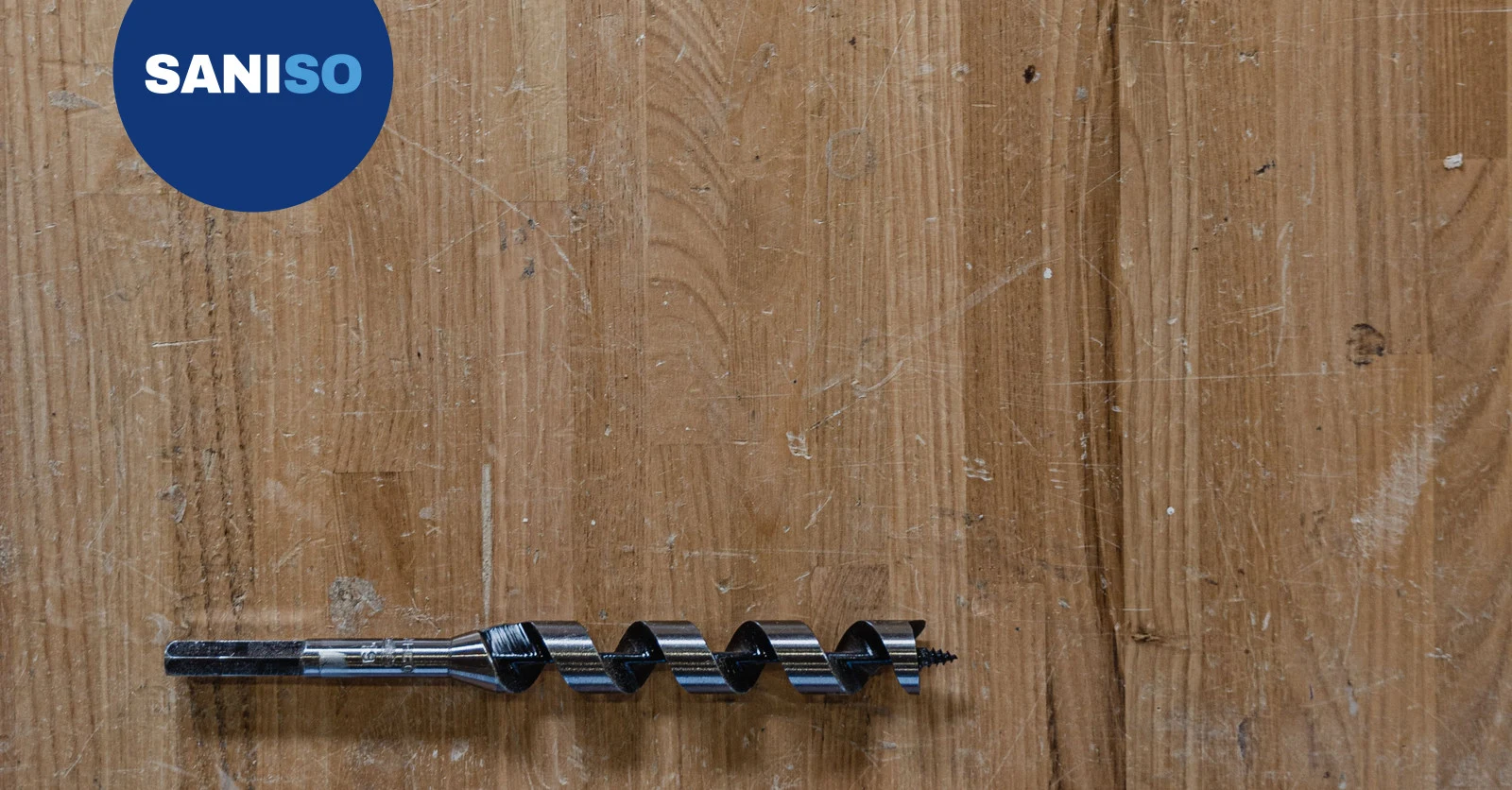
Short answer: choose the bit for the material, not only for the drill. Wood needs a wood or auger bit, metal an HSS or cobalt bit, masonry a carbide masonry bit, tiles and hard ceramics a diamond bit, and concrete preferably an SDS bit in a rotary hammer. The wrong bit means a burnt tip, cracks or endless spinning with no progress.
Also available in Dutch: Welke boorkronen en boren kies je? Keuzegids.
Which machine you need is covered in our blog on cordless drill, impact drill or rotary hammer: a cordless drill for wood and metal, an impact drill for light masonry, a rotary hammer (SDS) for concrete. Then pick a bit that matches both the material and the shank (cylindrical, hex or SDS-plus).
💡 Do not buy one "universal" bit for everything. One good set per material cuts faster and lasts longer.
For timber, chipboard and battens:
Drill at low to medium speed and withdraw occasionally to clear chips. For wall plugs, drill a little deeper than the plug.
For steel, stainless and non-ferrous metals:
Use low speeds on large diameters, cool with cutting oil or water, and centre-punch before drilling. If the bit turns blue, the hardness is gone.
For brick, calcium silicate and light concrete with hammer action:
Use hammer mode only when the material allows it. In hollow blocks and tiles, prefer no hammer or a diamond bit (below).
Hard tiles need diamond, for example diamond drill bit Ø6 mm, diamond drill bit Ø8 mm, diamond drill bit Ø10 mm or diamond drill bit Ø12 mm. Work wet or with very light pressure; too much pressure makes the bit skate and the tile crack. More detail: our blog on diamond drilling in tile and concrete.
Core bits and hole saws make larger round openings: back boxes, pipe penetrations, cut-outs. Match diameter, length and shank to your machine. On concrete and reinforced work, a rotary hammer with the right crown is safer than forcing a small masonry bit.
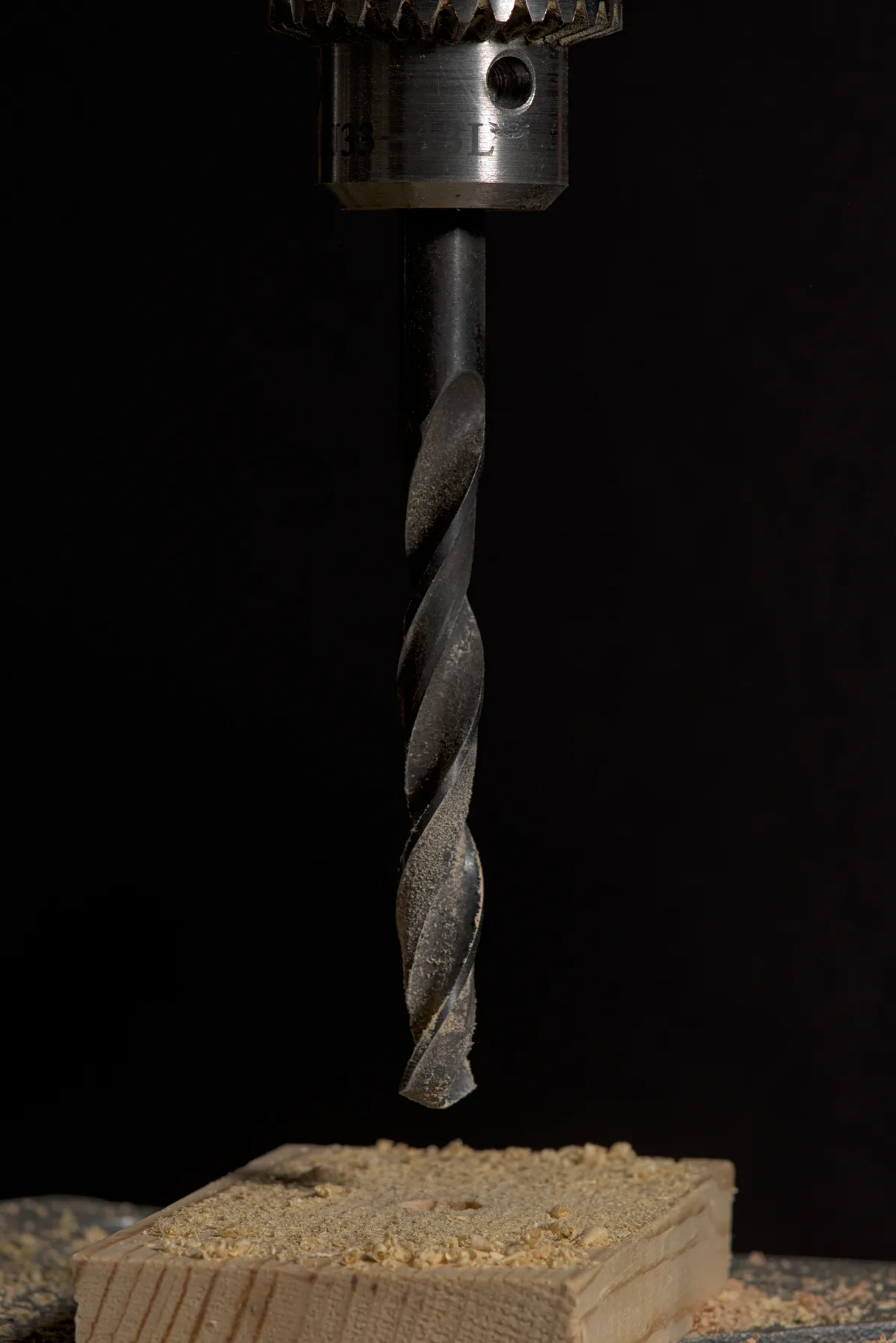
⚠️ In zones with services or unknown walls, locate first. If you doubt electrical or gas work: use a qualified installer.
👷 For core drilling, reinforced concrete or production runs, a professional with the right rig and cooling is never unnecessary.
Light concrete sometimes with an impact drill; solid or reinforced concrete needs SDS and a rotary hammer. See our blog on cordless drill, impact drill or rotary hammer.
Speed too high, no cooling or a blunt bit. Slow down, cool, and sharpen or replace.
Follow the plug packaging. Drill to that size and sufficient depth; blowing or vacuuming dust out of the hole improves hold.
At Saniso, the online store for DIYers and professionals, you will find tools, materials and personal protective equipment for your job.
In doubt about the approach? Feel free to call in a professional.
Saniso – Build your home with Saniso.
Share:
Install multilayer pipe and press fittings yourself or call in an installer? What you can do yourself, how pressing work...
Cement, hybrid or epoxy grout? CG1, CG2, W, A and RG explained according to EN 13888, and which grout to choose for wall...
From bath to shower: how to go about it. Shower tray or walk-in shower, drainage, waterproofing, a step-by-step plan and...
Combination pliers, side cutters or long nose? Buying guide with sizes, locking, circlip and VDE pliers, plus tips for w...