Cart (0)
No products in the cart.

 English ✓
 Nederlands ✓
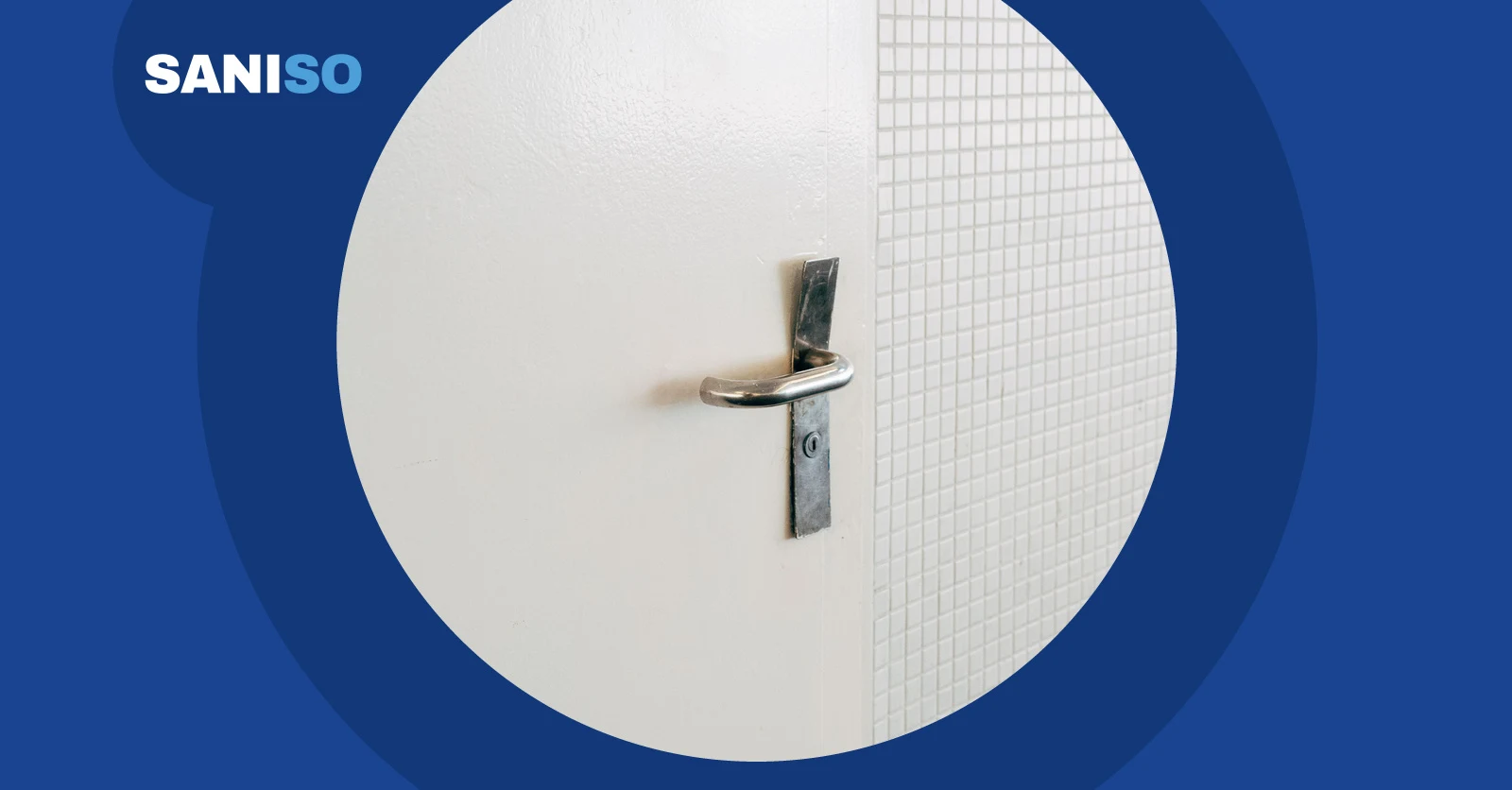
You push the door shut, but it springs open again. Or the door handle droops and wobbles in your hand. Or the door rattles with every gust of wind, even when it is closed. These are small irritations, but you can often fix them in a morning. This weekend you work on your doors. Today you tighten the door handle, lubricate the latch and adjust the strike plate. In this blog you will read how to find the cause and what you can do yourself.
👷 Calling in a professional is never unnecessary. Is it a front or back door, burglar-resistant hardware or a fire door, or is the lock or the cylinder itself broken? Then leave the job to a professional or a locksmith. A door that does not close properly is a safety risk there.
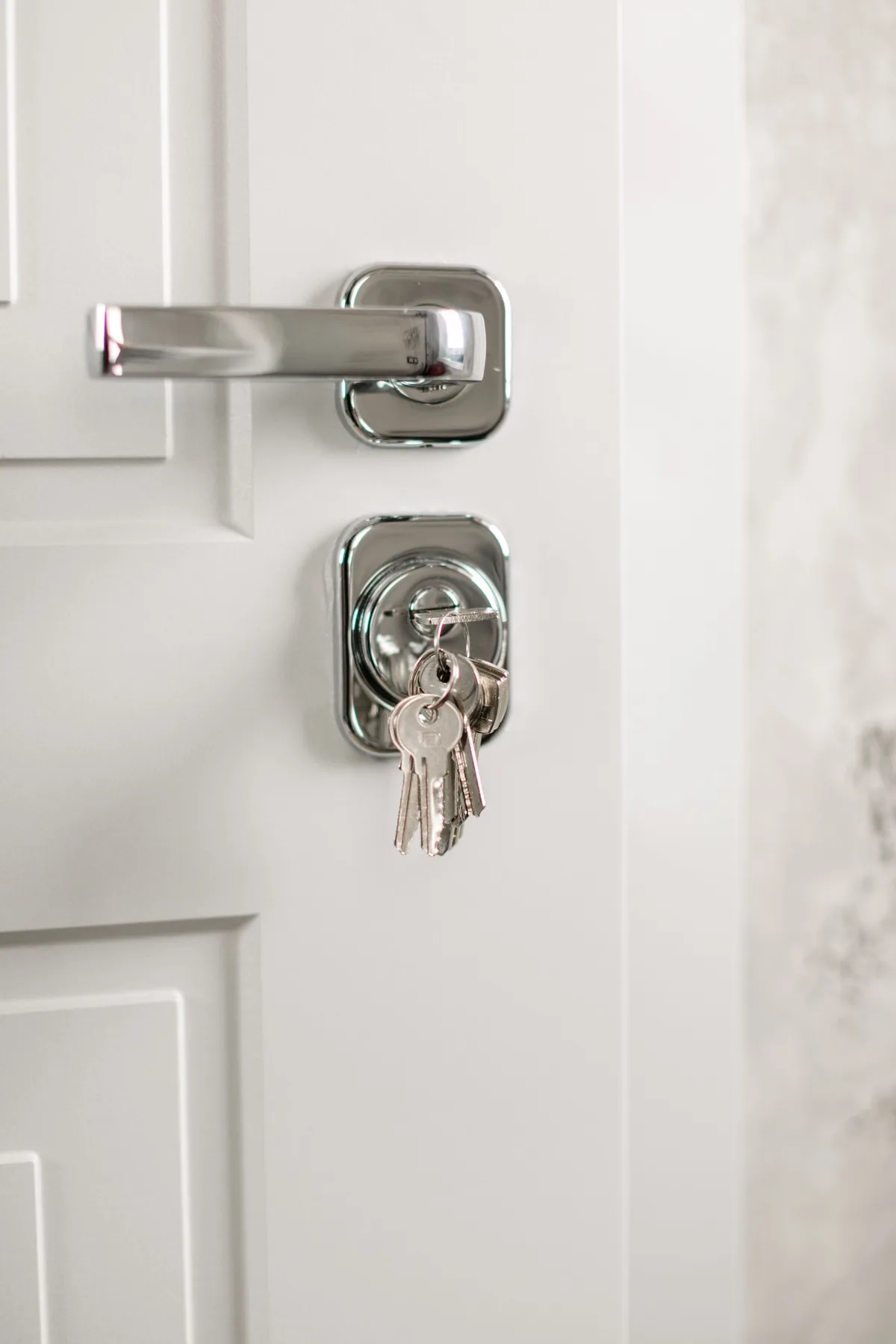
An interior door usually has a mortice lock in the edge of the door. A square spindle runs through the lock with a lever handle on each side. The handle is fixed to a rose or a backplate. When you push the handle down, it pulls the slanted latch bolt in. When you let go, a spring pushes the latch back out and the handle back up. In the frame is the strike plate: a metal plate with an opening that the latch drops into. If the latch and strike plate no longer line up exactly, the door will not latch.
| What do you notice? | Likely cause | Approach |
| Handle wobbles or is loose | Screws of the rose or backplate loose, or the grub screw in the handle loose | Tighten it yourself (step 2) |
| Handle droops and does not spring back | Spring in the rose or in the lock is worn | Replace the sprung rose or have a professional take a look |
| Latch is stiff or sticks | Dirt or a dry latch | Clean and lubricate (step 3) |
| Door does not latch, latch hits the strike plate | Strike plate is a few millimetres too high or too low | Adjust the strike plate (step 4) |
| Door rattles when closed | Too much play between latch and strike plate | Move the strike plate slightly (step 4) |
| Door drags, sticks or hangs crooked in the frame | Hinges or the door itself | Adjust the door first, see our blog on fixing a sticking door |
| Key turns stiffly or the lock jams | Cylinder or lock faulty | Professional or locksmith |
⚠️ Does the door hang crooked, drag over the floor or stick in the frame? Then moving the strike plate will not help. Adjust the door itself first. How to tighten loose hinges and fix a sticking door is explained in our blog on fixing a sticking door.
Open and close the door slowly a few times. Watch whether the latch hits the strike plate, and where. Colour the tip of the latch with the carpenter pencil and close the door slowly until the latch touches the strike plate. The pencil mark on the strike plate shows exactly whether the latch is too high or too low. Also check that the gap between door and frame is equally wide all round. If it is much narrower at the top than at the bottom, the door has dropped and you start with the hinges.
💡 Does the handle still droop after tightening? Take the handle off one side of the spindle and push the latch in with your finger. If it springs back well, the weak spring is in the rose and a new sprung rose is the solution. If the latch springs back poorly, the problem is in the lock and you have a professional take a look.
Choose the approach that fits what you saw in step 1:
Neatly touch up the edges of the frame afterwards. How to finish wood properly is explained in our blog on painting a door.
Close the door a few times, both gently and with a normal push. The latch must drop into the strike plate without force and the door must no longer rattle. Does the handle work smoothly and spring back well? Then the job is done.
Calling in a professional is never unnecessary. Certainly do so in these situations:
A professional quickly sees whether the lock, the door or the frame is to blame and makes sure your door closes safely again.
Often the door has dropped a few millimetres because the hinge screws have worked loose, or the wood has moved because of a change in humidity. As a result, the latch no longer lines up with the strike plate. First check that the door hangs properly and then adjust the strike plate.
Often you can. If the handle is loose, tighten the screws and the grub screw. If the spring in the rose is worn, replace the rose. If the problem is in the lock itself, have a professional check or replace the lock.
A thin layer of silicone spray on the latch is enough. Wipe off the excess, because grease and too much lubricant attract dust. Do not spray anything into the cylinder.
If the latch catches the edge by only one or two millimetres, filing is enough. If it is further out, move the strike plate. If it is more than half a centimetre, the door is probably hanging crooked and you adjust the door first.
There is too much play between the latch and the strike plate. Move the strike plate one or two millimetres towards the door stop. If that does not help, also check the hinges.
Next weekend we tackle the drains in the bathroom. Does your washbasin drain slowly or does the drain gurgle? On Saturday you will read how to unscrew and clean the siphon under the basin, without leaks and without chemical drain cleaner, and on Sunday how to clean the shower drain. A clean indoor job for a cold November weekend.
Get this ready:
Read also: How to hang heavy items on a wall
Read also: How to fix squeaky door hinges and fit a door stop
At Saniso, the online store for DIYers and professionals, you will find tools, materials and personal protective equipment for your job.
In doubt about the approach? Feel free to call in a professional.
Saniso – Build your home with Saniso.
Share:
Install multilayer pipe and press fittings yourself or call in an installer? What you can do yourself, how pressing work...
Cement, hybrid or epoxy grout? CG1, CG2, W, A and RG explained according to EN 13888, and which grout to choose for wall...
From bath to shower: how to go about it. Shower tray or walk-in shower, drainage, waterproofing, a step-by-step plan and...
Combination pliers, side cutters or long nose? Buying guide with sizes, locking, circlip and VDE pliers, plus tips for w...