













.webp)
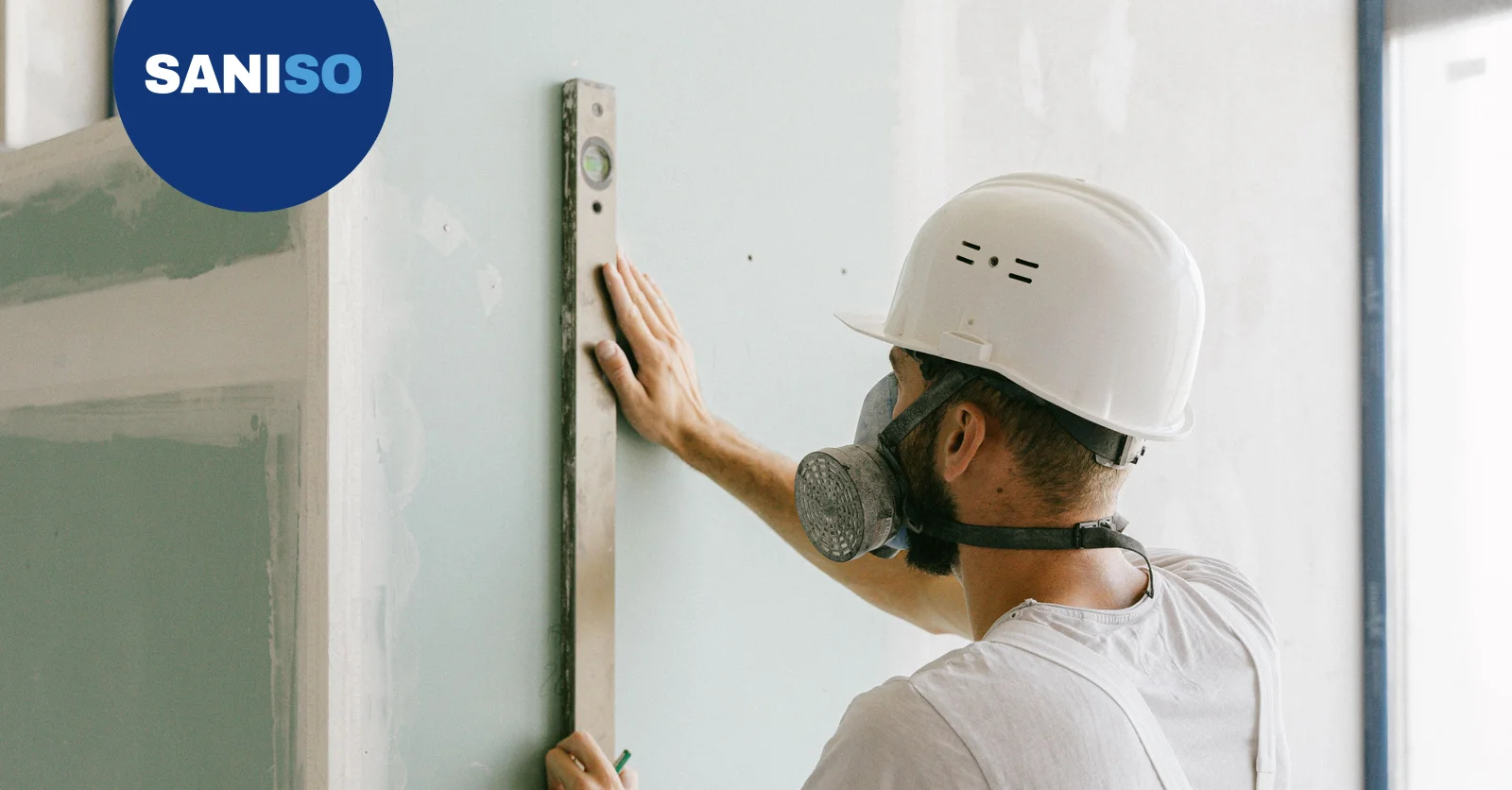
Want to hang heavy items on the wall? Learn how to recognise the wall type, choose the right plug, drill safely and hang...

Your online building supplies store for building and renovation
 English
✓
 Nederlands
✓
 Bathroom furniture sets
 Pillars and semi-pillars
 Consoles
 Washbasin cabinets
 Mirrors
 Cabinet for wc frame
 Shelves
 Accessories - bathroom furniture
 Panels for consoles
 Cabinets with laundry basket
 Top for wc frame
 Wall hung cabinets
 Cabinets for washing machine
 Mirror cabinets
 Case for wc frame
 Countertops
 Under countertop cabinets
 Washbasin faucets
 Washbasin faucets deck-mount high
 Washbasin faucets concealed
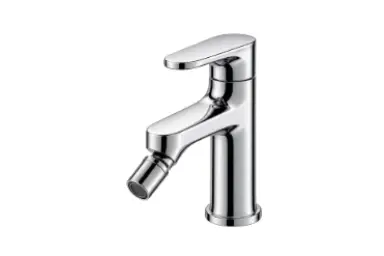 Bidet faucets
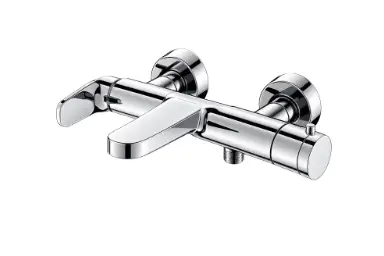 Bathshower faucets
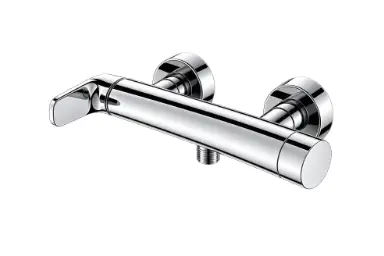 Shower faucets
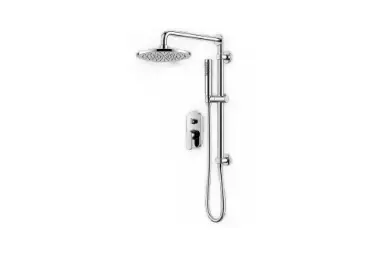 Bathshower sets concealed
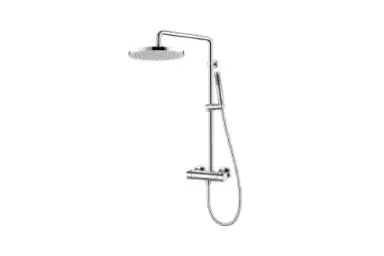 Shower column
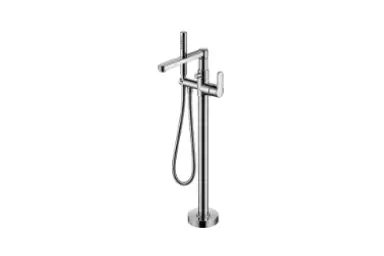 Freestanding bathshower faucets
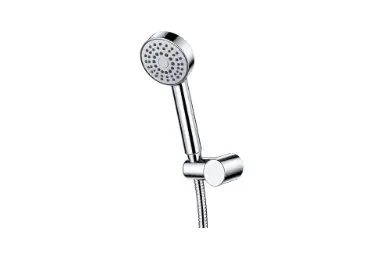 Shower sets
 Bathroom fitting sets
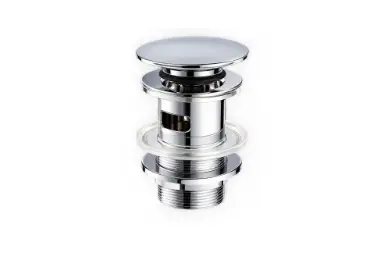 Click-clack plugs
 Spare parts - bathroom fittings
 Bathshower faucets concealed
 Bath spout
 Multi-hole bathtub faucet
 Washbasin siphons
 Consealed bidet system
 Clothes
 Shorts
 Dungarees
 Work dungarees
 Reflective work dungarees
 Sweatshirts
 Hoodies
 Fleeces
 ShirtsFlannel work shirts
 T-shirts
 Polo
 Jackets
 Vests
 Jumpsuits and SetsDisposable suits
 Underwear and socks
 Hats and scarves
 Hats
 Baseball caps
 Hats with a lamp
 Chimneys
 Reflective hats
 Clothing accessories
 Stripes
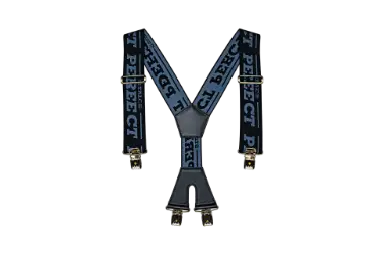 Suspenders
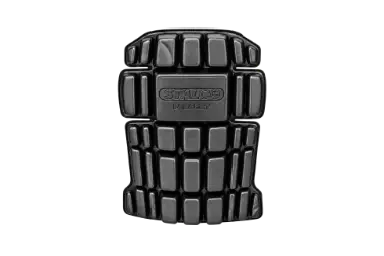 Foam inserts
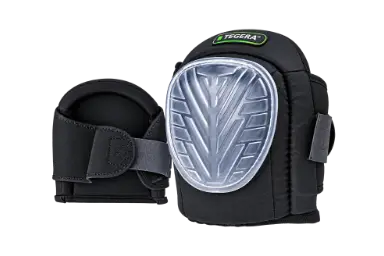 Protective knee pads
 Footwear
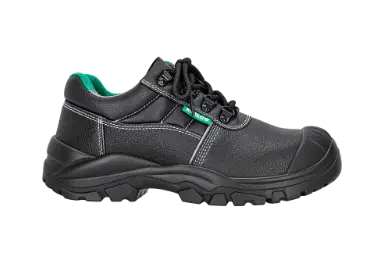 Low shoes
 Work shoes
 Boots
 Work boots
 Winter boots
 High-top winter boots
 Sandals
 Work sandals
 Flip-flops and clogs
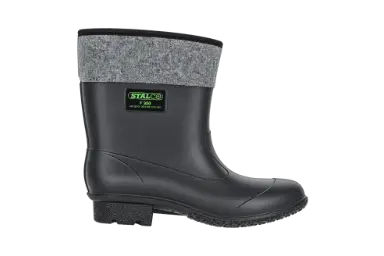 Rain boots
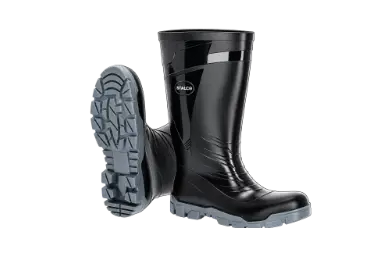 Work boot
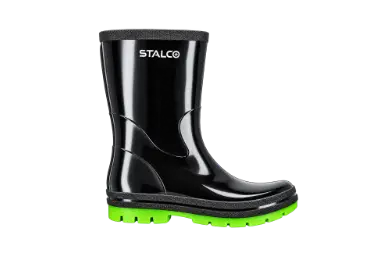 Low wellies
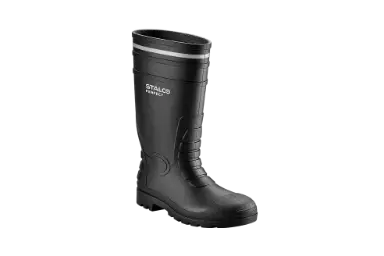 High-top galoshes
 Shoe accessories
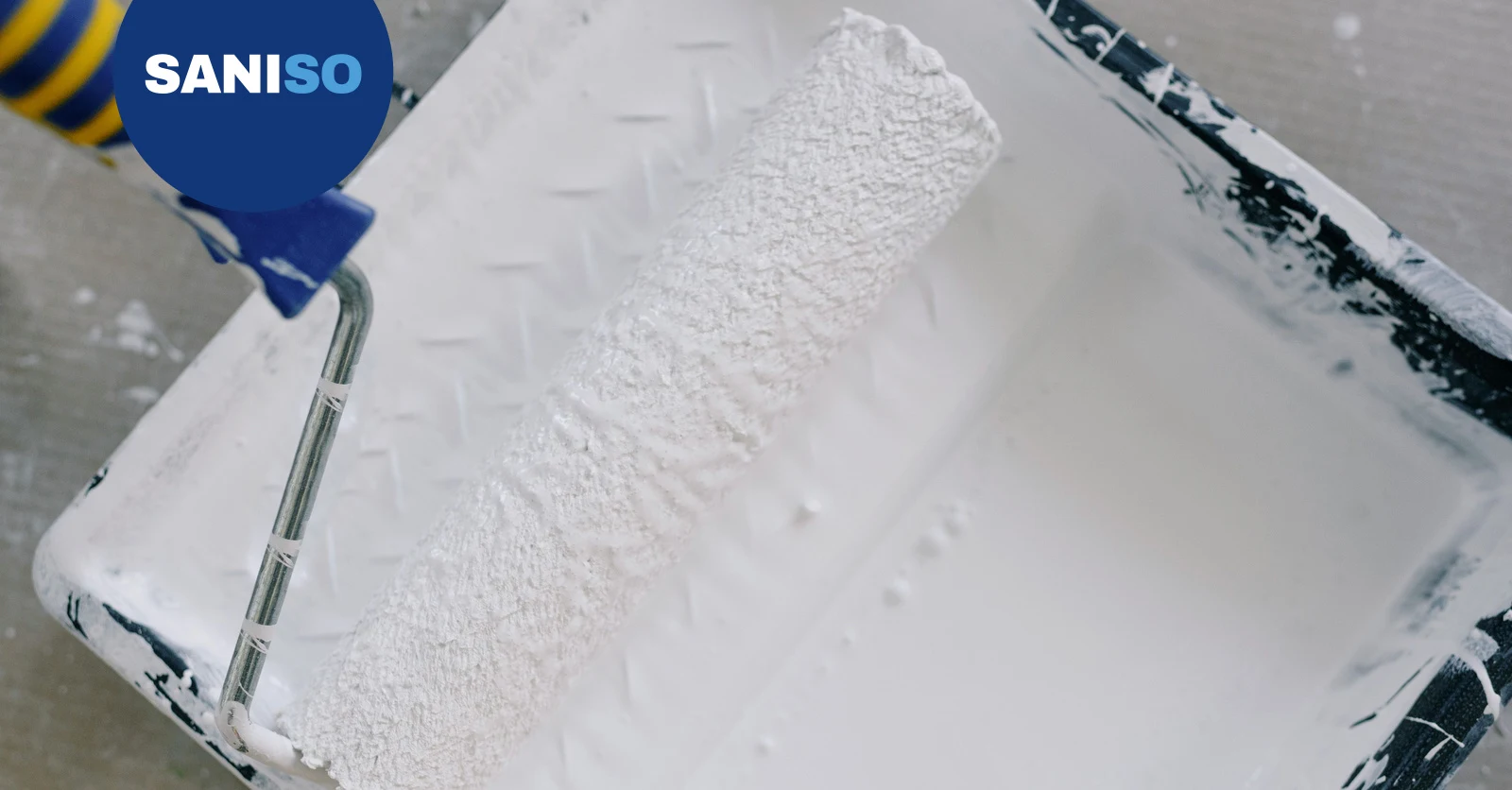
Short answer: you need to prime a wall if it is highly absorbent or powdery. That almost always applies to new plaster, plasterboard, aerated concrete, bare masonry and filled patches. A well-painted, sealed wall usually does not need a primer. You can test it in a minute with the wet finger test and the rub test. Without priming, the wall absorbs the paint unevenly, you get stains and streaks and you need more coats of paint.
👷 For large areas, high stairwells, damp problems or a facade at height, a painter or plasterer is the best choice. Calling in a professional is never unnecessary: they recognise the cause of damp or peeling and choose the right system.
If the wall is highly absorbent, use a primer. If it is powdery, you need a stabilising primer that binds the loose particles. If in doubt, prime: an overly absorbent wall causes more problems than an extra coat.
For interior walls a water-based universal wall primer is a good choice. On highly absorbent or sandy surfaces a deep-penetrating primer penetrates deeply and strengthens the surface. If mortar or plaster will be applied to the wall later, use a bonding primer for mortar and plaster for better adhesion. Always read the technical data sheet: it states the consumption per m², the dilution and the drying time.
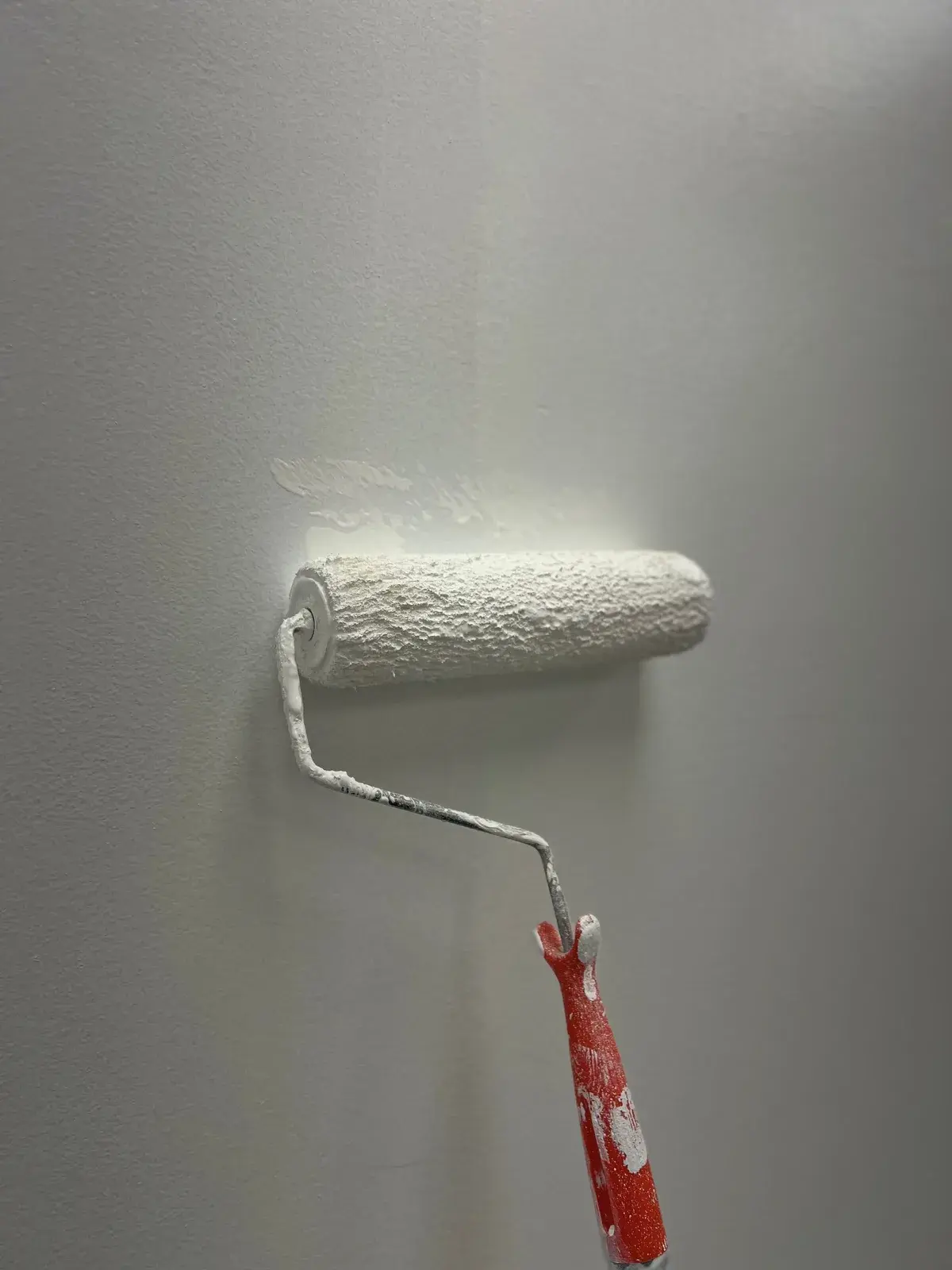
💡 When priming a ceiling, work from a sturdy wooden painter ladder and start at the window. That way the light shows you straight away where you have already been.
⚠️ If damp patches, mould or peeling layers keep coming back, priming is not the solution. First have the cause of the damp investigated by a professional.
Wear safety goggles when working overhead: drops of primer in your eyes are painful. Use work gloves with nitrile coating to protect your skin and ventilate the room well during and after the work. Only work at height from a sturdy ladder or mobile scaffold, never from a chair or table. Keep children and pets out of the room until the product is dry.
On a slightly absorbent wall some paint manufacturers recommend a diluted first coat. On highly absorbent or powdery walls a proper primer or stabilising primer works better.
Yes, on absorbent surfaces. The wallpaper then adheres better and is easier to remove later.
That differs per product, temperature and humidity. Follow the drying time on the packaging.
With two simple tests you know whether your wall needs a primer. That way your paintwork turns out even and fewer coats of paint are needed.
Read also: How to paint a wall · How to paint a ceiling · Repairing plaster: fixing cracks and holes
At Saniso, the online store for DIYers and professionals, you will find tools, materials and personal protective equipment for your job.
In doubt about the approach? Feel free to call in a professional.
Saniso – Build your home with Saniso.
Share:
Want to hang heavy items on the wall? Learn how to recognise the wall type, choose the right plug, drill safely and hang...

Which socket set suits your work? Learn the difference between 1/4, 3/8 and 1/2 inch drive, why the number of ratchet te...
Natural stone and porous tiles absorb moisture, grease and dirt. With a Fila impregnator you give them invisible protect...
Sealing gaps and joints with sealant: find out which sealant goes where, acrylic or silicone, when to use foam first and...