


































.webp)


Want to hang heavy items on the wall? Learn how to recognise the wall type, choose the right plug, drill safely and hang...

Your online building supplies store for building and renovation
 English
✓
 Nederlands
✓
 Bathroom furniture sets
 Pillars and semi-pillars
 Consoles
 Washbasin cabinets
 Mirrors
 Cabinet for wc frame
 Shelves
 Accessories - bathroom furniture
 Panels for consoles
 Cabinets with laundry basket
 Top for wc frame
 Wall hung cabinets
 Cabinets for washing machine
 Mirror cabinets
 Case for wc frame
 Countertops
 Under countertop cabinets
 Washbasin faucets
 Washbasin faucets deck-mount high
 Washbasin faucets concealed
 Bidet faucets
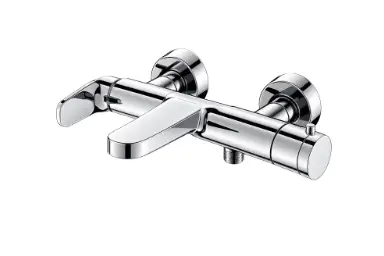 Bathshower faucets
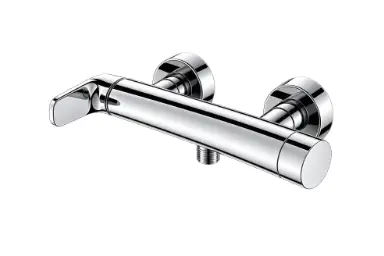 Shower faucets
 Bathshower sets concealed
 Shower column
 Freestanding bathshower faucets
 Shower sets
 Bathroom fitting sets
 Click-clack plugs
 Spare parts - bathroom fittings
 Bathshower faucets concealed
 Bath spout
 Multi-hole bathtub faucet
 Washbasin siphons
 Consealed bidet system
 Clothes
 Shorts
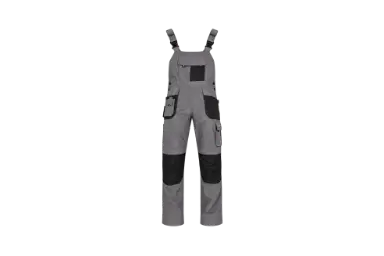 Dungarees
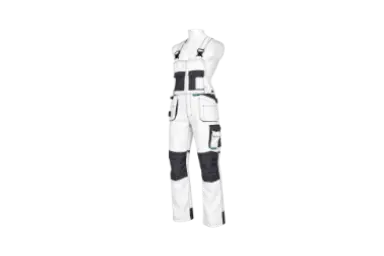 Work dungarees
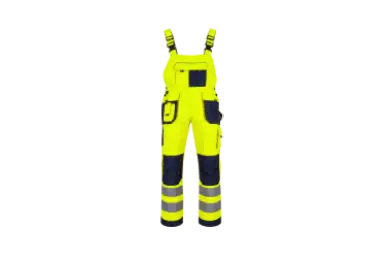 Reflective work dungarees
 Sweatshirts
 Hoodies
 Fleeces
 ShirtsFlannel work shirts
 T-shirts
 Polo
 Jackets
 Vests
 Jumpsuits and SetsDisposable suits
 Underwear and socks
 Hats and scarves
 Hats
 Baseball caps
 Hats with a lamp
 Chimneys
 Reflective hats
 Clothing accessories
 Stripes
 Suspenders
 Foam inserts
 Protective knee pads
 Footwear
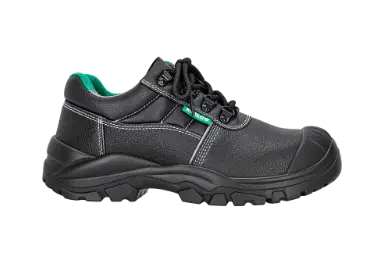 Low shoes
 Work shoes
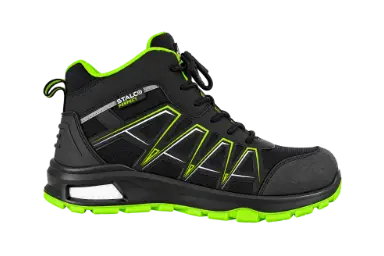 Boots
 Work boots
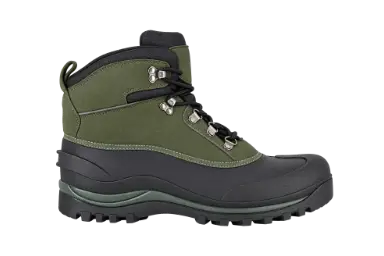 Winter boots
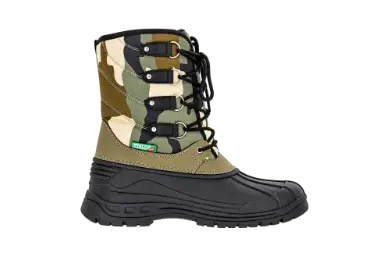 High-top winter boots
 Sandals
 Work sandals
 Flip-flops and clogs
 Rain boots
 Work boot
 Low wellies
 High-top galoshes
 Shoe accessories
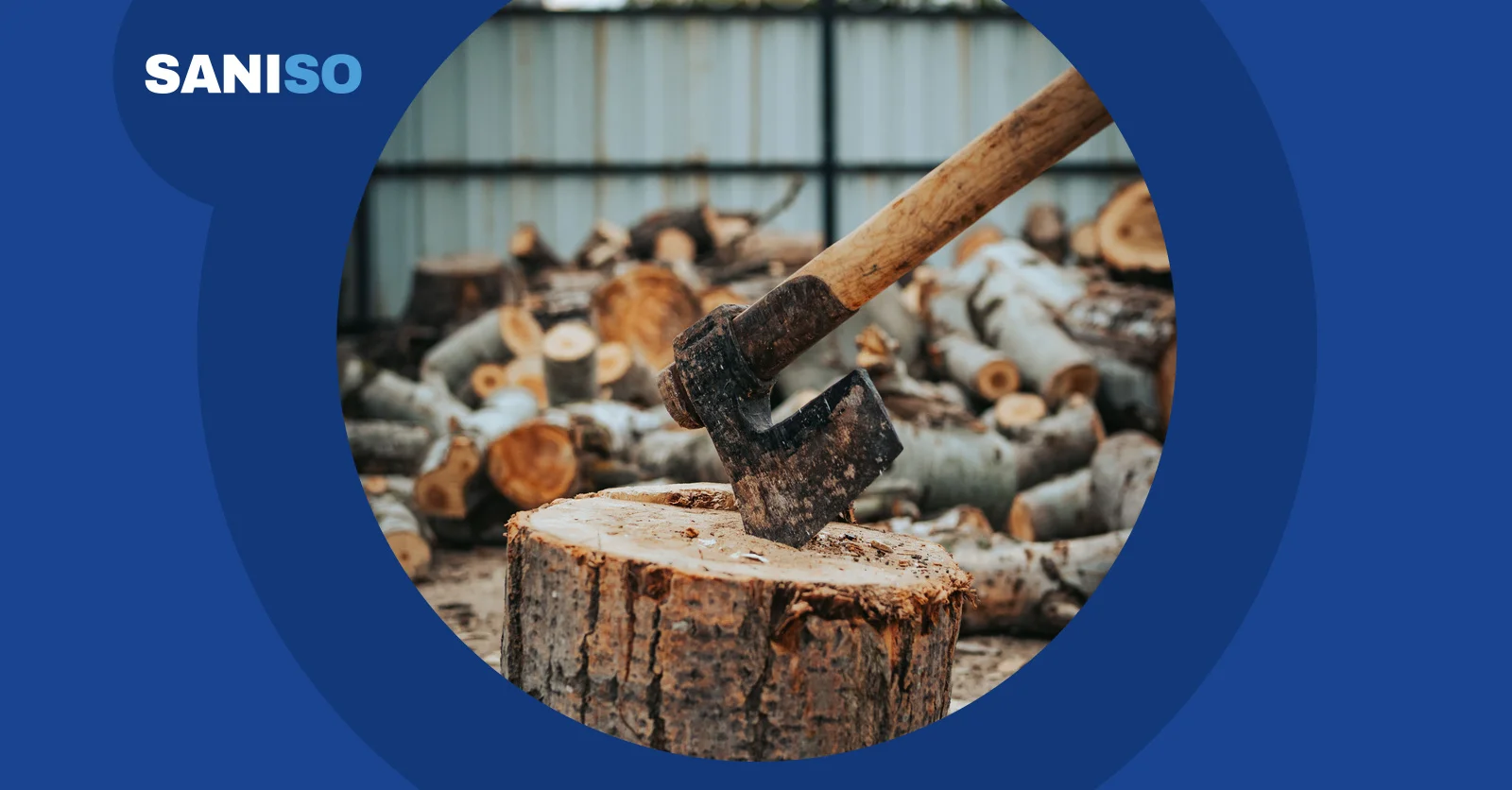
Short answer: split wood on a sturdy chopping block of about knee height, using a splitting axe with a wide, wedge-shaped head. Stand the log upright, aim at an existing crack or just in front of the centre, and let the weight of the axe do the work. Keep your feet apart, never swing towards your body and keep children and pets well away. Wear safety glasses, work gloves and sturdy safety boots.
Read this article in Dutch as well: Hout kloven met een kloofbijl: zo doe je het veilig.
October and November mark the start of the heating season. Many people have wood lying around from pruning, a felled tree or a delivered load of logs. Thick logs dry poorly and burn unevenly. That is why you first saw them to length and then split them. Split wood dries much faster because more surface is exposed to the air. Wood you split now is often next year's firewood. How to get the rest of your garden ready for winter is explained in our blog on getting your garden ready for winter.
An ordinary axe has a narrow, sharp head. It is designed to cut across the grain, for example to remove branches or notch a trunk. A splitting axe has a wider head that works like a wedge: it forces the fibres apart. As a result it gets stuck in the wood less easily.
| Tool | Suitable for | Note |
|---|---|---|
| Light splitting axe (about 1.2 kg) | kindling and thin pieces | little mass for thick logs |
| Medium splitting axe (about 1.7 kg) | most firewood | the best all-rounder for most people |
| Heavy splitting axe (about 2.3 kg) | thick and knotty logs | needs strength and technique |
| Ordinary axe | removing branches, notching, kindling | not designed as a wedge |
| Sledgehammer with splitting wedge | logs that refuse to split | never strike the wedge with an axe |
For most jobs choose a 1710 g splitting axe. For kindling a 1240 g splitting axe is enough; for thick logs pick a 2300 g splitting axe. For branches and notching a 1250 g axe or a heavier 2 kg axe with ash handle and secured head is suitable. To learn how to recognise good tools, read our blog on recognising quality tools.
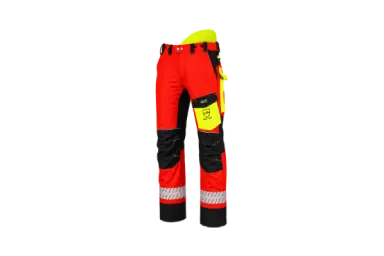
First saw logs to a fixed length that fits your stove or fireplace, usually 25 to 33 centimetres. Cut the ends as straight as possible, because a slanted piece will topple over on the block. A 760 mm bow saw gets you a long way with thin and medium logs. Use a bow saw blade for wet wood for fresh wood and a bow saw blade for dry wood for wood that has been lying for a while. If you have a lot of wood or thick logs, a cordless chainsaw is faster. Only use a chainsaw if you know how to do so safely, with the right protective clothing.
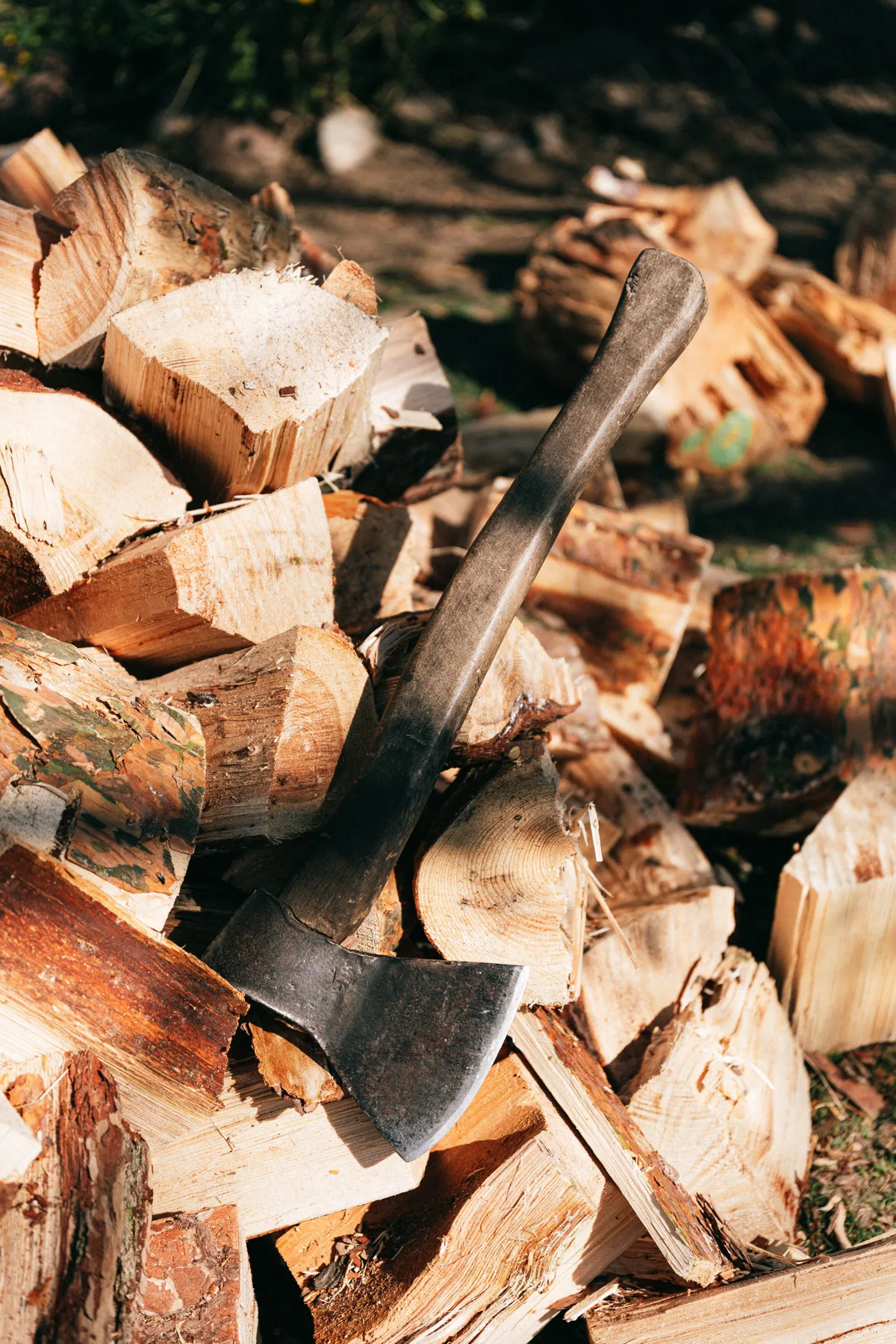
If a piece will not split, do not keep striking the same spot. Turn it a quarter turn and try another crack. If the axe gets stuck, do not lever it out with the handle, because you will break the handle. Use a splitting wedge instead and drive it into the crack with a 3 kg sledgehammer. Never strike a wedge or metal with the back of an ordinary axe: the head is not made for that and fragments of metal can fly off. More on using heavy hammers correctly is in our blog on hammers.
Freshly cut hardwood often splits more easily than wood that has half dried. So split it preferably soon after sawing. Then stack the split wood loosely, bark side up, in a spot with wind and as little rain as possible. Depending on the species and thickness, firewood needs about six to twelve months to dry properly, hardwoods sometimes longer. Do not burn wet wood: it causes a lot of smoke and soot in the flue.
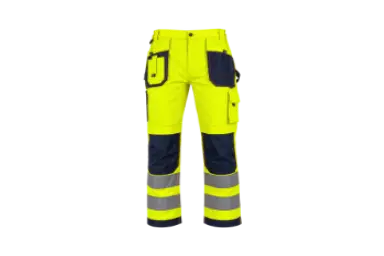
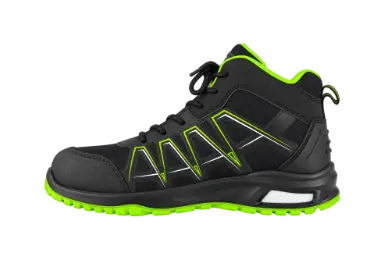
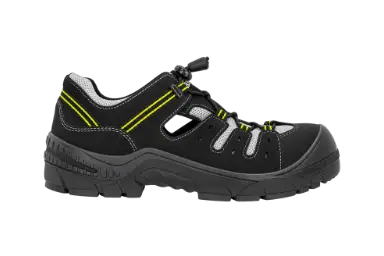
Always wear safety goggles when splitting. Splinters and bark fly off with every strike. Why eye protection matters so much is explained in our safety tip on preventing eye injuries. Wearing work gloves with nitrile coating gives you a better grip on the handle and prevent splinters in your hands. If you work outside in the cold, lined winter work gloves are more comfortable. Which glove suits which job is covered in our buying guide for work gloves. Wear a high leather S3 safety boot with a steel toe cap: a falling log or a missed strike hits hard. More on this in our blog on choosing safety shoes.
💡 Put an old car tyre on the chopping block and stand the wood inside it. The pieces will not keep falling over and you need to bend down less.
⚠️ Never split wood when you are tired, in a hurry or have been drinking alcohol. Also stop when it gets dark or the ground is slippery from rain or frost. Keep children, pets and onlookers at least a few metres away.
👷 Felling a tree, processing large trunks or working with a chainsaw at height requires knowledge and experience. Leave that to a professional, especially if the tree is near a house, shed or utility lines. If in doubt, ask for advice first.
For most people a splitting axe of about 1.7 kg is the best choice. A lighter axe is enough for kindling; for thick or knotty logs choose a heavier one.
For thin wood and kindling, yes. With thick logs an ordinary axe quickly gets stuck. A splitting axe with a wide head then works much better.
About knee height. That way, if you miss, the axe hits the block and not the ground or your legs.
Usually six to twelve months, stacked loosely and covered on top. Hardwoods sometimes need longer.
At Saniso, the online store for DIYers and professionals, you will find tools, materials and personal protective equipment for your job.
In doubt about the approach? Feel free to call in a professional.
Saniso – Build your home with Saniso.
Share:
Want to hang heavy items on the wall? Learn how to recognise the wall type, choose the right plug, drill safely and hang...

Which socket set suits your work? Learn the difference between 1/4, 3/8 and 1/2 inch drive, why the number of ratchet te...

Natural stone and porous tiles absorb moisture, grease and dirt. With a Fila impregnator you give them invisible protect...

Sealing gaps and joints with sealant: find out which sealant goes where, acrylic or silicone, when to use foam first and...