






Learn how to connect a new exposed bath-shower tap yourself: shut off the water, measure the centre distance, set the S-...

Your online building supplies store for building and renovation
 English
✓
English
✓
 Nederlands
✓
Nederlands
✓
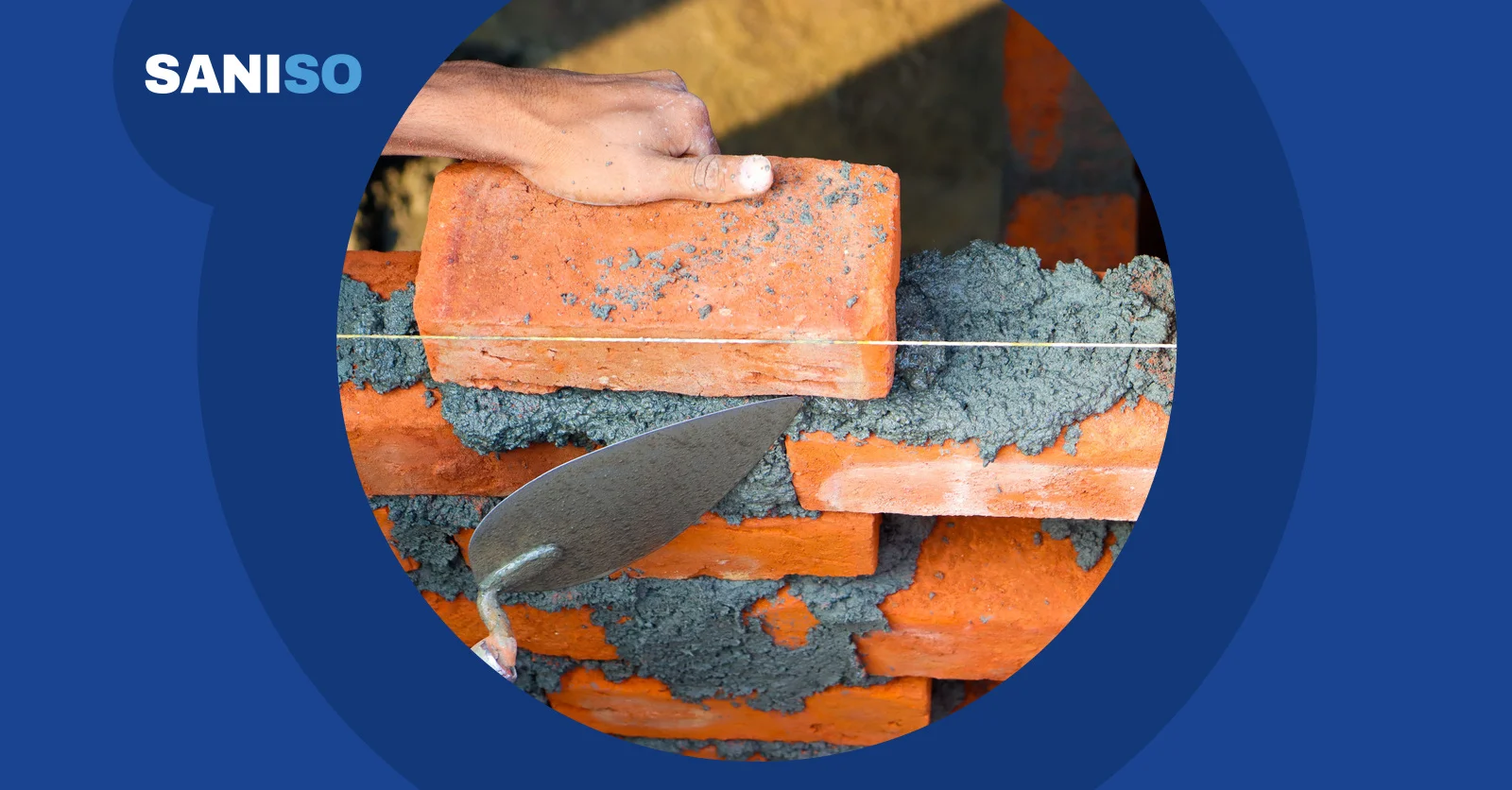
A small brick wall can edge a border, form a raised planter or make a neat divide next to the patio. In this guide you will learn how to lay a low freestanding brick wall: from foundation and setting out to mortar, the first course, running bond, pointing and curing. Always follow the instructions on the packaging.
👷 Calling in a professional is never unnecessary. Is it a load-bearing wall, a high wall, a wall along the property boundary, doubt about the foundation or ground you do not know? Always call in a bricklayer or contractor. Check with your local authority whether any rules apply. This blog is about a low, non-load-bearing wall.
Brickwork is only as strong as the ground it stands on. On soft or uneven soil a wall soon leans or cracks. First lay a firm, frost-resistant foundation or a well-compacted sand-cement bed. Read more about quantities in our blog on sand cement. Clear roots and loose soil before you start.
See Working safely below. Do not start without proper PPE.
Mix according to the packaging: right water quantity, mixing time and working time. Mortar that is too wet sags out of the joints; mortar that is too dry bonds poorly. Do not mix more than you can use within the open time. Use a clean 60-litre rectangular construction tub or construction bucket with a mixer paddle for heavy mortars or bricklayer scoop.
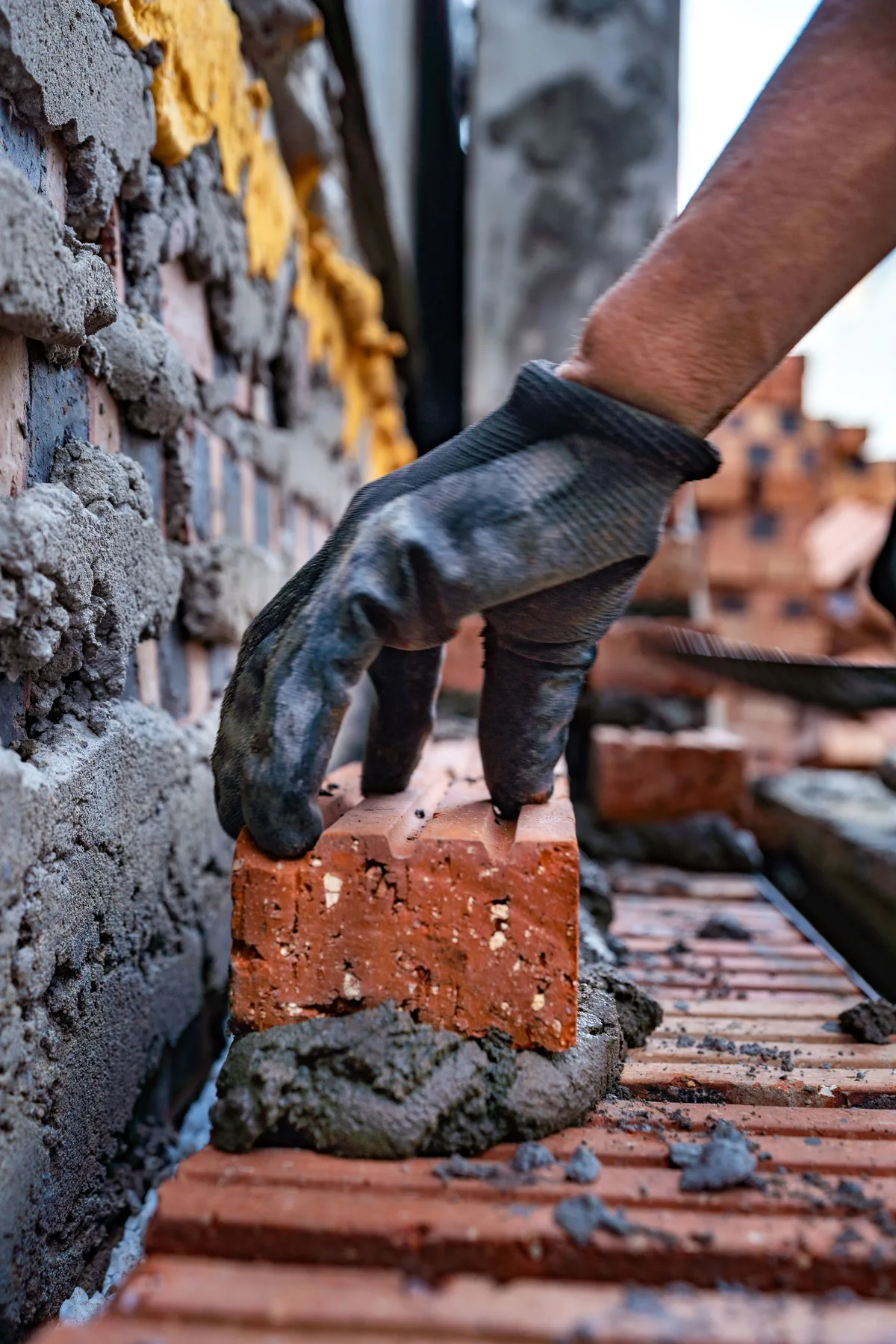
The first course decides whether the rest stays straight. Spread a mortar bed with the bricklaying or plastering trowel, lay the first brick, tap lightly with the rubber mallet and check at once with the 60 cm spirit level. Keep perp joints even and the mason line tight. Take your time: a level start saves correction later.
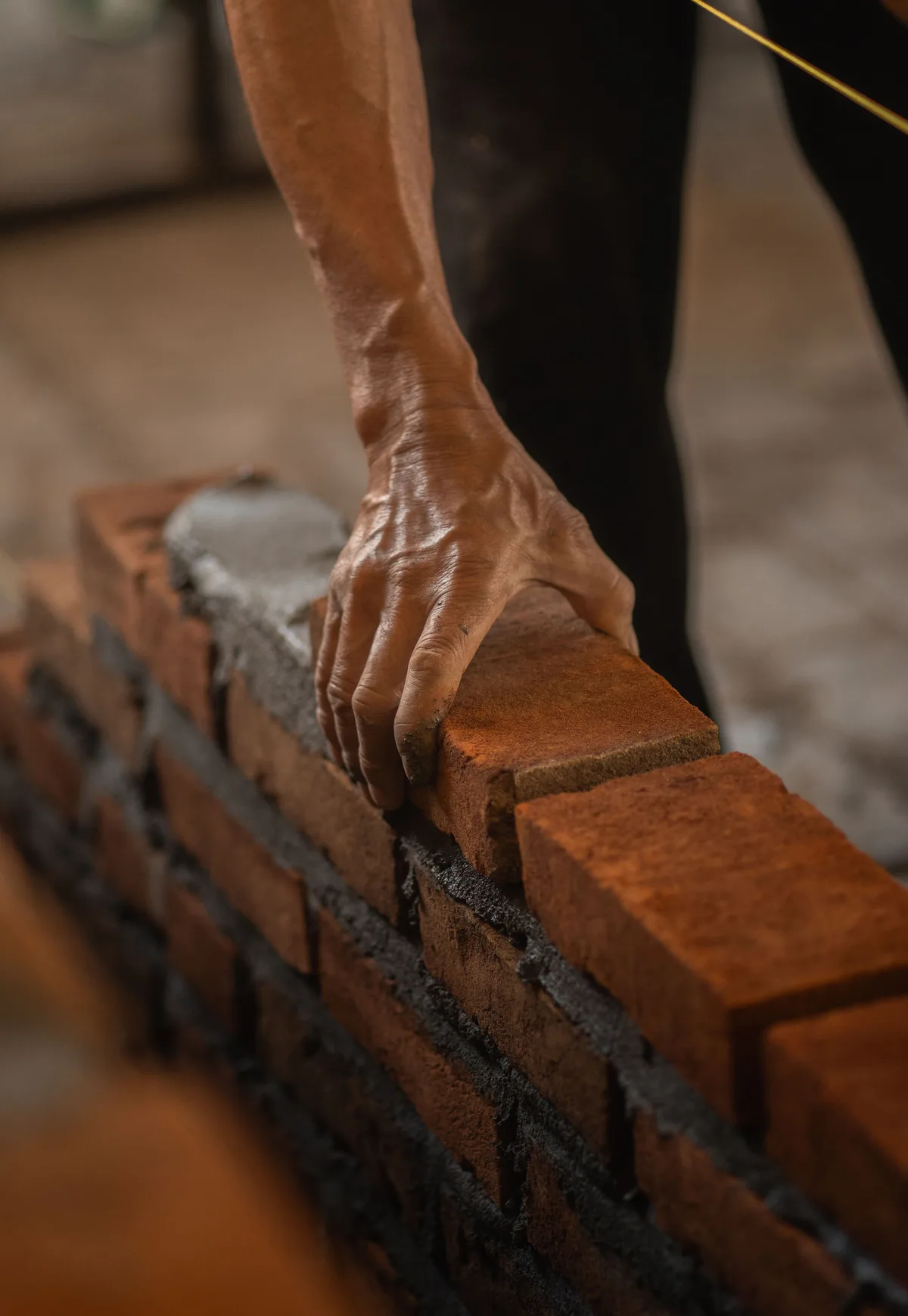
In a running bond each course is offset by half a brick, so perp joints do not sit on top of each other. That makes the wall stronger and calmer to look at. Cut starter and end bricks with the brick hammer and chisel, or use matching half-bricks. Work course by course: mortar bed, set the brick, check level and line, trim excess mortar.
💡 Dry-lay a trial course without mortar first. Then you see whether the length works out and where you need to cut. Photograph the course with your phone.
Once the mortar has stiffened enough to work (follow the packaging), finish the joints with the aluminium jointing trowel. Choose one joint profile and keep it consistent along the whole wall. Brush away loose grains. Do not wash down too early or too wet: that pulls cement haze onto the brick. If you later plan plastering, also read our blog on plastering a wall.
Fresh mortar dislikes strong sun, heavy rain or frost. Protect the wall for the first days against driving rain. In frost risk, wait or follow the winter guidance on the packaging. Let the work cure before you lean on it or place planters against it. Exact curing times are on the packaging.
Read more about working safely in our blog on safe working on the construction site. You will find workwear and PPE in the Saniso range (see the CTA below).
⚠️ Preferably saw or grind bricks outdoors. If you are unsure about the cutting method, leave the cutting to a professional.
A bricklayer is never unnecessary in those cases. If you also want a path around the wall, read our blog on laying a garden path.
Yes, a low, non-load-bearing wall is doable for many DIYers if the foundation is right and you work to level. If in doubt, call in a professional.
A bricklaying mortar or bagged mortar that suits your brick type and outdoor use. Always follow the instructions on the packaging.
Keep joint thickness even and follow what suits your brick size and the mortar manufacturer's guidance.
In frost and heavy rain fresh work is vulnerable. Wait for suitable weather or follow the weather guidance on the packaging.
Check with your local authority whether any rules apply, especially near boundaries or for structural walls. This blog makes no legal claims.
Work cleanly, trim excess mortar in time and do not wash down too early or too wet. Finish joints consistently with the aluminium jointing trowel.
At Saniso, the online store for DIYers and professionals, you will find tools, materials and personal protective equipment for your job.
In doubt about the approach? Feel free to call in a professional.
Saniso – Build your home with Saniso.
Share:
Learn how to connect a new exposed bath-shower tap yourself: shut off the water, measure the centre distance, set the S-...

Grout in one even colour across the whole wall or floor: that is what you want. In this blog we explain how the hybrid R...

Learn how to level a floor yourself: prepare the subfloor, prime, mix and pour self-levelling compound. Step-by-step wit...

Installing a kitchen: do it yourself or hire a professional? Read what is involved, which parts you can do yourself and...