Cart (0)
No products in the cart.

 English ✓
 Nederlands ✓
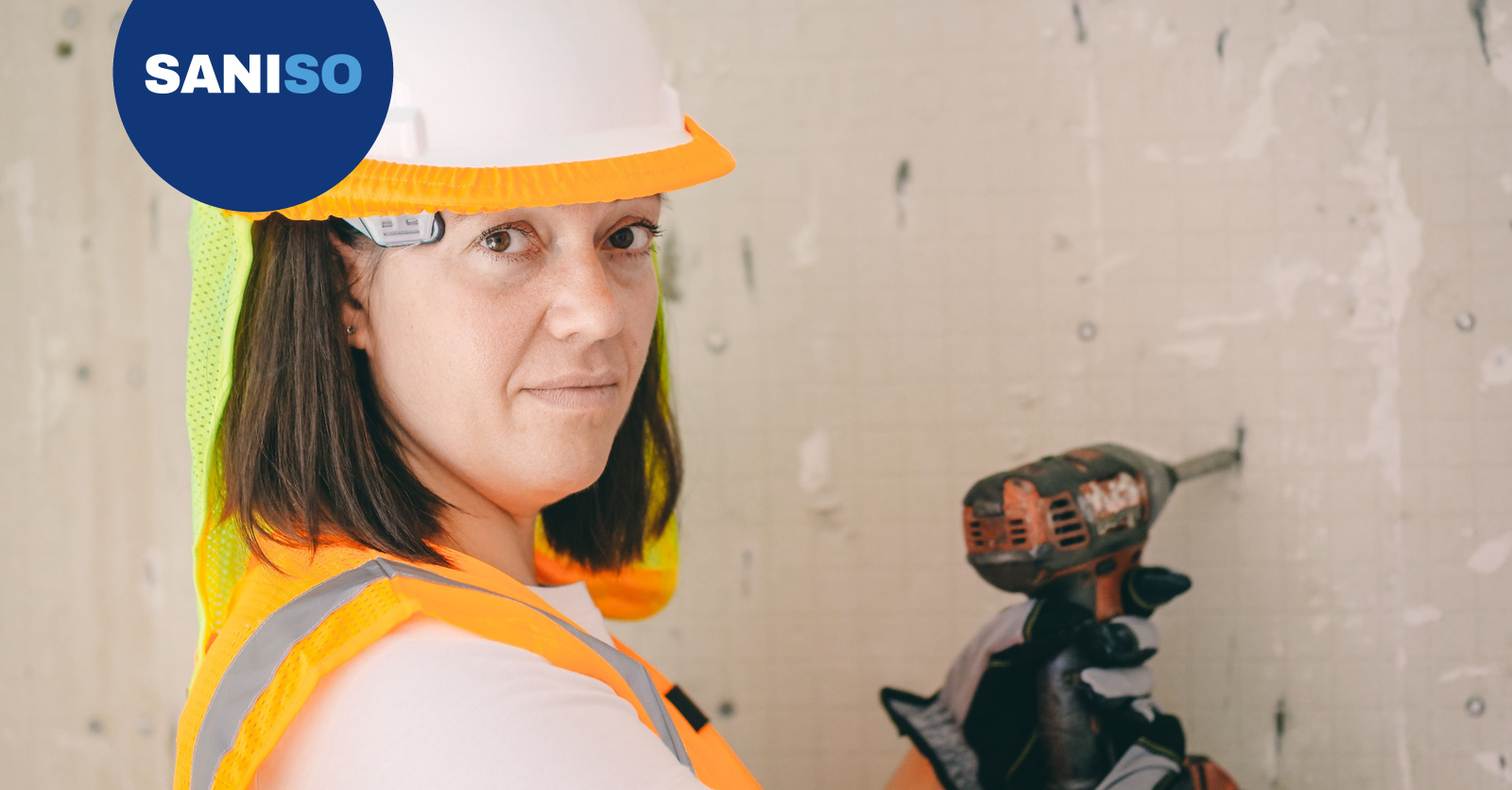
Short answer: hand-arm vibration (HAV) occurs when you work with vibrating tools for long periods, such as a demolition hammer, rotary hammer or angle grinder. You reduce vibration mainly at the source: choose the right, well-maintained machine, use sharp bits and chisels, let the machine do the work and limit the time per day. Gloves keep your hands warm, but are not a reliable solution against vibration.
Read this article in Dutch as well: Handarmvibratie (HAV): trillingen beperken.
With hand-arm vibration, the vibration of a machine travels through your hands into your arms. This happens with every vibrating tool, but especially when demolishing, chiselling, drilling into concrete and grinding. Working briefly once is not a problem. The risk lies in years of daily work with vibrating machines.
Symptoms build up slowly and are often permanent:
⚠️ Do you have white fingers or tingling after work? Report it to your supervisor and the occupational physician. The sooner you act, the better.
Employers must assess and reduce exposure to vibration. In outline, there is an action value of 2.5 m/s² and a limit value of 5 m/s², averaged over an eight-hour working day. The vibration level of a machine is stated in the manual. The actual vibration also depends on the job, the condition of the machine and your posture.
Tackle the best measures in this order.
| Measure | Example | Effect |
| Organise work differently | less demolition, saw or drill in advance | vibration disappears or drops sharply |
| Choose the right machine | heavy demolition hammer for heavy work, rotary hammer for drilling | less time needed, less force on your hands |
| Maintenance and bits | sharp chisels and discs, machine serviced | less vibration and less pressure |
| Good technique | let the machine work, do not push hard | less vibration to the hands |
| Limit time | alternate tasks, breaks | lower daily exposure |
| Personal protection | warm hands, dry gloves | less risk in the cold |
A machine that is too light has to be pushed hard and takes longer. That increases the load. For light drilling, an RH26 SDS-plus rotary hammer or RHS20 cordless rotary hammer is handy. For heavier drilling in concrete, an RH36VS SDS-plus rotary hammer or an RH40 SDS-max rotary hammer fits. For demolition, choose a real demolition hammer, such as the DH10J SDS-max demolition hammer or the DHH48J heavy demolition hammer. Use an IDS20 hammer drill for light drilling, not for concrete. Read more about Stalco machines in our brand blog on Stalco and about quality in our blog on recognising quality tools.
A blunt bit vibrates more and needs more force. So replace your SDS-max pointed chisel and your SDS-plus concrete drill bit in time.
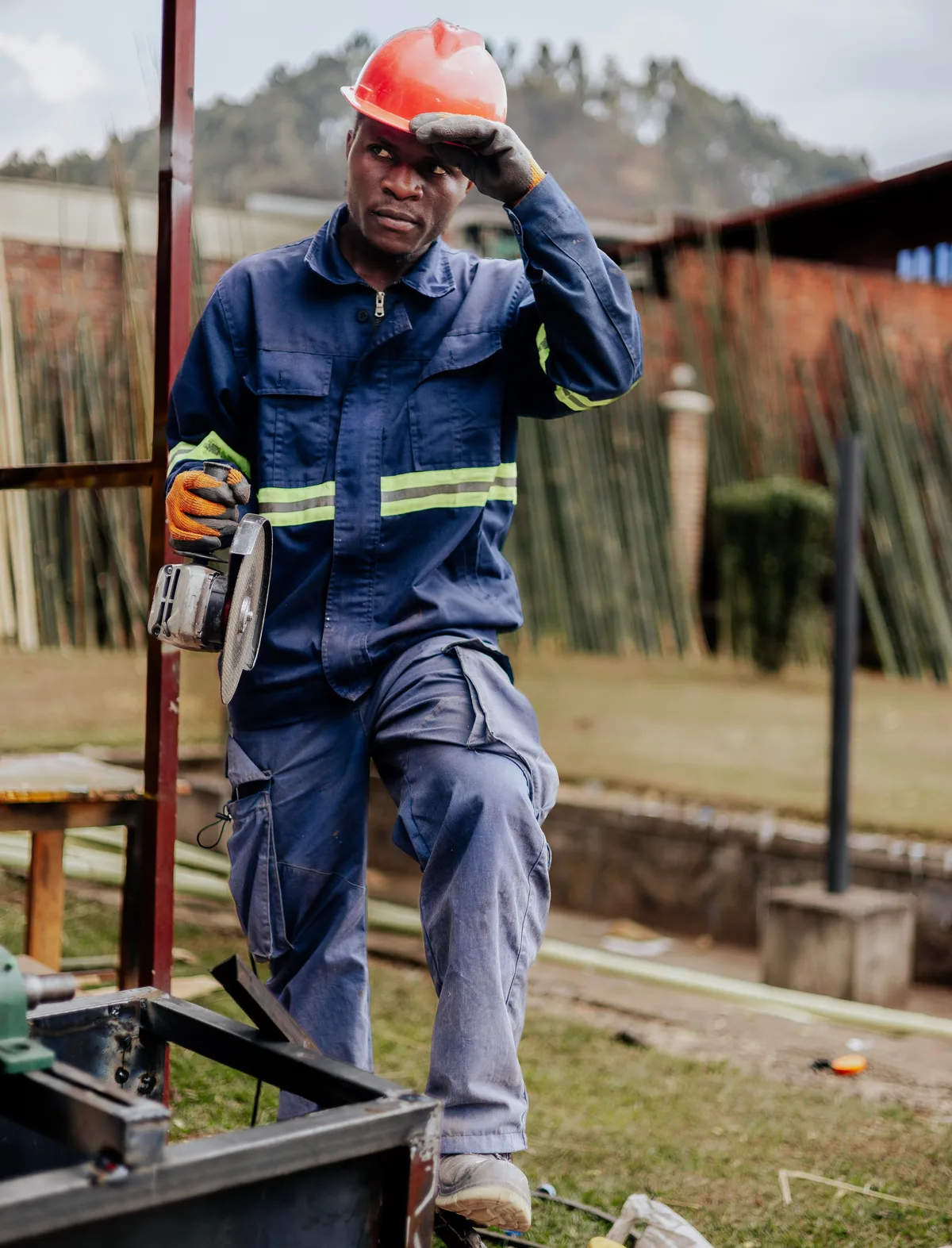
An AG125 angle grinder or AG230 angle grinder also vibrates. Imbalance from a worn or damaged disc causes extra vibration. Always use the side handle, hold the machine with two hands and replace discs that run out of true. Read more about the risks in our blog on working with an angle grinder.
Vibrating work often comes with dust and noise. Wear work gloves with nitrile coating for grip and warm hands, earmuffs against the noise of demolition hammers and safety goggles against flying fragments. When drilling and demolishing concrete, an FFP2 dust mask is needed against dust. Read more about hearing protection in our blog on hearing protection and about gloves in our buying guide for work gloves.
👷 Reducing vibration starts with craftsmanship: the right machine, sharp bits and good technique. Not sure which machine suits your work? Ask an experienced colleague or professional for advice.
💡 Record per project which machines you use and for how long. That quickly shows where you can reduce the load.
Tingling, numbness and fingers turning white in the cold. Report such symptoms in time to your supervisor and the occupational physician.
They keep your hands warm, but often reduce vibration only to a limited extent. Measures at the source work better.
Often yes for heavy work. You finish faster and need to push less. Use the machine that suits the job.
That depends on the vibration of the machine and the job. Your employer assesses this. Alternate vibrating work and take breaks.
At Saniso, the online store for DIYers and professionals, you will find tools, materials and personal protective equipment for your job.
In doubt about the approach? Feel free to call in a professional.
Saniso – Build your home with Saniso.
Share:

What PPE do you need for welding? An overview of welding helmet, welding gloves, welding clothing, boots, hearing and re...

Which socket set suits your work? Learn the difference between 1/4, 3/8 and 1/2 inch drive, why the number of ratchet te...
Caring for work shoes: how to clean safety shoes and boots, dry them properly, prevent odour and know when they need rep...
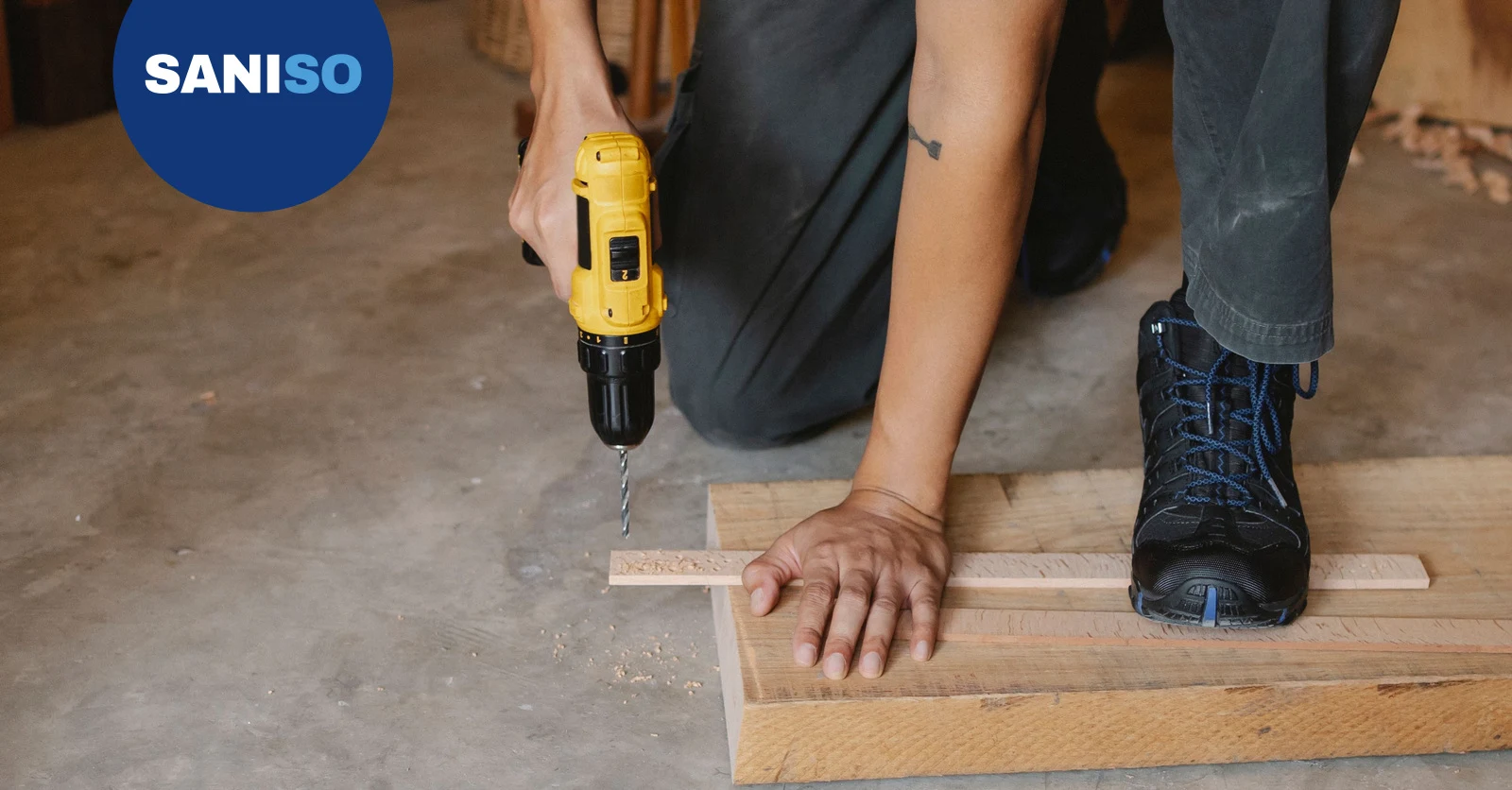
Drilling in wood, brick or concrete needs a different tool. Read the difference between a cordless drill, impact drill a...