




.webp)

Want to hang heavy items on the wall? Learn how to recognise the wall type, choose the right plug, drill safely and hang...

Your online building supplies store for building and renovation
 English
✓
 Nederlands
✓
 Bathroom furniture sets
 Pillars and semi-pillars
 Consoles
 Washbasin cabinets
 Mirrors
 Cabinet for wc frame
 Shelves
 Accessories - bathroom furniture
 Panels for consoles
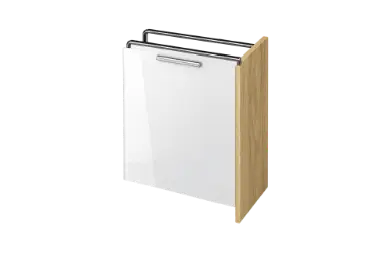 Cabinets with laundry basket
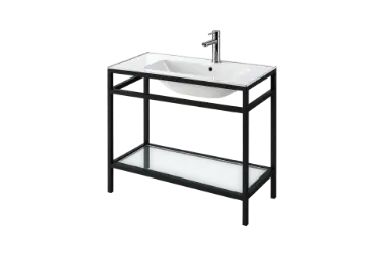 Top for wc frame
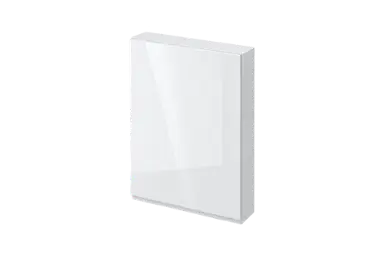 Wall hung cabinets
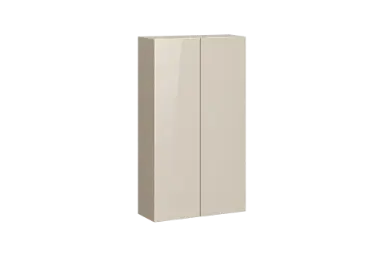 Cabinets for washing machine
 Mirror cabinets
 Case for wc frame
 Countertops
 Under countertop cabinets
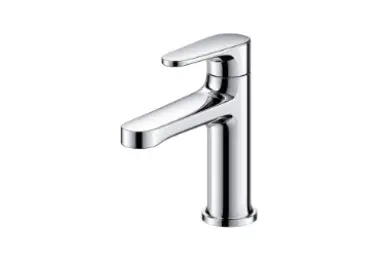 Washbasin faucets
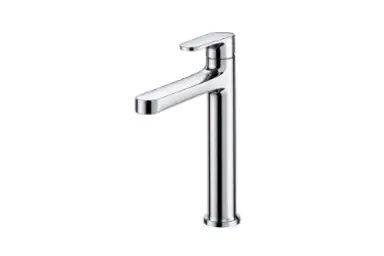 Washbasin faucets deck-mount high
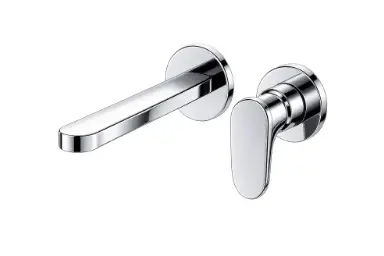 Washbasin faucets concealed
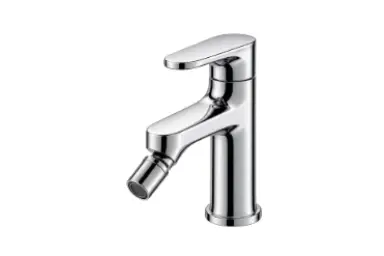 Bidet faucets
 Bathshower faucets
 Shower faucets
 Bathshower sets concealed
 Shower column
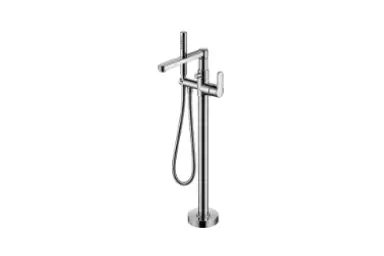 Freestanding bathshower faucets
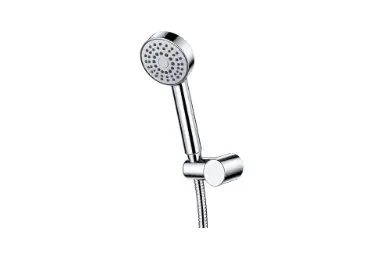 Shower sets
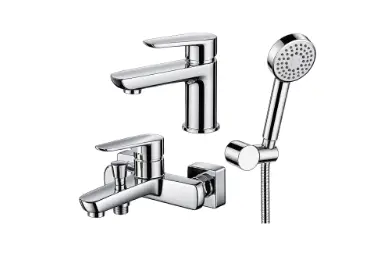 Bathroom fitting sets
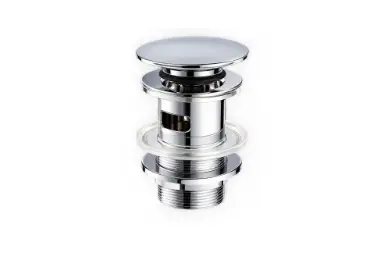 Click-clack plugs
 Spare parts - bathroom fittings
 Bathshower faucets concealed
 Bath spout
 Multi-hole bathtub faucet
 Washbasin siphons
 Consealed bidet system
 Clothes
 Shorts
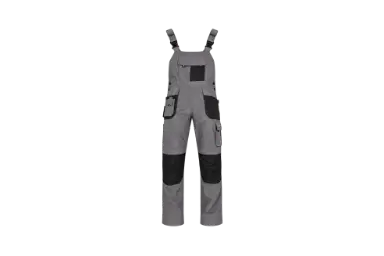 Dungarees
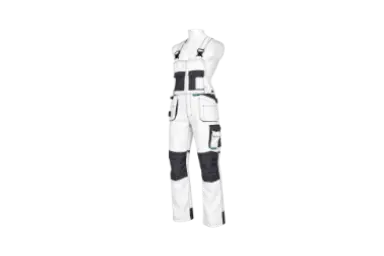 Work dungarees
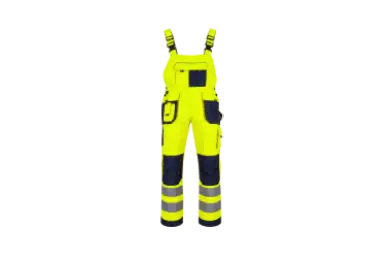 Reflective work dungarees
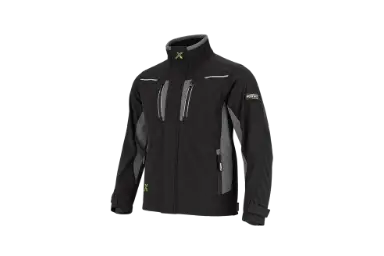 Sweatshirts
 Hoodies
 Fleeces
 ShirtsFlannel work shirts
 T-shirts
 Polo
 Jackets
 Vests
 Jumpsuits and SetsDisposable suits
 Underwear and socks
 Hats and scarves
 Hats
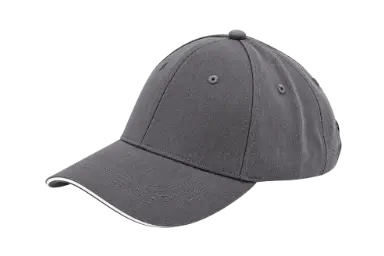 Baseball caps
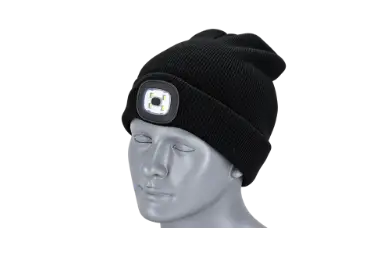 Hats with a lamp
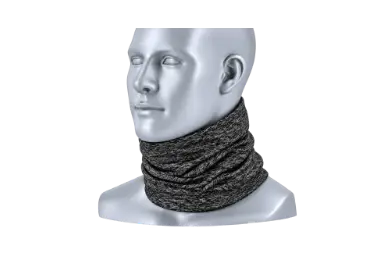 Chimneys
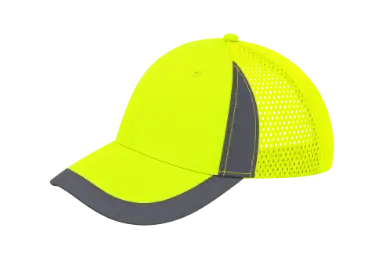 Reflective hats
 Clothing accessories
 Stripes
 Suspenders
 Foam inserts
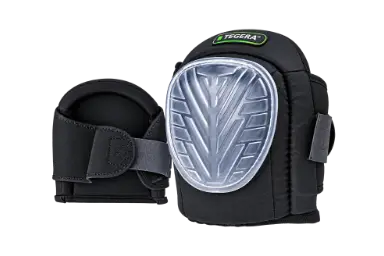 Protective knee pads
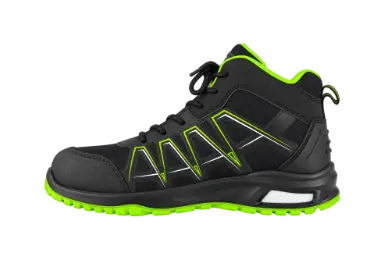 Footwear
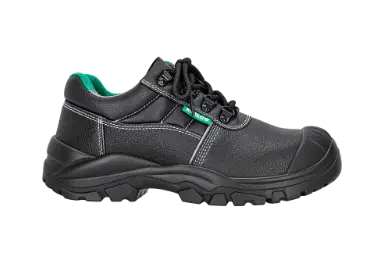 Low shoes
 Work shoes
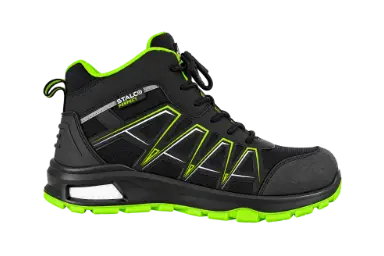 Boots
 Work boots
 Winter boots
 High-top winter boots
 Sandals
 Work sandals
 Flip-flops and clogs
 Rain boots
 Work boot
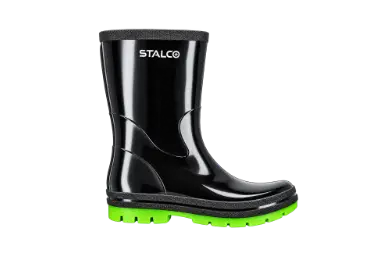 Low wellies
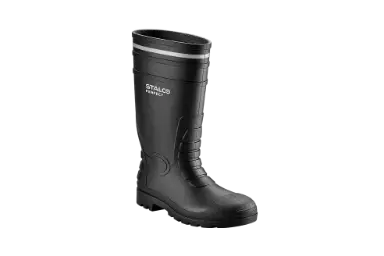 High-top galoshes
 Shoe accessories
Anyone who moves a lot of material soon finds that the best lifting aid is the load you do not have to lift. A cart, a carrier or a suction cup takes the weight off you, prevents damage to the material and saves your back. But which aid suits which load? In this buying guide we compare the most important lifting aids and transport equipment, show what you can do with them and explain where lifting and hoisting begins and the professional is needed.
👷 Calling in a professional or carrier is never superfluous. Heavy, high or fragile loads, for example a bath on an upper floor, glass panels or a large boiler, call for hoisting equipment, experience and sometimes a VCA-certified company. A lifting aid makes the work lighter, but it does not replace a professional's knowledge.
Before you choose an aid, decide four things:
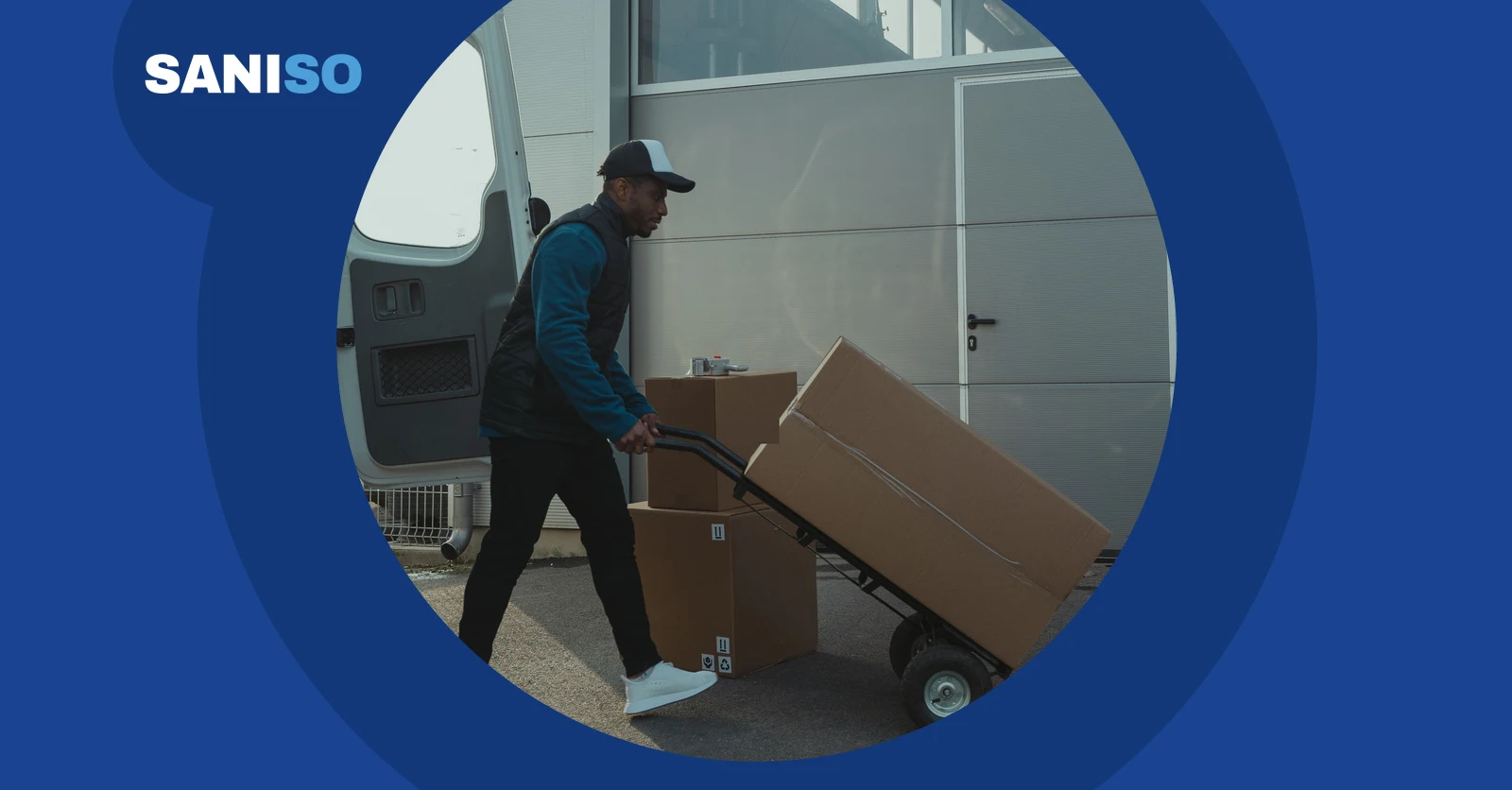
A hand truck (or sack truck) is the workhorse for boxes, bags and stacks. You slide the plate under the load, tilt it towards you and roll it away. Ideal for bags of plaster, adhesive and cement, boxes of tiles and paint buckets. Choose a truck with pneumatic tyres or wide wheels if you travel over sand, gravel or a building site. A hand truck is not suitable for long, flat or glass loads.
For loads you want to move flat, such as toolboxes, boxes and small machines, a trolley with shelves is handy, such as a workshop trolley with three shelves. That way you lift nothing up and down, and you take everything to the job in one go. For large tiles, natural stone and sheets there is a special cart, such as the Tyrrel MkII transport cart for tiles and slabs, which supports the sheet flat and stable on rubber. A Raimondi Easy Move transport trolley is a sturdy trolley for heavier materials and packages.
Large sheets, such as plasterboard, wooden boards and large tiles, are best not carried with your arms wrapped around the sheet. With a plate carrier or a vacuum carrier such as the Raimondi Easy Move tile carrier with vacuum gauge you lift a sheet by the side, with a straight back and a low load. For fragile large tiles and glass-like sheets, protect the edges with an Edge Saver corner protector for large tiles and slabs.
Suction cups work by negative pressure. With a Raimondi RV175 vacuum suction cup with pressure gauge or Raimondi Easy Move suction cup with vacuum gauge with a pressure gauge you grip smooth, clean, non-porous surfaces such as glass, mirrors or tiles with a closed surface. Always check the gauge, test with a small lift and never let anyone stand under a hanging load. Porous or rough surfaces, such as rough natural stone, are not suitable. Use suction cups only according to the instructions and up to the maximum load marked on the cup.
A strap with double hook or set of straps with double hook secures a load on a cart, in a van or on a roof rack. An elastic strap is only meant for light loads that you hold together, not for loads that you must anchor safely. Check the strap for wear and sharp edges and never use it above its marked maximum tension.
A wheelbarrow is ideal for sand, rubble, bags and tools over rough terrain. Put the heaviest load just above the wheel, so that you can keep the wheelbarrow well balanced. Avoid overloading: a full wheelbarrow of wet sand quickly weighs 100 kilos or more.
With a roller board (a platform on wheels or rollers) you slide heavy furniture, cabinets or a fridge without lifting. Use it only on flat floors and always keep an eye on it: a roller board is not suitable for stairs.
Anyone who buys a lot of material at once often gets it on a standard pallet, secured with transparent stretch film. A pallet truck, such as the electric pallet truck 1,500 kg, moves the entire pallet in one go over a flat surface. Use a pallet truck only if you have experience or have had instruction, and only on a flat floor with sufficient load capacity. The electric pallet truck in our range is intended for professional use and requires knowledge of the safety rules.

As soon as a load has to leave the ground, we enter the area of hoisting. The risk increases, because a falling load can cause serious or fatal injury. What can you do yourself? Raising light loads with a sturdy rope or strap connection and an aid designed for the purpose, such as a hand hoist with a valid inspection label, can in some cases be done by an experienced DIYer. The load must then be well below the working load limit (WLL) marked on the aid. When do you leave it to a professional?
What does the law require of professionals? Hoisting equipment such as lifting slings, chains, hooks and hoists must have a clear working load limit (WLL), be inspected regularly (often annually) by an expert and be used only by trained persons. Companies working on building sites provide VCA-certified staff, a work plan and a fenced-off danger zone. If you want to use a hoist yourself, have a professional assess it. Never use damaged hoisting equipment and never hoist over people.
⚠️ Never let people stand or walk under a hanging load. Never hoist with a knot in the strap or chain. If in doubt, call in a professional or certified hoisting company.
All transport equipment goes with PPE:
On the building site, the rules in our blog on safe working on the construction site apply and, for professionals, the client's VCA requirements.
Read also: Transporting timber and long materials, Transporting tiles and slabs safely and Transporting ladders and scaffolding safely.
For most DIYers that is a hand truck or a flat cart. With it you move boxes, bags and tools without lifting them yourself. Straps come next, and for large tiles a plate carrier or suction cups.
Only light loads, well below the working load limit, with an inspected aid and a sturdy fixing. In doubt, with people under the load or with structures, have a professional do the work.
WLL stands for Working Load Limit, the maximum working load. It is the weight that the hoisting equipment may safely carry, under the conditions it was designed for. You can read it on the label.
Yes, provided you use them properly: clean, smooth surface, keep an eye on the gauge and never above people. For heavy or large panes, call in a glazier.
At Saniso, the online store for DIYers and professionals, you will find tools, materials and personal protective equipment for your job.
In doubt about the approach? Feel free to call in a professional.
Saniso – Build your home with Saniso.
Share:
Want to hang heavy items on the wall? Learn how to recognise the wall type, choose the right plug, drill safely and hang...

Which socket set suits your work? Learn the difference between 1/4, 3/8 and 1/2 inch drive, why the number of ratchet te...

Natural stone and porous tiles absorb moisture, grease and dirt. With a Fila impregnator you give them invisible protect...

Sealing gaps and joints with sealant: find out which sealant goes where, acrylic or silicone, when to use foam first and...