












.webp)

Want to hang heavy items on the wall? Learn how to recognise the wall type, choose the right plug, drill safely and hang...

Your online building supplies store for building and renovation
 English
✓
 Nederlands
✓
 Bathroom furniture sets
 Pillars and semi-pillars
 Consoles
 Washbasin cabinets
 Mirrors
 Cabinet for wc frame
 Shelves
 Accessories - bathroom furniture
 Panels for consoles
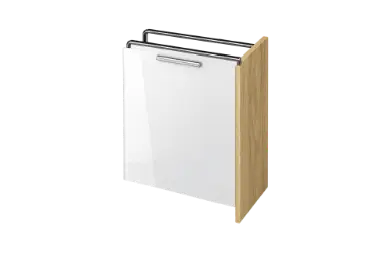 Cabinets with laundry basket
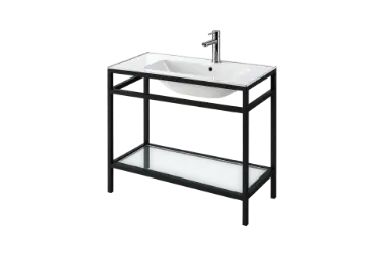 Top for wc frame
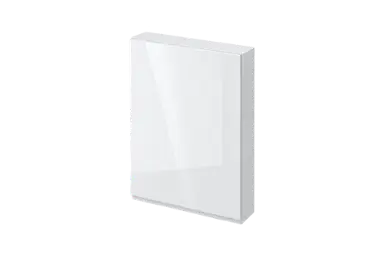 Wall hung cabinets
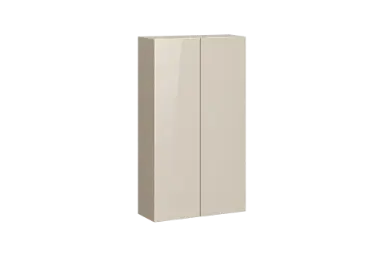 Cabinets for washing machine
 Mirror cabinets
 Case for wc frame
 Countertops
 Under countertop cabinets
 Washbasin faucets
 Washbasin faucets deck-mount high
 Washbasin faucets concealed
 Bidet faucets
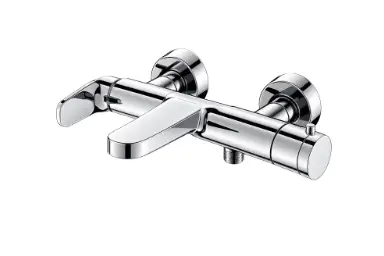 Bathshower faucets
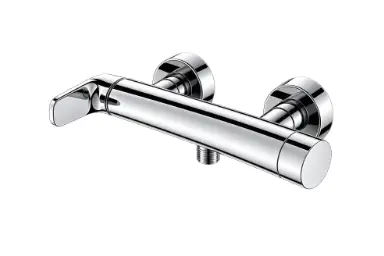 Shower faucets
 Bathshower sets concealed
 Shower column
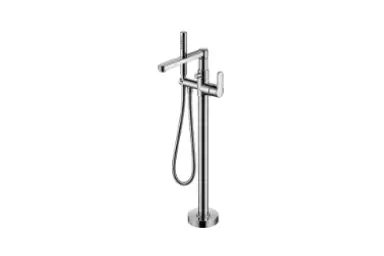 Freestanding bathshower faucets
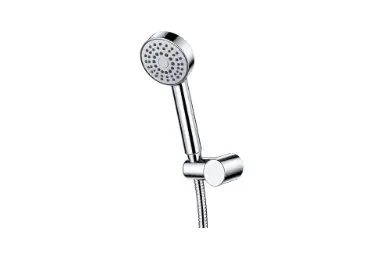 Shower sets
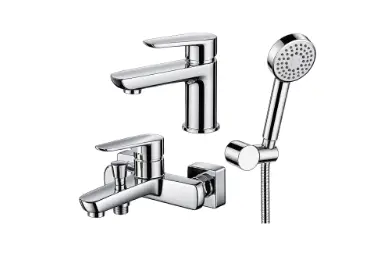 Bathroom fitting sets
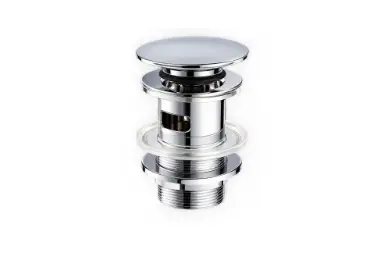 Click-clack plugs
 Spare parts - bathroom fittings
 Bathshower faucets concealed
 Bath spout
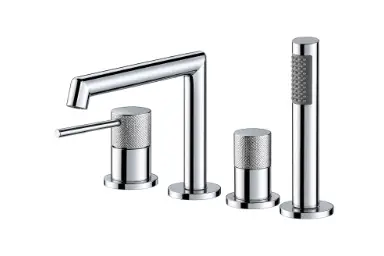
 Multi-hole bathtub faucet
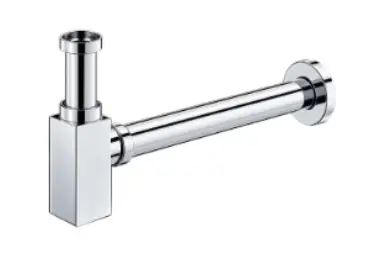 Washbasin siphons
 Consealed bidet system
 Clothes
 Shorts
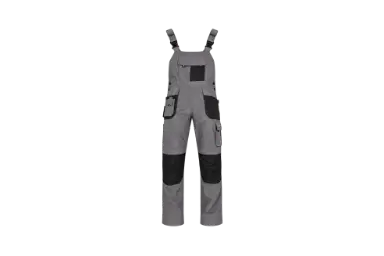 Dungarees
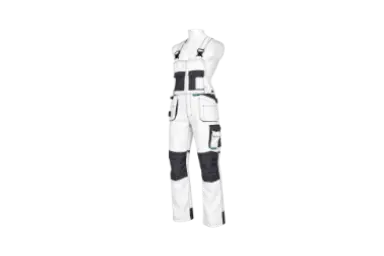 Work dungarees
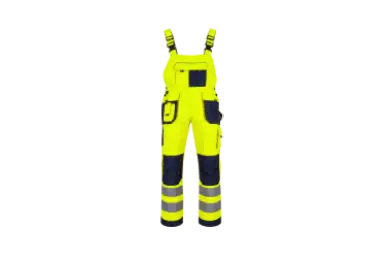 Reflective work dungarees
 Sweatshirts
 Hoodies
 Fleeces
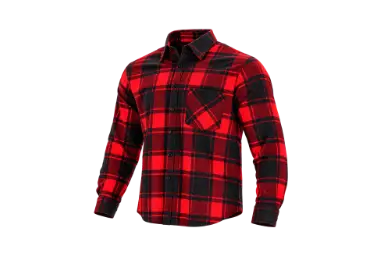 ShirtsFlannel work shirts
 T-shirts
 Polo
 Jackets
 Vests
 Jumpsuits and SetsDisposable suits
 Underwear and socks
 Hats and scarves
 Hats
 Baseball caps
 Hats with a lamp
 Chimneys
 Reflective hats
 Clothing accessories
 Stripes
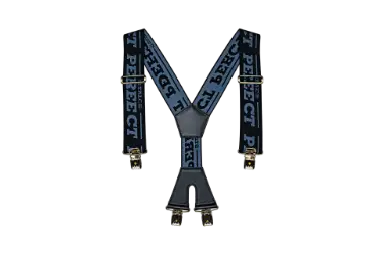 Suspenders
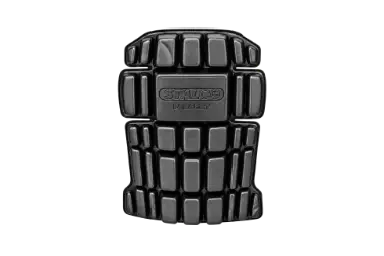 Foam inserts
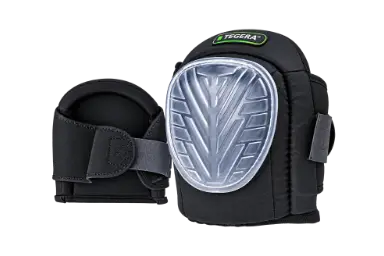 Protective knee pads
 Footwear
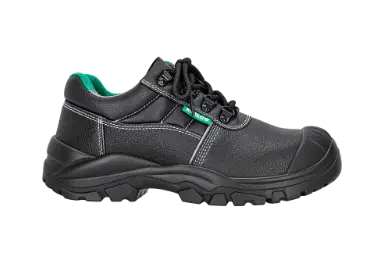 Low shoes
 Work shoes
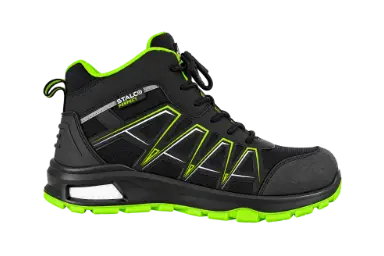 Boots
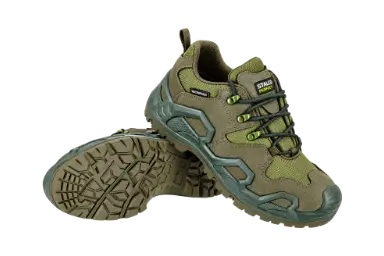 Work boots
 Winter boots
 High-top winter boots
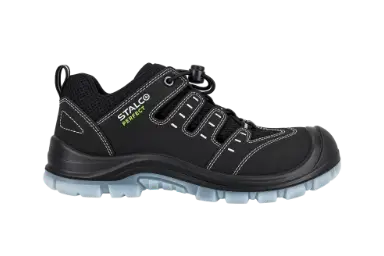 Sandals
 Work sandals
 Flip-flops and clogs
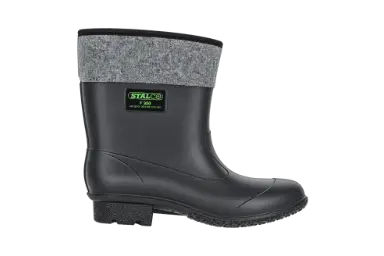 Rain boots
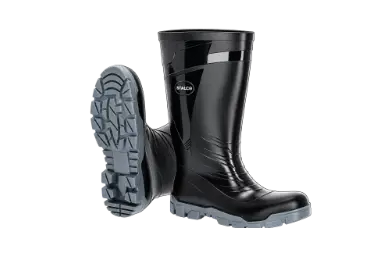 Work boot
 Low wellies
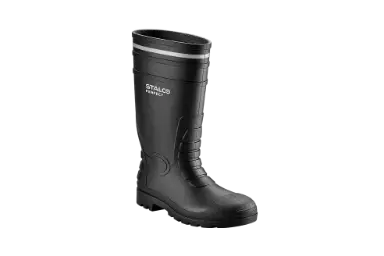 High-top galoshes
 Shoe accessories

In autumn almost everyone reaches for the rake, but in spring, when laying out a border or levelling soil, a rake is indispensable too. Yet not all rakes are the same. A leaf rake will not level lumps of soil, and a steel rake damages a lawn if you use it to gather leaves. In this buying guide you will read which types of rake there are, what to look for when buying and how to work safely without straining your back.
A leaf rake has long, springy tines that fan out. This lets you sweep together leaves, grass clippings and light garden waste without tearing up the lawn.

A steel rake has short, sturdy tines on a straight head. Use it to spread and level soil, sand, compost and gravel, and to remove stones and roots from a border.
For planters, narrow borders and work on your knees a short model is more practical.
💡 With lots of leaves, combine a rake with a cordless blower or a cordless leaf vacuum and blower. Blow or vacuum the leaves off the patio and paths, then rake them together on the lawn. Read more about garden tools in our guide to Stalco Garden tools.
What to do with the leaves and how to prepare the rest of the garden for winter is in our blog on getting your garden ready for winter.
You can easily keep a garden tidy yourself. For a large garden, many trees, laying lawns or levelling large areas of soil, calling in a landscape gardener is never unnecessary. A professional knows which tool works fastest at which moment, levels soil to the right height and fall, and clears large amounts of leaves and pruning waste efficiently.
Read also: How to trim a hedge: DIY step-by-step, Pruning trees safely: step-by-step guide and How to lay a new lawn: step by step.
A leaf rake or fan rake with springy tines. It gathers the leaves without tearing up the grass.
A steel rake or soil rake with short, sturdy tines. Use the back to smooth the soil flat.
Clean the tines after use, let the rake dry and store it dry, tines down or hung up.
At Saniso, the online store for DIYers and professionals, you will find tools, materials and personal protective equipment for your job.
In doubt about the approach? Feel free to call in a professional.
Read also: Checking your roof after a storm: how to do it safely
Saniso – Build your home with Saniso.
Share:
Want to hang heavy items on the wall? Learn how to recognise the wall type, choose the right plug, drill safely and hang...

Which socket set suits your work? Learn the difference between 1/4, 3/8 and 1/2 inch drive, why the number of ratchet te...

Natural stone and porous tiles absorb moisture, grease and dirt. With a Fila impregnator you give them invisible protect...

Sealing gaps and joints with sealant: find out which sealant goes where, acrylic or silicone, when to use foam first and...