Cart (0)
No products in the cart.

 English ✓
 Nederlands ✓
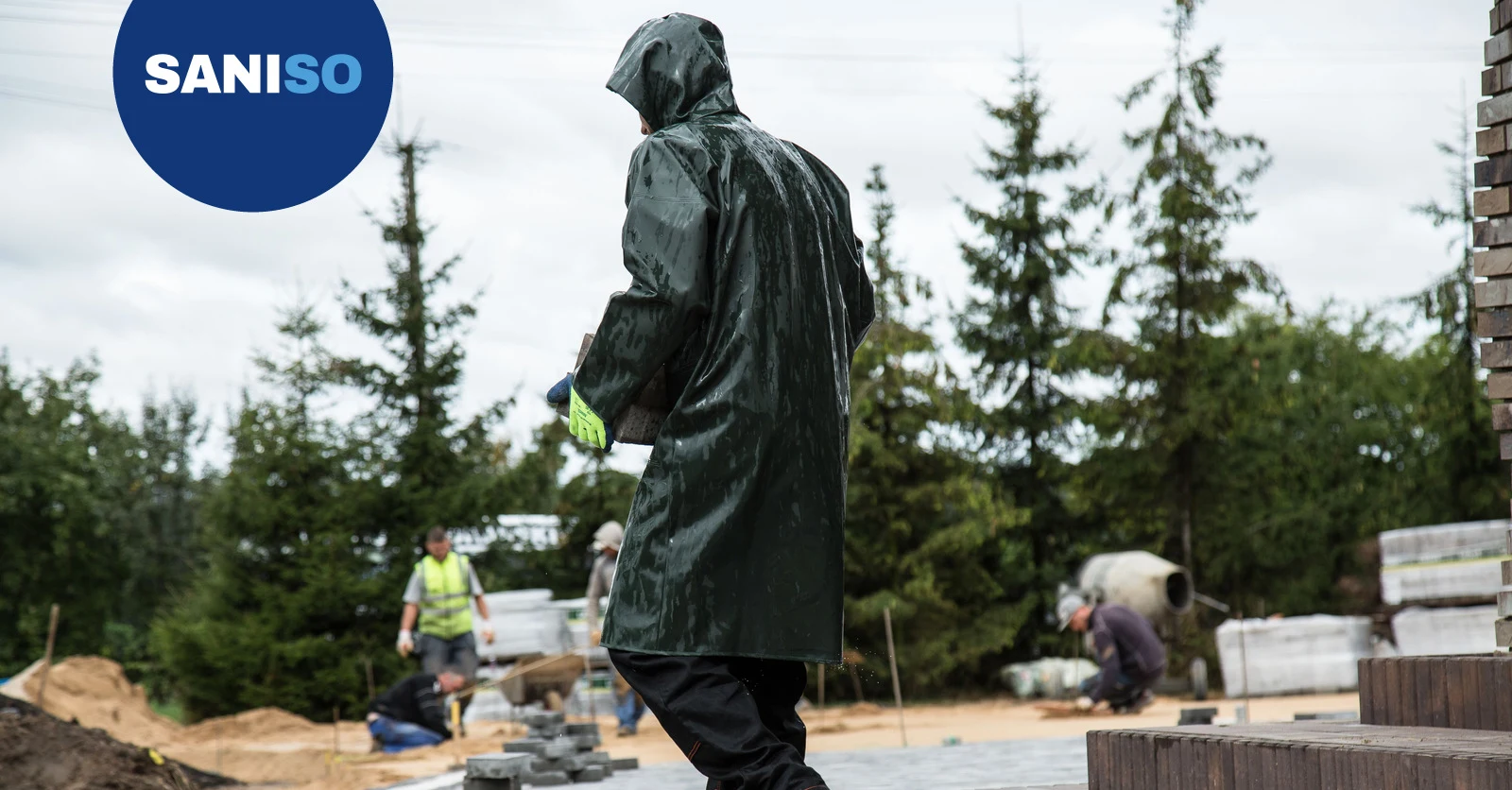
Short answer: choose rainwear for construction work on three things: how long you stand in the rain, how much you move and whether you need to be visible. For long days outside, a separate rain suit of jacket and trousers with taped seams works best. If you work near traffic or machinery, you need a high-visibility jacket that also protects against rain. Combine that with waterproof safety boots, gloves with grip and a helmet you can wear over or under the hood. In this guide you read what to look for, how to read the labels and what to arrange for a crew as a professional or employer.
Read this article in Dutch: Werken in de regen: waterdichte werkkleding kiezen.
Getting wet is more than annoying. When you are soaked, you cool down faster, your hands get cold and you lose feeling in your fingers. You hold tools less firmly, you pay less attention and the risk of slipping or a mistake goes up. With steady rain and wind in autumn and winter, that happens every week.
Good rainwear keeps you dry and lets you keep working safely. That means keeping water out, letting sweat escape, moving freely and staying visible. On site, rainwear is therefore part of your personal protective equipment, just like a helmet and safety shoes. Read more about the basic rules in our blog on safe working on the construction site.
Labels and product pages use several terms side by side.
Look at the finish too. Waterproof fabric with stitched seams leaks at the seams. Taped seams are therefore a must for real rain work. Also check for an adjustable hood, cuffs that close and a jacket that falls far enough over the trousers.
💡 Rainwear with the EN 343 standard has been tested for waterproofness and breathability. The label then shows two classes; the higher the number, the better. Always check the label or product page to see which standard a garment actually meets.
PVC rainwear is tough and fully waterproof, but hardly breathes. That is fine for work without much physical effort, such as supervision, measuring, setting out or short jobs outside. The long BREMEN raincoat is an example: a knee-length coat of PVC with polyester, taped seams, a hood with drawstring and concealed ventilation on the shoulders. Because it reaches below the knee, it also protects your upper legs while you stand or walk.
PU/PVC with a polyester backing is more supple and more comfortable to move in. The AQUA J rain jacket and the AQUA T rain trousers are made this way. The jacket has taped seams, a hood, mesh ventilation at the neck and a waterproof chest pocket for your phone. The trousers have an elasticated waistband and press studs at the bottom of the legs, so they close neatly over your boots. Both have a loose fit, so you wear them over your normal workwear.
Softshell with a membrane is not a full rain jacket, but it is a good choice for changing weather and intensive work. The NEON high-visibility softshell has a wind- and water-resistant membrane, a breathable inner layer and is a class 3 high-visibility jacket. In showers and drizzle you are well protected; in hours of heavy rain you pull a rain jacket over it.
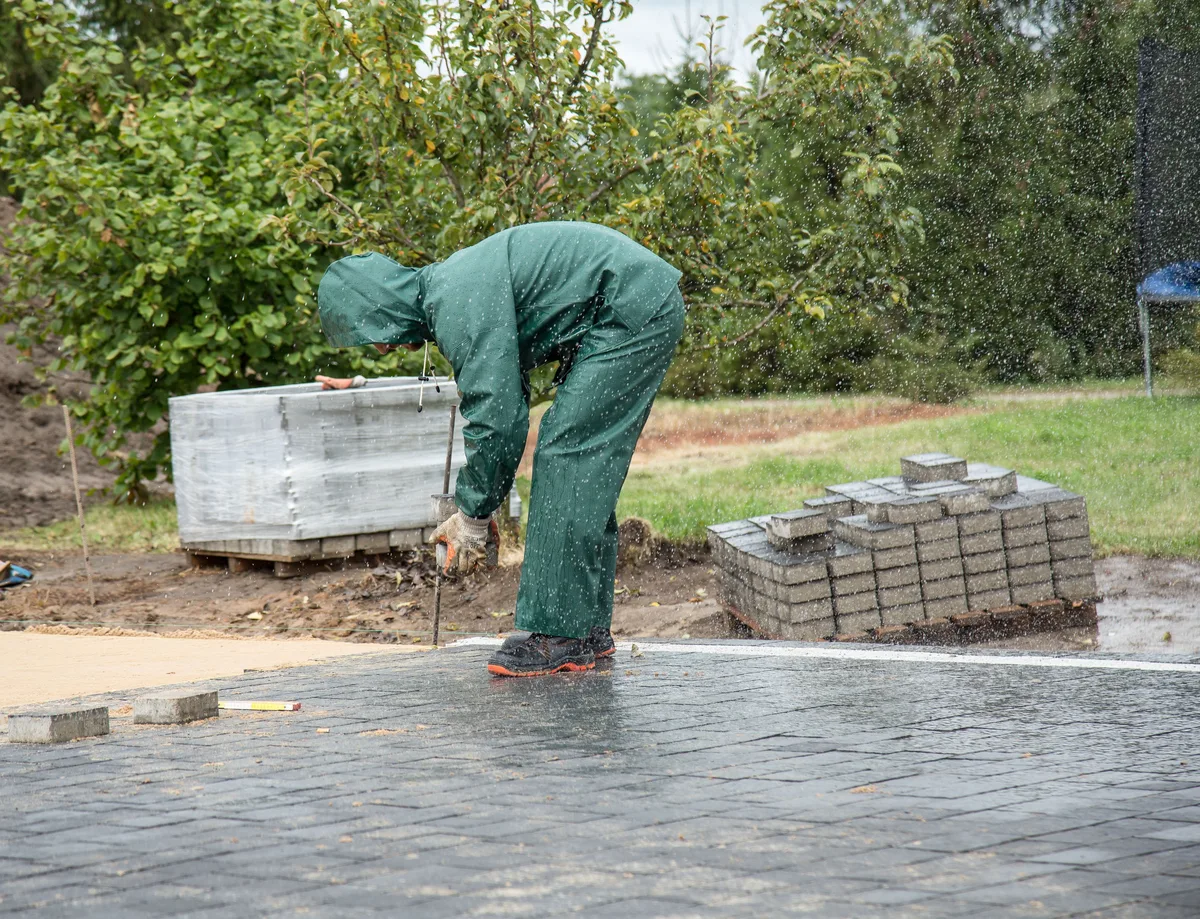
Choose a size large enough to wear a fleece or padded jacket underneath, but not so large that sleeves or legs can get caught in a machine or between materials.
In rain it is darker and drivers and machine operators see less. If you work along the road, during lifting or between running machines, your rainwear must also be high-visibility clothing. The insulated high-visibility rain jacket REVERS J is a padded rain jacket in a high-visibility colour with reflective stripes to EN ISO 20471 and tested to EN 343. Turn it inside out and you have a normal dark jacket. For dry but cold weather, the PILOT insulated high-visibility jacket is a padded high-visibility jacket with a removable lining and sleeves. Which class you need is explained in our blog on high-visibility clothing and EN ISO 20471.
⚠️ A green or black rain jacket over your hi-vis vest makes that vest invisible. In that case wear a rain jacket that is itself made as high-visibility clothing.
Boots. On site you need safety footwear. In mud, wet ground and concrete, an S5 rubber safety boot is the logical choice: rubber, waterproof and with a protective toe cap. If you work partly inside and partly outside, a high leather S3 safety boot with a water-repellent upper is often more comfortable. The difference between the classes is explained in our blog on choosing safety shoes.
Gloves. Wet hands quickly lose grip and strength. latex-coated work gloves give good grip on wet bricks, tiles and pipes. For finer work, work gloves with nitrile coating are a good choice. Always keep a dry spare pair in the van.
Head. Wear your safety helmet under the hood or pull the hood over the helmet, but make sure your side view stays clear. In the cold, a 3-in-1 balaclava under the helmet keeps your head and neck warm. safety goggles also protect your eyes against splashing water and dirt when grinding or drilling in the rain.
👷 Rainwear depends on the job. A pavior needs something different from a site manager, and a groundworker by the road something different from an installer who walks outside now and then. An employer provides the right PPE and arranges instruction; the VCA rules are explained in our explanation of VCA Basic and VCA VOL. Are you a contractor, installer or employer and do you want to equip a whole crew with rainwear, boots and gloves in different sizes? Saniso is a wholesaler and also supplies large quantities; contact us for advice or a quotation.
For long outdoor work, choose rainwear that is truly waterproof, with taped seams. Check the water column or the EN 343 class on the label or product page: the higher, the better it resists long rain and pressure.
A softshell with a membrane is wind- and water-resistant and breathes well, but it is not a full rain jacket. Fine for short showers; in hours of rain you pull a rain jacket over it.
If you work near traffic, lifting or machinery and your vest disappears under the rain jacket: yes. Then choose a rain jacket in a high-visibility colour with reflection to EN ISO 20471.
Safety boots, such as rubber boots in class S5 for mud and wet work. Ordinary wellies without a safety class do not belong on a construction site.
Usually from sweat: the material does not breathe enough for the work you are doing. For heavy work choose a more breathable material, open the ventilation and wear a base layer that wicks moisture away.
That depends on the material. Always follow the care label; PVC rainwear is usually only rinsed off and left to dry hanging.
At Saniso, the online store for DIYers and professionals, you will find tools, materials and personal protective equipment for your job.
In doubt about the approach? Feel free to call in a professional.
Saniso – Build your home with Saniso.
Share:
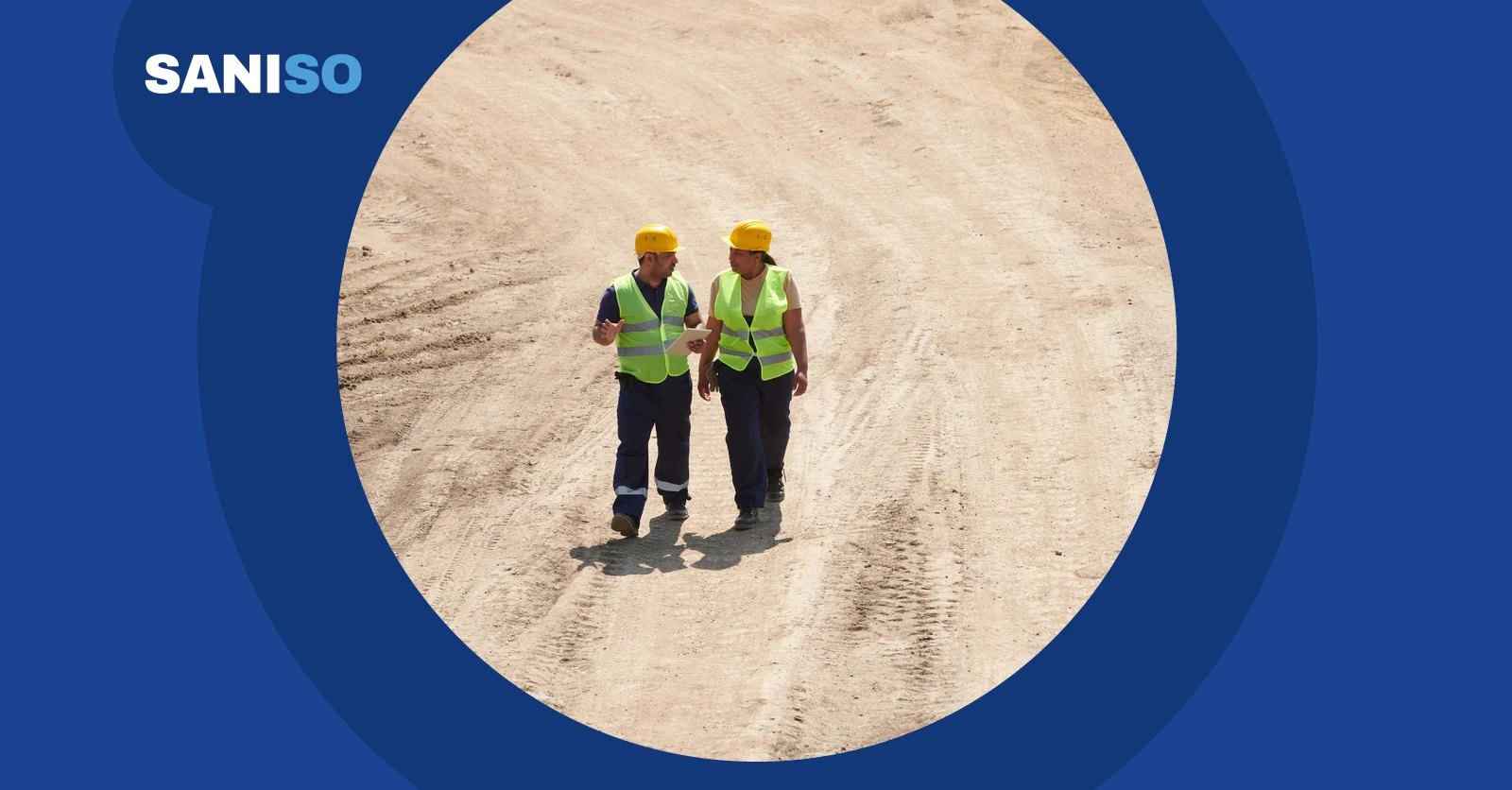
Which personal protective equipment do you need on a building site? A complete PPE list by risk, with the relevant stand...
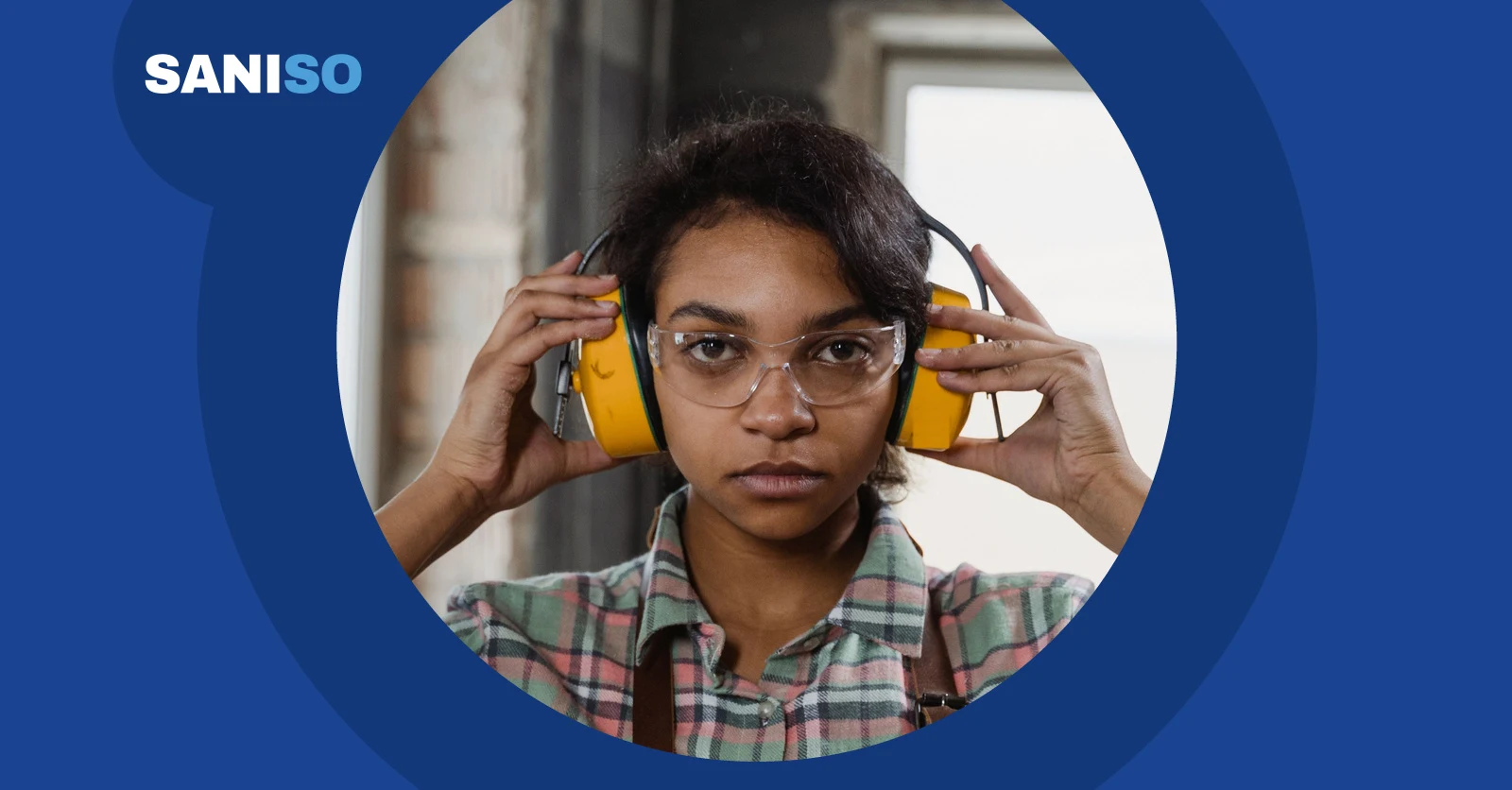
Choosing women's workwear: why a men's model in a small size does not work, what to look for in trousers, jackets, safet...
Working safely in a crawl space, cellar or shaft: risks, ventilation, lighting, PPE and when not to go in. Practical tip...
Planning to dig a fence post, drain or trench? Read where cables and pipes usually lie, when a KLIC notification is requ...