






.webp)

Splitting firewood with a splitting axe? Learn which axe to choose, how to set up a stable chopping block, where to aim,...

Your online building supplies store for building and renovation
 English
✓
 Nederlands
✓
 Bathroom furniture sets
 Pillars and semi-pillars
 Consoles
 Washbasin cabinets
 Mirrors
 Cabinet for wc frame
 Shelves
 Accessories - bathroom furniture
 Panels for consoles
 Cabinets with laundry basket
 Top for wc frame
 Wall hung cabinets
 Cabinets for washing machine
 Mirror cabinets
 Case for wc frame
 Countertops
 Under countertop cabinets
 Washbasin faucets
 Washbasin faucets deck-mount high
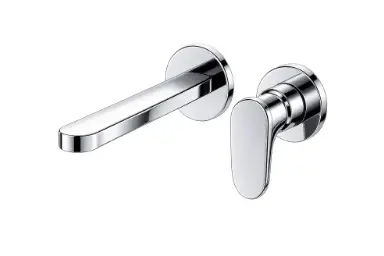 Washbasin faucets concealed
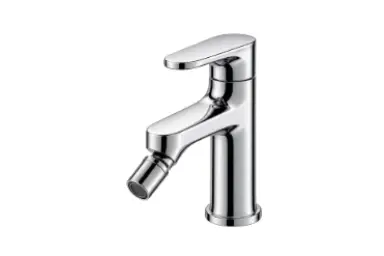 Bidet faucets
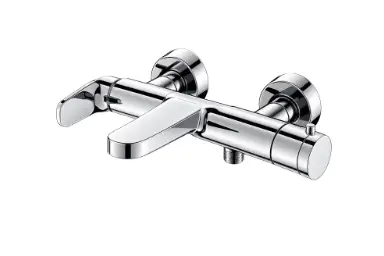 Bathshower faucets
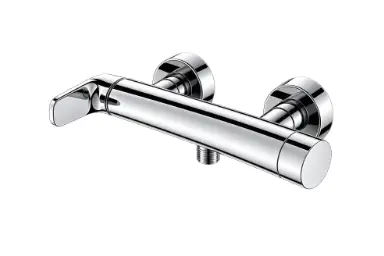 Shower faucets
 Bathshower sets concealed
 Shower column
 Freestanding bathshower faucets
 Shower sets
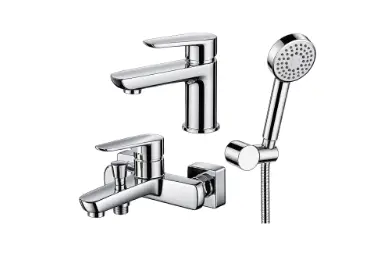 Bathroom fitting sets
 Click-clack plugs
 Spare parts - bathroom fittings
 Bathshower faucets concealed
 Bath spout
 Multi-hole bathtub faucet
 Washbasin siphons
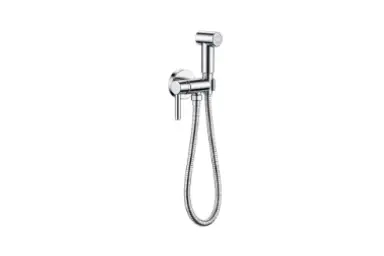
 Consealed bidet system
 Clothes
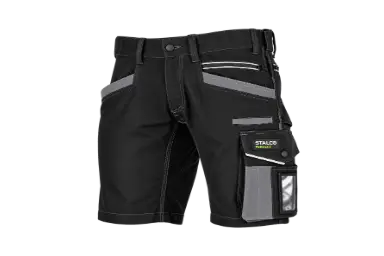 Shorts
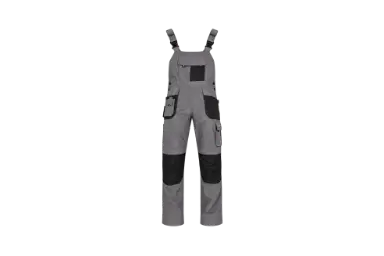 Dungarees
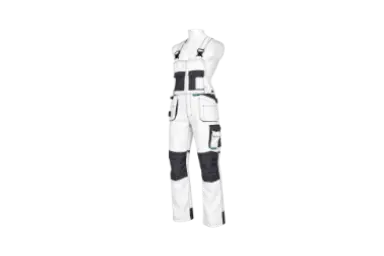 Work dungarees
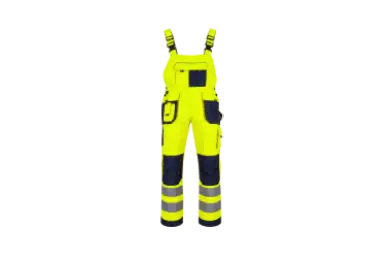 Reflective work dungarees
 Sweatshirts
 Hoodies
 Fleeces
 ShirtsFlannel work shirts
 T-shirts
 Polo
 Jackets
 Vests
 Jumpsuits and SetsDisposable suits
 Underwear and socks
 Hats and scarves
 Hats
 Baseball caps
 Hats with a lamp
 Chimneys
 Reflective hats
 Clothing accessories
 Stripes
 Suspenders
 Foam inserts
 Protective knee pads
 Footwear
 Low shoes
 Work shoes
 Boots
 Work boots
 Winter boots
 High-top winter boots
 Sandals
 Work sandals
 Flip-flops and clogs
 Rain boots
 Work boot
 Low wellies
 High-top galoshes
 Shoe accessories
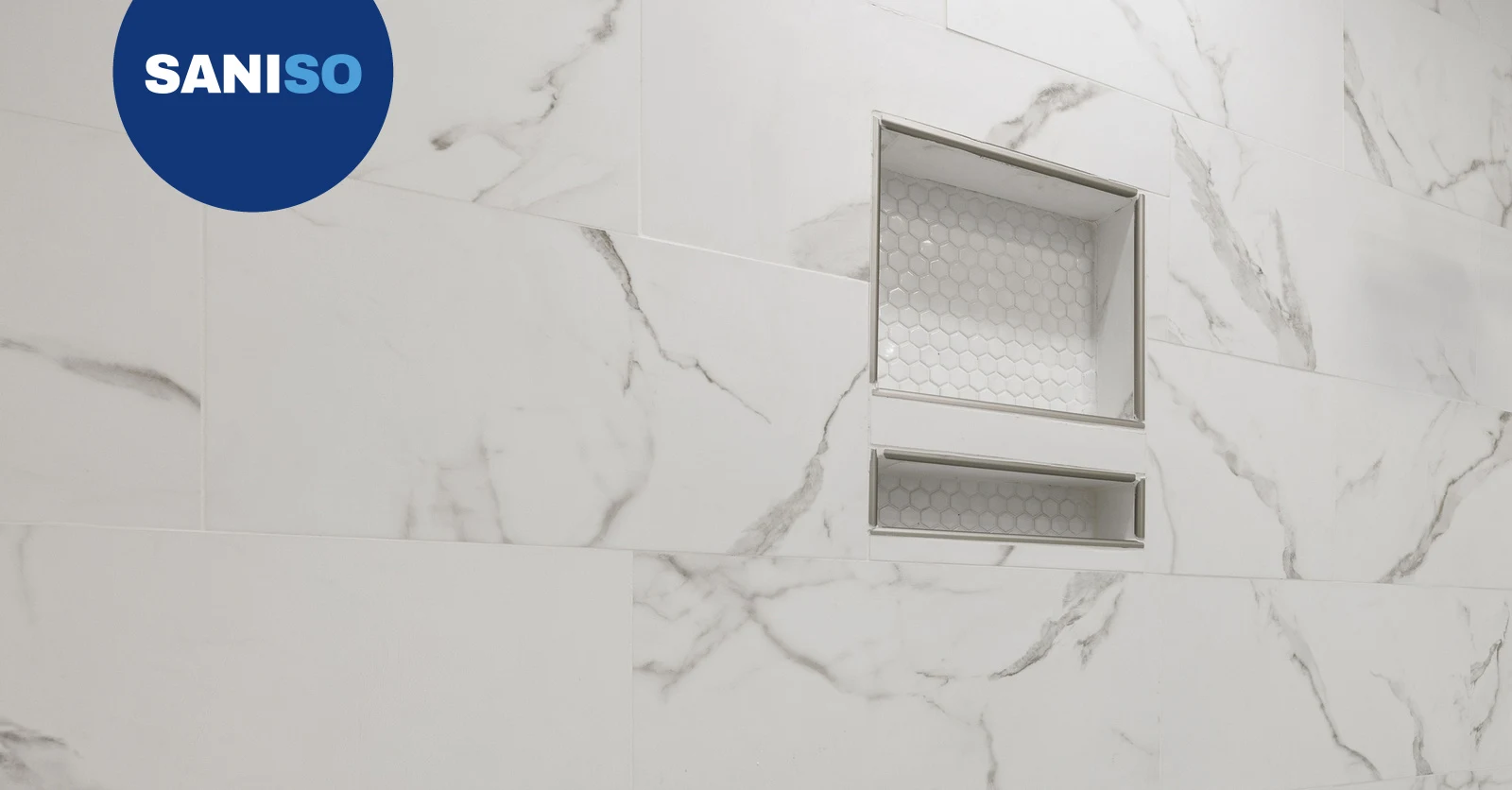
No more bottles on the floor or in a rack that rusts: a niche in the shower wall is practical and looks calm. Yet a shower niche is one of the trickiest parts of a bathroom. You make an opening in the wall, exactly where most of the water lands. In this blog you will read how a professional approaches it.
👷 Calling in a professional is never unnecessary, and for a shower niche we strongly recommend it. Pipes or cables may run in the wall, the wall must stay strong and the waterproofing must be perfect. Always leave pipework and electrics to a certified installer.
A good niche starts on paper.
A niche has four extra corners and a bottom where water can collect. It therefore gets the same treatment as the rest of the shower: sealing tape such as Kerakoll Aquastop 120 sealing tape in all corners and a membrane such as Kerakoll Aquastop Nanoflex over the whole surface, continuing into the surrounding wall.
💡 Let the bottom of the niche slope very slightly forward. Water then runs off by itself and no puddle stays behind the bottles.
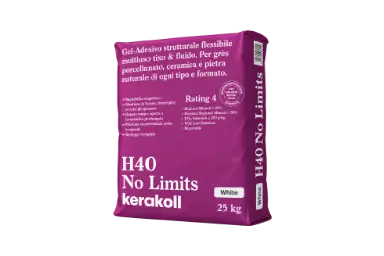
The professional first tiles the back wall, then the sides, bottom and top. Pieces are cut to size with a Raimondi Kompass tile cutter, Kerakoll H40 tile adhesive in white is applied with the right Raimondi notched trowel and adjustable 4 mm tile spacers keep the joints even. The edges are often finished with a profile; read more about trim profiles in our blog on Progress Profiles tile profiles. If drilling through tile is needed, it is done with diamond; see our blog on diamond drilling in tile and concrete.
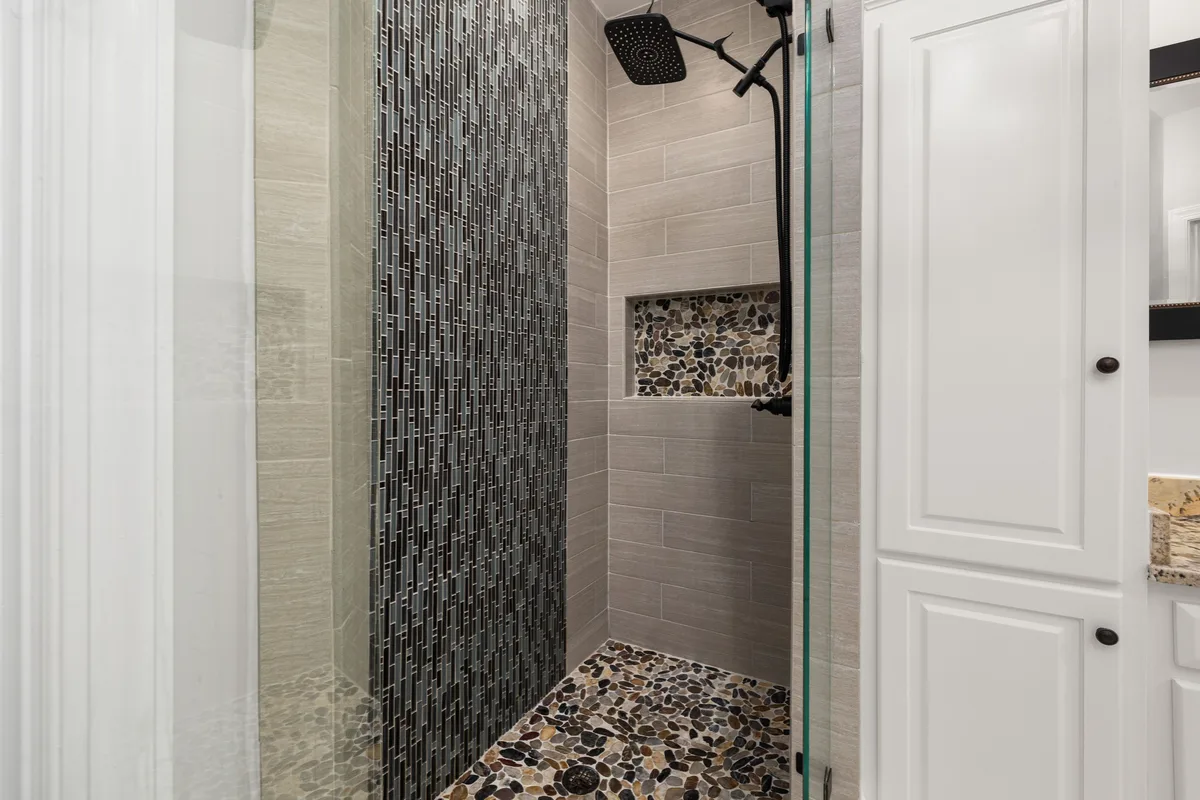
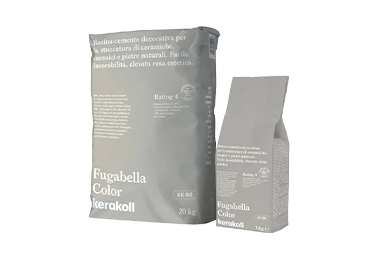
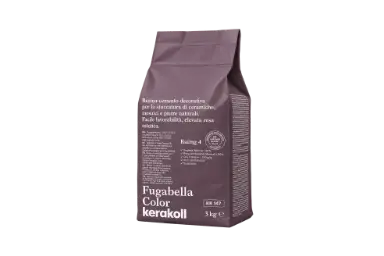
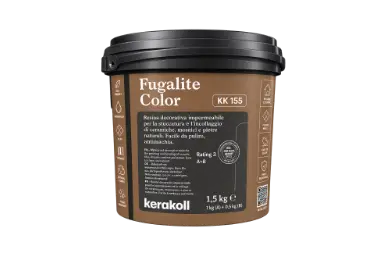
Then the joints are grouted with a grout spreader and a good grout such as Kerakoll Fugalite Color grout, and the corners are sealed with sanitary silicone sealant. Read more about tiling a wall in our blog on tiling a wall and our blog on tiling a bathroom.
Cutting and routing in a wall creates a lot of fine dust and noise. A professional therefore wears an FFP2 dust mask, safety goggles and earmuffs, and work gloves with nitrile coating when working with adhesive and grout. If you help with cleaning up, wear a dust mask yourself too. Read more about working safely in our blog on safe working on the construction site.
Yes, provided the wall is designed for it and properly supported. Have a professional assess whether that is possible for your wall.
Deep enough for a bottle to stand stably, and always matched to the build-up of the wall. The professional decides on site.
At Saniso, the online store for DIYers and professionals, you will find tools, materials and personal protective equipment for your job.
In doubt about the approach? Feel free to call in a professional.
Saniso – Build your home with Saniso.
Share:
Splitting firewood with a splitting axe? Learn which axe to choose, how to set up a stable chopping block, where to aim,...

Want to hang heavy items on the wall? Learn how to recognise the wall type, choose the right plug, drill safely and hang...

Which socket set suits your work? Learn the difference between 1/4, 3/8 and 1/2 inch drive, why the number of ratchet te...

Natural stone and porous tiles absorb moisture, grease and dirt. With a Fila impregnator you give them invisible protect...